
Turmeric: Health Benefits, Uses, and Possible Side Effects
Turmeric, the bright golden spice originally from Southeast Asia, has been valued for far more than its flavor for hundreds of years.
Traditional healing systems have praised it for generations, and modern research is now exploring whether those long-held beliefs have scientific support.
Its best-known active compound, curcumin, is a powerful antioxidant with strong anti-inflammatory properties.
So, could one of the secrets to better health really be sitting in your kitchen spice rack?
Before adding turmeric to every meal, it is worth understanding both its potential benefits and the situations where it may cause unwanted effects.
What Is Turmeric?
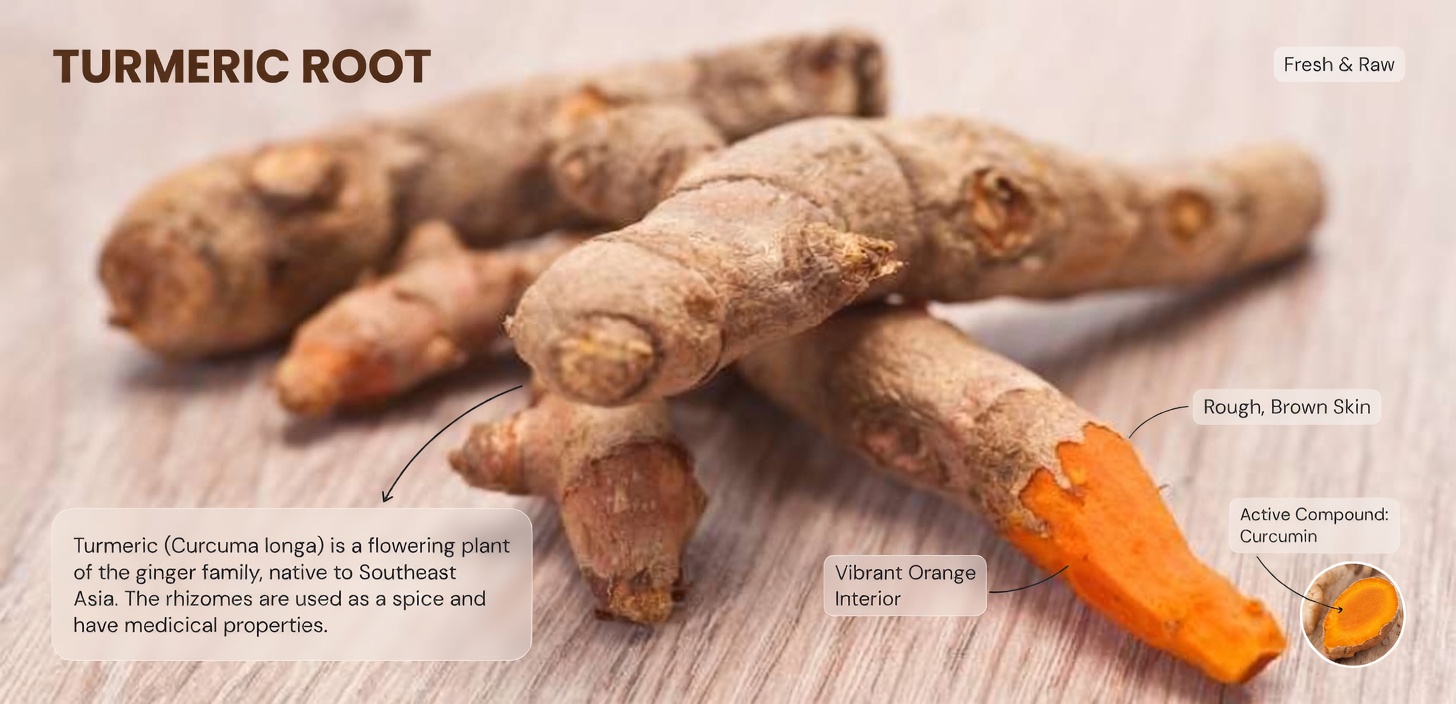
Turmeric belongs to the ginger family. Like ginger, it grows as a rhizome, which is an underground stem.
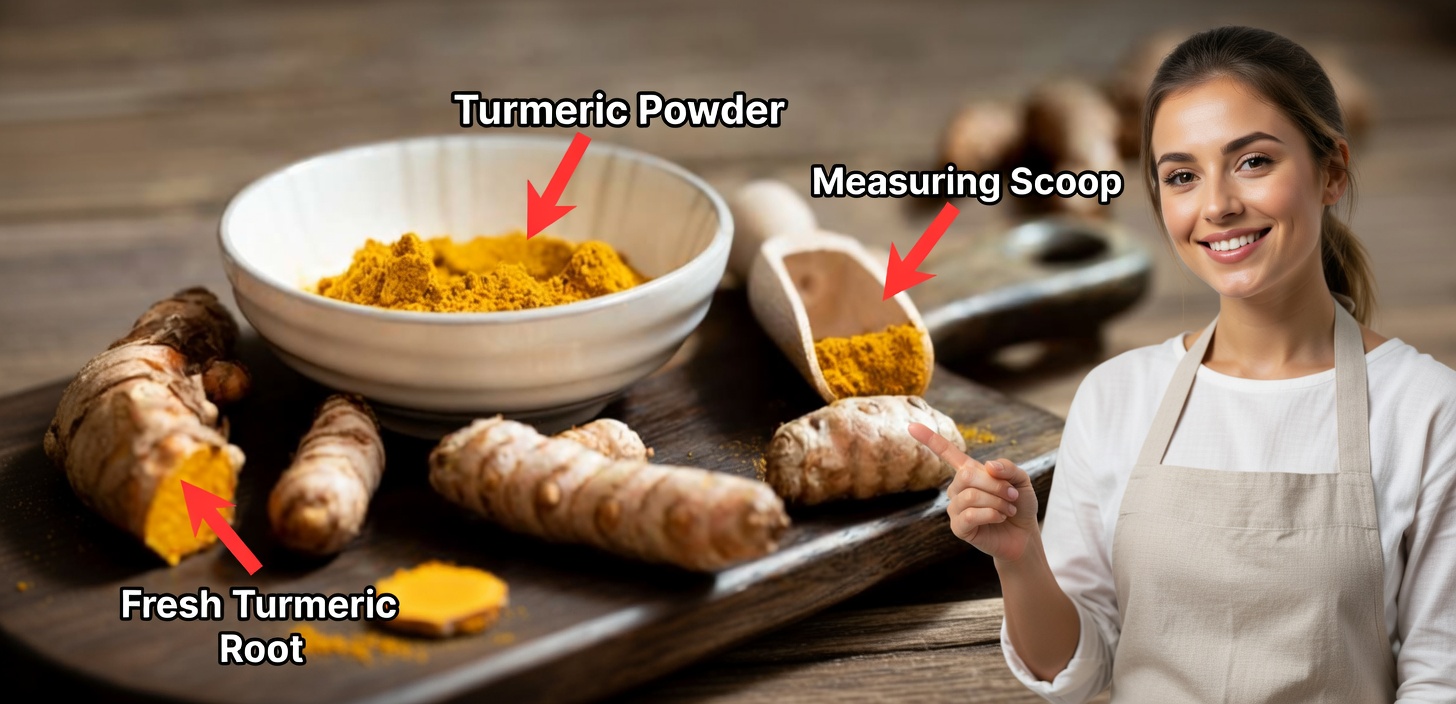
In grocery stores, turmeric root often resembles fresh ginger, although it has a much deeper yellow-orange interior. The plant is known for its vivid color, slightly bitter flavor, and promising health-supporting properties.
It has been used for centuries as:
- A culinary spice
- A natural coloring agent
- A component in traditional medicine
- An ingredient in some beauty and cosmetic products
Turmeric is especially common in Southeast Asian cooking. It can be eaten fresh or dried and ground into powder.
The powdered form comes from the dried root and is commonly used in:
- Curry blends
- Supplements such as capsules and tablets
- Herbal preparations and pastes
Its bold golden shade is also why turmeric is used to give traditional yellow mustard its familiar color.
Turmeric has a long history in Ayurvedic medicine, traditional Chinese medicine, and other natural healing practices, where it has been used to support digestion, liver health, blood-related conditions, and infections.
You may also see turmeric or curcumin referred to by the botanical name Curcuma longa.
What Makes Turmeric Beneficial?
Turmeric can be prepared in several forms, including:
- Tea
- Powder
- Extracts
- Capsules
- Tablets
- Pastes
It contains a group of plant compounds called curcuminoids, with curcumin being the most widely studied.
Other important curcuminoids include:
- Bisdemethoxycurcumin
- Demethoxycurcumin
Turmeric also contains natural oils such as:
- Turmerone
- Atlantaone
- Zingiberone
Researchers have found that turmeric offers several biological properties, including:
- Antioxidant
- Anti-inflammatory
- Antibacterial
- Antiviral
In addition, turmeric provides small amounts of nutrients such as:
- Vitamin B3
- Vitamin C
- Vitamin E
- Vitamin K
- Calcium
- Copper
- Iron
- Magnesium
- Potassium
- Zinc
Although turmeric contains many beneficial compounds, curcumin remains the main focus of current health research.
Can Turmeric Help Reduce Inflammation?
Inflammation is a natural response in the body, but when it becomes long-lasting, it may contribute to serious health concerns.
Chronic inflammation has been linked to conditions such as:
- Heart disease
- Diabetes
- Joint disorders
- Other ongoing inflammatory illnesses
Turmeric may help calm this process naturally. Its anti-inflammatory compounds are thought to be especially useful for conditions such as:
- Osteoarthritis
- Rheumatoid arthritis
Turmeric is also rich in antioxidants, which help fight free radicals that can damage cells and increase oxidative stress.
Because chronic inflammation plays a role in so many diseases, reducing it may be one important step in supporting overall health.
Could Turmeric Lower Cancer Risk?
Research into turmeric and cancer has produced some encouraging early findings.
Certain compounds in turmeric may help fight processes linked to several types of cancer, including:
- Colon cancer
- Breast cancer
- Prostate cancer
- Some forms of leukemia
Studies suggest that curcumin may help:
- Slow the growth of cancer cells
- Reduce the spread of cancer cells
- Interfere with the blood supply that tumors need to grow
However, this area of research is still in its early stages. More high-quality human studies are needed before turmeric can be considered a reliable part of cancer treatment.
Some findings have even suggested that turmeric might promote tumor growth under certain circumstances, which is why the evidence is not yet clear.
If you have a family history of colon, breast, or prostate cancer, adding turmeric to a balanced diet may be worth discussing with your healthcare provider.
People undergoing cancer treatment should be especially careful and should talk to a medical professional before taking large amounts of turmeric or curcumin supplements.
Turmeric and Brain Health
Turmeric has also attracted attention for its possible effects on the brain.
If Alzheimer’s disease runs in your family, turmeric may be of particular interest. Research suggests that curcuminoids may help protect brain function.
Several animal and cell studies have found that curcumin may help reduce the formation of amyloid plaques, which are associated with Alzheimer’s disease.
In one small study, older adults without dementia who took curcumin twice a day for 18 months showed improvements in:
- Memory
- Cognitive performance
Still, the study included only 40 participants, so larger trials are needed before firm conclusions can be made.
Can Turmeric Ease Arthritis Symptoms?
For people dealing with aching joints, swelling, and stiffness, turmeric may offer some relief.
Because of its anti-inflammatory effects, turmeric has been studied as a possible alternative to common pain-relief medicines.
In a 2019 study, people with osteoarthritis received either:
- Diclofenac twice daily, or
- Curcumin three times daily
Both groups experienced less joint pain. However, those taking curcumin reported fewer side effects, especially fewer stomach problems.
Another study from 2016 found that turmeric extract helped reduce:
- Swelling
- Inflammation
- Arthritis pain
Participants used the extract for 8 to 12 weeks, and the results were similar to those seen with diclofenac or ibuprofen.
A review of available research also concluded that curcumin acts as an anti-inflammatory agent and may help reduce osteoarthritis symptoms.
Because of this, the Arthritis Foundation lists turmeric as a supplement that may be helpful for both:
- Rheumatoid arthritis (RA)
- Osteoarthritis (OA)
How Turmeric May Support Heart Health
Heart disease remains one of the leading causes of death worldwide, so anything that may help protect the heart deserves attention.
Turmeric has shown potential benefits for cardiovascular health, especially in areas such as:
- Blood flow
- Blood vessel function
- Cholesterol management
- Inflammation reduction
A 2012 study compared the effects of curcumin with exercise on heart health. Both were found to improve blood flow and help blood vessels widen more effectively.
Researchers believe these effects may be linked to curcumin’s antioxidant and anti-inflammatory action.
Another study found that people who took curcumin after bypass surgery had a significantly lower risk of having a heart attack during their hospital stay.
More recent research has also suggested that curcumin may help lower cholesterol, although stronger evidence is still needed.
If you have high cholesterol, also known as hyperlipidemia, or if you are at increased risk for heart disease, it may be worth asking your healthcare team whether turmeric could fit into your wellness plan.
Turmeric and Diabetes Risk
Emerging research suggests turmeric may also play a role in blood sugar control.
Some studies indicate that curcumin may help:
- Support insulin function
- Improve blood sugar regulation
- Reduce insulin resistance
A 2012 study found that curcumin may help the body’s beta cells, which are responsible for producing insulin, function more effectively.
The same research suggested that people taking curcumin took longer to progress from prediabetes to type 2 diabetes, which means it may help delay the condition.
Another study reported that curcumin may interfere with the development of diabetes by helping slow the progression of high blood sugar and insulin resistance.
While these findings are promising, more clinical research is needed to confirm how effective turmeric is for diabetes prevention or management.
Important Considerations Before Using Turmeric
Although turmeric is generally considered safe in food, large doses or concentrated supplements may not be right for everyone.
Before taking turmeric regularly in supplement form, keep in mind:
- Research is still ongoing for many of its claimed benefits
- Effects can vary depending on the dose and form used
- Supplements may cause side effects in some people
- Certain medical conditions or treatments may require caution
This is especially important if you:
- Have cancer or are receiving cancer treatment
- Take medication for blood sugar, cholesterol, or inflammation
- Have a chronic health condition
- Plan to use turmeric in high amounts rather than normal culinary quantities
Final Thoughts
Turmeric is much more than a colorful kitchen spice. It contains curcumin and other plant compounds that may help support health in several ways, especially by fighting inflammation and oxidative stress.
Current research suggests turmeric may offer benefits for:
- Inflammation
- Arthritis symptoms
- Brain health
- Heart health
- Blood sugar control
- Possibly cancer-related processes
At the same time, turmeric is not a cure-all, and some of the evidence is still preliminary. The safest approach is to enjoy it as part of a healthy diet and speak with a healthcare provider before using high-dose turmeric or curcumin supplements.
Used wisely, this ancient golden spice may be a valuable addition to a modern wellness routine.