How to Lose Lower Belly Fat the Healthy Way
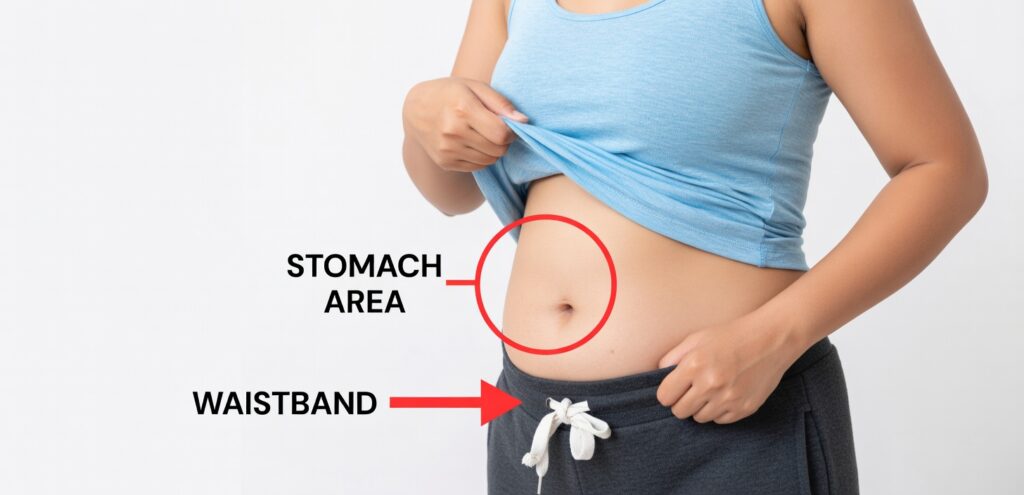
Getting rid of lower belly fat is not always easy. For many people, that stubborn area around the lower abdomen seems to stay longer than expected, even with effort.
Fat around the stomach develops the same way fat does anywhere else in the body. When calorie intake is consistently higher than the amount of energy burned through daily activity, the body stores that excess as fat, including in the belly area.
What Causes Belly Fat?
There is no single reason for lower belly fat. Several factors can contribute, and some are outside your control.
For women, hormones, genetics, and aging often play a major role in fat storage around the lower abdomen. Still, the general strategy for reducing belly fat is the same for everyone, regardless of sex or gender.
Factors You Cannot Control
- Genetics
- Menopause
- Testosterone levels
- Metabolism
Factors You Can Control
- Food choices
- Total daily calorie intake
- Sleep quality and duration
- Physical activity level
- Stress management habits
Because every body stores fat differently, some people notice more fat in the thighs, arms, chest, or stomach. For many, the lower belly is the most frustrating area and often the hardest to change.
Can You Really Get Rid of Lower Belly Fat?
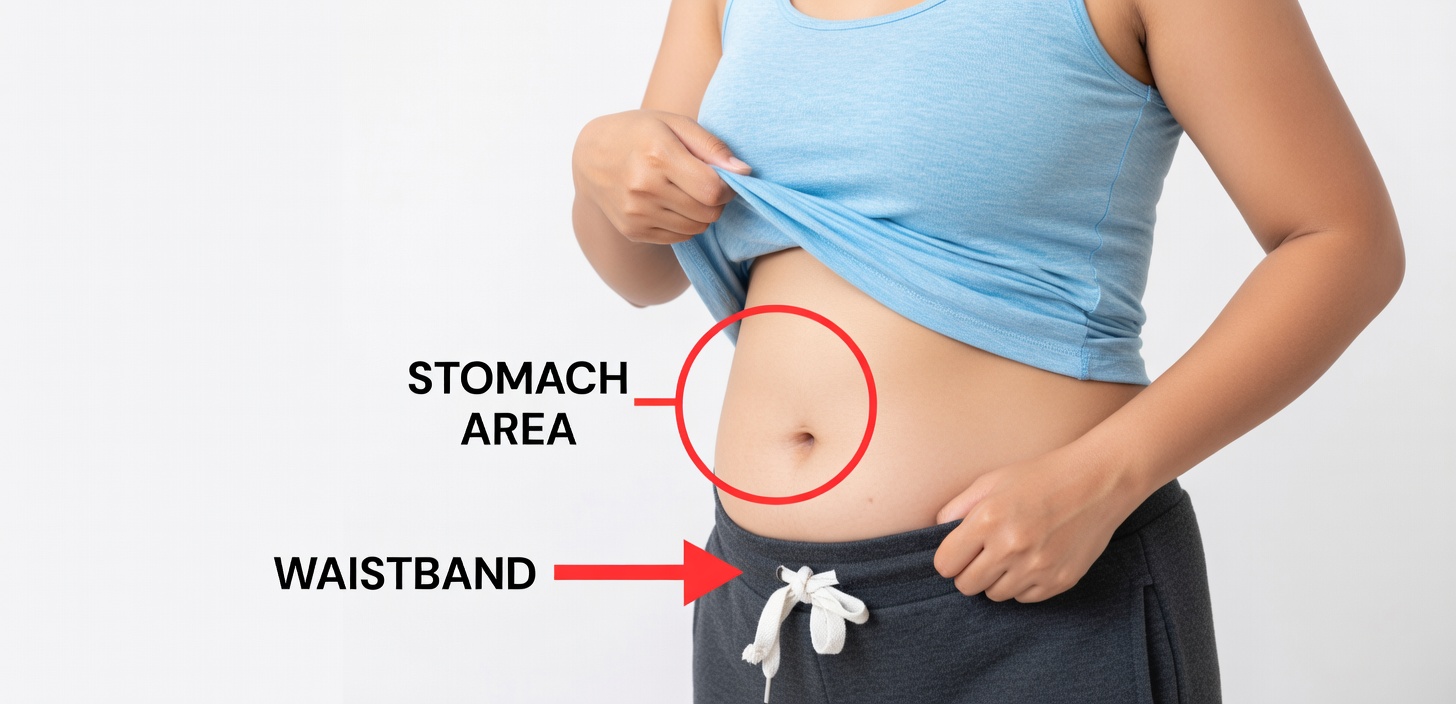
Yes, but it requires the right approach. Lower stomach fat does not disappear through quick fixes. Healthy, lasting fat loss comes from combining balanced nutrition, consistent movement, and sustainable lifestyle changes.
There is no magic solution in crash dieting or endless ab exercises. Spot reduction is a myth, which means you cannot force the body to burn fat from only one area. The most effective strategy is a two-part plan:
- Follow a healthy, calorie-conscious diet
- Stay active every day
The Best Way to Reduce Excess Belly Fat
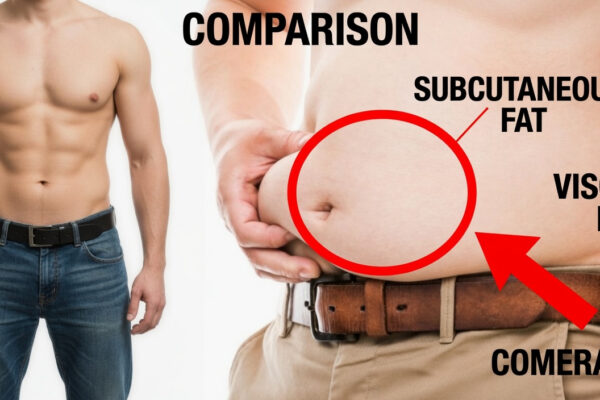
Belly fat can include both:
- Visceral fat, which surrounds internal organs
- Subcutaneous fat, which sits just under the skin
This combination can make abdominal fat especially difficult to lose. Research also suggests that carrying extra weight around the abdomen can negatively affect metabolic health.
The good news is that improving your diet and increasing daily movement can help reduce total body fat, including fat stored in the lower belly.
Start by Improving Your Food Choices
One of the most effective steps is to reduce highly processed foods and foods high in refined sugar. These products can contribute to blood sugar swings, increased hunger, and inflammation.
Instead, focus on whole, nutrient-rich foods that help you stay full and support overall health.
Low-Calorie, Nutrient-Dense Vegetables
Vegetables are especially helpful because they provide volume, fiber, and important nutrients without adding too many calories.
Good options include:
- Arugula
- Broccoli
- Brussels sprouts
- Cabbage
- Cauliflower
- Collard greens
- Kale
- Radishes
Lean Protein Sources
Protein can support fullness, energy, and muscle maintenance while helping control appetite.
Choose lean protein foods such as:
- Eggs
- Lean meats
- Legumes
- Beans
- Chickpeas
- Nuts and seeds
Better Drink Choices
Sugary and artificially sweetened drinks can make weight management harder. Try cutting back on:
- Soda
- Diet soda
- Energy drinks
- Sweetened coffee drinks
- Sugary fruit beverages
Instead, choose:
- Water
- Black coffee
- Unsweetened tea

1. Check Your Body Mass Index (BMI)
Before making a plan, it helps to understand your starting point.
Body Mass Index, or BMI, is one tool used to estimate whether your weight falls within a healthy range based on your height and weight. It places people into categories such as:
- Underweight
- Healthy weight
- Overweight
- Obesity
BMI is not a complete picture of health, but it can be a useful starting point when setting goals. It can also help you track gradual, steady progress over time.
2. Create a Calorie Deficit
Once you know where you stand, the next step is understanding your energy needs. Your Basal Metabolic Rate (BMR) is the minimum number of calories your body needs to perform basic functions such as breathing, circulation, and digestion.
Knowing this number can help you create a safe calorie deficit.
What Is a Calorie Deficit?
A calorie deficit happens when you burn more calories than you consume. Over time, this encourages the body to use stored fat for energy.
A common estimate is:
- Burning or cutting 3,500 calories can equal about 1 pound of fat
- A 500-calorie daily deficit may lead to roughly 1 pound of fat loss per week
A realistic calorie deficit usually comes from a combination of healthier eating and regular physical activity.
Easy Ways to Reduce Calories
- Cut back on cakes, ice cream, and desserts
- Avoid foods made with high-fructose corn syrup
- Limit sugary drinks such as fruit juice and sports drinks
- Reduce processed spreads like margarine
- Choose whole, lower-carb options when appropriate
For most people, losing more than 2 pounds per week requires too much restriction and is usually not considered the healthiest long-term approach.
3. Fill Your Plate With Nutrient-Dense Foods
If you want to lose lower belly fat, pay attention not only to how much you eat, but also to what you eat.
A smart strategy is to eat more real, whole foods, especially vegetables, fruits, whole grains, and lean proteins.
Why Nutrient-Dense Foods Matter
These foods provide:
- Vitamins
- Minerals
- Fiber
- Phytochemicals
- Protein
- Healthy carbohydrates
Vegetables are especially valuable because they help build a balanced diet while increasing both micronutrient and macronutrient intake.
Examples of Nutrient-Dense Foods
Fruits
- Pears
- Avocados
- Apples
Whole Grains and Complex Carbohydrates
- Whole grain pasta
- Whole grain bread
- Lentils
- Whole grain crackers
- Quinoa
These carbohydrates provide energy for the body and brain, especially when eaten in moderation.
Lean Meats and Fish
- Chicken breast
- Lean beef
- Fatty fish
These foods support tissue repair, muscle maintenance, and fullness, helping you move toward a healthier weight and a smaller waistline.
4. Add More Soluble Fiber
Fiber is an important part of any fat-loss plan, yet many people do not get enough of it.
There are two main types of fiber:
- Soluble fiber
- Insoluble fiber
Soluble fiber is especially helpful for weight management and digestive health.
Benefits of Soluble Fiber
Soluble fiber dissolves in water and forms a gel-like substance in the digestive system. This can help:
- Improve digestion
- Support healthy blood sugar levels
- Lower LDL, or “bad,” cholesterol
- Increase fullness and reduce overeating
- Promote more regular bowel movements
Because it slows the absorption of sugar, soluble fiber may also help reduce blood sugar spikes. It can also bind to certain fats and help remove them from the body through digestion.
Foods Rich in Soluble Fiber
- Oats
- Grains
- Nuts
- Apples
- Beans
- Blueberries
- Quinoa
- Brown rice
- Potatoes
- Vegetables
A general recommendation is to aim for about 25 to 30 grams of fiber per day.
5. Increase Protein Intake
Protein is essential for healthy weight management and long-term fat loss. It helps preserve muscle, improves satiety, and can make it easier to stick to a reduced-calorie eating plan.
The healthiest approach is to focus on lean protein.
Why Protein Helps
Protein has several important functions in the body. It can:
- Support muscle repair and maintenance
- Help you feel full for longer
- Reduce cravings and snacking
- Support energy and recovery
- Make weight loss easier to maintain over time
Good Lean Protein Choices
- Eggs
- Chicken breast
- Turkey
- Lean cuts of beef
- Fish
- Beans
- Lentils
- Chickpeas
- Low-fat dairy
- Nuts and seeds in moderate portions
Final Thoughts
Losing lower belly fat takes patience, consistency, and a realistic plan. While some causes of belly fat are out of your control, many key factors are within your power to change.
Focus on the habits that matter most:
- Eat in moderation
- Create a sensible calorie deficit
- Choose whole, nutrient-dense foods
- Increase fiber and lean protein
- Stay active every day
- Sleep well and manage stress
There is no instant fix for lower belly fat, but healthy choices practiced consistently can lead to lasting weight loss, improved metabolic health, and a leaner waistline.