How Nutrition May Help Reduce Cognitive Decline as You Age
Have you ever noticed that health tends to become a bigger priority with age? Many people begin paying closer attention to what they eat, how often they exercise, and how well they care for their bodies as the years go by.
But physical health is only part of the picture. Brain health and cognitive function also deserve attention, especially as aging can bring gradual changes in memory, reasoning, and mental sharpness.
The good news is that certain lifestyle habits, including diet, may help support the brain and slow cognitive decline over time.
Your brain is highly energy-demanding and uses about 20% of the body’s calories. That means what you eat can directly affect how well your brain functions. Proper nutrition helps fuel both the body and the mind.
For example, omega-3 fatty acids play a role in building and repairing brain cells, while antioxidants help reduce inflammation and cellular stress, both of which are linked to brain aging and neurodegenerative conditions such as Alzheimer’s disease.
One Food That May Support Better Cognitive Function
Research from the University of South Australia suggests that eating more nuts may be linked to improved cognitive function in older adults.
According to the study, older adults who consumed more than 10 grams of nuts per day—about two teaspoons—showed up to 60% better cognitive performance compared with those who did not regularly eat nuts. The findings suggest that nut intake may help offset the natural decline in cognition that can happen over time.
The researchers found a positive connection between eating nuts and better mental performance, including improvements in memory, reasoning, and thinking skills. This was among the first studies to identify such an association in older Chinese adults.
Why Nuts May Benefit Brain Health
Different types of nuts appear to offer different advantages when it comes to protecting the brain.
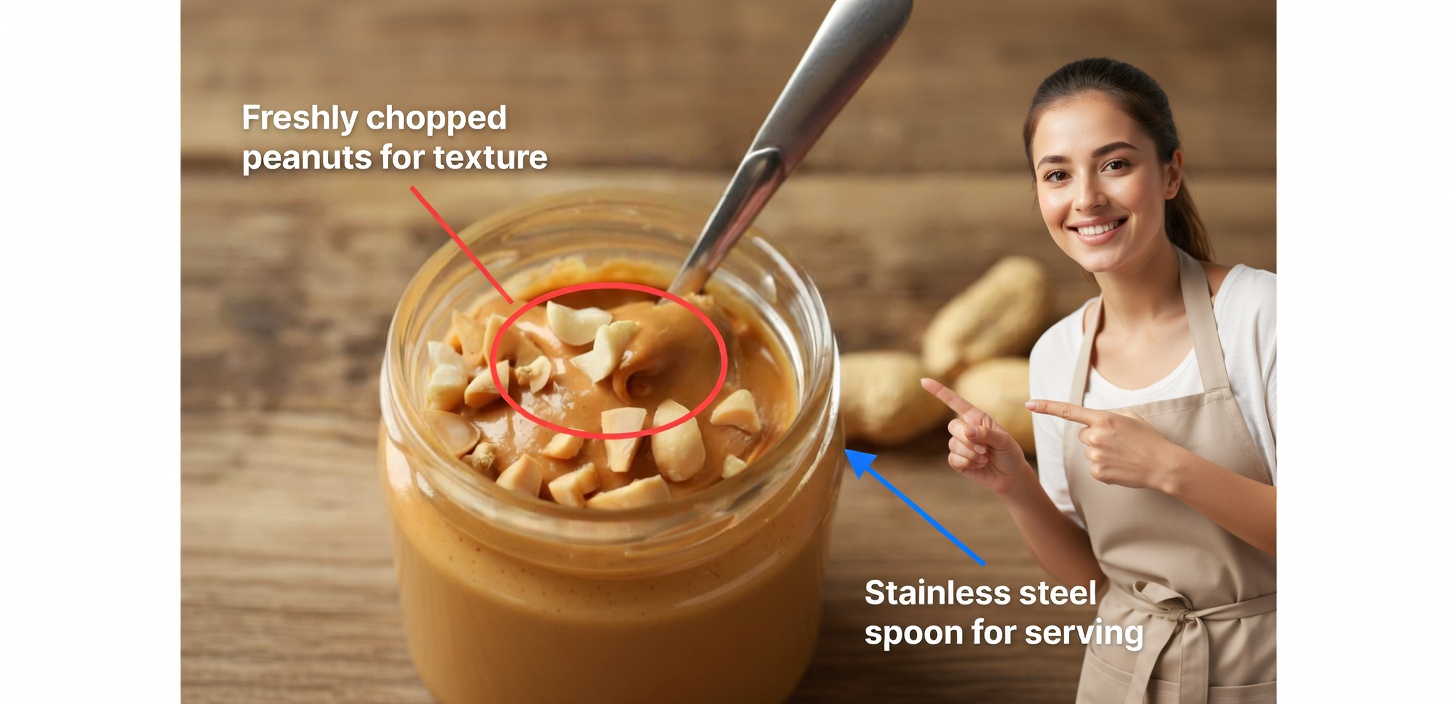
Peanuts
Although peanuts are technically legumes, they are packed with nutrients that may support cognitive health. They contain:
- Protein
- Healthy fats
- Fiber
- Vitamin E
- Resveratrol
Resveratrol is a non-flavonoid antioxidant that may help protect against inflammation and may have a role in lowering the risk of certain cancers and neurological disorders, including Alzheimer’s and Parkinson’s disease.
Frank Sacks, a professor focused on cardiovascular disease prevention, has suggested that diets including peanuts may help reduce age-related cognitive decline. He is involved in the MIND trial, a three-year research study comparing the Mediterranean diet and the DASH diet to better understand their impact on brain health and cognitive aging.
Walnuts
Walnuts are especially notable for their antioxidant properties. Since oxidative stress and inflammation are closely linked to aging and dementia, walnuts may be helpful because they can reduce free radicals and strengthen the body’s antioxidant defenses.
While these findings are promising, researchers still need more long-term studies to fully understand how nuts influence cognition and whether they can delay neurodegenerative disease.
Still, adding nuts to your daily routine is a simple way to increase your intake of valuable nutrients like omega-3 fats and antioxidants.
Best Foods for Brain Health and Dementia Prevention
A brain-friendly eating pattern often reflects the principles of the Mediterranean diet, which is known for helping reduce and manage inflammation.
This style of eating emphasizes:
- Fish
- Fruits
- Vegetables
- Nuts and seeds
- Beans
- Olive oil
- High-fiber foods
- Fewer processed foods
Choosing deeply colored fruits and vegetables can be especially helpful, as they tend to provide more antioxidants and protective nutrients.
Below are several foods that may help slow cognitive decline while also supporting overall health.
1. Oily Fish
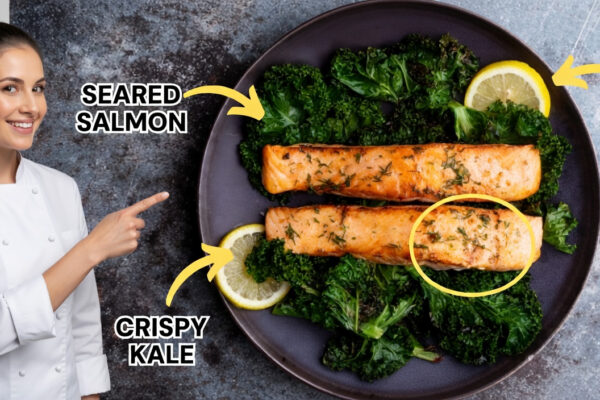
Oily fish are one of the best sources of omega-3 fatty acids, which are essential for brain and nervous system health.
Examples include:
- Salmon
- Mackerel
- Tuna
- Herring
- Sardines
Olive oil can also contribute beneficial fats to the diet.
Omega-3s may help:
- Lower blood pressure
- Reduce LDL (“bad”) cholesterol
- Decrease inflammation
- Support brain and nerve function
2. Dark Chocolate and Berries
Both dark chocolate and berries are rich in antioxidants, which help fight the increase in free radicals that naturally occurs with aging.
Dark Chocolate
Dark chocolate contains flavanols, also known as flavonoids, which may improve blood vessel flexibility. This can support healthy blood pressure and may help reduce the risk of hypertension.
Dark chocolate may also contribute to a lower risk of:
- Heart disease
- Stroke
For the greatest nutritional benefit, choose dark chocolate with 70% cocoa or higher. Keep portion size in mind, as one serving is typically 1 ounce.
Berries
Berries, especially blueberries, are an easy and nutrient-dense snack that may help support brain health.
Blueberries may offer protection against:
- Cardiovascular diseases such as stroke
- Neurodegenerative diseases such as Alzheimer’s disease
3. Whole Grains
Not all grains provide the same nutritional value. Whole grains contain all three parts of the grain kernel:
- Bran
- Germ
- Endosperm
Each part provides important nutrients.
Bran
The bran is the fiber-rich outer layer and contains:
- B vitamins
- Iron
- Copper
- Zinc
- Magnesium
- Antioxidants
- Phytochemicals
Germ
The germ is the nutrient-rich core where growth begins. It contains:
- Healthy fats
- Vitamin E
- B vitamins
- Antioxidants
- Phytochemicals
Endosperm
The endosperm is the inner portion that mainly supplies:
- Carbohydrates
- Protein
- Small amounts of B vitamins and minerals
Because they offer fiber, antioxidants, and important micronutrients, whole grains can be a smart choice for both heart and brain health.
4. Cruciferous Vegetables
Cruciferous vegetables are rich in vitamins, minerals, and plant compounds that may support healthy aging and brain function.
Many of these vegetables provide:
- Folate
- Potassium
- Vitamin A
- Vitamin C
- Phytonutrients
Examples include:
- Broccoli
- Kale
- Cauliflower
- Spinach
- Cabbage
- Brussels sprouts
- Collard greens
- Bok choy
- Turnips
Broccoli and kale are often labeled superfoods because of their dense nutrient content and antioxidant power.
Key Takeaways on Diet and Cognitive Decline
At present, there is no cure for Alzheimer’s disease or dementia. However, while genetics cannot be changed, lifestyle choices may influence how the brain ages.
A diet rich in:
- Omega-3 fatty acids
- Healthy fats
- Antioxidants
and lower in:
- Sweets
- Red meat
- Saturated fats
may support better overall health and may help reduce the risk of obesity and cognitive decline.
Healthy daily habits can offer valuable protection for brain health, including:
- Eating a nutritious diet
- Exercising regularly
- Staying hydrated
- Getting enough sleep
- Managing stress
Before making major dietary changes, it is always best to speak with your doctor or healthcare team to make sure the plan is appropriate for your individual needs.
References
- Beneficial Effects of Walnuts on Cognition and Brain Health. (2020, February 1). PubMed Central (PMC). https://www.ncbi.nlm.nih.gov/pmc/articles/PMC7071526/
- Burgess, L. (2020, January 2). 12 foods to boost brain function. Medical News Today. https://www.medicalnewstoday.com/articles/324044#summary
- Ellis, E. (2020). The Beginner’s Guide to Cruciferous Vegetables. Eatright. https://www.eatright.org/food/vitamins-and-supplements/nutrient-rich-foods/the-beginners-guide-to-cruciferous-vegetables
- The MIND Diet Intervention to Prevent Alzheimer’s Disease – A Collaboration Between Rush University, Harvard T.H. Chan School of Public Health, and Brigham & Women’s Hospital. (2020). MIND. http://mind-diet-trial.org
- A nutty solution for improving brain health. (2019). University of South Australia. https://www.unisa.edu.au/Media-Centre/Releases/2019/a-nutty-solution-for-improving-brain-health/#.XJA-YLhS_V8
- Peanuts may help protect against age-related cognitive decline. (2019, August 22). Harvard T.H. Chan. https://www.hsph.harvard.edu/news/hsph-in-the-news/peanuts-heart-disease-cognitive-decline/
- Raichle, M. E. (2002, August 6). Appraising the brain’s energy budget. PNAS. https://www.pnas.org/content/99/16/10237
- Whole Grains. (2019, November 4). The Nutrition Source. https://www.hsph.harvard.edu/nutritionsource/what-should-you-eat/whole-grains/