
Eating Omega-3 Foods Is Strongly Linked to Longevity
Staying youthful matters more with age, but healthy aging is about much more than simply living longer. The real goal is to remain active, independent, and well as the years go by.
One of the most effective ways to support this process is by increasing your intake of omega-3 fatty acids. That is why researchers, physicians, and dietitians continue to recommend omega-3-rich foods, especially for heart health and brain function.
Omega-3s and Healthy Aging
Strong evidence connects omega-3s with better aging outcomes. A Cardiovascular Health Study published in the British Medical Journal explored whether omega-3 levels were associated with healthy aging.
Researchers followed more than 2,600 adults for 23 years and measured the level of omega-3s in their blood over time. The results showed that people with higher levels of EPA and DHA were more likely to experience healthy aging.

What Are Omega-3 Fatty Acids?
Omega-3s are considered essential fats, meaning your body cannot produce them on its own. You must get them through food.
There are three main types of omega-3 fatty acids linked to health benefits:
- EPA (eicosapentaenoic acid)
- DHA (docosahexaenoic acid)
- ALA (alpha-linolenic acid)
EPA and DHA are found mainly in seafood, while ALA comes from plant-based foods.
Why the Omega-3 to Omega-6 Balance Matters
Healthy aging is influenced not only by how much omega-3 you eat, but also by the balance between omega-3 and omega-6 fatty acids.
Both fats can support health, yet most people consuming a typical Western diet tend to get far more omega-6 than omega-3. This imbalance has been associated with higher inflammation levels and a greater risk of chronic disease.
Because omega-6-rich foods are so common, adding more omega-3 foods to your meals becomes especially important.
3 Ways Omega-3 Fatty Acids May Help Extend Lifespan
1. They Support Heart Health
Research suggests that omega-3 fats may help lower the risk of heart disease and even reduce the chance of sudden cardiac death.
In one study, an early daily intake of just 1 gram of omega-3s was linked with:
- a 25% lower risk of heart disease
- about a 45% lower risk of sudden cardiac death
People who regularly eat fatty fish and seafood may also improve several major cardiovascular risk factors, including:
- lower blood pressure
- reduced triglycerides
- lower LDL cholesterol
- higher HDL cholesterol
2. They Help Reduce Inflammation
Inflammation is a natural defense mechanism that helps the body respond to injury and infection. But when inflammation becomes chronic, it can contribute to cardiovascular disease and other serious conditions.
Studies show that omega-3s have anti-inflammatory properties, making them useful in managing inflammatory and autoimmune conditions. For example, people with rheumatoid arthritis have reported benefits such as:
- less joint stiffness
- reduced need for medication
3. They May Protect Cognitive Function
EPA and DHA play a major role in brain development and normal brain function. As people age, some decline in memory and cognitive performance becomes more common.
With more than 50 million people worldwide living with dementia, many wonder what dietary habits might help slow mental decline.
Evidence indicates that a nutrient-rich diet with plenty of omega-3s may help:
- slow age-related cognitive decline
- support memory and focus
- protect against dementia
The 7 Best Omega-3 Foods for Heart Health and Healthy Aging
If you want to improve your diet, these are some of the top omega-3-rich foods to include.
1. Fatty Fish
Fatty fish is one of the best natural sources of omega-3s. It is high in protein and generally low in saturated fat.
The best options include:
- salmon
- trout
- sardines
- herring
- albacore tuna
- swordfish
- mackerel
These fish are especially rich in EPA and DHA. Many also provide valuable nutrients such as vitamin D and selenium.
Mackerel is a great omega-3 source, but king mackerel contains high levels of mercury, so it should be avoided by pregnant women and young children.
The American Heart Association recommends eating two 3.5-ounce servings of fatty fish per week to gain the benefits of omega-3 fats.
2. Shellfish
Shellfish can also contribute meaningful amounts of EPA and DHA.
Some of the best choices are:
- shrimp
- crab
- lobster
They are also a good source of zinc. In addition, seafood such as oysters, clams, and scallops offers notable omega-3 content.
3. Walnuts
Among tree nuts, walnuts stand out as the best source of ALA omega-3s.
A 1-ounce serving provides about 2.5 grams of ALA, making walnuts one of the top plant-based omega-3 foods. They are also rich in antioxidants, which further support healthy aging.
4. Flaxseeds
Flaxseeds are one of the richest plant sources of ALA.
These small brown seeds have a mild, nutty taste and can be added to many foods, such as:
- cereal
- trail mix
- smoothies
- baked goods
You can use them whole or ground. Even 1 tablespoon (7 grams) can provide meaningful benefits. Flaxseeds are also a great source of fiber.
5. Chia Seeds
Chia seeds are another excellent plant-based source of ALA. They also provide:
- magnesium
- phosphorus
- protein
- fiber
Because of their versatility, chia seeds are easy to include in everyday meals. Try them in:
- yogurt
- salads
- dressings
- smoothies
- chia pudding
A serving of 1 to 2 tablespoons is usually enough.
If you are new to chia or flax, increase your intake gradually. Since both are high in fiber, eating too much too quickly may cause digestive discomfort.
6. Edamame
Edamame is another smart plant-based option for omega-3 intake. In addition to omega-3s, it offers plenty of plant protein.
Edamame works well:
- boiled or steamed
- in salads
- as a snack
- as an appetizer
Other soy foods, especially tofu, also contain omega-3s. Tofu is made from soybean curds and supplies nutrients such as iron and calcium.
7. Algae and Seaweed
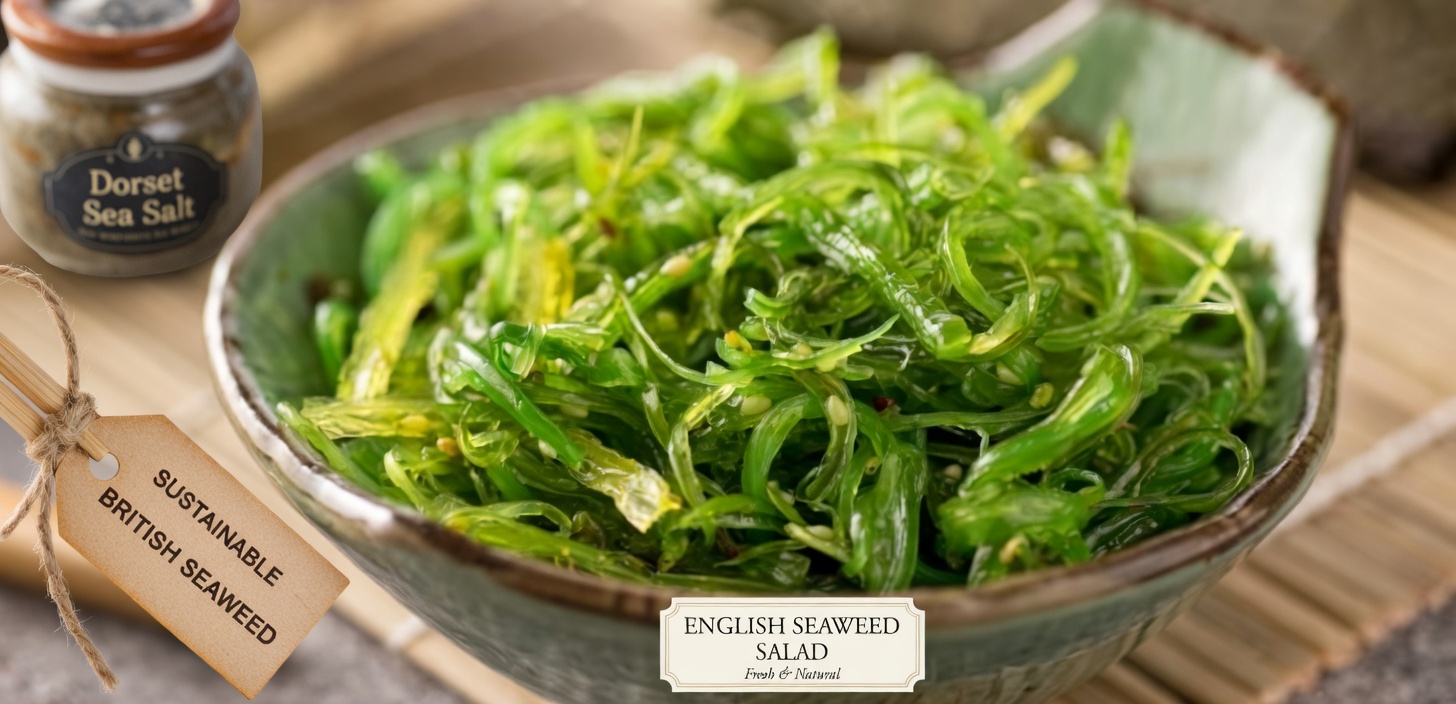
Algae and seaweed are unique because they are among the few plant sources that naturally contain DHA and EPA.
You can enjoy seaweed:
- as a crispy snack
- wrapped around sushi
- as an ingredient in cooking
Algae oil is another concentrated source of omega-3s. Other oils that contain omega-3s include:
- flaxseed oil
- hemp seed oil
- canola oil
- walnut oil
What About Omega-3 Supplements?
Omega-3 supplements have become increasingly popular, especially fish oil capsules made from oily fish tissue.
Supplements may be useful if you:
- do not eat seafood
- follow a vegan diet
- struggle to get enough omega-3s from food alone
However, not all supplements are equal. When choosing one, look for products that provide higher amounts of EPA and DHA and come from trusted brands.
Final Thoughts on Omega-3 Foods
Healthy aging depends on many factors, including strong heart health, better brain function, lower inflammation, and support for bones and joints.
Eating enough omega-3-rich foods on a regular basis is a practical and effective step toward that goal. By including more of the foods listed above, you can better support longevity, wellness, and long-term quality of life.