The Benefits of Vitamin C
Vitamin C, also called ascorbic acid, is a vital nutrient your body needs every day. Because the body cannot produce it on its own, you must get it from food or supplements.
This nutrient supports many important functions, including:
- Acting as an antioxidant to help protect cells from free radical damage
- Supporting the production of collagen, which gives structure to skin, ligaments, bones, and other tissues
- Improving iron absorption, especially from plant foods
- Helping maintain a healthy immune system
- Serving as a cofactor in several essential body processes
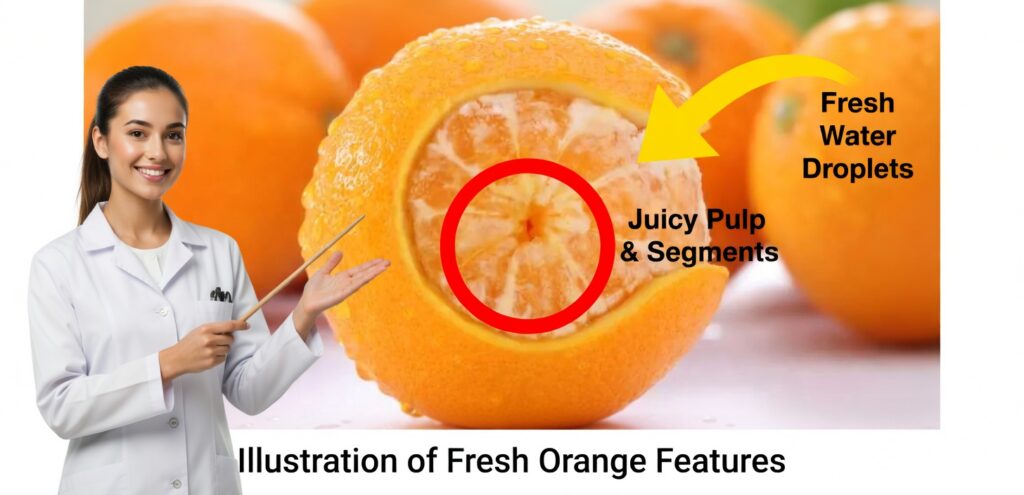
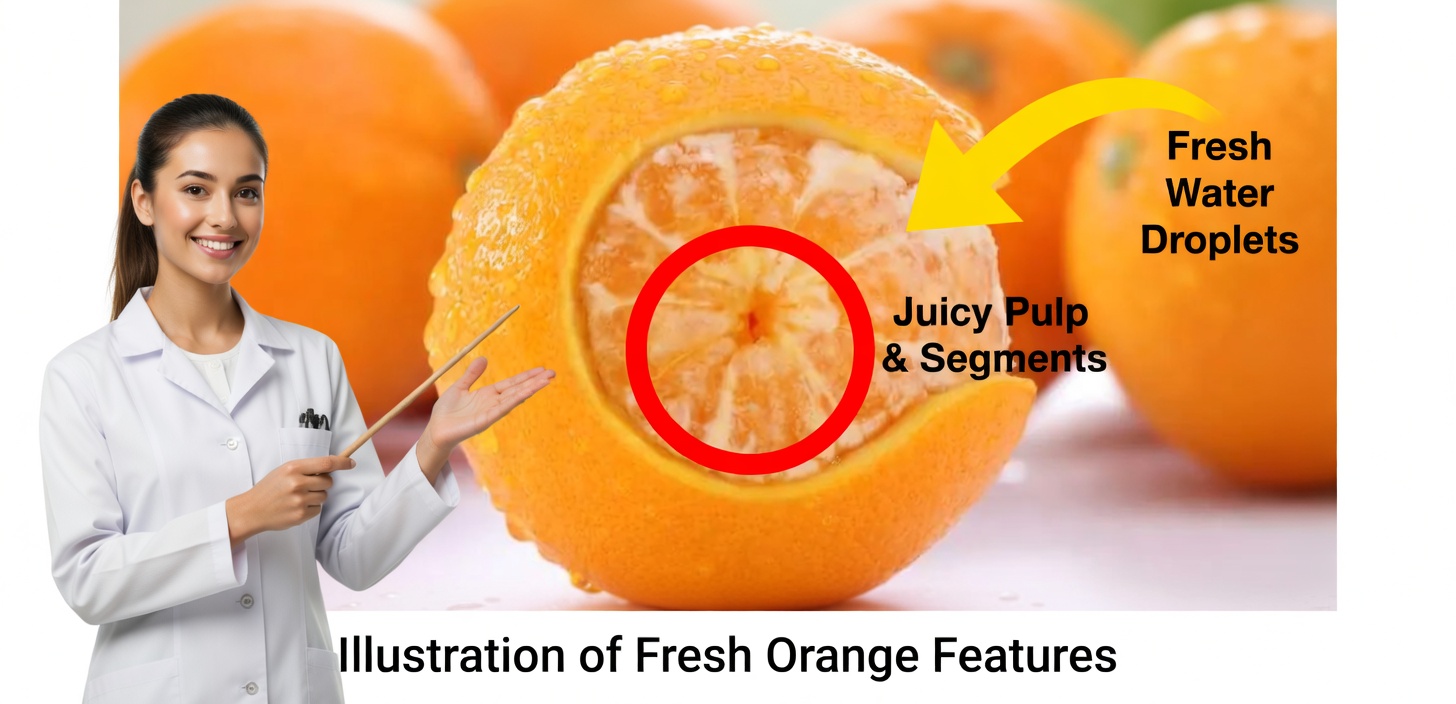
Vitamin C is naturally present in many fruits and vegetables, especially citrus fruits. For most people, meeting the daily requirement through food is not difficult, and vitamin C deficiency is uncommon in the United States.
Even so, supplements are widely used. Many people take vitamin C because friends recommend it, influencers promote it, or they assume that taking more will bring greater benefits.
Before deciding whether a vitamin C supplement is right for you, it is important to look at your current diet, your overall health, and any medical conditions you may have. It is also a good idea to discuss supplementation with your healthcare provider.
This article explains what vitamin C does, when supplements may help, and when they may not be necessary.
How Much Vitamin C Do You Need Each Day?
The National Academy of Sciences provides intake guidelines for essential nutrients, including vitamin C.
The recommended dietary allowance (RDA) for vitamin C generally falls between 65 and 120 milligrams (mg) per day.
Daily recommendations include:
- Men: 90 mg
- Women: 75 mg
- Pregnancy: 85 mg
- Breastfeeding: 120 mg
- Smokers: an extra 35 mg per day, due to increased oxidative stress from smoking
Why Do People Take Vitamin C Supplements?
Vitamin C supplements may help ensure you are meeting your daily needs. They are often used for their possible role in:
- Antioxidant protection
- Immune support
- Iron absorption
- Wound healing through collagen formation
Below are some of the most commonly discussed and researched benefits of vitamin C supplementation.
8 Evidence-Based Benefits of Vitamin C
1. It May Shorten Cold Symptoms
Vitamin C is often marketed as a way to prevent the common cold, but research does not clearly support that claim.
However, some studies suggest it may help reduce how long cold symptoms last. People with lower vitamin C status may benefit more from supplementation in this area.
Because vitamin C supplements are generally affordable and considered safe for most people, some individuals choose to take them when cold symptoms begin. Research also suggests vitamin C may help shorten the duration of pneumonia symptoms in some cases.
2. It May Help Lower Blood Pressure
Some research has found that taking 500 mg of vitamin C daily can reduce blood pressure, especially in people who already have hypertension.
That said, the effect does not appear to be as strong as the improvements seen with a heart-healthy eating pattern such as the DASH diet. For the best blood pressure control, supplements should be viewed as part of a broader strategy that includes:
- Healthy eating
- Regular exercise
- Weight management
- Medical guidance when needed
3. It May Support Heart Health
Vitamin C supplements may help lower certain risk factors linked to heart disease.
Some studies have found that taking 500 mg per day reduced:
- LDL cholesterol (“bad” cholesterol)
- Triglycerides
Since high LDL cholesterol is a major risk factor for heart disease, this has attracted attention. However, not all studies have found the same benefits. Some reviews show little or no effect on cholesterol levels overall.
Researchers suggest certain groups may benefit more than others, particularly people with:
- Higher body mass index (BMI)
- Elevated blood sugar
- Higher cholesterol levels
- Low or borderline vitamin C status
There is also evidence that vitamin C may improve endothelial function, meaning it may help the lining of blood vessels work better, especially in people with cardiovascular risk factors.
4. It Improves Iron Absorption
Vitamin C plays an important role in helping the body absorb iron, especially non-heme iron from plant foods.
Adequate vitamin C intake can increase absorption of plant-based iron by two to four times. This is especially relevant for:
- Vegetarians
- Vegans
- People eating more plant-based meals
Vitamin C also helps with the absorption of folate, another important nutrient.
5. It May Lower Uric Acid and Gout Risk
Vitamin C supplementation has been linked to a lower risk of gout.
Studies show that taking 500 mg daily may help lower serum uric acid levels. Since elevated uric acid is a major risk factor for gout, this may be one way vitamin C supports joint health.
6. It May Help Protect Brain Function With Age
Some studies associate vitamin C supplementation with a lower rate of cognitive decline and Alzheimer’s disease.
Other research suggests that simply maintaining healthy vitamin C levels through diet may help protect the brain as people age. In many cases, preventing deficiency may be more important than adding supplements to an already nutrient-rich diet.
Still, findings on antioxidants and brain function are mixed, so more research is needed before drawing strong conclusions.
7. It May Help Reduce Inflammation
Vitamin C does not appear to prevent diabetes or consistently improve insulin resistance, based on current research.
However, some studies have found that taking 500 mg twice daily in people with diabetes lowered markers of inflammation, including:
- C-reactive protein (CRP)
- Interleukin-6 (IL-6)
In some cases, supplementation was also linked to improvements in:
- Fasting blood glucose
- LDL cholesterol
- Triglycerides
These results are promising, but more studies are needed.
8. It May Support Eye Health as You Age
Research suggests that vitamin C, when taken with other antioxidants and minerals such as vitamin E, beta-carotene, and zinc, may help reduce the risk of age-related macular degeneration.
Vitamin C may also offer some protection against cataracts, although more evidence is still needed.
Best Food Sources of Vitamin C
Vitamin C is found mainly in fruits and vegetables. In many cases, just one serving of a vitamin C-rich food can meet your daily needs.
Examples of foods that provide high amounts of vitamin C per 1-cup serving include:
- Kiwi: 164 mg
- Red bell pepper: 190 mg
- Tomato juice: 72 mg
- Orange slices: 95.8 mg
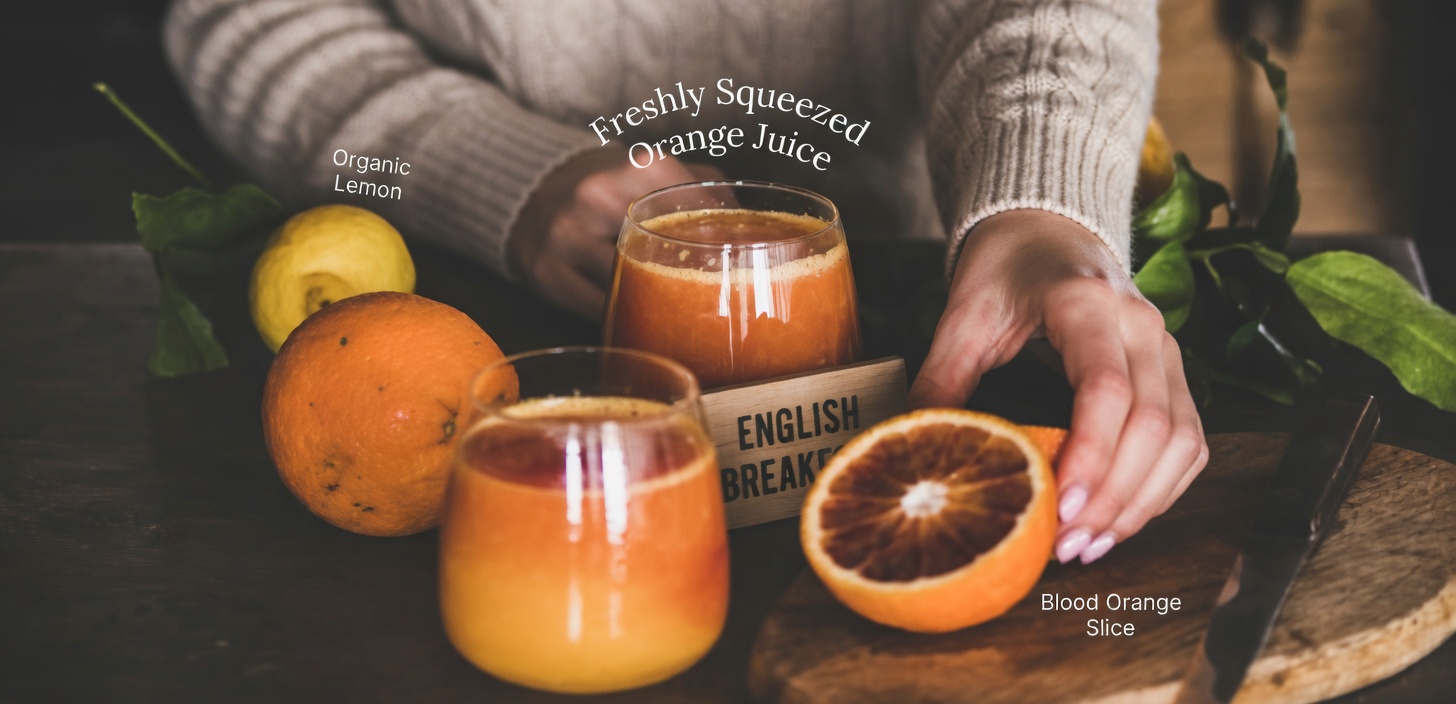
- Orange juice: 72 mg
- Strawberries, halved: 89.4 mg
Other good sources include:
- Green bell peppers
- Grapefruit
- Oranges and other citrus fruits
- Papaya
- Broccoli
- Cantaloupe
- Mango
- Cabbage
- Tomatoes
- Collard greens
Does Vitamin C Give You Energy?
Vitamin C does not supply energy in the form of calories.
However, it does support many chemical reactions in the body, and that can indirectly influence how well your body functions. Because it helps with iron absorption and other processes, healthy vitamin C levels may contribute to feeling well overall.
One reason people sometimes associate vitamin C with energy is that vitamin C deficiency can cause symptoms similar to low energy, such as:
- Fatigue
- Anemia
- Poor collagen formation
- Loss of appetite
So while vitamin C is not an energy booster in the traditional sense, having enough of it is still important for normal body function.
Should You Take a Vitamin C Supplement?
For many people, getting enough vitamin C from food is realistic and effective. A balanced diet rich in fruits and vegetables is usually enough to meet daily needs.
Supplementation may be worth considering if you:
- Eat very few fruits and vegetables
- Smoke
- Follow a diet that may be low in vitamin C
- Have higher nutrient needs due to pregnancy or breastfeeding
- Have a condition that affects nutrient intake or absorption
In general, the best approach is to first evaluate your diet and health status, then speak with a healthcare professional if you are unsure.
Final Thoughts
Vitamin C is an essential nutrient with many important roles in the body, from immune support and collagen production to iron absorption and antioxidant protection.
Although deficiency is uncommon in the U.S., supplements may still be helpful in certain situations. Research suggests vitamin C may help with cold duration, blood pressure, heart health, iron absorption, inflammation, gout risk, brain aging, and eye health, though some of these benefits depend on the individual and the quality of their overall diet.
If you already eat plenty of vitamin C-rich foods, you may not need a supplement. But if your intake is low or your needs are higher, vitamin C supplementation may be a practical option.