Harmful Habits That Can Lead to Belly Fat
Belly fat is more than a cosmetic concern. It can seriously affect your health.
Fat in the abdominal area can build up both under the skin and around internal organs. This type of fat is linked to a higher risk of heart disease, type 2 diabetes, and other chronic conditions.
The encouraging part is that you can do something about it. Once you recognize the everyday habits that may be contributing to stubborn belly fat, it becomes easier to make healthier choices.
Common causes of belly fat include a poor diet, low physical activity, stress, and other lifestyle patterns. Better nutrition, more movement, and small sustainable changes can make a real difference.
The first step is simple: identify the habits working against you and replace them with healthier ones that support weight management and long-term wellness.
The Worst Habits That Cause Belly Fat
1. Drinking Too Many Sugary Beverages
Many people underestimate how much sugar and how many calories are hidden in drinks.
Sweetened beverages often contain simple sugars like fructose and glucose. In small amounts, these sugars are not harmful, but frequent overconsumption may encourage fat storage around the abdomen.
Sugary drinks can quietly become part of your daily routine and are often ignored as a source of excess calories. Common examples include:
- Soda
- Fruit juice
- Sports drinks
- Energy drinks
- Sweetened tea
- Flavored milk
- Homemade sugary drinks
One of the most overlooked examples is specialty coffee.
Plain coffee is naturally very low in calories, but flavored coffee drinks made with whole milk, syrups, whipped cream, and toppings can become extremely calorie-dense. A small café latte or similar drink may contain hundreds of calories, while a large version can rival the calorie content of one or even two meals.
These drinks may also reduce fullness, encourage fast sugar absorption, and make it easier for the body to store extra energy as abdominal fat.
A smart habit is to check nutrition labels or restaurant websites for calorie and sugar information before ordering your favorite drink. Many people are surprised by what they find.
Better beverage choices for reducing belly fat include:
- Water
- Infused water with fruit or vegetables
- Black coffee
- Unsweetened tea
2. Not Eating Enough Whole Foods
If your meals are built mostly around packaged, refined, and heavily processed foods, you are likely missing out on the benefits of whole foods.
Cutting back on fast food, sugary cereals, candy, pastries, cakes, and other ultra-processed items is an important step toward healthier eating.
In general, the closer a food is to its natural form, the better it is for your body.
At home or when dining out, try to include more whole grains. These foods provide complex carbohydrates, which support brain and body function. They also contain fiber, which helps regulate blood sugar, supports digestion, and promotes healthy bowel function.
What Counts as a Whole Grain?
A whole grain contains all parts of the grain seed in their natural proportions. Even if the grain is rolled, crushed, or cooked, it should still provide the same key nutrients as the original grain.
Examples of Whole Grains
- Barley
- Rye
- Wheat
Gluten-Free Whole Grains
- Buckwheat
- Corn
- Oats
- Quinoa
- Rice
Whole foods also include a wide range of vegetables and fruits. Good examples are:
- Leafy greens
- Tomatoes
- Avocados
- Onions
- Garlic
- Carrots
- Potatoes
- Eggplant
- Bananas
- Mangoes
- Oranges
- Kiwis
Healthy fats from plant sources are generally a better option than many animal-based fats. Plant proteins are also an excellent choice. If you do eat animal protein, choosing lean options is the better strategy.
Some people rely on supplements to compensate for a low-quality diet, but pills cannot fully replace the balance of nutrients found naturally in whole foods.
3. Not Getting Enough Protein
Protein from plant or animal sources helps you feel full and satisfied after eating. When your diet is too low in protein, it can be harder to control hunger, and cravings may last longer.
As a result, you may end up eating more carbohydrates and more total calories, which can contribute to belly fat.
Protein also supports metabolism and can make it easier to manage calorie intake throughout the day.
Examples of Animal Protein
- Beef
- Chicken
- Eggs
- Fish
- Milk
- Cheese
- Yogurt
- Kefir
- Pork
- Turkey
Examples of Plant Protein
- Beans
- Chickpeas
- Lentils
- Nuts
- Seeds
When choosing animal protein, lean cuts are best. Lean protein means there is little visible fat within or around the meat.
Helpful habits include:
- Removing chicken skin before cooking or eating
- Trimming visible fat from meat
- Avoiding deep frying whenever possible
These simple changes can lower calorie intake and support a healthier body composition.
4. Living a Sedentary Lifestyle
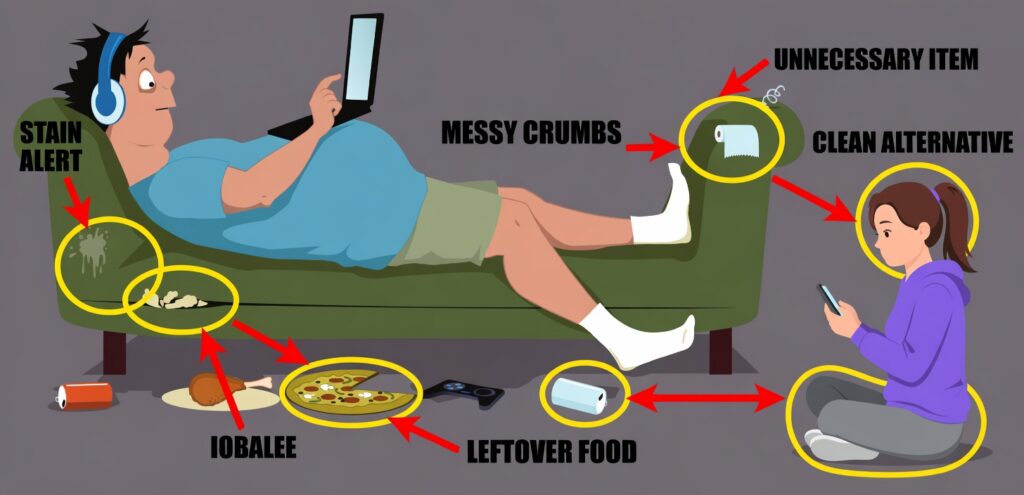
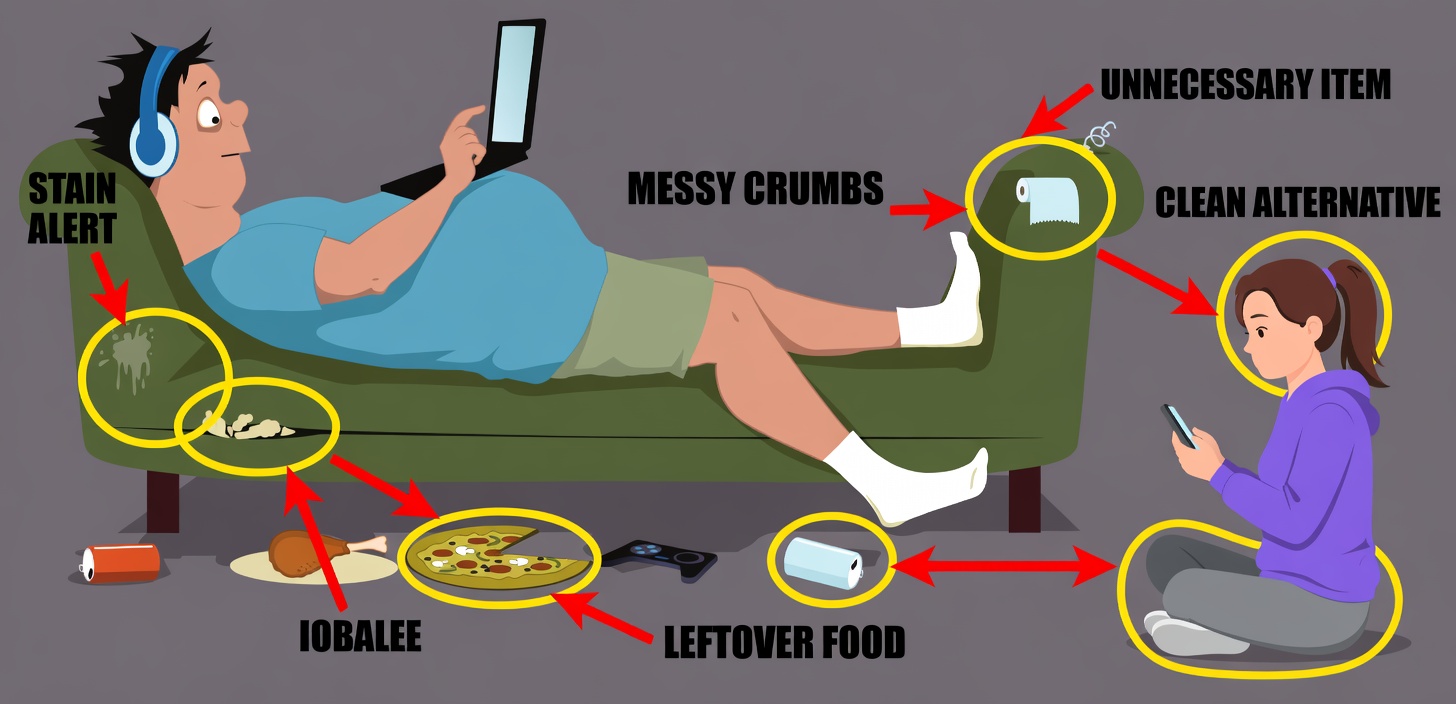
Sitting for long periods at work or spending most of the day inactive can make belly fat harder to lose. A sedentary lifestyle also increases the chance of frequent snacking without enough movement to use those extra calories.
Everyone stores body fat differently. Some people carry more weight around the stomach, while others gain more around the hips and thighs. However, belly fat deserves special attention because of the two different forms it can take.
Types of Belly Fat
-
Subcutaneous fat
This is the fat located just under the skin. It is the most visible type and often the one people notice first. -
Visceral fat
This fat is stored deeper in the abdominal cavity and surrounds internal organs. It is less visible but much more dangerous to health.
Visceral fat is strongly associated with a greater risk of metabolic problems and other serious diseases.
A lack of exercise can make overall weight loss more difficult, especially when it comes to reducing abdominal fat.
Easy Ways to Increase Physical Activity
- Stand up at least once every hour
- Do light stretches during the workday
- Add walking to your routine
- Try aerobic exercise
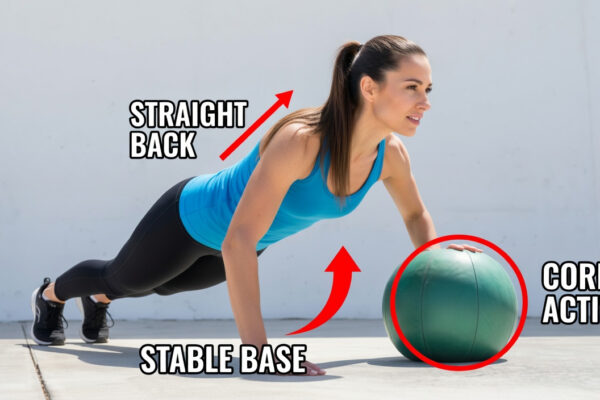
- Include core-strengthening movements like planks or crunches
- Join a gym if that helps you stay consistent
Exercise can help burn calories, strengthen your midsection, improve mood, and support better overall health.
For some people, working with a personal trainer is a useful investment. While many know basic abdominal exercises, they may not know how to create a safe and effective full-body routine. A trainer can help you choose the right combination of workouts for your goals and fitness level.
Two Effective Training Methods
- Resistance training: can include resistance bands, machines, or water-based resistance exercises
- Strength training: often uses dumbbells, plates, or weight machines to build strength and endurance
Both forms of training offer benefits beyond weight loss. Regular exercise may help:
- Reduce inflammation
- Improve blood sugar control
- Boost metabolism
- Support heart health
- Enhance overall well-being
5. Eating Large Portions
Even healthy food can become a problem when portions are too large.
Eating oversized meals can lead to excess calorie intake without you realizing it. Over time, this habit may contribute to weight gain and increase the risk of obesity and related health problems.
Large portions are especially common when eating out, snacking from big packages, or eating while distracted by screens.
When you regularly eat more than your body needs, the extra energy is stored as fat, including fat around the waistline.
Tips to Manage Portion Sizes
- Use smaller plates and bowls
- Serve food in the kitchen instead of eating from the package
- Read serving sizes on labels
- Eat slowly and pay attention to fullness cues
- Avoid distractions while eating
- Start meals with vegetables or lean protein to improve satiety
Controlling portions does not mean starving yourself. It means eating the amount your body actually needs.
Final Thoughts
Belly fat does not appear overnight, and it usually does not go away with one quick fix. It is often the result of daily habits that build up over time.
If you want to reduce belly fat, focus on the areas that matter most:
- Cut back on sugary drinks
- Eat more whole foods
- Include enough protein
- Move your body more often
- Watch portion sizes
Small changes practiced consistently can lead to meaningful improvements in your waistline, energy levels, and overall health.