
Hot Shower or Cold Shower: Are Cold Showers Good for Men?
For many people, a steaming shower feels like the perfect way to recover after a tiring day.
Hot showers, along with saunas and steam rooms, are popular forms of hydrotherapy because they feel soothing, comforting, and relaxing.
But there is an important question worth asking: can the temperature of your shower affect your health?
A growing body of research suggests that cold showers may offer several health benefits. Cold water therapy is not a new trend either. Variations of it have been practiced for centuries, and interest in cold exposure continues to rise around the world.
So, are cold showers really worth it?
Cold Water Therapy: Traditional and Modern Methods
Cold water therapy is a branch of naturopathy that became more widely studied and practiced from the late 19th century into the 20th century, and it remains popular today.
Different approaches to cold exposure have developed over time, including:
- The Scottish shower, which starts with very hot water and finishes with about one minute of icy cold water
- The Wim Hof Method, which combines breathing exercises, cold exposure, and mental commitment
- Ice immersion therapy, using specialized tubs designed to maintain near-freezing temperatures
- Misogi, an ancient Japanese ritual involving standing under a freezing waterfall for spiritual purification
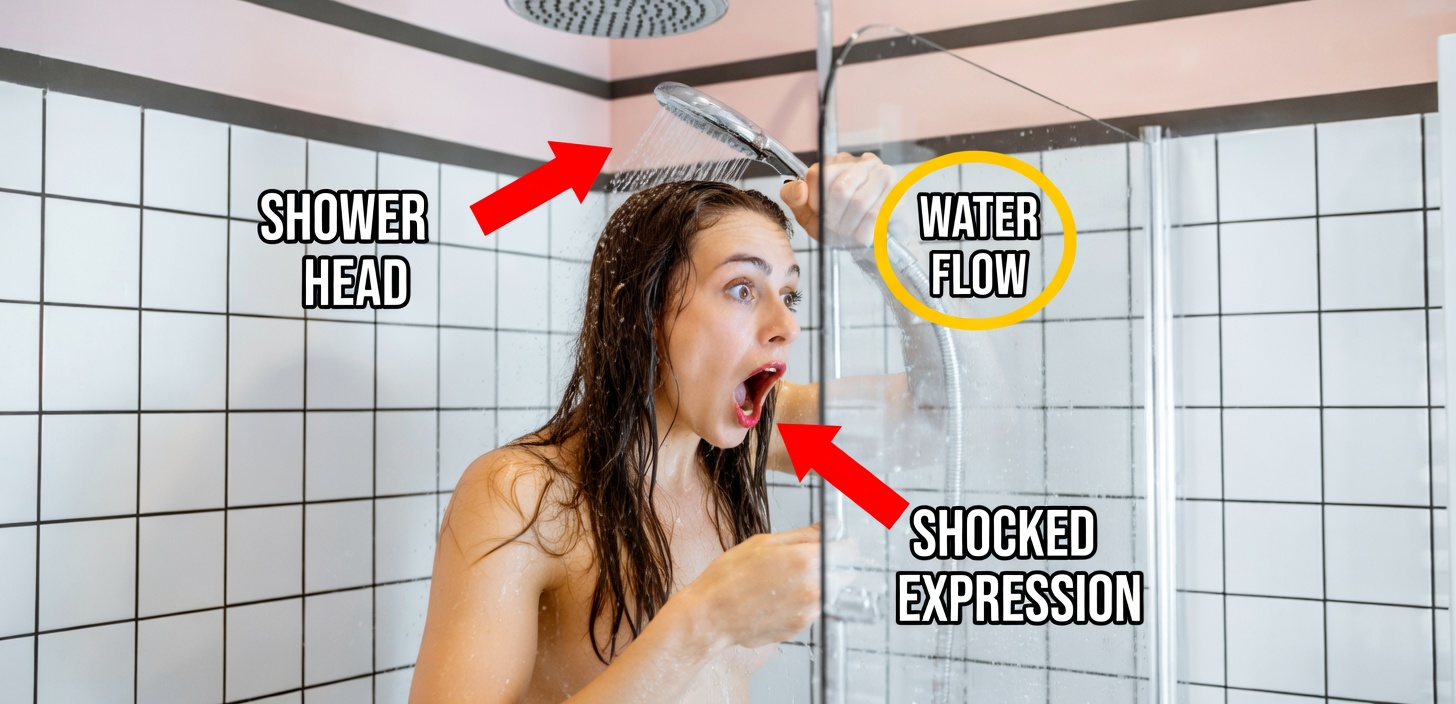
Cold and hot water treatments were also used in ancient Greece for muscle discomfort, joint pain, relaxation, and social bathing.
Today, many people want to know one thing in particular: what do cold showers actually do for men?
Commonly discussed cold shower benefits include:
- a temporary metabolism boost
- reduced inflammation
- improved mood
- better recovery after physical strain
- stronger immune support
- possible effects on testosterone and fertility
Many of these potential advantages may apply to both men and women.
Let’s look more closely at what the science says.
Can Cold Showers Increase Metabolism and Support Weight Loss?
Beyond helping you cool down in summer, a cold shower in the morning may slightly stimulate metabolism.
A 2009 study connected cold exposure with activation of brown fat, also called brown adipose tissue. This type of fat helps regulate body temperature.
Unlike white fat, which stores energy and can contribute to weight gain when it builds up excessively, brown fat burns energy to generate heat. When your body gets cold, brown fat starts breaking down sugar and fat molecules to warm you up. This process can raise energy expenditure and trigger other metabolic responses.
Exercise may also help activate brown adipose tissue.
That sounds encouraging, but there is an important reality check: cold showers alone are unlikely to create enough metabolic change to produce major weight loss. For meaningful fat loss, healthy eating and regular physical activity are still far more effective.
Still, metabolism is only one part of the conversation. Cold showers have several other proposed benefits.
Benefits of Cold Showers for Men
1. They may help reduce the risk of illness
Some studies suggest that short cold showers may support immune function.
One randomized controlled trial from the Netherlands found that healthy adults who added cold showers to their routine reported 29% fewer sick days over a three-month period.
Researchers believe cold exposure may improve the performance of the:
- lymphatic system
- circulatory system
- immune response
The lymphatic system plays a major role in defending the body against illness. When it functions well, immune defenses may also work more efficiently.
Cold showers may also help lower inflammation. Exposure to cold causes blood vessels to constrict, which can reduce:
- swelling
- muscle soreness
- localized inflammation
- discomfort in irritated tissues
This is one reason cold exposure is often used for post-exercise recovery.
2. They may improve stress resilience
If you have ever stepped into freezing water, you know the body reacts immediately. The shock can feel intense, and your stress response kicks in fast.
Surprisingly, regular cold exposure may actually help the body manage stress better over time.
Cold hydrotherapy is believed to encourage the release of endorphins, the brain chemicals associated with improved mood and reduced discomfort. These are often called the body’s “feel-good” chemicals.
As a result, cold showers may help with:
- stress management
- anxiety symptoms
- mental alertness
- energy levels
There is also some evidence that cold exposure may help lower cortisol, the hormone most closely linked to stress.
3. Do cold showers boost testosterone?
This is one of the most talked-about claims related to cold showers for men.
Low testosterone can contribute to symptoms such as:
- lower sex drive
- erectile dysfunction
- depressed mood
- low energy
- reduced muscle mass
Because of this, many people believe replacing hot showers with cold ones can naturally raise testosterone and improve sperm production.
However, the evidence is mixed.
Some claims suggest cold exposure may increase serum testosterone levels or fertility without medication. But research has not strongly confirmed this. In fact, one study from 1991 found that cold water exposure immediately after exercise actually reduced testosterone levels, while exercise itself increased total testosterone.
The same caution applies to sperm count. The testicles are designed to stay at an ideal temperature for sperm health, and sperm are known to be sensitive to heat. That is why prolonged exposure to high temperatures from:
- hot baths
- very hot showers
- saunas
- hot tubs
may negatively affect fertility.
If you are trying to conceive, it is wise to avoid keeping the testicles in water above 100°F for long periods.
Cold exposure, on the other hand, does not appear to significantly improve sperm count or hormone levels such as luteinizing hormone. It may help prevent heat-related damage, but it does not seem to offer a major long-term fertility boost.
4. Can cold showers help with erectile dysfunction?
There has been ongoing discussion about whether cold therapy might help with erectile dysfunction.
Part of this idea comes from the belief that cold exposure could raise testosterone. Another theory is that improved circulation might support better blood flow.
However, this area still lacks strong evidence. While cold therapy may influence blood circulation, it is not considered a proven treatment for erectile dysfunction.
In practice, conventional medical care remains the better option for managing E.D.
5. They may be better for skin and hair than hot showers
Hot water is often blamed for worsening skin and hair issues, and there is good reason for that.
Frequent hot showers can strip away natural oils and may aggravate conditions such as:
- eczema
- psoriasis
- rosacea
- acne
Hot water can also dry out:
- the skin
- the scalp
- hair cuticles
This may leave skin feeling irritated and hair looking dull or brittle.
Cold or cooler water may be gentler by comparison. Although more research is still needed, current evidence leans toward the idea that colder water may help preserve the skin barrier and reduce dryness better than very hot water.
Final Thoughts on Cold Showers for Men
Cold showers have been used for centuries, and modern interest in cold therapy keeps growing. Research suggests they may offer benefits such as:
- mild metabolic stimulation
- reduced inflammation
- improved recovery
- better stress tolerance
- possible immune support
- less irritation for skin and hair compared with hot water
That said, not every popular claim holds up equally well. The evidence for major effects on testosterone, sperm count, fertility, or erectile dysfunction remains limited.
In other words, cold showers may be a helpful wellness habit, but they are not a miracle cure.
If you enjoy them and feel better afterward, they may be worth adding to your routine. Just keep your expectations realistic and remember that for long-term health, the basics still matter most: good nutrition, regular exercise, quality sleep, and proper medical care when needed.