How to Strengthen Weak Knees and Reduce Knee Pain
Have you, or someone close to you, experienced knee instability, sudden knee weakness, knee osteoarthritis, or other common signs of knee trouble?
You may also have wondered why injuries such as an ACL tear, PCL tear, or other knee damage can be so serious, especially for athletes.
This guide explains the anatomy and function of the knee, along with practical ways to build stronger knees, ease discomfort, and lower the risk of injury. These healthy habits and exercises can benefit people of all ages.
Your knees are among the most important joints in the body. They support daily movement and often carry heavy physical demands, which also makes them vulnerable to stress and injury.
Knee Anatomy: Why This Joint Matters
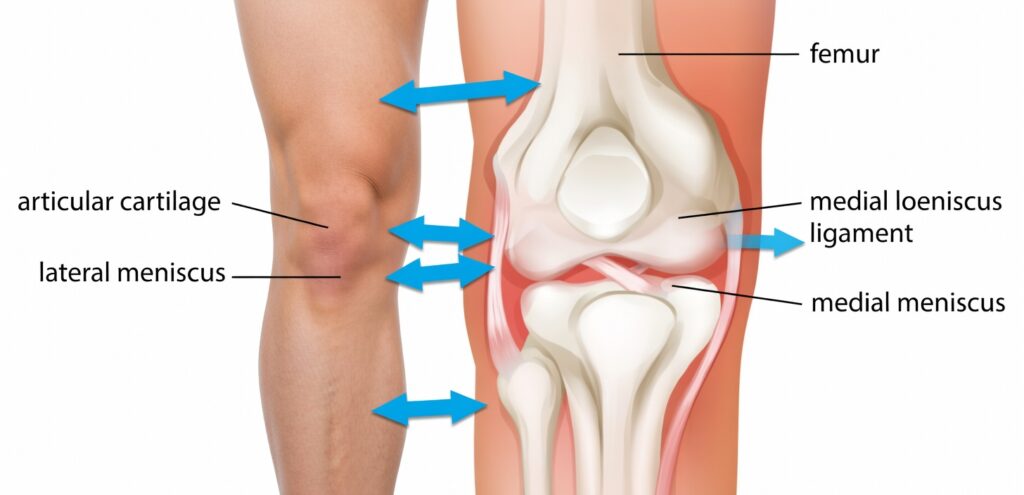
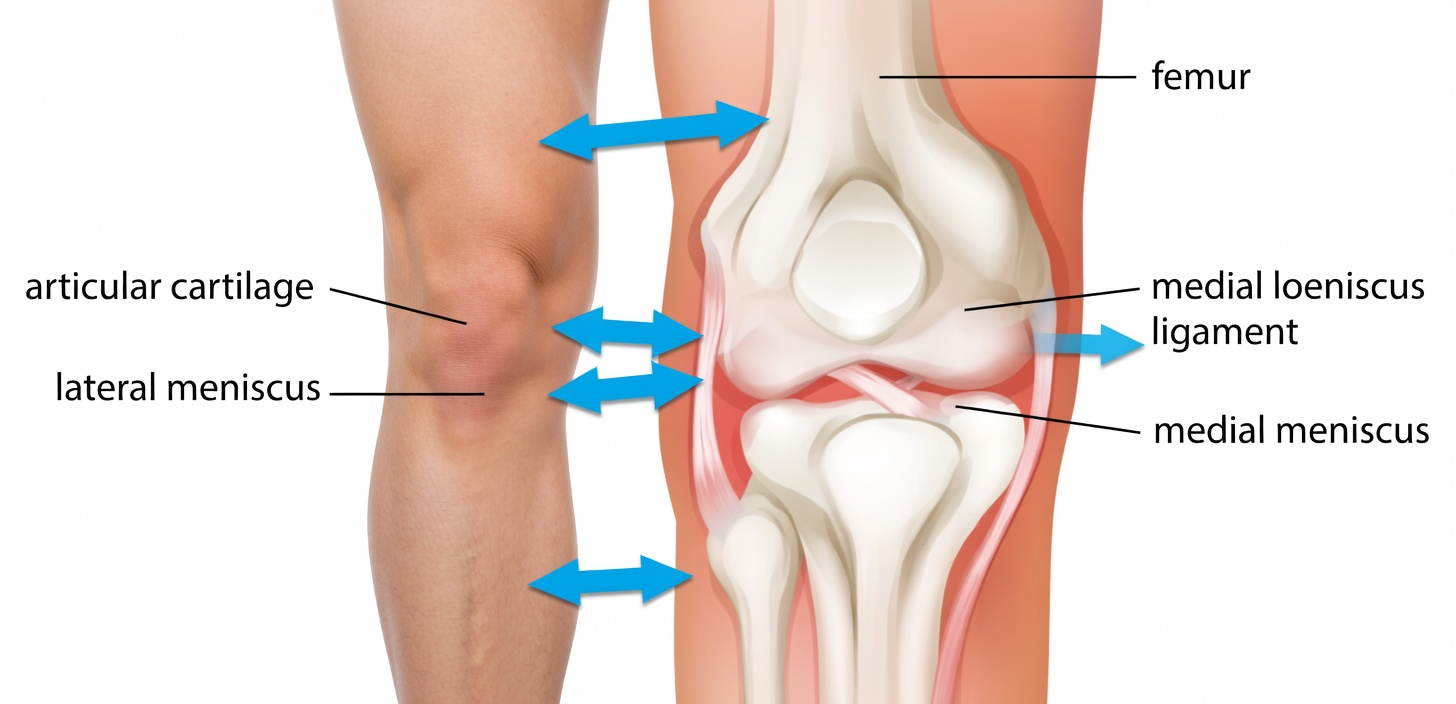
The knee is a complex hinge joint. Its main job is to allow the leg to bend and straighten, while also helping the body absorb impact during movement.
Although it may seem simple from the outside, the knee is built from many structures working together, including:
- Bones
- Muscles
- Tendons
- Ligaments
- Nerves
- Cartilage
- Blood vessels
The major bones that form the knee joint are:
- Tibia
- Fibula
- Patella (kneecap)
- Femur (thigh bone)
Because the knee does so much work, it can be affected by a range of conditions if not cared for properly, including:
- Osteoarthritis
- Rheumatoid arthritis
- Inflammation
- Swelling
- Femoral neuropathy
Good knee care may help reduce these issues and also limit everyday problems such as tight muscles, soreness, and reduced mobility.

Before You Begin: Important Facts About Knee Pain
Knee pain is extremely common. Research shows that:
- Nearly one-third of Americans live with chronic pain
- Knee injuries are one of the leading causes of that pain
- Around 15% to 20% of adult men report knee pain, and the number is even higher among women
- Many knee injuries are linked to excess body weight on the joint or poor movement technique during exercise or activity
These numbers make one thing clear: knee pain is widespread, but it is not something you should simply ignore.
With the right training approach, proper movement habits, and smart recovery, you can:
- Strengthen the muscles around the knee
- Improve knee stability
- Reduce your long-term injury risk
- Help manage or prevent ongoing pain
Before trying any new knee strengthening routine, it is best to seek guidance from a:
- Doctor
- Physical therapist
- Certified personal trainer
Medical clearance is especially important if you suspect an underlying issue that could affect your knee health. A qualified professional can assess your current condition and help you exercise safely.
Key Training Guidelines for Weak Knees
Starting a new fitness routine can be helpful, but it should be done carefully. Keep these principles in mind.
1. Start Slowly
Give yourself time to learn each movement correctly. Begin with light resistance or body weight only, then increase difficulty gradually as your strength and confidence improve.
Proper form comes first. Once your technique is solid, you will be in a much better position to safely handle more repetitions or heavier loads.
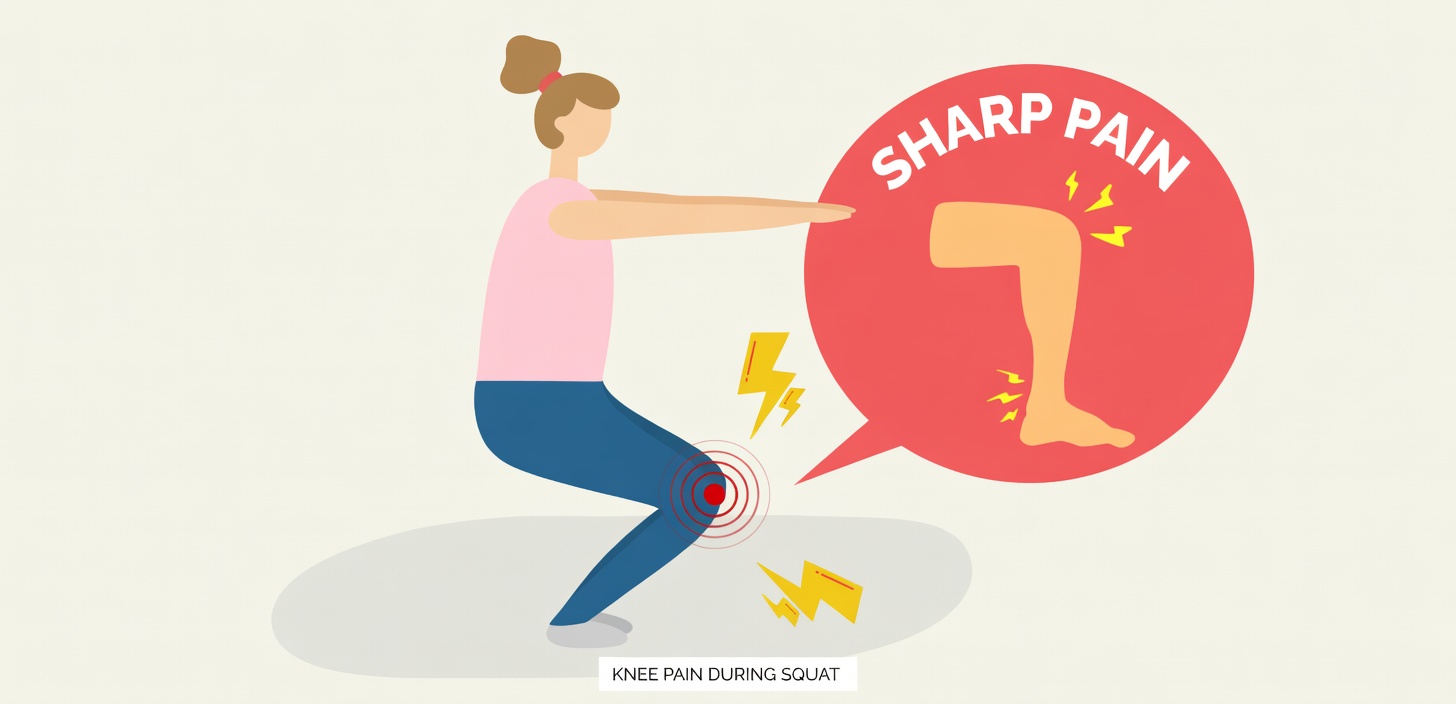
2. Do Not Ignore Sharp Pain
Exercise should challenge you, but it should not cause acute or stabbing pain.
Some mild discomfort from effort is normal. Sharp pain is not.
You may feel warning pain in areas such as:
- The kneecap
- Shinbone
- Hamstrings
- Front of the thigh
- Glutes
- Calves
If that happens:
- Stop the exercise
- Try a pain-free modification if appropriate
- Seek medical advice if the pain continues
3. Avoid Overtraining
Doing too much too soon is one of the fastest ways to create injury.
Overuse, poor form, and heavy resistance can all place too much stress on the knee. Signs you may be pushing too hard include:
- Excessive muscle soreness
- Tightness that affects performance
- Lingering fatigue
- Reduced movement quality
4. Ask for Expert Help
If you are unsure how to perform an exercise, ask a professional. Learning the correct movement from a physical therapist or knee specialist is far better than repeating poor technique and risking injury.
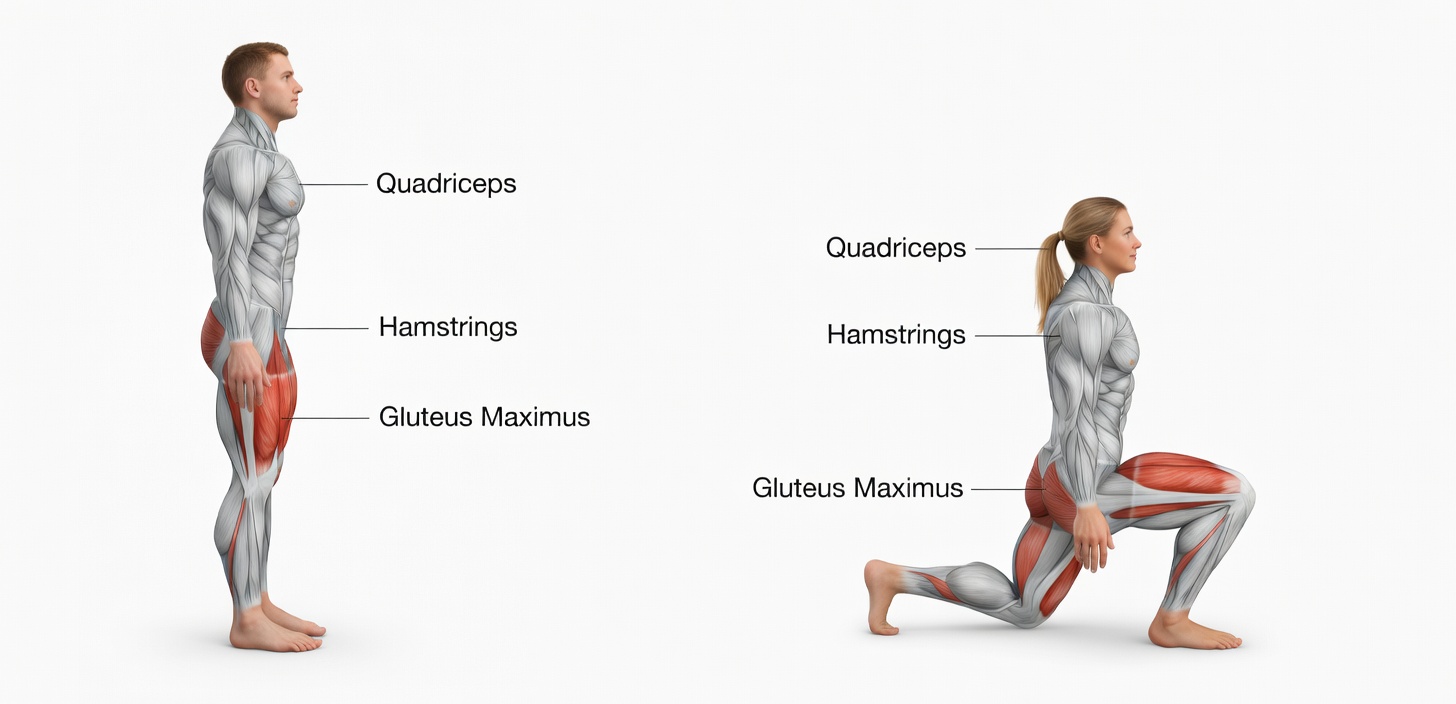
The Best Types of Exercise for Knee Strength
Healthy knees need more than one type of training. To build strong, resilient joints, it helps to include a mix of:
- Strength training
- Bodyweight exercises
- Stretching and mobility work
- Cardiovascular exercise
This combination supports the knee in several ways:
- Builds stronger muscles around the joint
- Improves bone strength
- Enhances balance and stability
- Increases flexibility and range of motion
- Helps lower the chance of strains and overuse injuries
- Improves heart and lung function, which boosts overall endurance
The exercises below are not the only useful options, but they are effective, beginner-friendly, and widely used for better knee support.

1. Squats
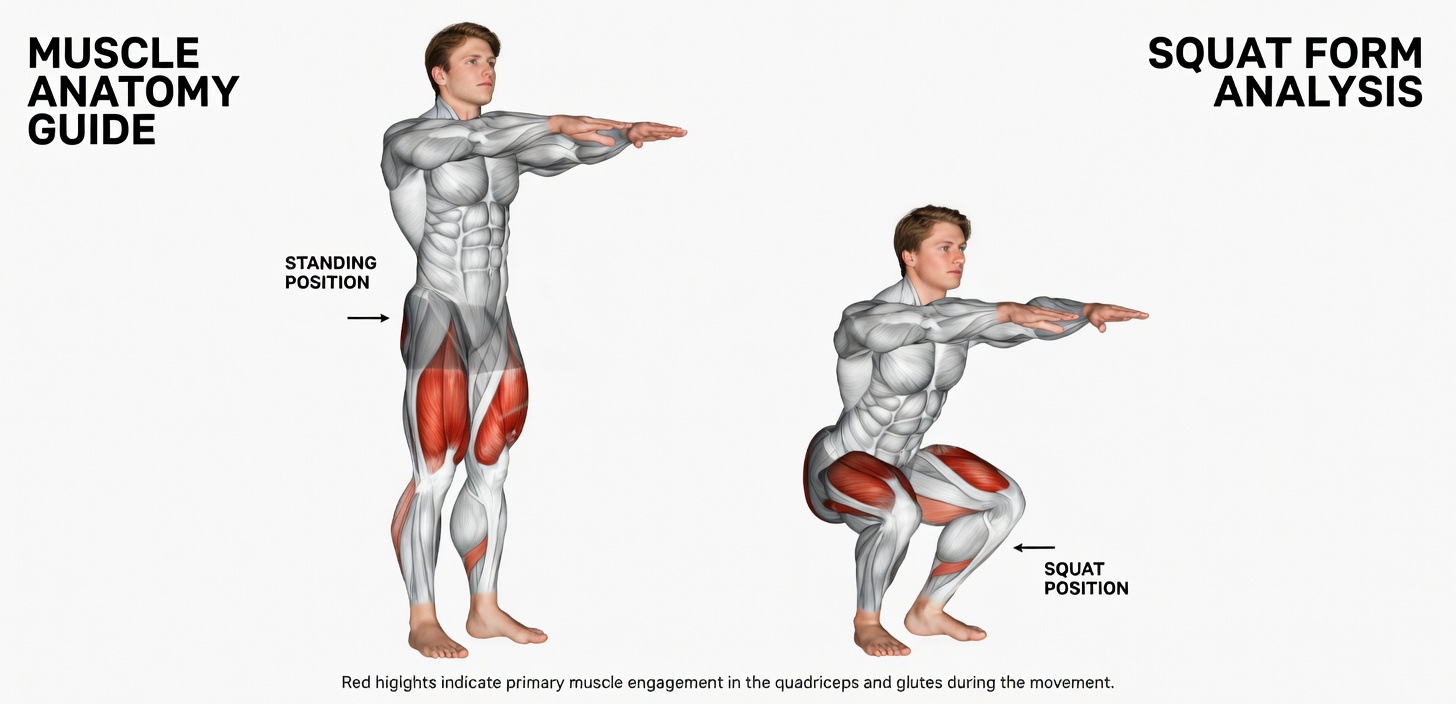
The squat is one of the most effective lower-body movements for improving knee strength and reducing knee pain.
It targets several key muscle groups, including:
- Glutes
- Hips
- Quadriceps
- Hamstrings
Because these muscles help support the knee joint, stronger legs often mean better stability and less knee stress.
How to Do a Squat
- Begin by holding a weight safely, such as a barbell, dumbbell, or kettlebell, or use only your body weight.
- Stand with your chest lifted and your feet about shoulder-width apart.
- Push your hips back and lower yourself into a squat while keeping your back neutral and torso upright.
- Once your thighs are roughly parallel to the floor, press through your feet to stand back up.
- Perform 3 to 4 sets of 8 to 12 repetitions.
Over time, squats may help improve:
- Lower-body strength
- Balance
- Knee control
- Overall movement quality
Squat Variations
- Bodyweight squat
- Back squat with a barbell
- Goblet squat
- Kettlebell squat
- Resistance band squat

2. Lunges
The lunge is another excellent exercise for knee strengthening. It trains the body through forward and backward movement, which is useful for daily activities and sports.
Lunges work several important muscles, such as:
- Abdominals
- Glutes
- Hips
- Thigh muscles
You can perform them either moving forward or stepping backward.
How to Do a Lunge
- Stand tall with your feet together.
- Keep your back straight and core engaged.
- Take a large step forward or backward with your right leg.
- Push firmly through your right foot to return to the starting position.
- Complete 8 to 12 repetitions, then switch to the left leg.
- Aim for 3 to 4 sets.
Lunge Variations
- Forward lunge with body weight
- Reverse lunge with body weight
- Barbell lunge
- Dumbbell lunge
Lunges can improve balance, control, and single-leg strength, all of which are important for protecting the knees.
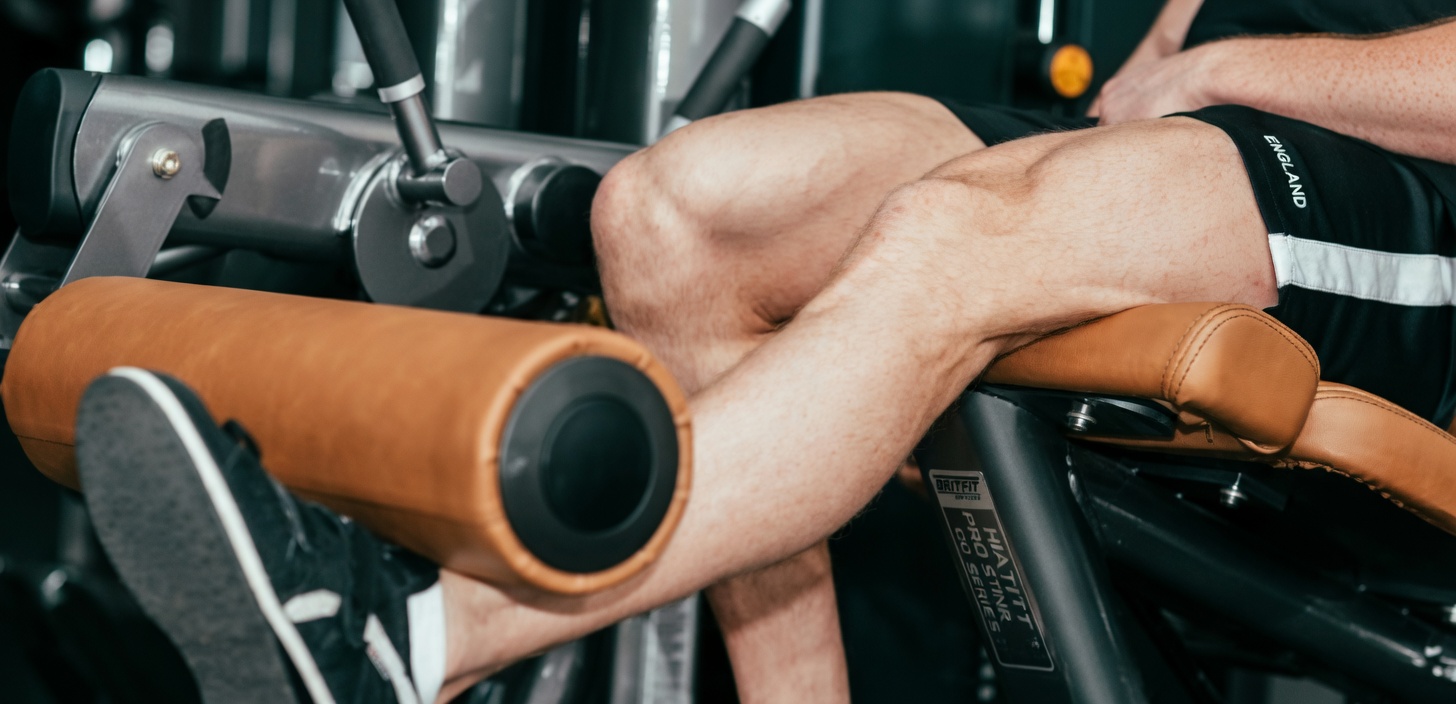
3. Leg Press
The leg press is another useful lower-body exercise for people looking to strengthen the knees.
It is similar to the squat, but because the body is supported by the machine, the load is applied differently. This changes how the muscles work and can make the exercise easier to control for some people.
The leg press primarily challenges the:
- Quadriceps
- Hamstrings
- Glutes
Basic Leg Press Instructions
- Sit on the leg press machine with your back supported.
- Place your feet on the platform about shoulder-width apart.
- Lower the weight under control by bending your knees.
- Press the platform away through your feet until your legs are nearly straight.
- Avoid locking your knees at the top.
- Complete your sets using a weight you can manage with good form.
As with all knee exercises, begin with a manageable resistance and increase gradually.
Final Thoughts on Knee Strength and Injury Prevention
Your knees are hardworking joints that deserve regular attention. Because they are involved in nearly every step, squat, jump, and lift, they need a balance of strength, flexibility, stability, and recovery.
By understanding basic knee anatomy, respecting proper exercise technique, and using movements like:
- Squats
- Lunges
- Leg presses
you can help build stronger knees and reduce the risk of pain or injury over time.
Most importantly, move carefully, progress slowly, and seek expert advice if something does not feel right. A smart and consistent approach can go a long way toward healthier, stronger, and more stable knees.