Strengthen Your Back and Improve Your Posture
Many people spend hours every day sitting at a desk or looking down at a phone.
These habits may seem harmless, but over time they can contribute to back pain and poor posture. Even everyday actions like bending over, opening doors, or picking something up from the floor place repeated stress on the back.
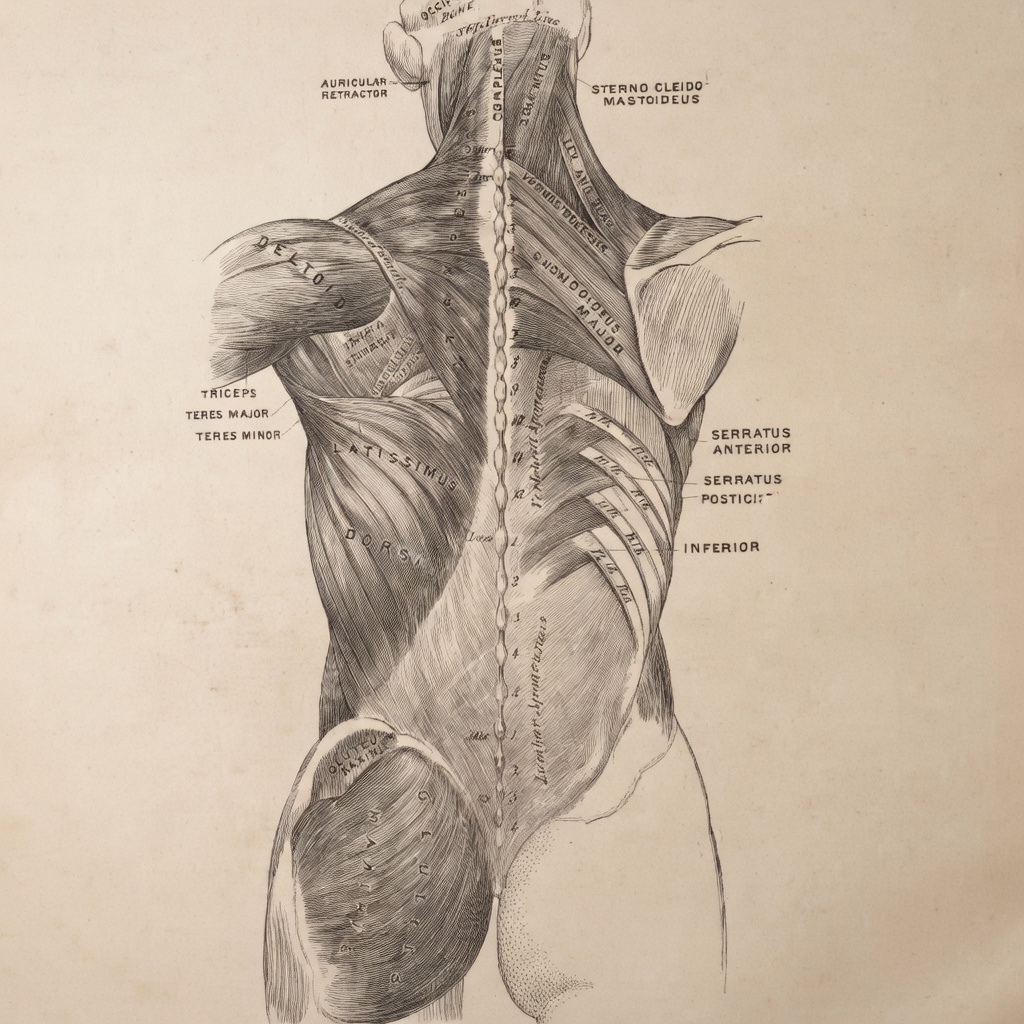
As this strain builds up, posture often starts to suffer. That is because the muscles of the upper body and core play a major role in both movement and alignment.
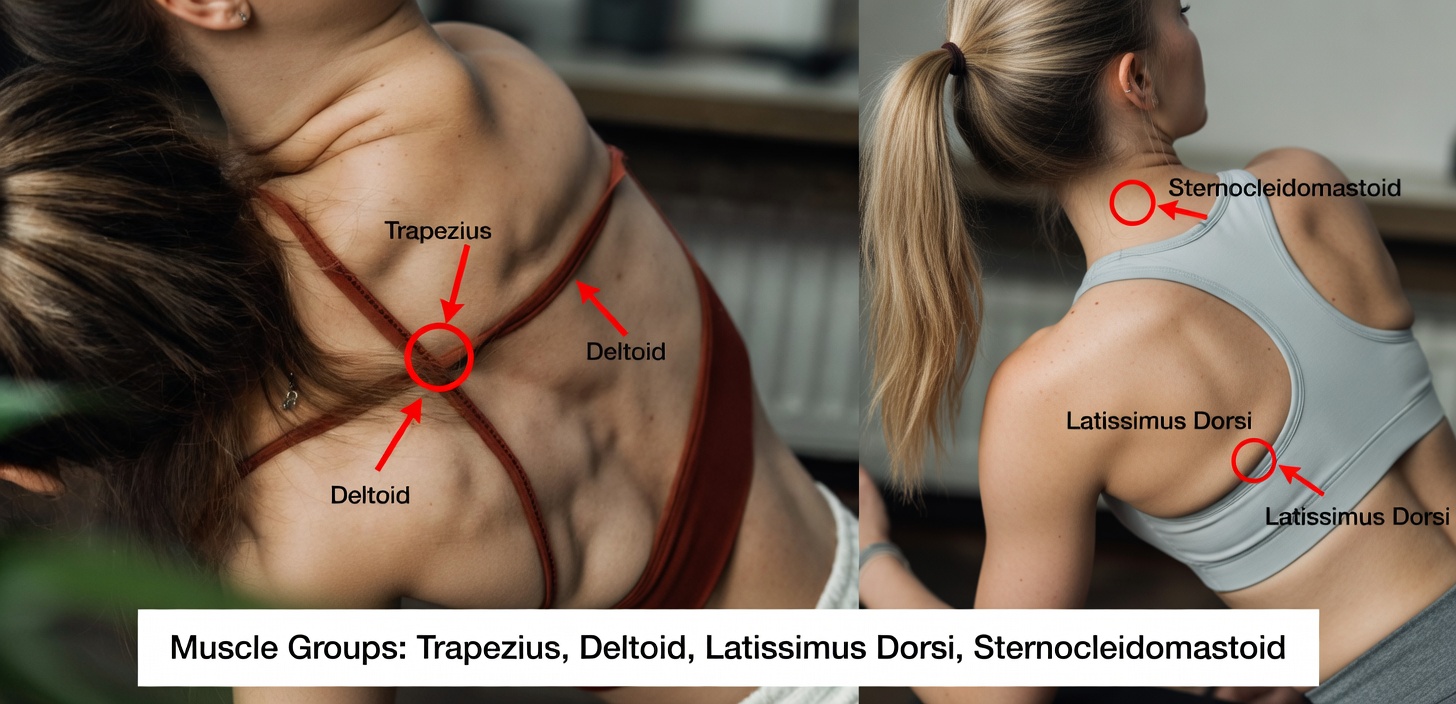
If you want to protect your spine, reduce discomfort, and improve the way you stand and sit, strengthening your back is a smart place to start.
A stronger back and better-developed postural muscles can help lower the risk of long-term pain.
If you are dealing with stiffness, muscle tension, soreness, or strain caused by bad posture, keep reading.
This guide explains why posture matters, which muscles support it, and five effective exercises to help you build a stronger, healthier back.
You may also like: 7 Exercises You Should Never Do If You Have Lower Back Pain
Why Good Posture Matters
Proper posture is about more than simply standing up straight or sitting tall.
Good alignment can help reduce lower back pain, boost energy, and ease tension in the head, neck, and shoulders. It may even help you avoid those frustrating tension headaches.
Better posture can also support:
- Easier breathing
- Improved focus and concentration
- A more positive mood
- Greater self-confidence
When tight muscles and weak areas are brought back into balance, your posture can improve much faster than you might expect.
The Main Muscles That Support Posture
Several muscle groups work together to keep your body upright and stable. These can be divided into four key categories.
1. Spinal, Pelvic, and Abdominal Muscles
This group includes the erector spinae, which helps hold the spine upright.
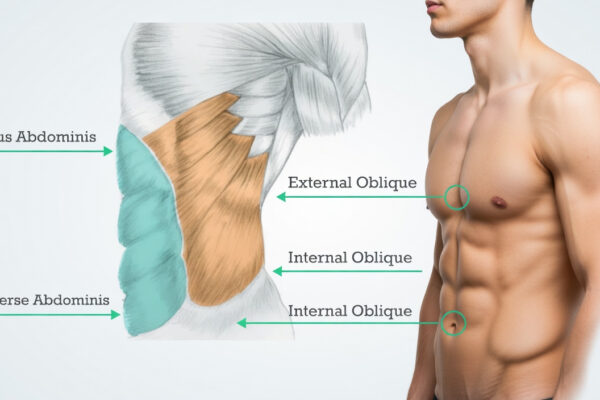
Your core muscles support the front of the torso and work together with the back extensors to maintain balance and alignment.
The quadratus lumborum, located near the top of the pelvis, also helps stabilize the lower back.
2. Shoulder and Neck Muscles
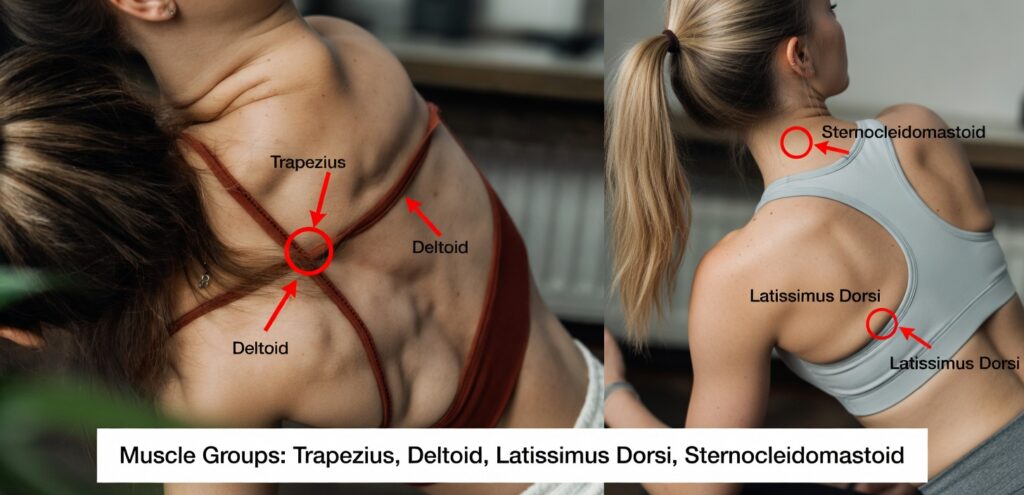
The rhomboids pull the shoulder blades back and help prevent rounded shoulders.
The muscles in the neck help keep the head aligned over the spine instead of falling forward.
3. Hip Muscles
Your hips also play a major role in posture. One especially important muscle is the gluteus medius, which helps stop the hips from swaying while you stand or walk.
It works with the tensor fasciae latae to keep the pelvis stable.
4. Lower Leg Muscles
The muscles in the calves and ankles contract while standing, helping you stay balanced and upright.
When these postural muscles become weak, tight, or imbalanced, the body has to compensate. That can increase stress on muscles, joints, and ligaments, and may raise the risk of injury.
Take time to assess your body and notice any problem areas. For example, do you often feel pain in the lower right side of your back? That could point to a muscular imbalance.
As strength, flexibility, and balance improve in these areas, maintaining good posture will begin to feel more natural.
Back Exercises to Improve Posture
As you can see, posture depends on much more than core strength alone.
The muscles of the back, shoulders, hips, and legs all contribute to how you move and hold yourself throughout the day. The following exercises can help strengthen weak muscles and release tight ones.
Important Note
In some cases, poor posture is linked to medical issues such as:
- Bone spurs
- Spinal stenosis
- Muscle sprains
- Disc degeneration
- Scoliosis
If you have joint problems, persistent pain, or any of the conditions listed above, speak with a doctor or physical therapist before starting a new exercise routine.
A posture trainer or back support strap may also help support your progress.
5 Best Posture Exercises for a Better Back
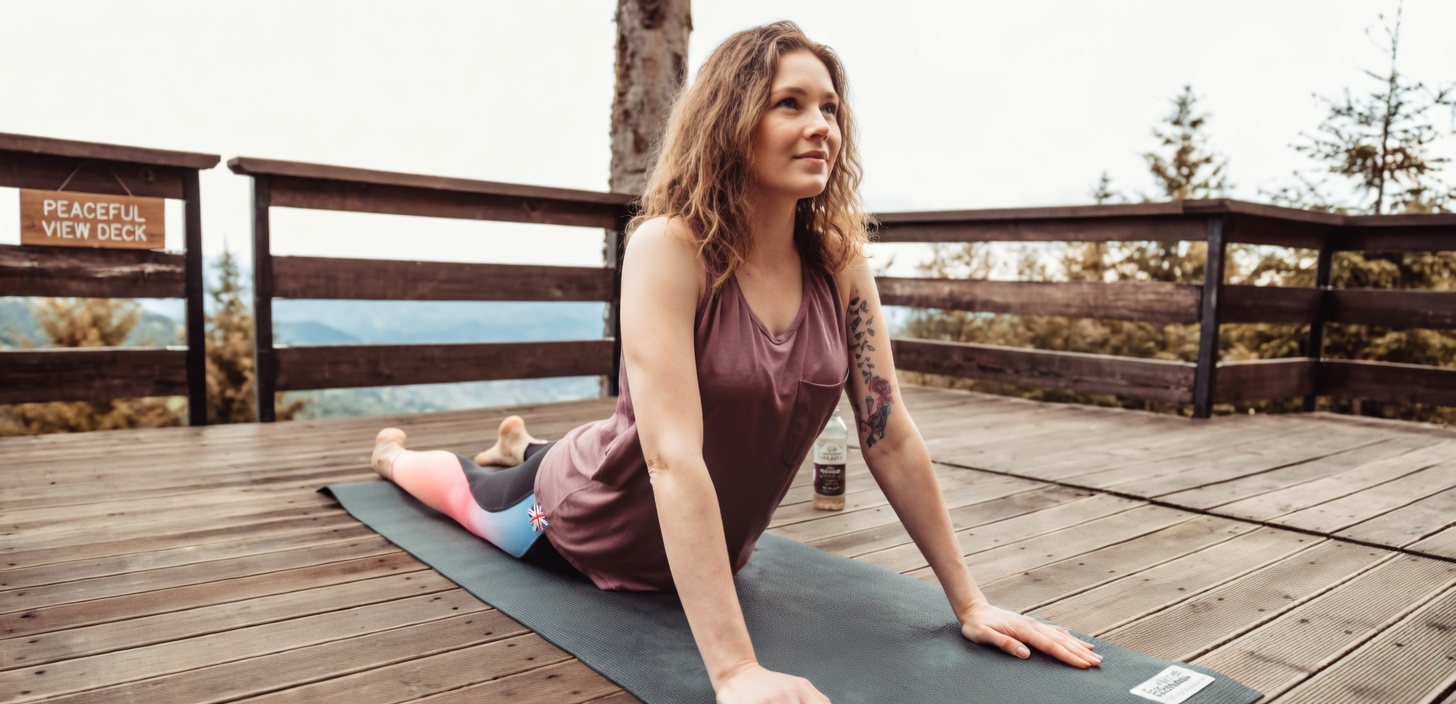
1. Prone Cobra
The prone cobra is an excellent bodyweight exercise for strengthening the back of the body, especially the lower back, glutes, and core. It helps improve spinal stability and encourages better alignment.
How to do it
- Lie face down with your arms resting by your sides.
- Tighten your glutes.
- As you exhale, lift your chest and head gently off the floor.
- Roll your shoulders back and avoid crunching the neck.
- Squeeze your shoulder blades together.
- Turn your palms away from your body and extend through the elbows.
- Keep your chin neutral and lengthen through the neck.
Hold and repeat
- Hold for 20 seconds
- Perform 3 to 4 repetitions
Tip: Do a few chest-opening stretches beforehand to get more out of the movement.
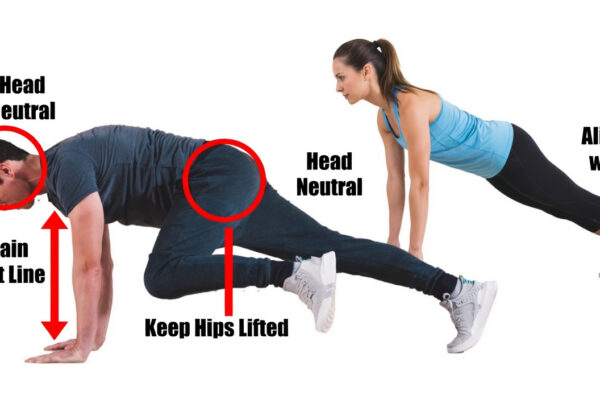
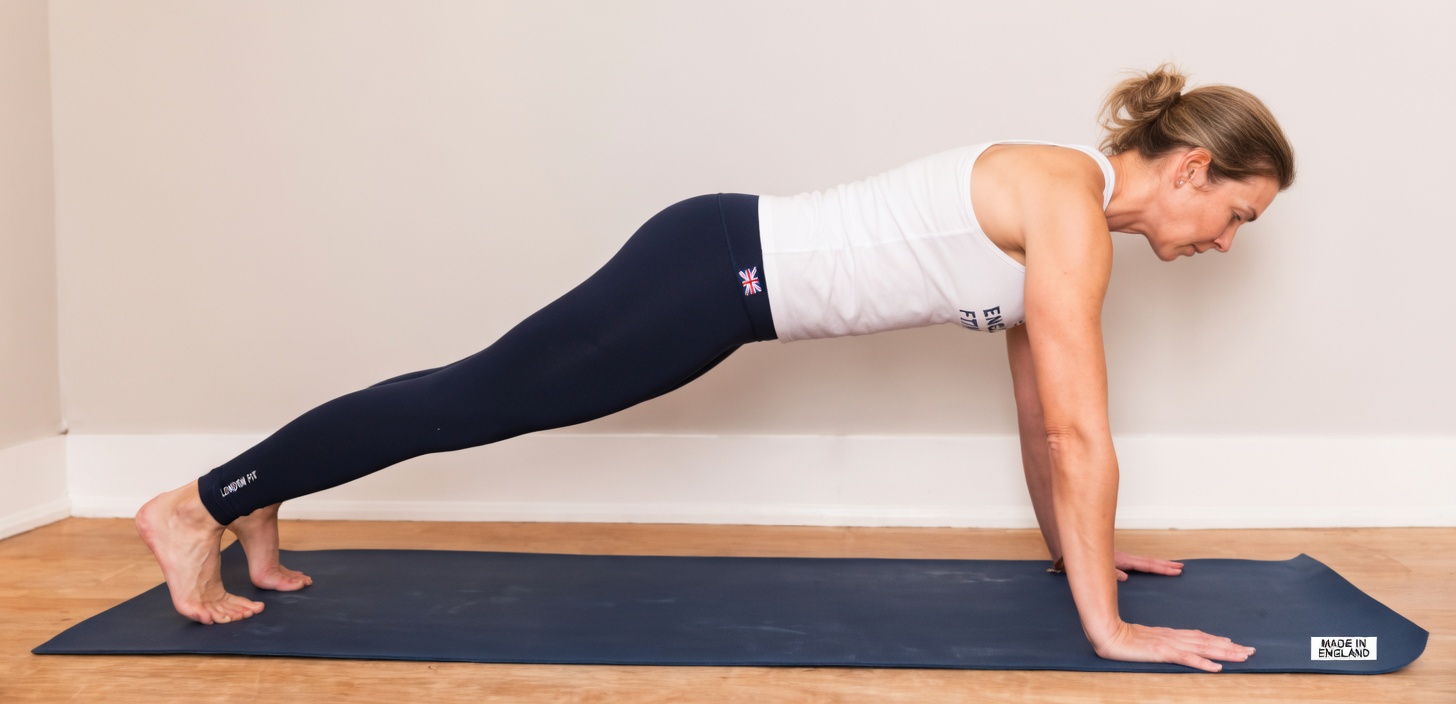
2. High Plank
The high plank strengthens nearly the entire body, making it one of the best exercises for posture support.
How to do it
- Start in a tabletop position.
- Place your hands directly under your shoulders.
- Step one leg back, then the other, with your toes tucked.
- Keep your feet hip-width apart.
- Engage your abs, glutes, and back muscles.
- Lengthen your neck and look slightly forward.
- Create a straight line from the top of your head to your heels.
Hold and repeat
- Hold for 30 seconds
- Complete 2 to 3 rounds
As you get stronger, you can increase the hold time.
Easier modifications
- Lower your knees to the floor
- Use knee pads for comfort
- Perform the movement on your forearms instead
Taking a downward-facing dog between sets can help release tension.
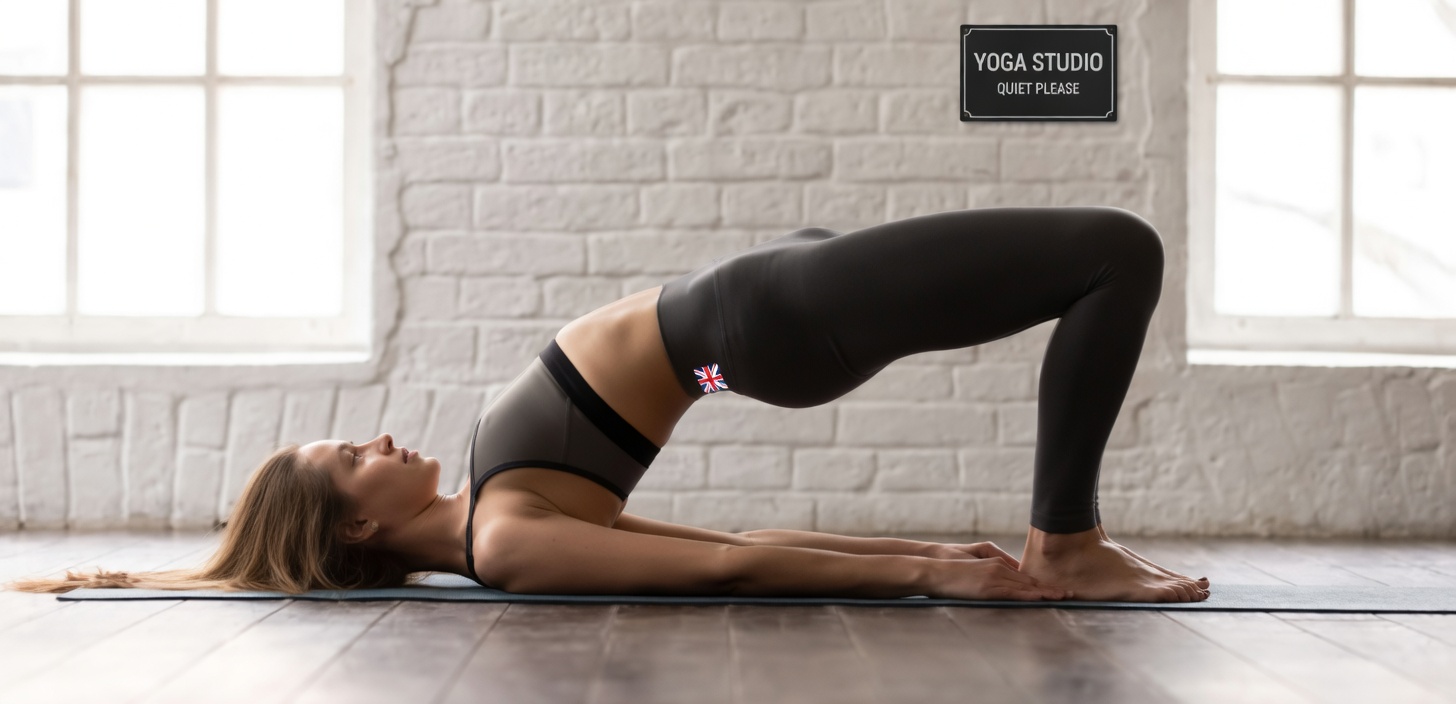
3. Glute Bridge
The glute bridge strengthens the glutes and core while improving pelvic alignment. It is a great choice for reducing back discomfort and supporting better posture.
How to do it
- Lie on your back with your knees bent.
- Place your feet hip-width apart and parallel.
- Make sure both knees stay aligned.
- Press through your feet and hamstrings.
- Squeeze your glutes and lift your hips off the floor.
- Keep your back flat and your body in line from knees to shoulders.
- Lower down slowly with control.
Repetitions
- Perform 10 reps
- Complete 3 sets
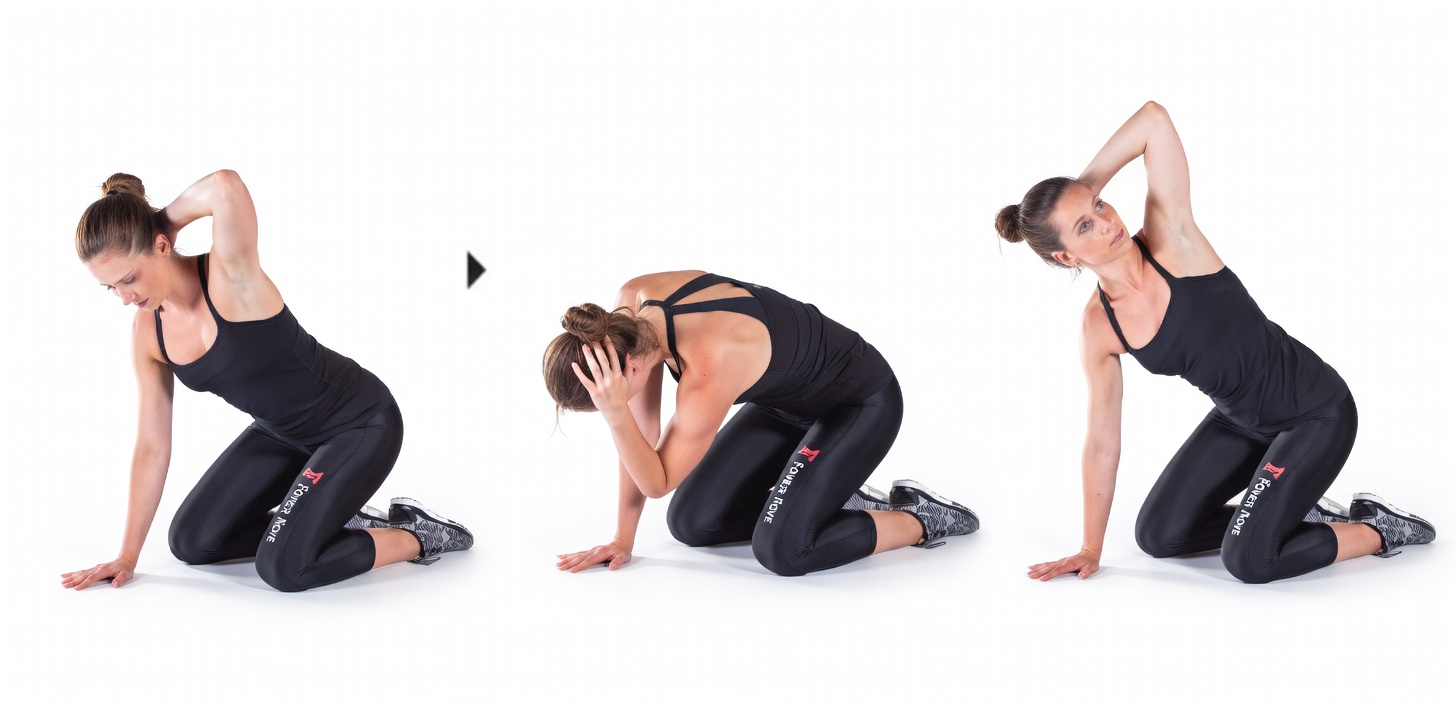
4. Thoracic Spine Rotation
This twisting movement improves mobility in the upper and mid-back. It can also help ease back pain and support smoother spinal movement, both of which are useful for posture.
How to do it
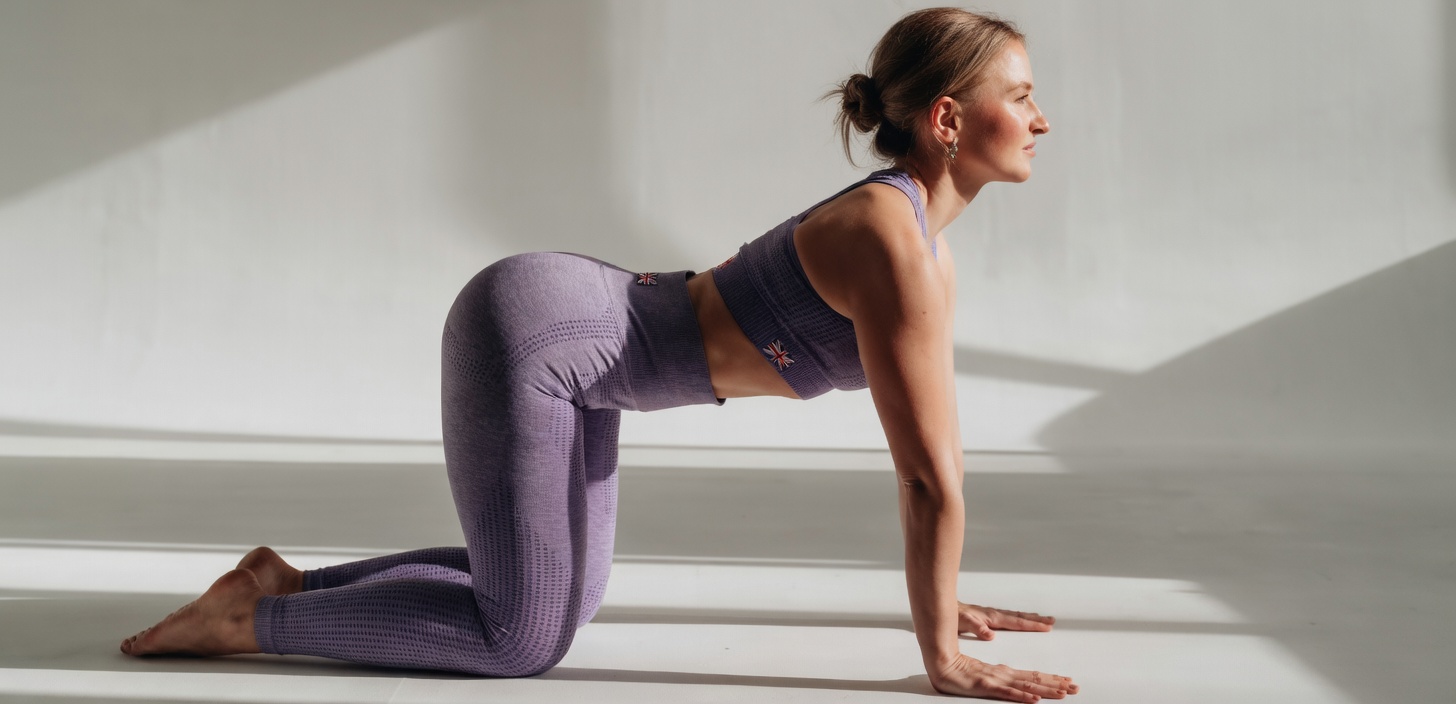
- Begin on all fours with your knees under your hips and wrists under your shoulders.
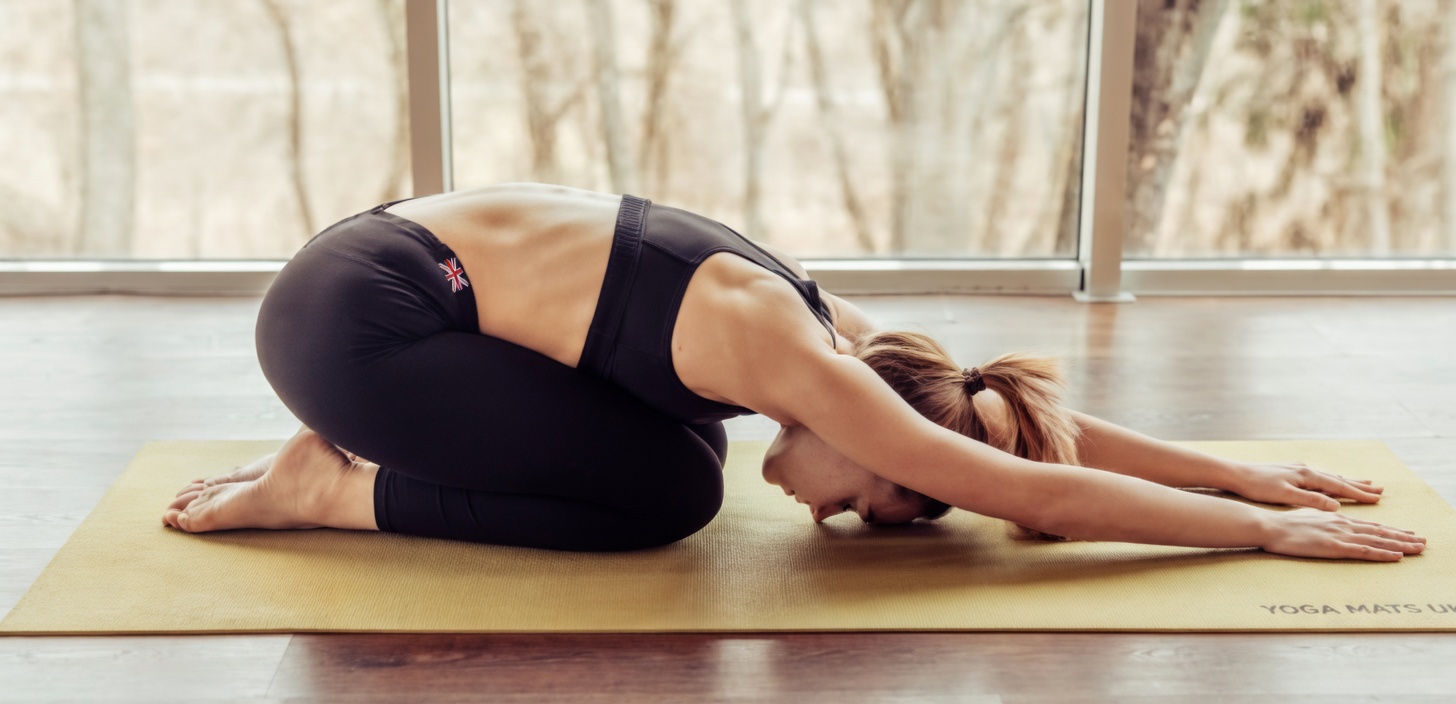
- Shift your hips back slightly toward your heels, similar to a partial child’s pose.
- Place your right hand behind your head with the elbow pointing outward.
- Reach your left arm forward, or keep your left forearm on the mat if that feels better.
- As you exhale, rotate your right elbow toward the ceiling and open your chest.
- Inhale as you return to the starting position.
- Move slowly and breathe deeply with each rep.
Repetitions
- Perform 7 to 10 reps per side
- Complete 3 sets
Afterward, rest for a moment in child’s pose before moving on.
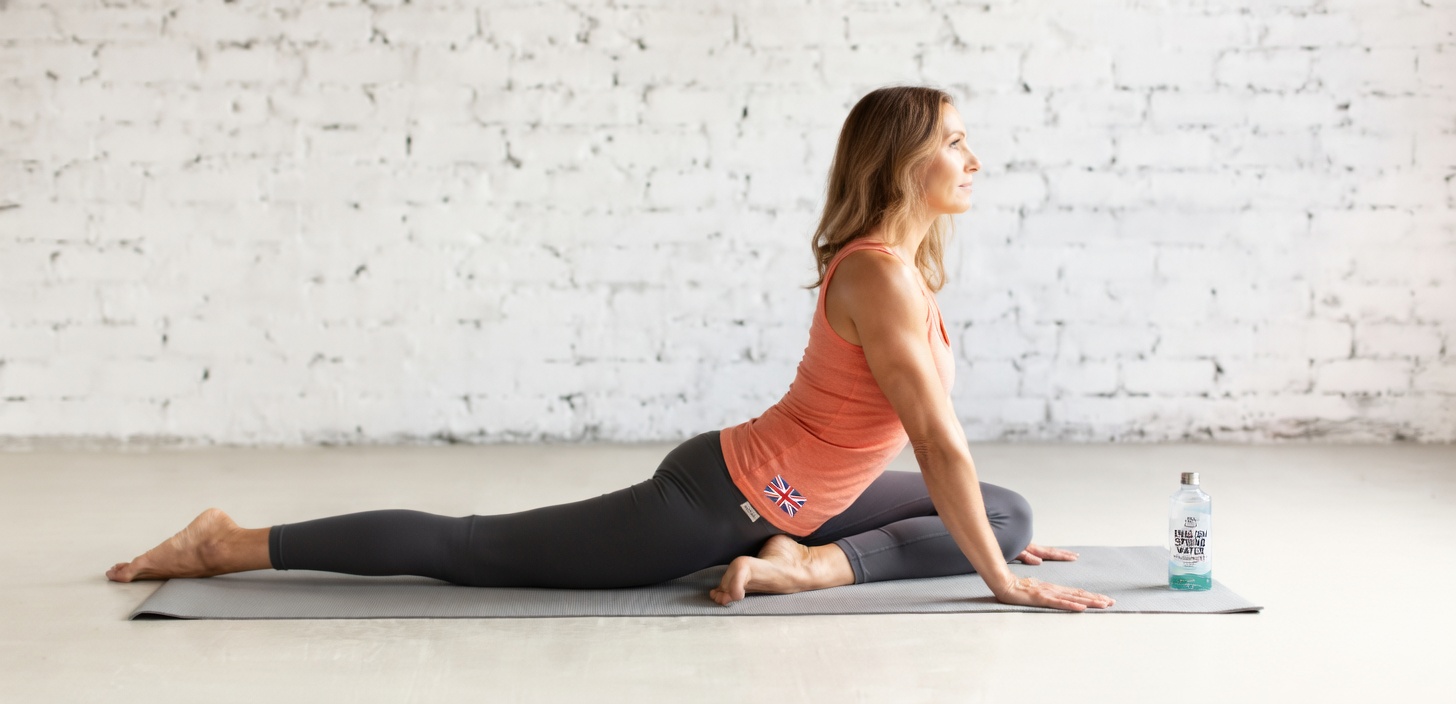
5. Pigeon Pose
The pigeon pose is a powerful hip opener that stretches the glutes, hip flexors, quadriceps, and hamstrings. Since tight hips often contribute to poor posture and lower back strain, this stretch can be especially helpful.
How to do it
- Start in a standing forward fold.
- Step back into downward-facing dog.
- Lift your right leg into a three-legged dog.
- Bring your right knee toward the outside of your right wrist.
- Rest your shin on the floor at about a 45-degree angle.
- Extend your left leg straight behind you.
- Lower the top of your foot, shin, and thigh to the mat.
- Fold your torso forward over your right shin with a flat back.
- Extend your arms out in front of you.
Hold
- Stay for up to 1 minute
- Or take 10 deep breaths
Helpful adjustments
- Place a yoga block under your forehead
- Put support under your hip if needed
To come out of the pose, walk your hands back under your shoulders and return to either downward-facing dog or child’s pose.
Repeat evenly on the left side.
Final Thoughts
Improving posture takes more than reminding yourself to sit up straight. It requires strengthening the muscles that support your spine, shoulders, hips, and core while also increasing flexibility in tight areas.
By practicing these posture exercises consistently, you can build a stronger back, reduce strain, and move through daily life with less pain and more confidence.
Start slowly, stay consistent, and focus on proper form. Over time, better posture can become your new normal.