How Men Can Lose Belly Fat: Science-Backed Strategies for Better Health
Reducing belly fat is a common weight loss goal for men, but it is often one of the hardest areas to change.
The fat stored around the abdomen is not all the same. Beneath the belly fat you can pinch lies visceral fat, a deeper type of fat that surrounds your internal organs. This form of abdominal fat is especially concerning because it has been strongly linked to serious health problems.
Research connects excess visceral fat with chronic conditions such as:
- Heart disease
- Type 2 diabetes
- High blood pressure
- Insulin resistance
- Cardiovascular disease
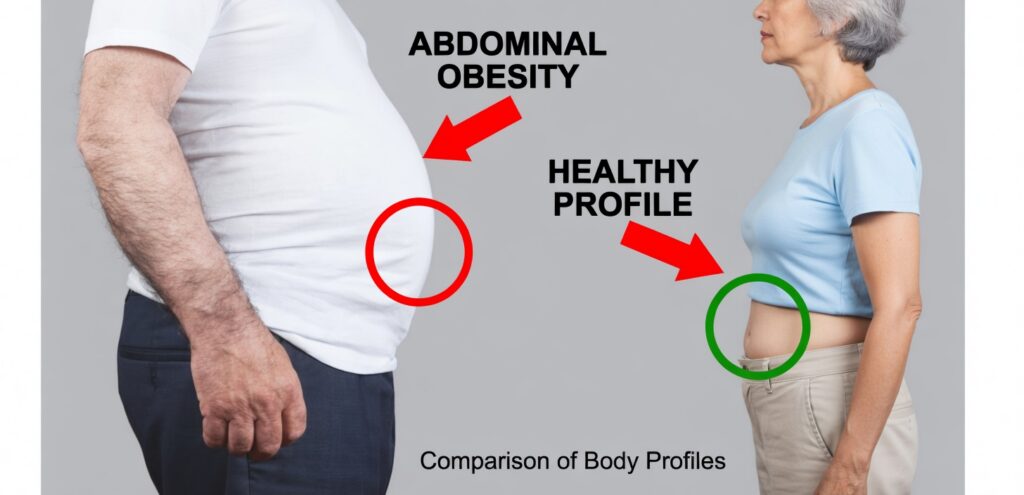
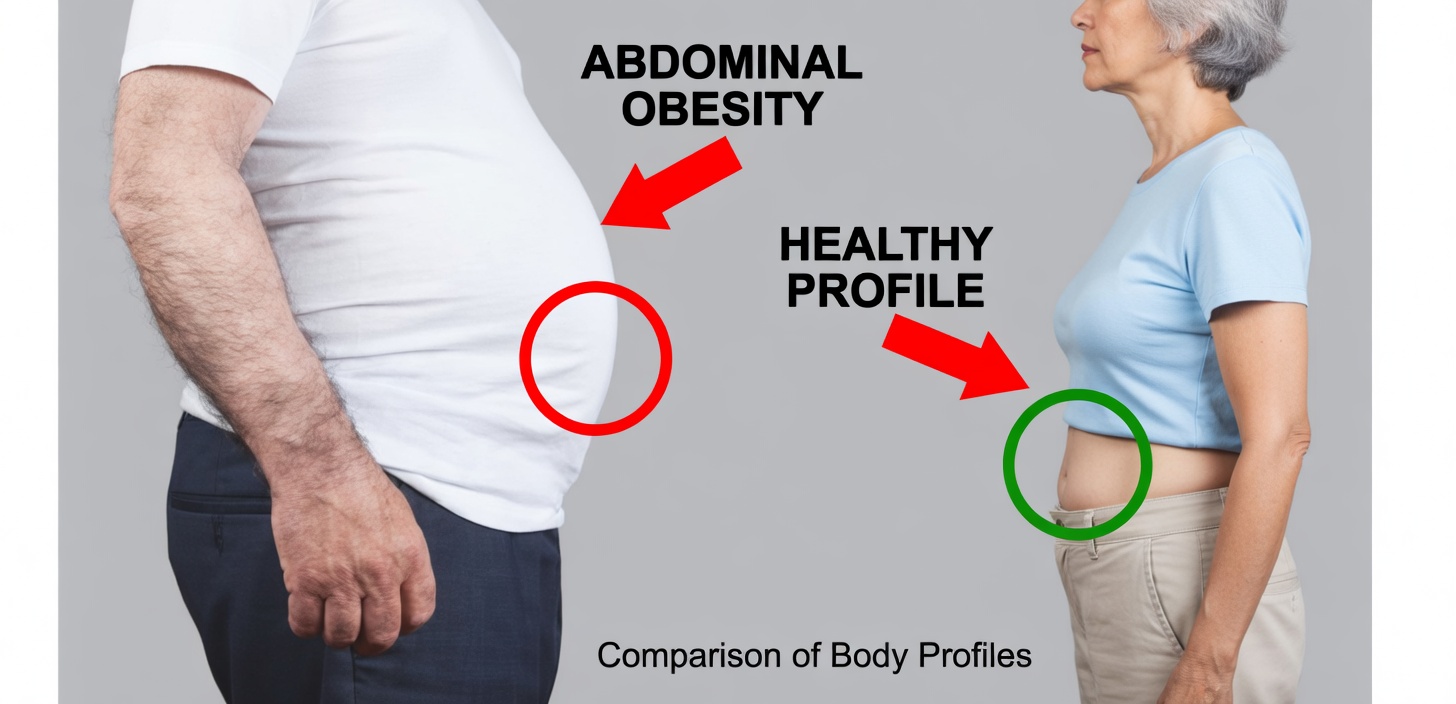
Everyone has some belly fat, no matter their body size. However, too much of it can lead to abdominal obesity, which raises health risks.
For men, a waist circumference over 40 inches (102 cm) is generally considered a warning sign of excess abdominal fat. To check your waist size, place a tape measure around your midsection at about the level of your belly button and record the measurement.
If your waistline is above that guideline, your abdominal fat may be affecting your health. Lasting results usually require a weight loss plan that targets overall body fat while also addressing stubborn belly fat.
Abdominal Fat in Men
Many people focus on weight loss because they want to improve their appearance. But for men, lowering abdominal fat can be even more important for health.
Men and women often store body fat differently:
- Women are more likely to carry extra weight in the hips, thighs, and lower body, often described as a pear shape
- Men are more likely to store fat in the upper body and abdomen, often described as an apple shape
This male pattern of fat storage is one reason health risks related to belly fat are seen more often in men.
Unlike fat in other parts of the body, abdominal obesity includes two main types of belly fat:
- Subcutaneous fat
- Visceral fat
Subcutaneous Fat
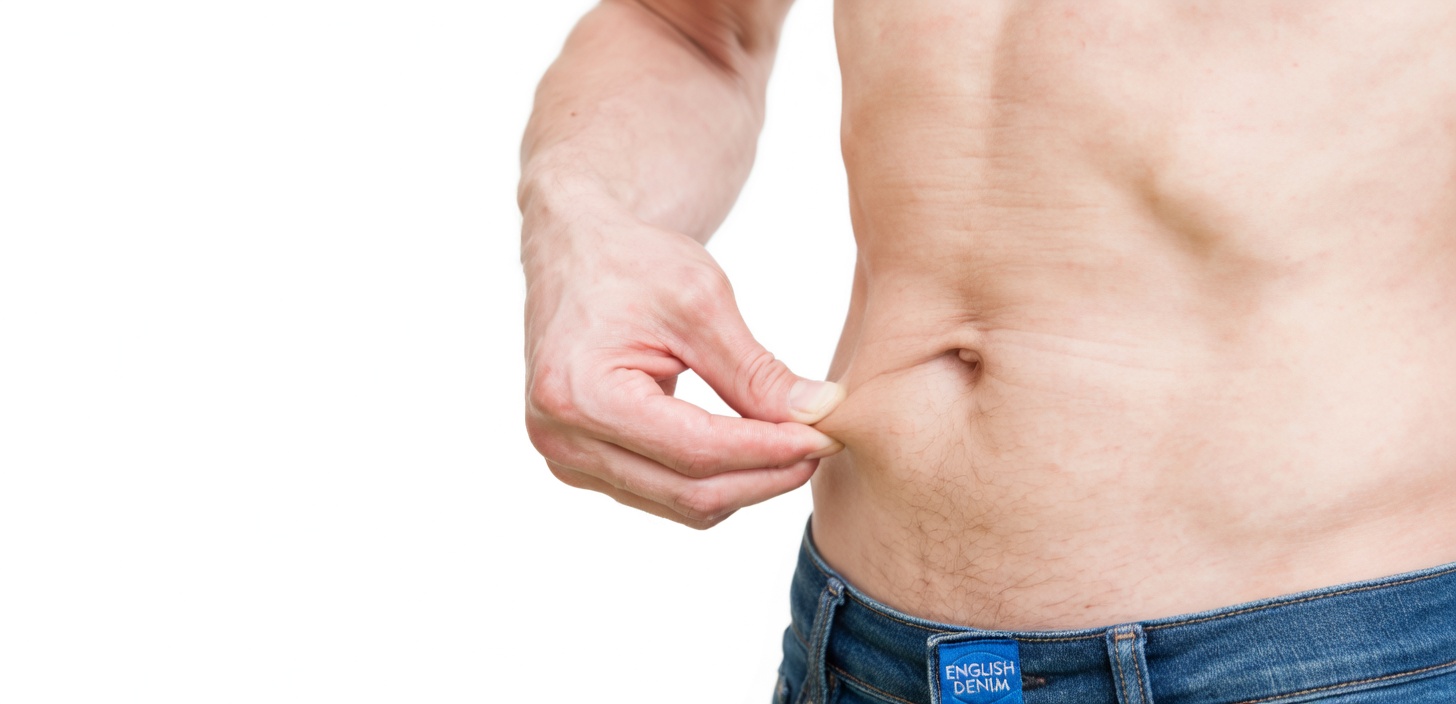
Subcutaneous fat sits directly under the skin and can be found in the abdomen and throughout the body. This is the fat many men notice as love handles or a soft belly.
Because it is visible, it often becomes the main motivation for losing weight. It is also generally easier to reduce than deeper abdominal fat.
Visceral Fat
Visceral fat is stored inside the abdominal cavity, where it wraps around internal organs. This is the more dangerous type of belly fat.
Studies show that higher levels of visceral fat are associated with a greater likelihood of chronic disease, including:
- Heart disease
- Heart attacks
- High blood sugar
- Diabetes
- Insulin resistance
- High blood pressure
For this reason, reducing visceral fat should be a top priority for men concerned about long-term health.
A simple waist measurement can help you estimate your risk. Use your belly button as a guide, wrap a tape measure around your waist, and note the number. This measurement is one of several tools used to assess your risk for chronic disease.
Why Men Gain Belly Fat
Food choices are not the only reason men develop belly fat. Hormones also play an important role.
Excess body weight can disrupt hormonal balance. In particular, visceral fat may interfere with testosterone levels, which can make belly fat storage even worse. Men who maintain a healthy weight are more likely to have testosterone levels that support a healthier body fat distribution.
Some research suggests that losing weight can improve testosterone levels, although it is less clear whether weight gain directly lowers testosterone. At the same time, levels of estradiol, a form of estrogen, may rise and further contribute to abdominal fat gain.
Stress and Cortisol
Another major factor is cortisol, the body's stress hormone.
High stress levels can influence belly fat in several ways:
- They can increase cravings for sugary foods
- They may lead to emotional eating
- They can raise total calorie intake
- They may slow metabolism, making fat loss more difficult
Even with a healthy diet and exercise plan, chronic stress can make it harder to burn fat effectively. Learning how to relax can help counter these effects. Useful stress-management methods may include:
- Deep breathing
- Walking
- Meditation
- Better sleep habits
- Any intentional relaxation practice that fits your lifestyle
Leptin and Ghrelin
Two other hormones also affect food intake:
- Leptin helps signal fullness and tells the brain when you have had enough to eat
- Ghrelin increases appetite and can encourage snacking and overeating
Some studies suggest that people with obesity may develop leptin resistance, making it harder for the brain to respond properly to fullness signals.
Ghrelin can also rise during stressful periods, which may increase hunger and make long-term weight gain more likely.
How Men Can Burn Belly Fat
Although losing abdominal fat can be challenging, it is possible with the right lifestyle changes. The goal is not just to lose weight temporarily, but to reduce body fat in a sustainable way.
Below are key diet and lifestyle strategies that can support belly fat loss in men.
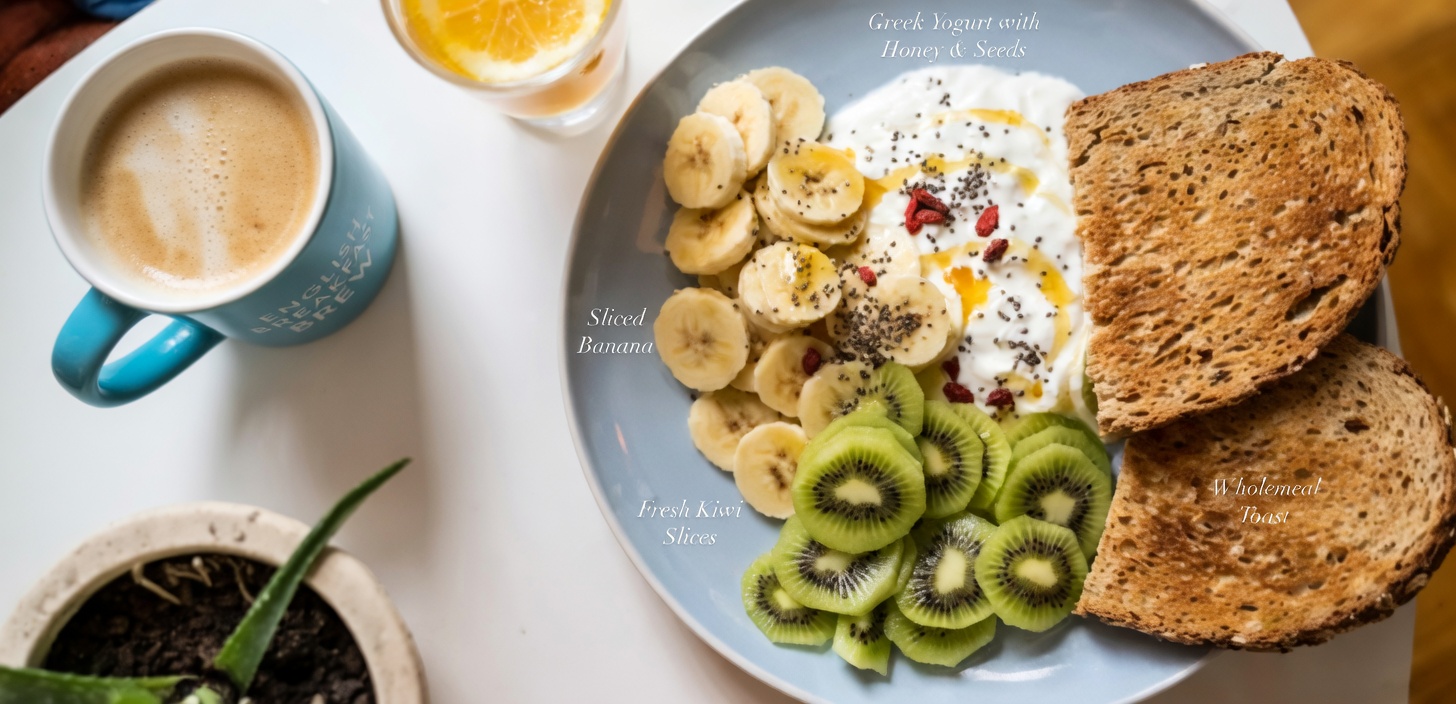
Calories In: Smart Weight Loss Tips for Men
1. Eat Plenty of Lean Protein
Protein is essential for many basic functions in the body. It supports:
- Tissue repair
- Muscle maintenance
- Immune function
- Cell structure
- Communication between cells
A typical recommendation is around 1.0 to 1.2 grams of protein per kilogram of body weight, which usually works out to roughly 20 to 30 grams of protein per meal.
Protein can also support fat loss by helping you feel fuller for longer, which may reduce hunger and unnecessary snacking.
Good protein sources include:
- Eggs
- Milk
- Yogurt
- Lean cuts of meat
- Soybeans
- Tofu
- Beans
- Chickpeas
- Peanuts
- Lentils
- Quinoa
- Buckwheat
- Ezekiel bread
Animal protein can sometimes come with more fat and cholesterol, so choosing leaner cuts is a smart way to lower calorie intake. For example, trim visible fat from beef or select lower-fat protein options.
Plant-based proteins are also excellent choices. They tend to contain:
- Healthy fats
- Soluble fiber
- Vitamins
- Minerals
Adding protein-rich snacks during the day can help manage appetite and make it easier to stay full between meals.
2. Eat More Vegetables
Vegetables are one of the best foods for men trying to lose belly fat. They provide:
- Complex carbohydrates
- Fiber
- Vitamins
- Minerals
- Antioxidants
Because many vegetables are high in fiber, they can help lower total calorie intake while improving fullness. Fiber also helps slow the release of sugar into the bloodstream, supports digestion, and may help reduce water retention.
Most adults do not eat enough fiber. Although the recommended daily intake is about 24 to 38 grams, many people only get around 15 grams per day.
A simple way to increase fiber is to include vegetables not only at meals but also as snacks.
Easy vegetable snack ideas:
- Carrots with peanut butter
- Asparagus topped with nuts and olive oil
- Mixed raw vegetables with a healthy dip
Vegetables are also known for their anti-inflammatory benefits because they are rich in antioxidants.
Best vegetables to support fat loss
Leafy greens:
- Spring mix
- Spinach
- Romaine lettuce
- Kale
- Beet greens
Other helpful non-leafy vegetables:
- Broccoli
- Arugula
- Brussels sprouts
- Cabbage
Starchy vegetables to eat in moderation:
- Sweet potatoes
- Corn
- Green peas
One useful note: although many people group them with vegetables, legumes are technically the seeds or fruits of plants. Still, they are highly nutritious and deserve a regular place in a healthy eating plan.
3. Choose Whole Grains Instead of Refined Grains
Whole grains are another smart way to increase your intake of:
- Fiber
- Vitamins
- Minerals
- Antioxidants
Compared with refined grains, whole grains are less processed and usually more filling. Their fiber content can help:
- Improve blood sugar balance
- Increase satiety
- Support a healthier waistline
- Benefit blood pressure
Research suggests that replacing refined grains with whole grains may help reduce abdominal fat and improve overall health.
Better whole grain choices include:
- Oats
- Brown rice
- Quinoa
- Buckwheat
- Whole grain bread
- Whole grain pasta
Choosing whole grains regularly can make your diet more satisfying while supporting long-term belly fat loss.

Final Thoughts on Losing Belly Fat for Men
For men, belly fat is not only a cosmetic concern. Excess abdominal fat, especially visceral fat, is closely linked with major health risks.
The good news is that you can reduce belly fat by focusing on sustainable habits such as:
- Measuring and monitoring your waist size
- Eating more lean protein
- Increasing vegetable intake
- Choosing whole grains over refined carbohydrates
- Managing stress and hormone-related triggers
A healthy waistline is about more than appearance. It is an important step toward lowering your risk of chronic disease and improving long-term health.