Quinoa: Nutrition, Benefits, and Simple Ways to Use It
Quinoa is a seed that cooks like a grain, and in recent years it has become extremely popular across North America. Its rise is largely due to its strong nutrition profile and the many health benefits linked to eating it regularly.
Although quinoa has been cultivated for thousands of years, it only recently earned global attention as a “superfood.” It is especially valued for its plant-based protein, fiber, and antioxidant content.
In fact, the United Nations named 2013 the International Year of Quinoa because of its protein quality, ability to grow in dry conditions, and possible role in improving global food security.
But does quinoa really deserve its reputation?
This guide looks at quinoa nutrition, how to cook it, easy ways to eat it, and the main health benefits associated with this versatile seed.
What Is Quinoa?
Quinoa, pronounced keen-wah, is often called the seed of the Andes.
It has been grown for more than 5,000 years in the Andean regions of Bolivia, Ecuador, and Peru. The plant, known scientifically as Chenopodium quinoa, was highly valued by the Inca civilization, which referred to it as “the mother grain” and “gold of the Incas.” Even today, quinoa remains an important staple food in many Indigenous communities of South America.
Despite being commonly grouped with grains, quinoa is not a true grain. It is actually a seed from the goosefoot plant family, which also includes vegetables such as spinach, chard, and beets.
Still, quinoa is often described as a pseudo-cereal because it is cooked and eaten in much the same way as grains. It works well as a substitute for starches and cereals in many dishes.
There are more than 100 types of quinoa, but the varieties most commonly found in stores are:
- White quinoa
- Red quinoa
- Black quinoa
How to Cook Quinoa Perfectly
Because quinoa is technically a seed rather than a grain like millet or farro, it is prepared a little differently. The good news is that it is quick, simple, and beginner-friendly.
One important first step may be rinsing the dry quinoa under cold water. This helps remove saponins, natural compounds found on the outer coating of the seed. Saponins have a bitter, slightly soapy taste and act as a natural defense that helps protect the plant from insects.
Some packaged quinoa has already been pre-rinsed, so this step is not always necessary. If you are unsure, check the packaging for the manufacturer’s cooking instructions.
Basic Quinoa Recipe
Cooking time: 15 to 20 minutes
Ingredients
- 2 cups water or broth
- 1 cup quinoa
Directions
- Rinse the quinoa in a fine-mesh strainer under cold water if needed.
- Add the quinoa and liquid to a medium saucepan.
- Bring to a boil over medium-high heat.
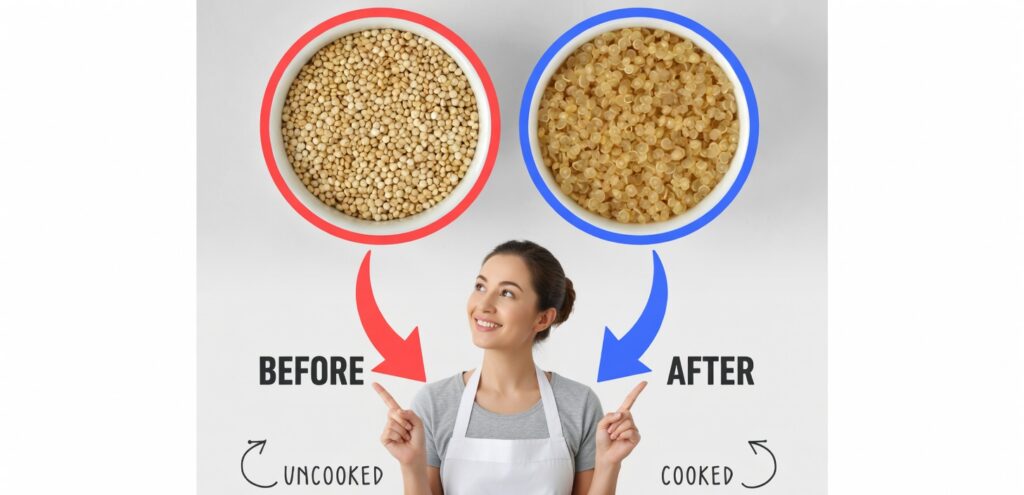
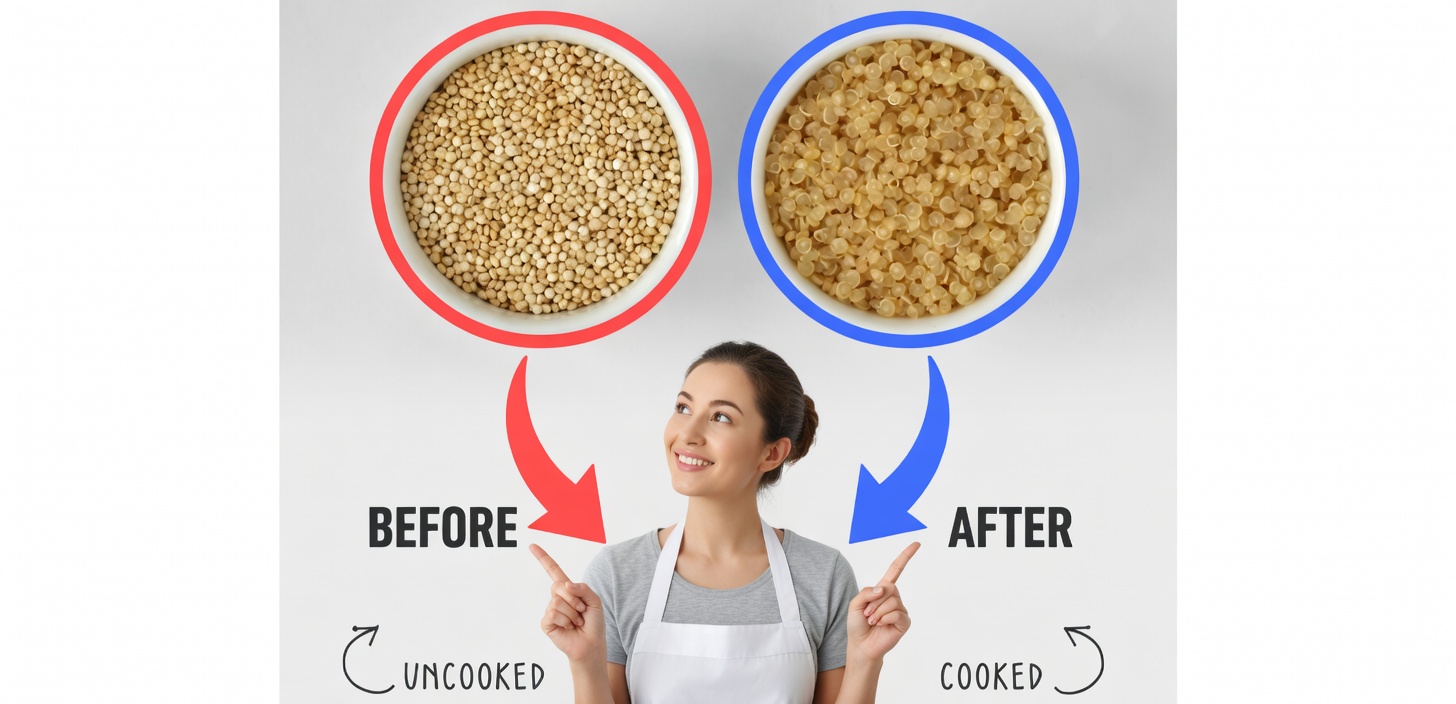
- Lower the heat, cover, and simmer for about 15 minutes, or until most of the liquid has been absorbed.
- Remove from heat and let it sit for 5 minutes.
- Fluff with a fork and season with salt and pepper if desired.
Storage Tips
- Keep leftovers in an airtight container in the refrigerator for up to 5 days
- Freeze cooked quinoa for up to 2 months
You can also cook quinoa in a rice cooker using the same ratio of 2 parts liquid to 1 part quinoa.
For extra flavor, many people cook quinoa with ingredients such as:
- Garlic
- Onion
- Herbs like cilantro
- Spices
- Broth instead of water
How to Eat Quinoa
When cooked properly, quinoa has a light nutty taste and a slightly firm texture. Its mild flavor makes it easy to pair with both sweet and savory foods, which is one reason it is such a useful pantry staple.
Here are some easy quinoa recipe ideas:
- Add it to salads
- Use it instead of rice, pasta, couscous, or noodles
- Make a breakfast porridge with berries and chia seeds
- Stir it into soups and stews
- Mix it with beans or legumes
- Add it to lentil soup
- Serve it with sautéed spinach and kale
- Include it in a vegetable side dish
- Combine it with overnight oats
- Stuff it into half an avocado with tomatoes
- Make a cucumber and quinoa salad with olive oil and citrus dressing
- Prepare a cinnamon apple breakfast bowl
- Use it as a pilaf
- Replace bulgur in tabbouleh
- Add it to a veggie burger
- Mix it into baked oatmeal or granola
- Blend it into a smoothie
- Add it to casseroles
- Use it in cakes or baked goods
Quinoa Nutrition Facts
Here is the nutrition breakdown for 1 cup (185 grams) of cooked quinoa:
- Calories: 220
- Fat: 3.6 grams
- Carbohydrates: 39.4 grams
- Sugar: less than 0.5 grams
- Fiber: 5.2 grams
- Protein: 8.1 grams
Vitamins and Minerals in One Cup of Quinoa
- Thiamin: 12% of the Daily Value
- Riboflavin (Vitamin B2): 12% DV
- Vitamin B6: 11% DV
- Folate: 19% DV
- Iron: 15% DV
- Magnesium: 30% DV
- Potassium: 9% DV
- Zinc: 13% DV
- Phosphorus: 28% DV
- Manganese: 58% DV
Cooked quinoa also provides smaller amounts of:
- Vitamin E
- Selenium
- Niacin (Vitamin B3)
- Omega-3 fatty acids
Health Benefits of Quinoa
1. A High-Quality Plant-Based Protein
Quinoa is well known for its protein content, but what makes it especially impressive is that it contains all nine essential amino acids.
Amino acids are the compounds your body uses to build protein. Of these, nine are considered essential because the body cannot produce them on its own. That means they must come from food.
Foods that provide all nine essential amino acids are known as complete proteins.
Animal foods such as meat are common sources of complete protein. Most plant foods, however, are low in one or more essential amino acids, especially lysine. Quinoa is unusual because it naturally provides a complete amino acid profile.
For this reason, quinoa is an excellent option for:
- Vegetarians
- Vegans
- Anyone looking to eat more plant-based protein
2. A Good Source of Fiber
Quinoa contains more fiber than many grains, with about 5 grams of fiber per cooked cup. For many adults, that covers around 15% of daily fiber needs, depending on age and sex.
Some quinoa varieties may provide even more. Research examining several types of quinoa found fiber levels ranging from 10 to 16 grams per 100 grams.
Getting enough dietary fiber is associated with several health benefits, including:
- Better cholesterol management
- Improved blood sugar control
- Healthier digestion
Quinoa contains both insoluble fiber and soluble fiber.
Insoluble Fiber
Insoluble fiber adds bulk to stool and can help reduce the risk of constipation.
Soluble Fiber
Soluble fiber has been widely studied and may help:
- Support healthy blood sugar levels
- Lower cholesterol
- Improve digestion
- Reduce constipation
It also acts as food for beneficial bacteria in the large intestine, which can support overall gut health.
In addition, fiber-rich foods may help with weight management because they can increase fullness and potentially reduce overall calorie intake.
3. Rich in Antioxidants
Quinoa provides antioxidants that help defend the body against free radicals, unstable molecules that contribute to oxidative stress and inflammation.
It is especially rich in polyphenols, a group of plant compounds linked to positive health outcomes. A growing body of research suggests that diets high in polyphenols may be associated with a lower risk of chronic conditions such as:
- Cardiovascular disease
- Certain cancers
Including quinoa in your regular eating pattern is one practical way to increase your intake of these protective plant nutrients.
4. Naturally Gluten-Free
Quinoa is naturally gluten-free, making it a useful choice for people who need to avoid gluten.
Gluten is a protein found in wheat, barley, and rye. In people with celiac disease or gluten sensitivity, eating gluten can trigger unwanted symptoms and health complications.
Because quinoa does not contain gluten, it can be a smart alternative to many traditional grain products. It can be used in place of:
- Wheat-based side dishes
- Pasta
- Couscous
- Bulgur
- Other gluten-containing grains
As always, people with celiac disease should choose quinoa products labeled certified gluten-free if cross-contamination is a concern.
Final Thoughts
Quinoa has earned its popularity for good reason. This ancient Andean seed is nutritious, easy to cook, naturally gluten-free, and incredibly flexible in the kitchen.
It offers a strong combination of:
- Plant-based protein
- Fiber
- Antioxidants
- Important vitamins and minerals
Whether you use it in salads, soups, breakfast bowls, or as a rice substitute, quinoa is a simple and nourishing food that can fit into many healthy eating patterns.