Understanding Atorvastatin: Expectations, Effects, and Safe Use
What if the way you expect your cholesterol medicine to affect you could actually change how you feel on it? That idea is at the heart of something called the nocebo effect—and it’s surprisingly relevant for one of the most common side effects of statins.
If you’ve been prescribed Atorvastatin, you’re not just swallowing a tablet; you’re making a long-term investment in your heart health. Knowing exactly why you’re taking it, how it works, and what to watch out for puts you in control of that decision.
This guide, based on the expertise of pharmacist Maren Torkler, breaks Atorvastatin down into clear, practical information: from its benefits beyond cholesterol lowering to managing side effects and understanding the mind–body connection behind muscle pain.
Key Takeaways About Atorvastatin
-
More than a cholesterol drug: Atorvastatin doesn’t just improve cholesterol levels; it also helps prevent heart attacks and strokes, even in some people whose cholesterol is already in the normal range but who have other risk factors.
-
Flexible dosing time (evening may be best): You can take Atorvastatin at any time of day, with or without food. However, taking it in the evening may align better with your body’s natural cholesterol production and potentially enhance its effect.
-
Usually safe in kidney disease: Unlike many medications, Atorvastatin often does not require dose adjustments in people with reduced kidney function.
-
Common side effects to watch for: Digestive upset, skin reactions, and muscle pain can occur. Most are mild, but you should know when to call your doctor or seek urgent care.
-
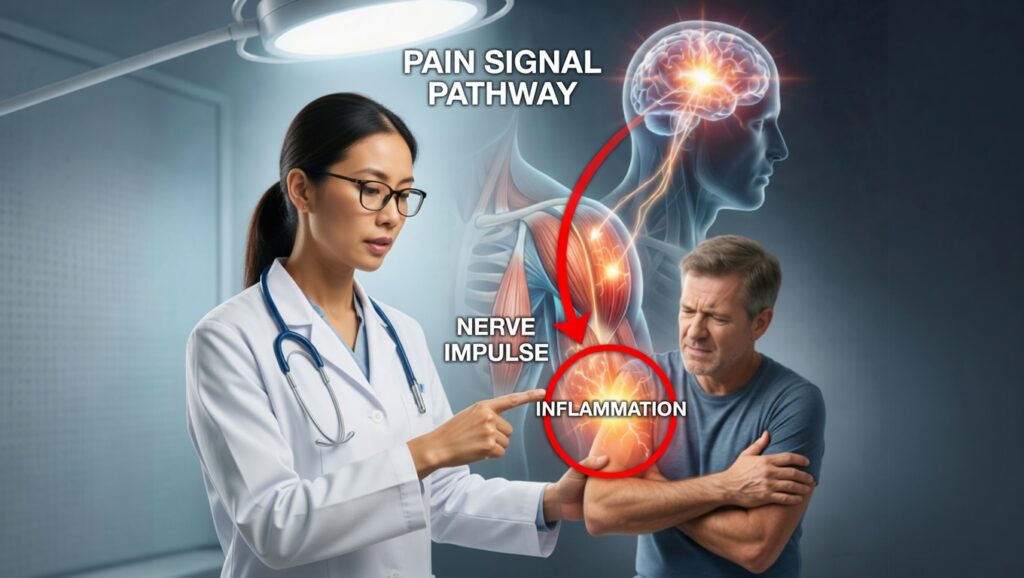
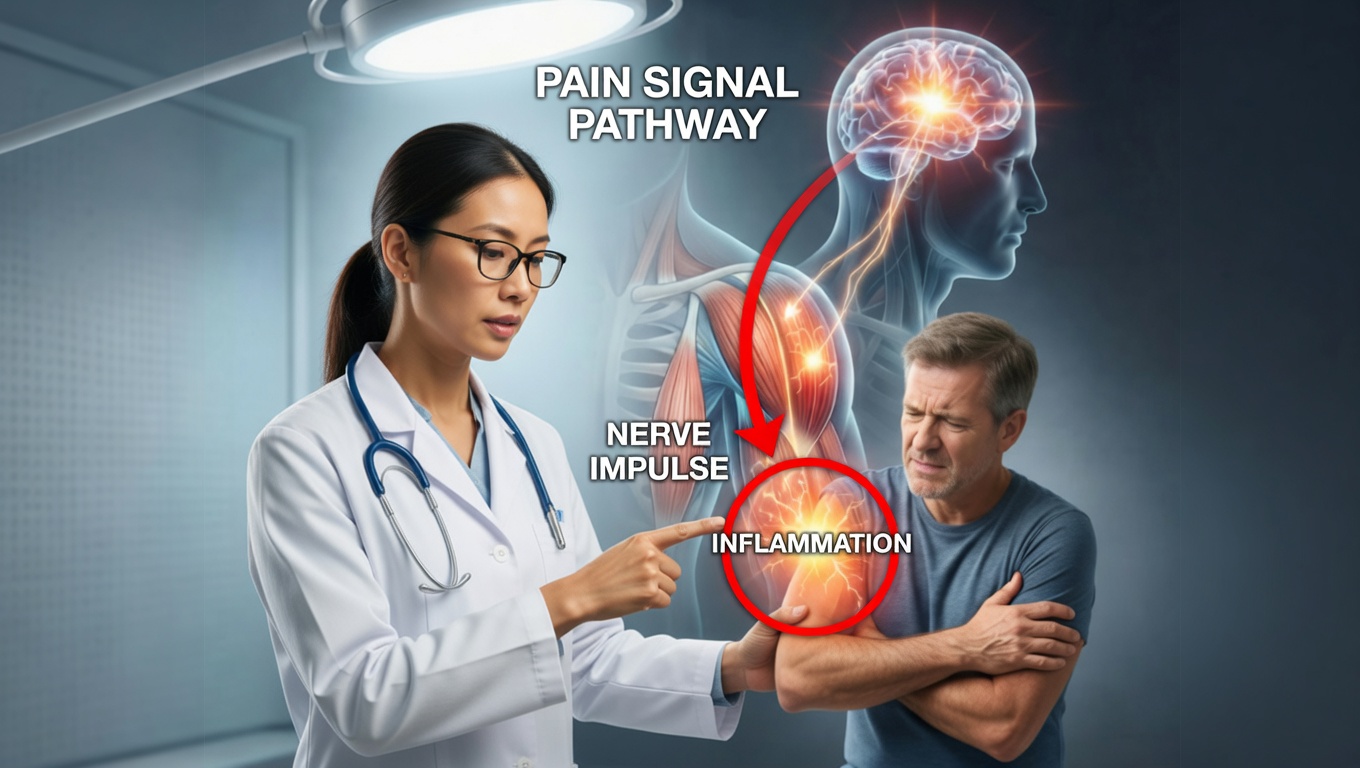
The nocebo effect and muscle pain: Simply expecting muscle pain can sometimes trigger or intensify it. That doesn’t make the pain “imaginary”—it highlights how powerfully the brain and body influence each other.
1. Atorvastatin: Not Just a Cholesterol-Lowering Pill
Because Atorvastatin belongs to the statin class, many people assume its only purpose is to bring down cholesterol numbers. It is indeed very effective at lowering:
- LDL cholesterol (the “bad” cholesterol)
- Triglycerides (another type of blood fat)
However, its most important job is often prevention.
Your doctor may prescribe Atorvastatin primarily to reduce your risk of serious cardiovascular events, such as:
- Heart attack
- Stroke
- Certain types of angina or vascular disease
You might even be surprised to receive a prescription despite having “normal” cholesterol levels. That’s because doctors look at overall cardiovascular risk, not just lab values. Factors that can raise your long-term risk include:
- Older age
- Family history of heart disease or stroke
- High blood pressure
- Diabetes or prediabetes
- Smoking
- Obesity or metabolic syndrome
Large clinical studies show that in people with an elevated overall risk profile, Atorvastatin can significantly lower the likelihood of heart attack and stroke, even when cholesterol itself doesn’t look dramatically abnormal. In that case, Atorvastatin acts as a kind of protective shield for your cardiovascular system, not just a “cholesterol fixer.”
2. When Is the Best Time to Take Atorvastatin?
One of Atorvastatin’s practical advantages is how easy it is to fit into daily life:
- You can take it once a day
- It can be taken with or without food
- It can technically be taken morning or evening
This flexibility is helpful if you’re already on a complex medication schedule and want to keep things simple by taking several medicines together.
That said, there’s a biological reason many experts recommend evening dosing:
- Atorvastatin works by blocking an enzyme in the liver that helps produce cholesterol.
- The liver makes the most cholesterol during the night, while you are sleeping.
- Taking Atorvastatin in the evening means the drug level in your blood is high when your liver’s cholesterol production peaks.
Although official guidelines say the exact time of day is not critical—because Atorvastatin has a long duration of action—taking it in the evening can be a small, easy step that may optimize its effect.
Important:
If you plan to change the time you take your dose, talk to your doctor or pharmacist first, especially if you’re on other medications.
3. A Hidden Advantage: Use in People With Kidney Problems
For people with chronic kidney disease or reduced kidney function, many medications must be carefully adjusted or avoided. Atorvastatin is often an exception.
Key points:
- Atorvastatin can generally be used without dose adjustments in people with impaired kidney function.
- This makes it a convenient and safer option for protecting heart health in patients who already have vulnerable kidneys.
Before starting Atorvastatin, your doctor may order a blood test to check a marker called creatine kinase (CK):
- CK helps identify existing muscle injury or underlying muscle problems.
- Having a baseline CK level makes it easier to interpret any future test results if you develop muscle symptoms while on treatment.
This cautious approach allows doctors to prescribe Atorvastatin to a wider range of patients—including those with kidney issues—while still monitoring for rare complications.
4. Common Digestive and Skin Side Effects
Like all prescription medications, Atorvastatin can cause side effects, although not everyone will experience them. Some of the more frequent issues involve the digestive tract and the skin.
Digestive (gastrointestinal) side effects
You may notice:
- Nausea or queasiness
- Diarrhea
- Constipation
- Bloating or gas
- General discomfort in the upper abdomen
These symptoms are often mild and may improve over time as your body adapts to the medication. If they persist or bother you, tell your doctor—sometimes dose adjustments, taking the tablet with food, or switching to a different statin can help.
Skin and nerve-related side effects
Possible skin-related reactions include:
- Itching
- Rash
- Tingling or “pins and needles” sensations
- Less commonly, hair thinning or hair loss
Most of these are not dangerous but can be uncomfortable. Mention them at your next visit; you don’t have to simply “put up with” ongoing symptoms.
Serious allergic reactions (rare but urgent)
In rare cases, Atorvastatin can trigger a severe allergic reaction. Call emergency services and stop the medication immediately if you notice:
- Swelling of the face, lips, tongue, or throat
- Difficulty breathing or swallowing
- Severe hives or widespread rash
These reactions are uncommon, but knowing what to look for can be lifesaving.
5. How Atorvastatin Affects Your Liver and Blood Sugar
Because Atorvastatin works mainly in the liver, your doctor will pay close attention to how your liver is coping with the medication.
Liver enzyme changes
Atorvastatin can cause mild increases in liver enzymes on blood tests. In most patients:
- The rise is small.
- No symptoms are felt.
- Treatment can safely continue.
Medical guidelines generally allow continued use as long as liver enzymes stay less than three times the upper limit of normal.
If your enzyme levels climb above that:
- Your doctor may lower your dose or stop the drug.
- Enzyme levels typically return to normal after the medication is discontinued.
Extra caution is used if you:
- Have a history of liver disease (e.g., hepatitis, cirrhosis, fatty liver)
- Drink large amounts of alcohol
- Take other medicines that affect the liver
Regular blood tests help your doctor balance benefits versus risks during treatment.
Blood sugar and diabetes risk
Atorvastatin can cause a slight increase in blood sugar levels in some people. For most, this change is small and does not outweigh the heart-protective benefits of the medication.
However, your doctor may monitor you more closely if you:
- Already have diabetes
- Are at high risk for diabetes (e.g., overweight, family history, prediabetes)
If you have diabetes, continue checking your blood sugar as recommended and share your readings at follow-up appointments.
6. Muscle Pain, Statins, and the Nocebo Effect
Muscle pain is one of the most widely discussed side effects of statins, including Atorvastatin. Patients often report:
- Aching or soreness in muscles
- Stiffness
- Cramps
- Weakness or fatigue in the legs, arms, or back
These symptoms are recognized and real and can occasionally indicate muscle injury. But there’s also a psychological layer to consider: the nocebo effect.
What is the nocebo effect?
The nocebo effect is the negative counterpart of the placebo effect. Instead of feeling better because you expect a benefit, you feel worse because you expect a problem.
In the case of statins:
- Many people have heard that “statins cause muscle pain.”
- If you strongly expect aches and pains, your brain may amplify normal sensations or interpret minor discomfort as significant pain.
- Studies have found that some patients experience muscle symptoms only when they believe they are taking a statin—even if they are actually on a dummy pill.
This does not mean the pain is “all in your head.” The pain is real, but it can be triggered or intensified by expectation and anxiety, showing how closely the mind and body are connected.
When muscle pain is a concern
While the nocebo effect explains some cases, Atorvastatin can still genuinely cause muscle problems in a minority of patients, ranging from mild aches to rare but serious conditions like myopathy or rhabdomyolysis (severe muscle breakdown).
Contact your doctor promptly if you notice:
- New, unexplained muscle pain or cramps
- Muscle weakness that is unusual for you
- Dark-colored urine
- Extreme fatigue, especially if combined with muscle symptoms
Your doctor may:
- Check your creatine kinase (CK) level
- Adjust your dose
- Switch you to a different statin or another cholesterol-lowering treatment
- Explore other causes of muscle pain (e.g., exercise, other medications, vitamin D deficiency, thyroid problems)
Do not stop Atorvastatin on your own without discussing it with your healthcare provider. Sudden discontinuation can increase your risk of heart attack or stroke, especially if you have a high cardiovascular risk.
Final Thoughts: Making Informed Choices About Atorvastatin
Atorvastatin is one of the most widely used and well-studied cholesterol-lowering medications in the world. Its benefits go beyond improving your lab numbers—it plays a key role in preventing life-threatening cardiovascular events, particularly in people with higher overall risk.
To use it safely and effectively:
- Understand why it was prescribed for you.
- Take it regularly, ideally at the same time each day.
- Be aware of common side effects and know the warning signs that require urgent attention.
- Remember the role of the nocebo effect—try not to let fear of side effects overshadow the proven protection the medicine offers.
- Keep an open dialogue with your doctor and pharmacist; they can adjust your treatment to fit your needs and comfort level.
By combining accurate information with regular medical follow-up, you can make confident, informed decisions about taking Atorvastatin and protecting your long-term heart health.