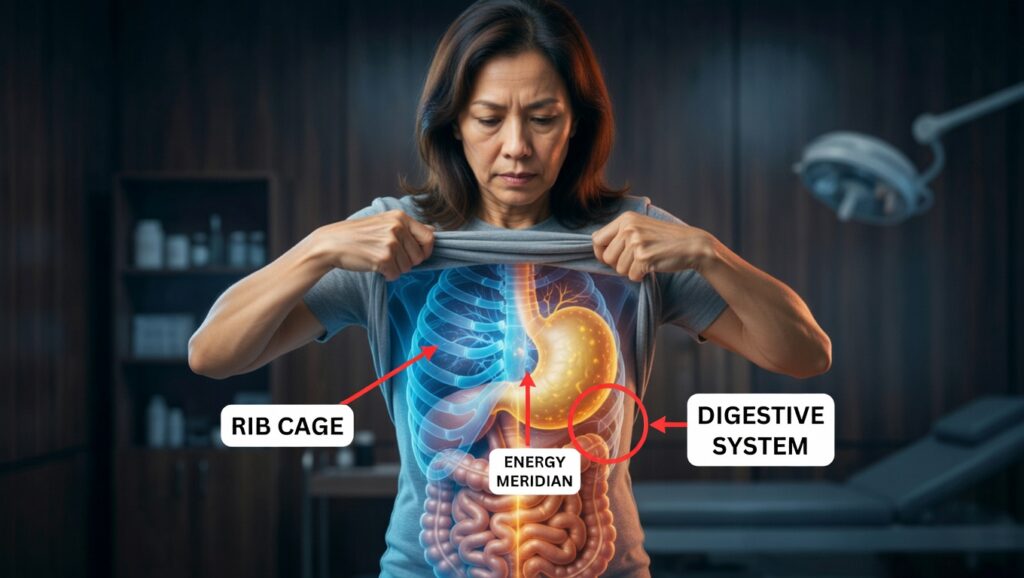
Deadly Duo: Abdominal Fat and Low Muscle Mass After 50 Raises Death Risk by 83%
A large, long-term study has found that people over 50 who have both excess belly fat and low muscle mass face an 83% higher risk of death compared with peers who do not have this combination. This condition, called sarcopenic obesity, appears to be easier to detect in everyday clinical practice than once thought, opening the door to earlier and more effective prevention.
Key Points at a Glance
- Abdominal obesity plus low muscle mass after age 50 increases mortality risk by 83%.
- Belly fat alone does not significantly raise death risk if muscle mass remains adequate.
- Simple measurements like waist circumference can help identify this high‑risk pattern early.
- Early detection enables intervention through resistance exercise, nutrition, and weight management.
What Is Sarcopenic Obesity?
Sarcopenic obesity refers to the combination of age-related muscle loss (sarcopenia) and excess body fat, especially around the waist. This dual condition is increasingly common in older adults.
People with sarcopenic obesity often experience:
- Reduced strength and mobility
- Greater frailty
- Higher risk of falls
- Increased likelihood of chronic illnesses such as diabetes and cardiovascular disease
The new study highlights how this combination does more than affect daily functioning—it can dramatically shorten lifespan.
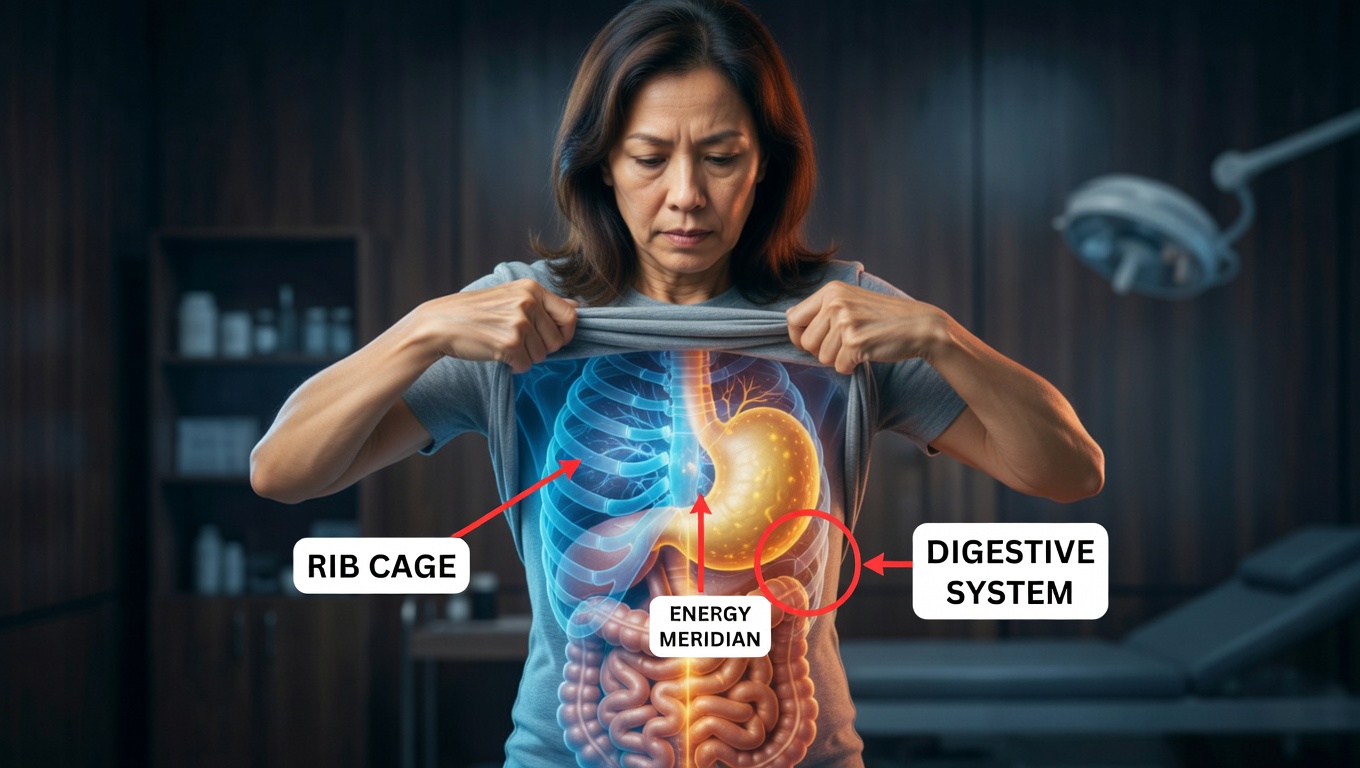
Inside the Study: How Researchers Measured Risk
The results come from 12 years of follow-up data on more than 5,400 adults aged 50 and older, drawn from the English Longitudinal Study of Ageing. Researchers from the Federal University of São Carlos (Brazil) and University College London examined how different patterns of body composition affected mortality.
Who Was at Highest Risk?
Participants were categorized based on waist circumference and skeletal muscle mass:
-
High-risk group (sarcopenic obesity):
- Men with a waist circumference over 102 cm
- Women with a waist circumference over 88 cm
- Plus low skeletal muscle mass index
This group had an 83% higher risk of death compared with the reference group.
Surprising Findings
- People with low muscle mass but without abdominal obesity actually showed a 40% lower mortality risk than the reference group.
- Participants with abdominal obesity but normal muscle mass did not have a significantly higher death rate.
These results suggest that it is the combination of excessive belly fat and low muscle mass—not either factor alone—that poses the greatest threat.
Why Is This Combination So Harmful?
When too much abdominal fat and muscle loss occur together, they create a destructive cycle inside the body:
- Chronic low-grade inflammation increases, speeding up muscle breakdown.
- Metabolic and immune functions become impaired, raising the risk of disease.
- Fat can infiltrate muscle tissue, reducing muscle quality, strength, and function.
The combined impact is far more damaging than either obesity or sarcopenia on their own, increasing the chance of disability, loss of independence, and early death in older adults.
Easier Ways to Detect Sarcopenic Obesity
Previously, diagnosing sarcopenic obesity typically required advanced imaging such as MRI or CT scans, which are expensive and not widely available for routine screening.
The new research shows that simpler tools can reliably flag high-risk individuals:
- Waist circumference measurement to assess abdominal obesity
- Estimated muscle mass using basic clinical data like age, sex, height, and weight
These practical methods make it possible to screen for sarcopenic obesity in everyday healthcare settings, without specialized equipment.
How to Reduce the Risk: Practical Steps
The study suggests that health professionals should look beyond weight or BMI and routinely consider both belly fat and muscle mass in older patients.
Recommended strategies include:
-
Resistance Training
- Regular strength exercises (e.g., lifting weights, resistance bands, bodyweight exercises) to build or maintain muscle mass.
-
Adequate Protein Intake
- Sufficient daily protein from sources such as lean meats, fish, eggs, dairy, legumes, and plant proteins to support muscle repair and growth.
-
Tailored Nutrition Plans
- Balanced diets that limit excess calories and refined carbohydrates while supporting muscle health and weight control.
-
Ongoing Physical Activity
- Incorporating movement throughout the day—walking, climbing stairs, and functional exercises—to maintain overall fitness.
By identifying sarcopenic obesity early and acting quickly, it may be possible to reduce the risk of premature death and maintain independence and quality of life as people age.
References
- “This dangerous combo in your body could raise death risk by 83%,” ScienceDaily.
- “Abdominal fat plus muscle loss linked to a much higher death risk after 50,” Diabetes.co.uk.