5 Golden Rules for Rapid Fat Loss and Lasting Weight Loss
If your goal is to burn stubborn body fat and drop a serious amount of weight—up to 50 pounds in under three months—you’re in the right place. Below are five powerful fat-loss principles that helped me personally go from 250 pounds to 170, and have supported thousands of clients over the last 17 years.
Some of these strategies go against mainstream diet advice, but they work because they harness how your hormones and metabolism actually function. When you apply them correctly, you unlock your body’s built‑in ability to burn fat and keep it off.
Forget bouncing from one fad diet to another or living in the exhausting loop of yo‑yo weight loss. Standard “eat less, move more” guidance fails so many people because it focuses on the wrong target. Sustainable results are not about starving yourself or grinding away on the treadmill. They’re about optimizing hormones, improving metabolic health, and turning your body into a fat‑burning system instead of a fat‑storage one.
Instead of obsessing over calories alone, you’ll learn how to work with your biology, not against it. These rules are inspired by the work and teachings of metabolic health expert Ben Azadi.

Key Takeaways
- The classic “calories in vs. calories out” formula is misleading for long‑term fat loss; hormone balance and metabolic health matter far more.
- Constant snacking keeps insulin elevated, locking your body into fat‑storage mode.
- Becoming “fat‑adapted” (burning fat for fuel instead of sugar) is the foundation for steady energy and sustainable weight loss.
- You can’t improve what you don’t track. Monitoring markers like fasting insulin and blood glucose gives critical insight into your metabolic health.
- Time‑tested strategies such as intermittent fasting and strategic meal timing often outperform modern quick‑fix diets.
Golden Rule #1: Let Go of “Calories In vs. Calories Out”
Most weight loss advice starts with the same idea: to lose weight, you simply need to burn more calories than you eat. On paper it sounds reasonable and may work briefly, but for long‑term fat loss, this model breaks down. If “eat less, move more” truly worked, people wouldn’t be stuck losing the same 20 pounds over and over again—and regaining even more.
Your body is not a basic calculator; it’s an intelligent, adaptive system designed for survival. When you slash your calorie intake for extended periods, your body interprets it as a food shortage. Your internal “survival software” kicks in and protects you by slowing your metabolism. Instead of continuing to burn fat freely, your body becomes more efficient at conserving energy.
This response is deeply wired into our biology from our ancestors, who faced real famines. Your body doesn’t recognize that your kitchen is stocked; it only detects less incoming energy and responds by downshifting your metabolic rate.
Calorie restriction also disrupts key hormones:
- Leptin, the hormone that tells your brain you’re full and safe, drops.
- Ghrelin, the hormone that signals hunger, rises.
The result? Intense cravings, constant hunger, and mental fatigue. You can push through with willpower for a while, but eventually biology wins.
A striking example comes from a 2016 study on 14 former contestants from The Biggest Loser. Six years after the show, almost all had regained much of the weight they lost. Worse, their resting metabolic rates were significantly lower than expected for their body size. Their bodies had adapted to extreme calorie restriction by burning fewer calories—making long‑term maintenance incredibly difficult.
The solution is to shift from quantity of calories to quality of calories.
Two meals with identical calorie counts can have completely different effects on your hormones:
- 200 calories of sugary cereal or soda will spike blood sugar and insulin, your primary fat‑storage hormone.
- 200 calories of protein and healthy fats will have a much smaller impact on insulin, keep you fuller longer, and stabilize blood sugar.
For effective and sustainable fat loss:
- Prioritize protein and healthy fats.
- Minimize refined carbohydrates and added sugars that cause insulin surges.
- Focus on foods that lower insulin and support metabolic flexibility—your body’s ability to switch between burning sugar and burning fat.
Golden Rule #2: Stop Snacking So Your Body Can Burn Fat
You’ve likely heard that eating five or six small meals a day “stokes your metabolism.” In reality, this is one of the most damaging myths in nutrition and a major roadblock to fat loss.
Every time you eat—whether it’s a full meal or a handful of snacks—you raise blood glucose and trigger an insulin response. When insulin is elevated, your body is in storage mode, not fat‑burning mode. A simple way to remember this:
- High insulin = storing fat
- Low insulin = burning fat
The average person eats or drinks something that raises insulin 17 to 23 times per day. This near‑constant grazing keeps you in a perpetual “fed state,” and your body rarely gets the extended low‑insulin window it needs to burn stored fat.
Over time, this constant insulin stimulation leads to insulin resistance—where your cells stop responding properly to insulin’s signals. This state often develops silently for 6 to 14 years before blood sugar levels become abnormal. Insulin resistance is a major driver of:
- Obesity and stubborn belly fat
- Type 2 diabetes
- Heart disease
- Certain cancers
Frequent snacking also accelerates aging. Your body relies on a built‑in cellular clean‑up system called autophagy, where it breaks down and recycles old, damaged cells. This process supports repair, regeneration, and longevity—but it only activates when you’re in a fasted state and insulin is low.
If you are constantly eating, autophagy never has a chance to do its job, leading to a build‑up of cellular damage over time.
On top of that, your digestive system needs downtime. Digestion is energy‑intensive. Research suggests that processing an 800‑calorie meal can take up to 14 hours. When you keep adding snacks on top of meals, your gut is always “on,” which can contribute to:
- Bloating and discomfort
- Indigestion and reflux
- Increased intestinal permeability (“leaky gut”)
To support fat loss, hormone balance, and gut health, move away from continuous grazing and toward fewer, more satisfying meals.
Golden Rule #3: Become Fat‑Adapted for Steady, Effortless Energy
Fat adaptation is the metabolic state where your body shifts from relying primarily on sugar (glucose) to using fat—both dietary fat and stored body fat—as its main fuel source. This is the cornerstone of sustainable fat loss and all‑day energy.
Most people today are sugar burners. Their bodies depend on frequent carbohydrate intake. When their blood sugar dips, they experience:
- Energy crashes
- Brain fog
- Irritability
- Intense cravings (“hangry” episodes)
A fat‑adapted person experiences the opposite. Because their body can easily access stored fat, they enjoy:
- Stable energy throughout the day
- Fewer cravings and less emotional eating
- Improved mental clarity
- The ability to comfortably go longer between meals or practice intermittent fasting
This metabolic flexibility is what makes long‑term fat loss and fasting feel natural instead of like punishment.
How to Become Fat‑Adapted (in About a Week)
Most people can begin shifting into fat adaptation within 5 to 7 days by following these steps:
-
Cut Back on Carbohydrates
- Gradually reduce total daily carbs to under 50 grams.
- Choose carbs mainly from non‑starchy vegetables: leafy greens, broccoli, asparagus, zucchini, cauliflower, etc.
-
Increase Healthy Fats and Protein
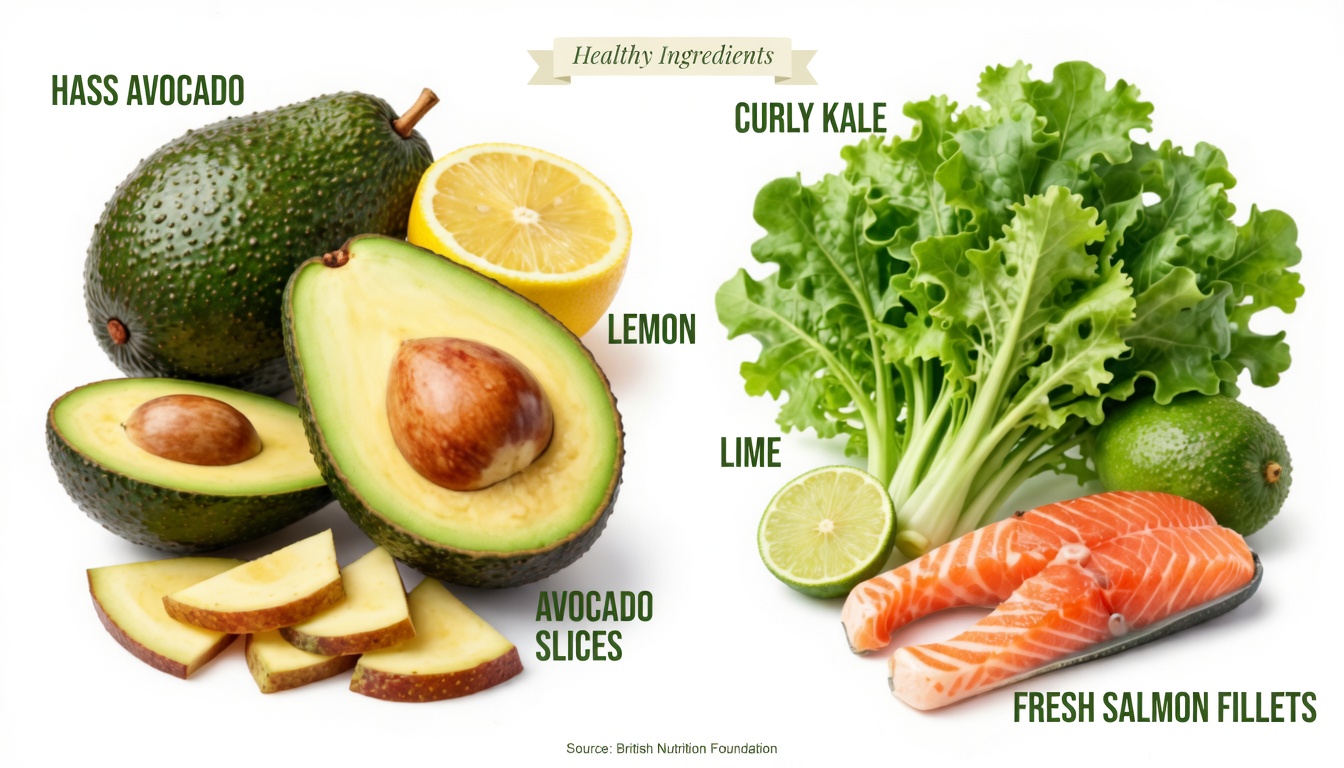
As carbs go down, fats and protein must go up to keep you satisfied and nourished. Focus on:- Avocados
- Extra virgin olive oil
- Grass‑fed butter or ghee
- Coconut oil
- Fatty fish (salmon, sardines, mackerel)
- Grass‑fed red meat
- Pasture‑raised eggs
These foods are filling, stabilize blood sugar, and provide the raw materials your hormones and metabolism need.
-
Support Electrolyte Balance
When you lower carbs, insulin levels drop and your kidneys release more water and electrolytes. Without replacing them, you may experience “keto flu” symptoms like headache, fatigue, or lightheadedness.To avoid this:
- Use a high‑quality sea salt generously on your food.
- Consider electrolyte supplements with sodium, potassium, and magnesium.
- Drink plenty of water throughout the day.
By following this protocol, you begin training your body to rely less on constant carb intake and more on its own fat stores for fuel, setting the stage for easier intermittent fasting, more consistent energy, and sustainable fat loss.