Lower Your Blood Pressure Naturally: 5 Habits That Can Change Everything
If your heart sinks every time you see a blood pressure cuff, you’re not alone. That tight squeeze, followed by yet another reading that’s higher than you hoped, can be discouraging. Many people assume high blood pressure is simply their destiny—thanks to age, genetics, or a prescription they’re told they’ll need forever.
But hypertension is not always a life sentence. You can often lower your blood pressure naturally and sustainably—not with a miracle drug, but by changing a few powerful habits. Instead of only masking symptoms, these strategies aim at the underlying causes of high blood pressure.
By adjusting your nutrition, movement, and stress response, you can support your cardiovascular system and work toward healthy blood pressure for the long term. (Inspired by the work of Adam J. Story, DC)
Key Takeaways
-
Prioritize key minerals: Getting enough potassium and magnesium is often more important than obsessively cutting salt. These minerals help relax and soften your blood vessels.
-
Limit processed foods, not just table salt: Most excess sodium comes from packaged, processed, and ready-made meals—not from the salt you add at the table.
-
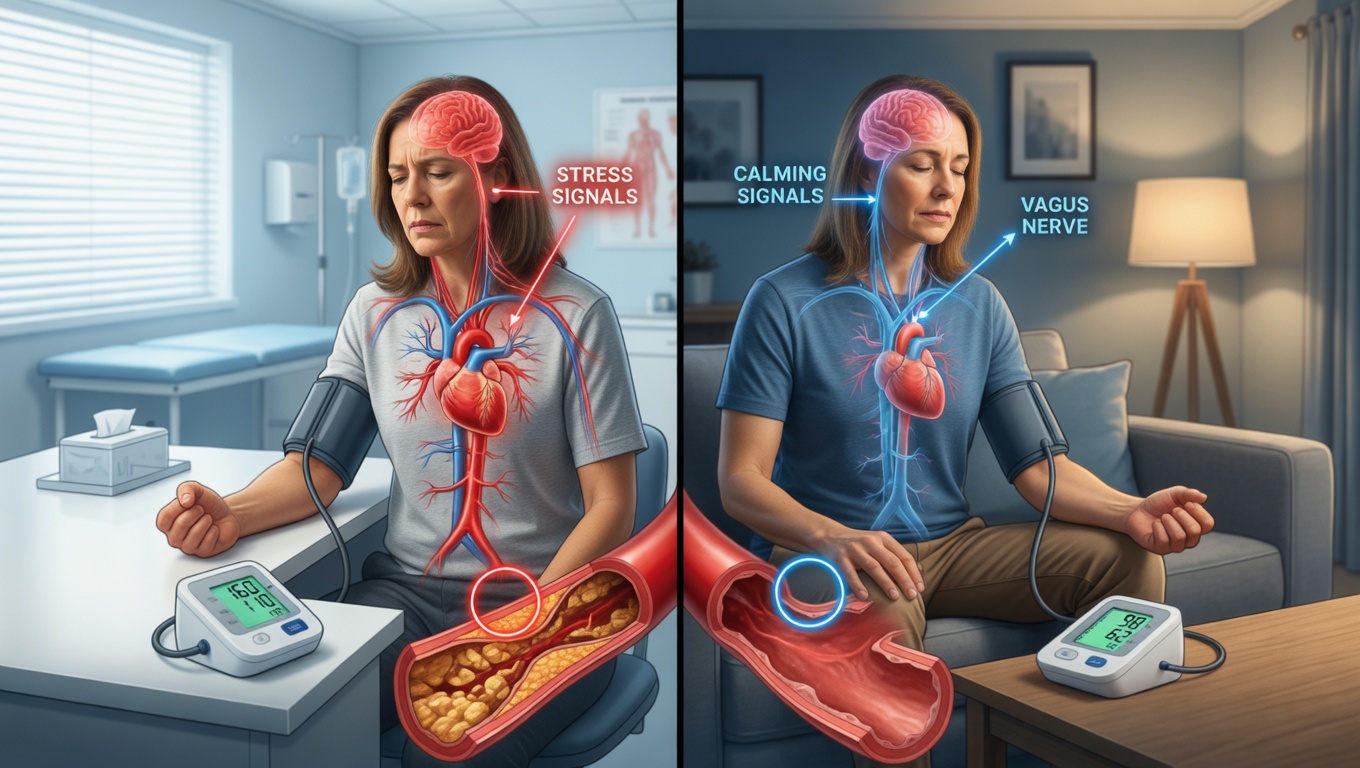
Watch out for “white coat syndrome”: Anxiety at the doctor’s office can temporarily raise your blood pressure and lead to misleading readings and unnecessary medication.
-
Build a stronger heart with cardio: Your heart is a muscle. Regular cardiovascular exercise makes it stronger and more efficient, which naturally lowers blood pressure.
-
Manage chronic stress: Ongoing stress keeps your body in fight-or-flight mode, raising blood pressure. Learning to regulate your stress response is essential for lasting heart health.
1. Supercharge Your Diet with Potassium and Magnesium
The first major shift is in how you think about food. Instead of focusing only on what to cut out, emphasize what your body needs more of—especially potassium and magnesium.
Magnesium plays a role in over 300 biochemical processes in the body, including muscle and nerve function, and low levels can contribute to elevated blood pressure. Potassium, however, is the real game-changer for many people. It works with your kidneys and other organs to help your blood vessels stay soft, flexible, and relaxed. When your arteries are less stiff, the pressure inside them naturally decreases.
Great whole-food sources of potassium include:
- Avocados
- Bananas
- Apricots (fresh or unsulfured dried)
- Coconut water
- Potatoes (such as russet potatoes, especially with the skin)
You may have heard warnings about potassium being dangerous or causing “potassium poisoning.” It’s true that people with kidney disease or those on certain medications that reduce potassium excretion must be cautious. But for the vast majority of healthy individuals, it is extremely difficult to consume too much potassium from whole foods alone. Healthy kidneys efficiently eliminate any excess.
Don’t confuse natural, nutrient-dense carbohydrate sources—like fruit or potatoes—with ultra-processed junk food. Your body absolutely knows the difference between the fiber-rich nutrients in a banana and the refined sugars and fats in a donut. When it comes to blood pressure, potassium-rich whole foods are your ally, not your enemy.
2. Rethink Your Relationship with Salt
For years, conventional advice has been blunt: “Eat less salt to lower your blood pressure.” While sodium reduction can help some people, the message is often incomplete.
The main problem usually isn’t the pinch of salt you sprinkle on homemade meals. It’s the huge amount of sodium hidden in:
- Frozen dinners and microwaveable meals
- Boxed and instant foods
- Canned soups and sauces
- Snack foods, chips, crackers, and processed meats
Manufacturers pack these products with sodium to boost flavor and extend shelf life. That’s where most people get the bulk of their salt intake.
Salt sensitivity also varies. Some individuals see a big drop in blood pressure when they cut back on sodium; others experience only a small change. But almost everyone benefits from reducing heavily processed, high-sodium foods and replacing them with fresh, whole ingredients.
A practical strategy:
- Cook more at home using fresh vegetables, lean proteins, whole grains, and healthy fats.
- Season your food yourself so you control how much salt you use.
- Consider a salt alternative that contains potassium chloride instead of (or in addition to) sodium chloride.
By switching to a potassium-based salt substitute, you can lower your sodium intake and increase your potassium at the same time—supporting healthier blood pressure from both angles.
3. Outsmart “White Coat Syndrome”
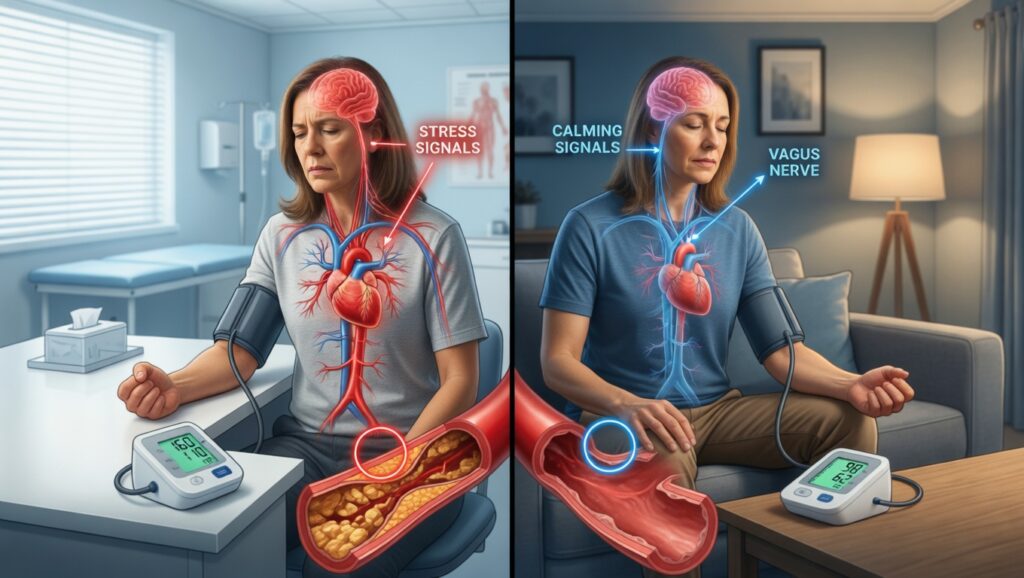
If your blood pressure seems high only at the doctor’s office but looks better at home or in other settings, you might be dealing with “white coat syndrome.” This is a real, documented response where the stress of a clinical environment temporarily drives up your blood pressure.
The risk is that a single elevated reading in a stressful situation may lead to:
- A diagnosis of hypertension based on incomplete information
- Prescriptions for blood pressure medications you may not truly need
- Side effects such as dizziness, fatigue, or fainting from unnecessary medication
In older adults, these side effects can raise the risk of falls and injury.
To get a more accurate picture of your true blood pressure, try the following:
-
Use deep breathing before your reading. Spend a few minutes breathing slowly and deeply before the cuff goes on. This helps your nervous system shift toward a calmer state.
-
Ask to measure at the end of your visit. By then, you’re often more at ease. Taking the reading after you’ve had time to relax can yield a more realistic result.
-
Monitor at home. Invest in a reliable home blood pressure monitor and take readings at consistent times, in a quiet, comfortable environment. Keep a log over several days or weeks.
Bring your home readings to your healthcare provider. This record often gives a far more accurate view of your usual blood pressure and can show whether spikes happen only in the office.
4. Make Cardiovascular Exercise Non-Negotiable
There’s a growing trend in some fitness circles that dismisses cardio in favor of only building visible muscle. While strength training is valuable, ignoring cardiovascular exercise is a serious mistake—especially if you want to lower your blood pressure.
Your heart is a muscle. The same way you train your legs or arms, your heart needs regular work to become stronger and more efficient. A well-conditioned heart can pump more blood with each beat, reducing the effort it has to make and decreasing the pressure on your arteries.
Cardio doesn’t have to mean running marathons. Choose activities that raise your heart rate and that you actually enjoy, such as:
- Brisk walking or jogging
- Cycling (indoors or outdoors)
- Swimming
- Hiking
- Dancing
- Rowing or group fitness classes
A helpful target range is around 3.5 to 7 hours of moderate cardiovascular exercise per week. If that sounds overwhelming, start smaller—30 minutes a day, a few days a week, is a powerful beginning. Consistency is what counts.
Think of cardio not as a temporary tactic, but as a lifelong habit that protects your heart, increases your energy, and supports healthy blood pressure over time.
5. Become the Master of Your Stress
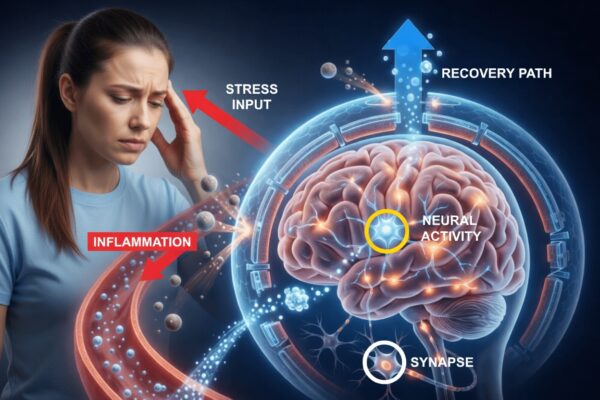
This final habit may be the hardest to implement, yet it’s often the most crucial. Persistent stress can sabotage even the best diet and exercise routine.
Your nervous system operates in two primary modes:
- Sympathetic (“fight-or-flight”): Activated during stress, danger, or perceived threats
- Parasympathetic (“rest-and-digest”): Activated during safety, relaxation, and recovery
When you live in constant stress—deadlines, conflict, worry, financial pressure, or unresolved emotional issues—your body can get stuck in fight-or-flight mode. In this state:
- Your adrenal glands release stress hormones like cortisol and adrenaline
- Heart rate and breathing speed up
- Blood vessels tighten and constrict
All of this pushes your blood pressure higher.
If your readings jump all over the place—high one moment, closer to normal the next—it often signals that stress and your nervous system are playing a major role.
To regain control, focus on practices that calm your body and mind, such as:
- Breathing exercises: Slow, diaphragmatic breathing (for example, inhaling for 4 seconds, exhaling for 6–8 seconds) can quickly shift your body toward a calmer state.
- Mindfulness or meditation: Even 5–10 minutes a day can lower stress reactivity over time.
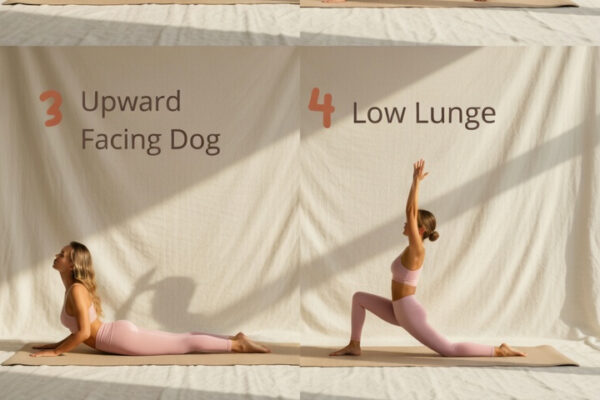
- Regular movement: Gentle activities like walking, yoga, or tai chi reduce stress while supporting circulation.
- Quality sleep: Aim for a consistent sleep schedule and a relaxing bedtime routine to help your body recover.
- Healthy boundaries: Limit exposure to unnecessary stressors, whether that’s work overload, constant news, or draining relationships.
- Emotional support: Counseling, coaching, or talking with a trusted friend or professional can help you process long-term stress.
The goal isn’t to eliminate stress (which is impossible) but to change how your body and mind respond to it. When your nervous system can regularly return to a rest-and-digest state, your blood pressure often follows.
Bringing It All Together
Lowering blood pressure naturally isn’t about a single hack or a quick fix. It’s about building a lifestyle that supports your heart and blood vessels every day.
To recap the five core habits:
- Eat more potassium and magnesium from whole foods to relax and protect your blood vessels.
- Cut back on processed, high-sodium foods and control how much salt you add yourself—consider potassium-based salt alternatives.
- Address white coat syndrome by using relaxation techniques, timing your readings wisely, and tracking blood pressure at home.
- Commit to regular cardiovascular exercise to strengthen your heart and improve overall circulation.
- Actively manage stress so your body isn’t stuck in fight-or-flight mode.
When you consistently apply these strategies, you’re not just chasing lower numbers on a device—you’re investing in long-term cardiovascular health and quality of life. Always work with your healthcare provider as you make changes, especially if you’re on blood pressure medication, but remember: you have more influence over your blood pressure than you might think.