Can Apple Cider Vinegar Help With Belly Fat?
Apple cider vinegar gets a lot of attention in wellness conversations, especially when the topic is belly fat. Many people believe it can help slim the waistline, but the real answer is not so simple.
Apple cider vinegar is a fermented vinegar made from crushed apples. It is often used in salad dressings and pickles. When it comes to belly fat, the discussion around apple cider vinegar is often divided because the scientific evidence is mixed. That means its effects are sometimes overstated and sometimes dismissed.
This balanced guide looks at the possible ways apple cider vinegar may support belly fat reduction, along with the risks you should know.

The Problem: Belly Fat and Bloating
Belly fat, especially visceral fat, is not always easy to see. At the same time, many people also deal with a bloated stomach, which can make the issue feel even more frustrating. Because of this, apple cider vinegar is often promoted as a remedy for both bloating and belly fat.
The question is whether it truly works.
Cause: Why Apple Cider Vinegar May Affect Belly Fat
1. It may help with bloating and digestion
There is some truth to the idea that apple cider vinegar can help with bloating, but there are important limits.
Apple cider vinegar contains probiotics and prebiotics, which may help support the balance of bacteria in the gut. Better gut health can make digestion feel smoother, and this may play a role in reducing belly fat.
However, this effect does not happen for everyone. In some cases, apple cider vinegar may actually slow digestion too much and create the opposite result. For people with sensitive stomachs, its acidity can also lead to nausea or discomfort.
2. It may help regulate blood sugar
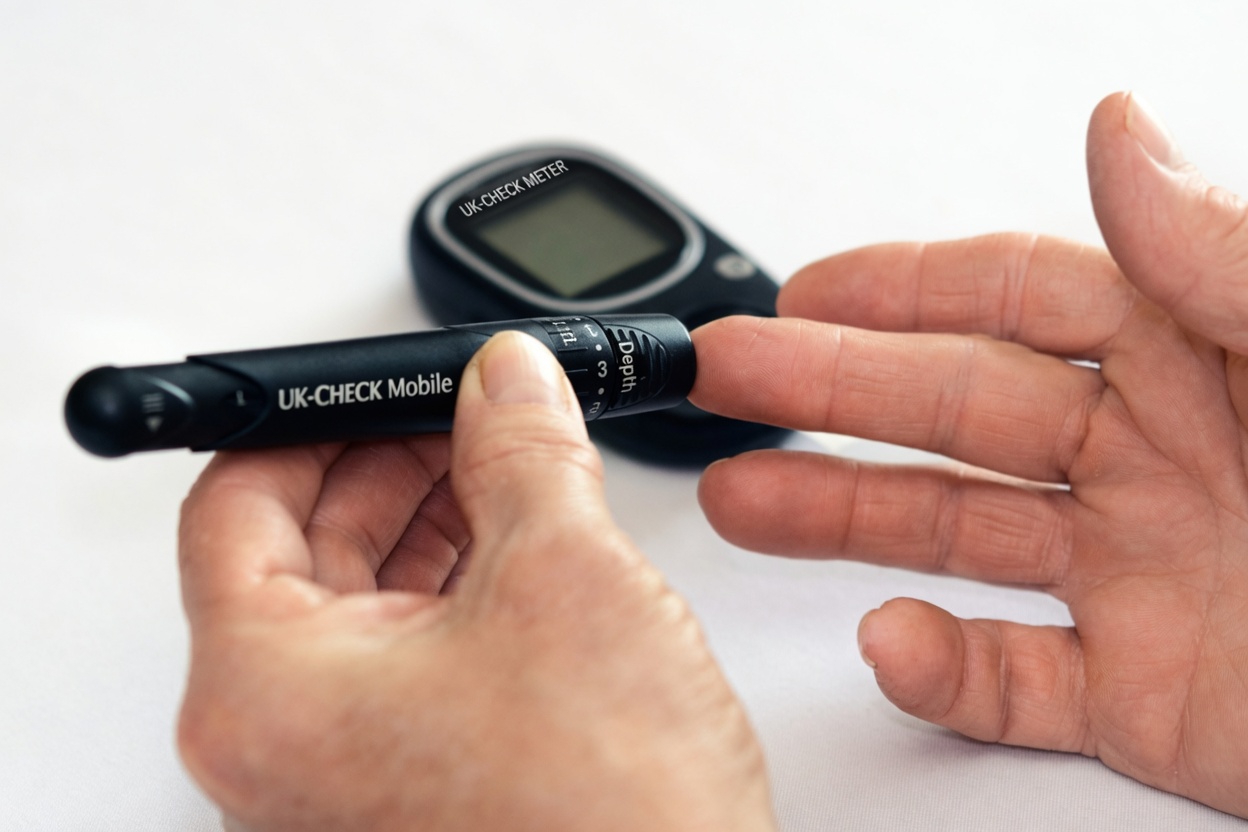
Another reason apple cider vinegar is linked to belly fat is its possible effect on blood sugar.
Some studies suggest that the acidic content of apple cider vinegar keeps food in the stomach longer. This may slow how quickly sugar enters the bloodstream. As a result, blood sugar levels may be modestly controlled, which may help reduce belly fat by lowering fat storage.
Apple cider vinegar may also improve insulin sensitivity. In simple terms, this means the body may use insulin more effectively, helping glucose move into cells more efficiently. This can help stabilize blood sugar, especially after meals.
Still, apple cider vinegar is not a replacement for medication prescribed for diabetes or blood sugar monitoring. A consultation with a doctor about its use, dosage, and long-term effects is a necessary precaution.

3. It may reduce appetite for a short time
Feeling full can help reduce overeating, which may then help with belly fat. Apple cider vinegar is sometimes discussed as a way to increase satiety.
Because it may slow digestion and help keep food in the stomach longer, apple cider vinegar may make you feel fuller. When this is combined with steadier blood sugar levels, cravings may decrease.
But this effect may only be short-term. Experts suggest that apple cider vinegar does not produce meaningful long-lasting results, especially for weight loss. A balanced diet and regular exercise remain the only approaches mentioned here that can make a measurable difference in belly fat.

4. It may support gut health, but the long-term picture is unclear
Apple cider vinegar is also tied to gut health for several reasons already mentioned.
It contains probiotics and prebiotics that may nourish good gut bacteria. Its acidic content may support digestion, and it may also help stabilize blood sugar levels. Together, these effects may improve gut health and could potentially help reduce belly fat.
Even so, the long-term role of apple cider vinegar in gut health remains uncertain because strong evidence is lacking. There are also risks to consider. If consumed undiluted, apple cider vinegar may damage tooth enamel and irritate the throat because of its acidity. These mixed effects make the overall long-term outcome unclear.

The Solution: Use Apple Cider Vinegar Carefully and Keep Expectations Realistic
Apple cider vinegar may have a place in a belly fat routine, but its effects depend on several factors.
First, the benefits appear to be time-bound. Smoother digestion, improved gut health, and fewer cravings may happen, but these effects are usually short-term and may not lead to the lasting, significant changes many people want.
Second, the way you use apple cider vinegar matters. It should always be consumed diluted. Otherwise, its acidic content may cause discomfort in the stomach and throat. Taken raw, it may also harm tooth enamel.
Apple cider vinegar may help with belly fat and support health in other ways, but the impact may be temporary. It should never replace a healthy diet, prescribed medication, or regular exercise.
Final Thoughts
Apple cider vinegar is not a magic fix for belly fat. It may help with bloating, digestion, appetite, blood sugar, and gut health in some cases, but the results are not always consistent and may not last.
Used properly, it may offer some support. Used the wrong way, especially undiluted, it may cause discomfort and irritation. The best approach is to keep your expectations realistic and remember that long-term progress still depends on healthy eating, regular exercise, and appropriate medical care when needed.
Consult a healthcare professional before making changes.