A Simple Nighttime Drink to Protect Your Muscles as You Age
What if one of the best ways to preserve your strength as you get older didn’t happen in the gym, but in the hour before you fall asleep? A single glass of milk, combined with two natural ingredients, can become a powerful ally for maintaining muscle, improving sleep quality, and waking up feeling more refreshed.
This is not a miracle cure or a fad recipe—it’s physiology used wisely. Many people assume muscle is only lost because they don’t exercise enough. In reality, a significant part of age-related muscle loss also occurs quietly at night, when your body spends hours without the nutrients it needs to repair and rebuild tissue.
During those 7–8 hours of sleep, if there aren’t enough amino acids and key nutrients available, your body slows down recovery processes. Night after night, this reduced repair capacity can gradually lead to losses in strength, balance, and functional independence.
By the end of this article, based on insights from Dr. Alberto Sanagustín, you’ll know exactly what to drink, how to prepare it, and why it works according to current scientific understanding. It’s a small evening habit that can pay off for many years.

Key Takeaways
-
The Problem – Nighttime Muscle Loss (Sarcopenia): After about age 50, sarcopenia—age-related muscle loss—accelerates. A surprisingly large portion of this decline happens overnight, when you go many hours without food.
-
The Strategy – Protein Before Bed: A night-time drink rich in slow-digesting protein supplies your body with a steady stream of amino acids while you sleep, turning nighttime from a catabolic (breakdown) phase into a more anabolic (repair) phase.
-
The Base – Milk and Casein Protein: Milk is an excellent foundation because it contains casein, a protein that digests slowly over 6–8 hours, plus tryptophan, which supports better sleep.
-
The Enhancers – Honey (or Pure Cocoa) and Cinnamon: A small amount of honey or unsweetened cocoa and a pinch of cinnamon can improve how your body uses protein, support metabolic health, and help reduce low-grade inflammation.
-
The Big Picture – One Tool Among Many: This drink works best alongside the three main pillars of muscle maintenance: regular strength training, smart daily nutrition, and high-quality, restorative sleep.
1. Why Muscle Loss Speeds Up at Night
As we age—especially beyond 50 or 60—our bodies naturally start to lose muscle mass and strength. This process, known as sarcopenia, is common but not unavoidable. With the right habits, you can slow it down significantly and even regain some lost muscle.
From around age 40, if you make no lifestyle changes, you may lose roughly 3–8% of your muscle mass each decade, and this loss accelerates after 60. What many people don’t realize is that a significant part of this decline happens while they sleep.
During the day, you eat, move, and stimulate your muscles. At night, however, your body enters a long fasting period—often 7–8 hours or more—with no intake of protein or energy. If there aren’t enough amino acids (the components of proteins) circulating in your bloodstream during that time, your body reduces muscle protein synthesis—the process of repairing and building muscle fibers.
This doesn’t necessarily mean your body is directly “eating” its own muscle each night, but it does mean that the balance shifts: there is less building and more net loss. Over months and years, this imbalance translates into noticeable declines in muscle mass, strength, and stability.
Think of your muscle as a bank account:
- Every protein-rich meal is a deposit.
- Exercise is the interest that grows your balance.
- A long night with no nutrients is like letting fees slowly drain your account.
You might not feel the impact after one night, but the cumulative effect over time is substantial—especially after 60, due to three main physiological changes:
1.1 Reduced Anabolic Efficiency
As you age, your muscles require a stronger stimulus to grow or even maintain themselves. The same amount of protein that once triggered muscle repair in your 30s or 40s may not be enough in your 60s or 70s.
- What used to work with around 15 grams of protein might now require 20–30 grams.
- The “switch” that activates muscle building becomes harder to flip, so sufficient protein at the right times becomes more important.
1.2 Anabolic Resistance
Older muscle tissue becomes less responsive to the signals that normally trigger growth and repair. In younger adults, a protein-rich meal quickly stimulates muscle protein synthesis. In older adults, the response is weaker and slower.
This makes timing more critical. Consuming quality protein shortly before bed can keep beneficial amino acids available and support muscle synthesis during the night, partly counteracting anabolic resistance.
1.3 Chronic Low-Grade Inflammation (“Inflammaging”)
With aging, many people develop a low, persistent level of inflammation—often called inflammaging. This background inflammation acts like a brake on tissue repair, including muscle regeneration.
Any strategy that:
- Supplies continuous amino acids, and
- Helps reduce chronic inflammation
can contribute to better muscle maintenance over time.
2. Why Milk Before Bed Is So Effective
Milk often has a mixed reputation. Some people find it heavy, and others notice they digest it less comfortably as they age. But when well tolerated and used wisely, milk can be a powerful tool for muscle preservation—especially after 60.
The key isn’t just its calcium, but its protein profile, particularly casein.
2.1 Casein: A Slow-Release Protein for the Night
Milk contains two main proteins: whey and casein. Whey is absorbed quickly, while casein works like a time-release protein.
When casein reaches the stomach, it forms a sort of gel that digests slowly. As a result, it releases amino acids into the bloodstream gradually over 6–8 hours—the typical length of a night’s sleep.
This means:
- Your muscles receive a gentle, steady supply of building blocks all night.
- The sharp drops in amino acid levels that would normally occur during fasting are reduced.
- Muscle protein synthesis can remain higher for longer, which is especially beneficial in older adults with anabolic resistance.
In simple terms, a glass of milk before bed can act like a nutritional IV drip for your muscles—without needing any supplements or equipment.
2.2 Tryptophan, Serotonin, and Better Sleep
Milk also naturally contains tryptophan, an essential amino acid your body cannot produce on its own. Tryptophan is the raw material for:
- Serotonin – a neurotransmitter that supports relaxation and improves mood.
- Melatonin – the hormone that regulates your sleep–wake cycle.
This conversion process takes roughly an hour, which is why drinking this mixture 30–60 minutes before bedtime works best. You’re not forcing sleep; you’re providing your body with the precursors it needs to naturally produce the hormones associated with rest.
When you sleep better, muscle recovery and hormonal balance (including growth hormone and testosterone in men and women) also tend to improve, reinforcing the benefits for muscle maintenance.
3. Ingredient #1: Honey or Pure Cocoa – The Metabolic Trigger
Once you’ve chosen milk as your base, adding the right first ingredient can significantly amplify its effects. The two main options are:
- A small teaspoon of honey, or
- A spoonful of 100% pure, unsweetened cocoa powder.
The objective is not simply to make the drink taste better, but to activate a specific metabolic pathway.
3.1 Why a Little Honey Helps
When you consume a tiny amount of a natural carbohydrate such as honey, your pancreas releases a moderate amount of insulin. In this context, insulin is beneficial.
Insulin acts like a key that unlocks muscle cells, helping:
- Amino acids from the milk’s casein enter muscle cells more efficiently.
- Those amino acids be used for repair and rebuilding, instead of just circulating in the blood.
This concept is well established in sports nutrition, where athletes often combine protein with a small portion of carbohydrates after training to enhance muscle protein synthesis. Here, we’re applying the same principle to nighttime recovery.
The crucial point is dose:
- About 1 small teaspoon (around 5 grams) of honey is enough.
- Taking more does not significantly improve muscle repair, and it may raise blood sugar more than necessary.
If you have type 2 diabetes or need to avoid added sugars, honey might not be the best option for you.
3.2 Pure Cocoa for Those Avoiding Sugar
If you prefer to skip simple sugars, you can use 100% pure cocoa powder (unsweetened) instead.
While cocoa doesn’t provide the same insulin spike as honey, it offers other valuable benefits:
- Magnesium: Supports muscle relaxation and nervous system balance.
- Polyphenols: Natural compounds with antioxidant and mild anti-inflammatory effects.
- Flavor: Adds a rich taste that makes this nightly habit more enjoyable and sustainable.
Both honey and pure cocoa are valid options. Choose the one that aligns best with your health status, blood sugar control, and personal preferences.
4. Ingredient #2: Cinnamon – The Metabolic Regulator
The second ingredient in this nighttime drink is cinnamon, a spice with effects that go far beyond flavor.
Cinnamon has been widely studied for its impact on blood sugar control and insulin sensitivity, particularly in people with mild metabolic issues or early insulin resistance.
4.1 How Cinnamon Supports Metabolism
Cinnamon appears to act as a metabolic modulator, helping your body use glucose and other nutrients more efficiently. It can:
- Improve how your cells respond to insulin.
- Support more stable blood sugar levels.
- Enhance the entry of glucose and amino acids into cells, where they’re used for energy and repair.
Research, including several meta-analyses, suggests that consuming roughly ½ to 1 teaspoon of cinnamon per day can modestly:
- Lower fasting blood glucose in some individuals.
- Improve markers of insulin resistance over time.
These effects are not dramatic like medication, but they add up when combined with good nutrition and regular physical activity.
4.2 Anti-Inflammatory and Antioxidant Benefits
Cinnamon also contains:
- Antioxidants, which help protect cells from oxidative stress.
- Anti-inflammatory compounds, which can slightly reduce low-grade inflammation—one of the contributors to age-related muscle decline.
By calming chronic inflammation and supporting better metabolic health, cinnamon helps create a more favorable environment for muscle maintenance and nighttime repair.
4.3 How Much Cinnamon to Use
For this drink, a small amount is enough:
- Start with ¼ to ½ teaspoon of ground cinnamon.
- Adjust according to taste and tolerance.
Cassia cinnamon in large amounts can contain significant coumarin, which may affect the liver if consumed excessively over long periods. The modest quantities used in this recipe are usually considered safe for most healthy adults, but if you have liver disease or other medical conditions, talk with your healthcare provider.
5. How to Prepare the Nighttime Muscle Drink
Now let’s put everything together into a simple, practical recipe you can use every evening.
5.1 Ingredients
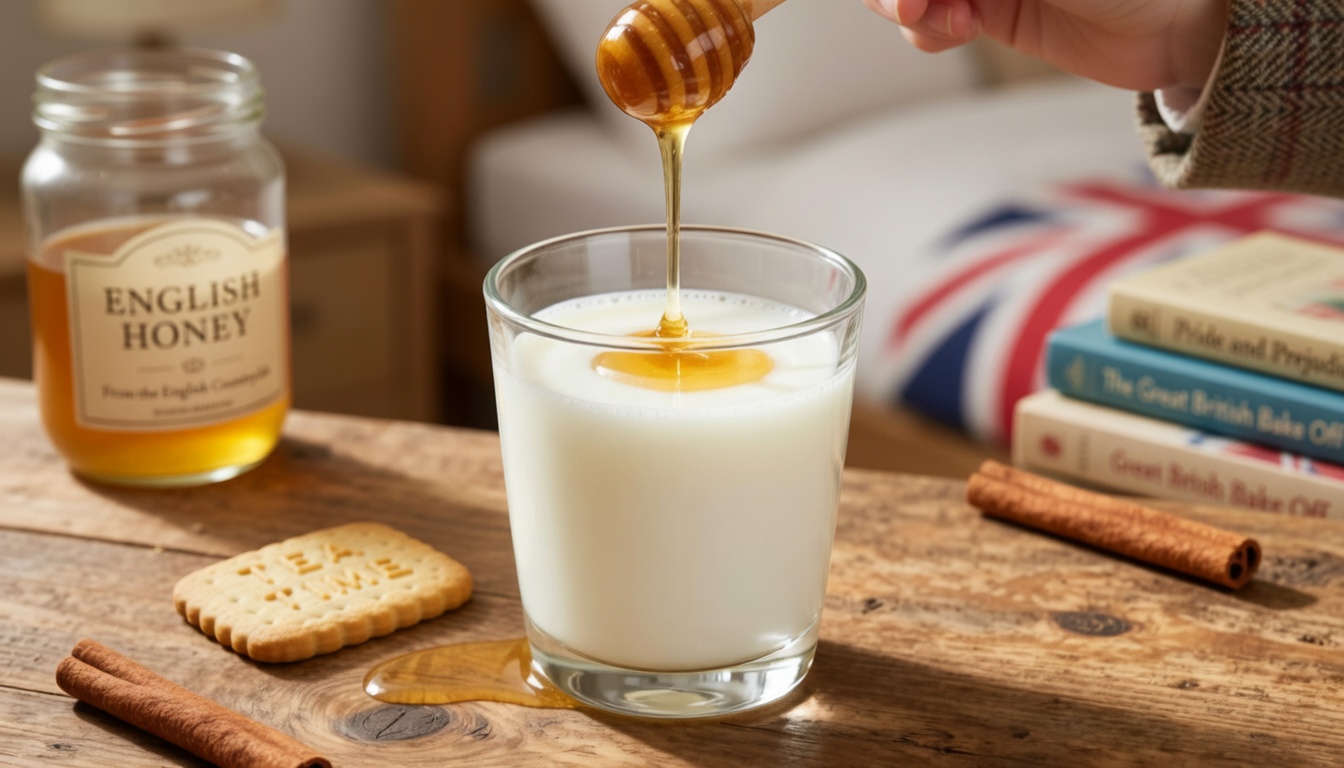
- 1 glass (about 200–250 ml) of milk
- Choose the type you tolerate best: whole, semi-skimmed, skimmed, or a lactose-free version if needed.
- 1 metabolic trigger:
- Option A: 1 small teaspoon of honey, or
- Option B: 1 tablespoon of 100% pure, unsweetened cocoa powder
- ¼–½ teaspoon of ground cinnamon
5.2 Preparation Steps
-
Warm the milk (optional):
- Gently heat the milk until it’s warm but not boiling. Warm milk is often more relaxing before bed, but cold milk also works if you prefer.
-
Add the metabolic trigger:
- Stir in the honey until fully dissolved, or
- Mix in the pure cocoa powder thoroughly so there are no lumps.
-
Add the cinnamon:
- Sprinkle in ground cinnamon and stir well. Taste and adjust the amount within the recommended range if necessary.
-
Timing:
- Drink your mixture about 30–60 minutes before going to bed.
- This timing allows tryptophan to convert into serotonin and melatonin and gives your body time to start absorbing the casein.
5.3 How Often to Take It
- You can use this drink daily, especially if you are over 50–60 and concerned about muscle loss.
- Combine it with regular strength or resistance training for the best results.
6. Who Should Be Careful
While this drink can be helpful for many older adults, it’s not suitable for everyone. Be cautious or consult a healthcare professional if you:
-
Are lactose intolerant or allergic to milk:
- Consider lactose-free milk or speak with a dietitian about alternative slow-digesting protein sources.
-
Have diabetes or prediabetes:
- Use unsweetened cocoa instead of honey, and monitor your blood sugar response.
- Cinnamon may help, but it does not replace medication or medical advice.
-
Have kidney disease:
- Protein intake may need to be controlled. Check with your doctor before increasing protein, even from milk.
-
Have liver problems or take certain medications:
- Regular, high intake of cassia cinnamon may not be ideal. Keep amounts small and discuss with your physician if in doubt.
Listening to your body is important. If you experience digestive discomfort or other symptoms, adjust the ingredients or talk to a healthcare professional or nutritionist.
7. The Bigger Picture: A Small Habit With Long-Term Benefits
This nighttime drink is a simple, practical tool, not a standalone solution. To truly protect muscle mass and independence as you age, combine it with three essential pillars:
-
Regular Strength Training:
- 2–3 times per week of resistance exercise (weights, bands, bodyweight) sends a strong signal to your body to maintain and build muscle.
-
Balanced Protein Intake Throughout the Day:
- Include quality protein sources in each main meal (meat, fish, eggs, dairy, legumes, tofu, etc.).
- Aim for sufficient total daily protein according to your doctor’s or dietitian’s recommendations.
-
Restorative Sleep:
- Protect your sleep routine, limit screens before bed, and create a calm environment.
- The nighttime drink supports this by providing tryptophan and stabilizing metabolism.
By adding this glass of milk with honey or cocoa and cinnamon before bed, you’re:
- Providing your muscles with slow-release protein all night,
- Supporting better sleep quality, and
- Improving your metabolic and inflammatory environment.
Over time, this small, consistent habit can help you preserve muscle mass, maintain strength, and protect your independence as you age.