Pill-Based Treatments Could Transform Sleep Apnea Care
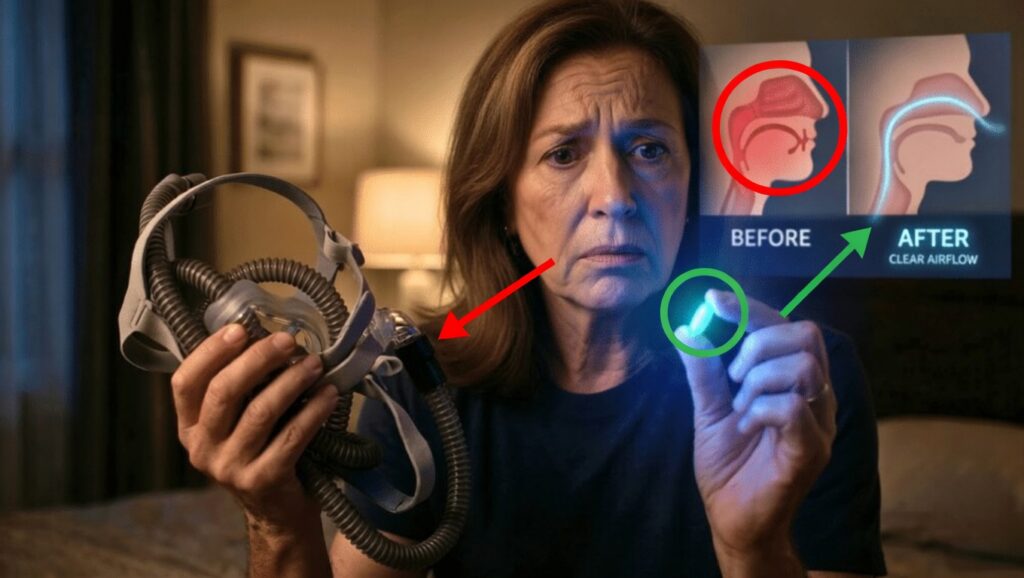
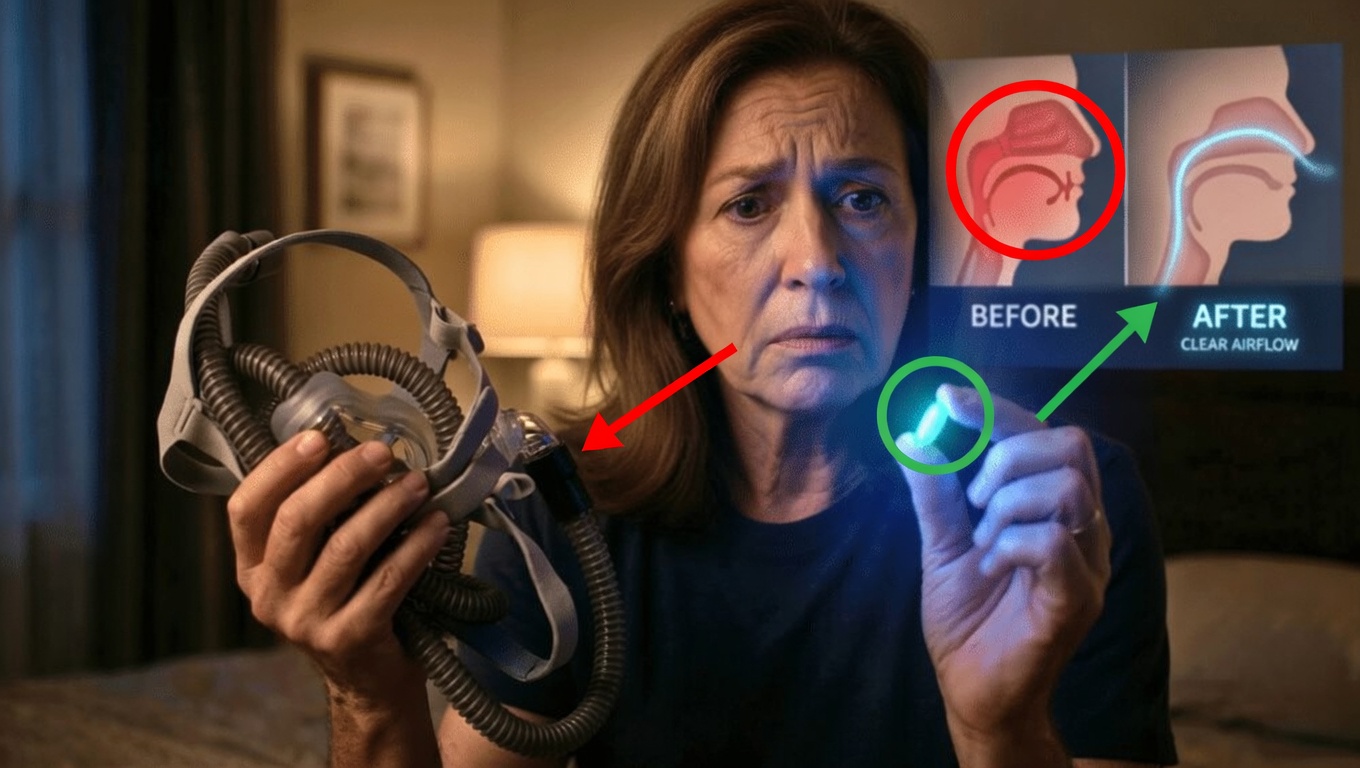
A new generation of pill-based therapies for obstructive sleep apnea (OSA) is showing strong results in clinical trials, offering hope for people who struggle with mask-based treatments such as CPAP. If confirmed in larger studies, these medications could reshape how sleep apnea is managed worldwide.
Key Takeaways
- AD109, a combination drug, significantly reduced breathing disruptions in a large clinical trial.
- Sulthiame, an older medication repurposed for OSA, also led to fewer breathing pauses and better sleep quality in European studies.
- These oral therapies aim to be more comfortable and convenient than Continuous Positive Airway Pressure (CPAP) machines.
- Researchers are increasingly hopeful that pill-based options could improve outcomes and quality of life for millions living with sleep apnea.
Rethinking Sleep Apnea Treatment
For many years, the gold standard for treating obstructive sleep apnea has been CPAP therapy. This treatment uses a mask connected to a device that delivers steady air pressure to keep the airway open during sleep.
Although CPAP is highly effective when used consistently, many patients find it uncomfortable, noisy, or difficult to tolerate. As a result, up to half of users stop using their CPAP machine within the first year. Poor adherence has driven ongoing efforts to find easier, more acceptable alternatives.
Recent clinical research suggests that the search for a practical pill for sleep apnea may finally be paying off.
AD109: A Combination Drug Showing Strong Results
One of the most promising candidates is AD109, a drug that combines two well-known medications:
- Atomoxetine, commonly prescribed for ADHD
- A modified form of oxybutynin, typically used to treat overactive bladder
Together, these drugs are designed to stimulate the muscles that help keep the upper airway open during sleep.
In a major clinical trial involving 646 adults with OSA:
- AD109 reduced the number of breathing disturbances by 56% compared with placebo.
- 22% of participants taking AD109 achieved near-complete control of their sleep apnea, defined as fewer than five airway-blocking events per hour.
These results suggest that AD109 may substantially improve airway stability in a significant portion of patients.
Sulthiame: Repurposing an Existing Drug
Another promising option is sulthiame, an older medication already approved in some regions to treat childhood epilepsy.
In a European clinical trial with 298 people who had moderate to severe obstructive sleep apnea:
- Higher doses of sulthiame cut breathing interruptions by up to 47%.
- Participants also experienced better overnight oxygen levels, an important marker of sleep quality and overall health.
Researchers think sulthiame works by stabilizing the brain’s control of breathing and enhancing respiratory drive, making the airway less likely to collapse during sleep.
How These New Sleep Apnea Pills Work
Both AD109 and sulthiame take a pharmacological approach to sleep apnea, targeting the root causes rather than simply forcing the airway open.
- AD109 acts on norepinephrine and acetylcholine pathways, which play key roles in maintaining muscle tone in the upper airway while we sleep. By boosting activity along these pathways, the drug helps keep the airway open.
- Sulthiame appears to improve the body’s own regulation of breathing, making breathing more stable and reducing the chances that the airway will narrow or collapse.
By focusing on the underlying physiology of OSA, these medications may provide an effective alternative for people who cannot tolerate CPAP.
Why Alternatives to CPAP Matter
Obstructive sleep apnea affects an estimated 60–80 million people in the United States and more than a billion worldwide. Untreated OSA is linked to:
- Persistent daytime sleepiness and fatigue
- High blood pressure
- Heart disease and stroke
- Type 2 diabetes and metabolic problems
Because CPAP adherence is often poor, many patients continue to live with uncontrolled sleep apnea and its serious health risks. A simple, effective pill could dramatically improve treatment uptake, long-term health outcomes, and overall quality of life.
What Comes Next for Sleep Apnea Pills
Despite the encouraging trial results, several important questions remain:
- Longer and larger studies are needed to confirm the long-term safety and sustained effectiveness of AD109, sulthiame, and similar drugs.
- Researchers and clinicians want more data on how these medications affect daytime symptoms, such as fatigue, concentration, and mood.
- Scientists are also investigating whether these treatments can reduce long-term cardiovascular risks, such as heart attacks and strokes, which are closely linked to sleep apnea.
Even so, the idea that a daily pill could effectively control obstructive sleep apnea—with no mask or machine—marks a major potential shift in sleep medicine and offers real hope to millions of people worldwide.
Sources
- “Scientists may have found a pill for sleep apnea,” ScienceDaily.
- “Sleep apnea pill shows striking success in large clinical trial,” Science | AAAS.