A Clear Nutrition Roadmap for Cancer Survivors
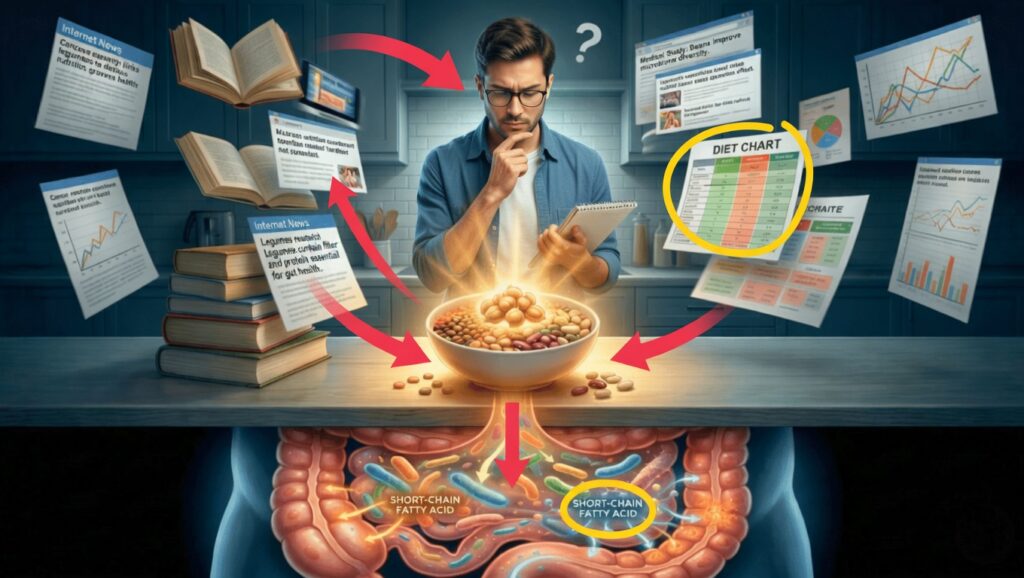
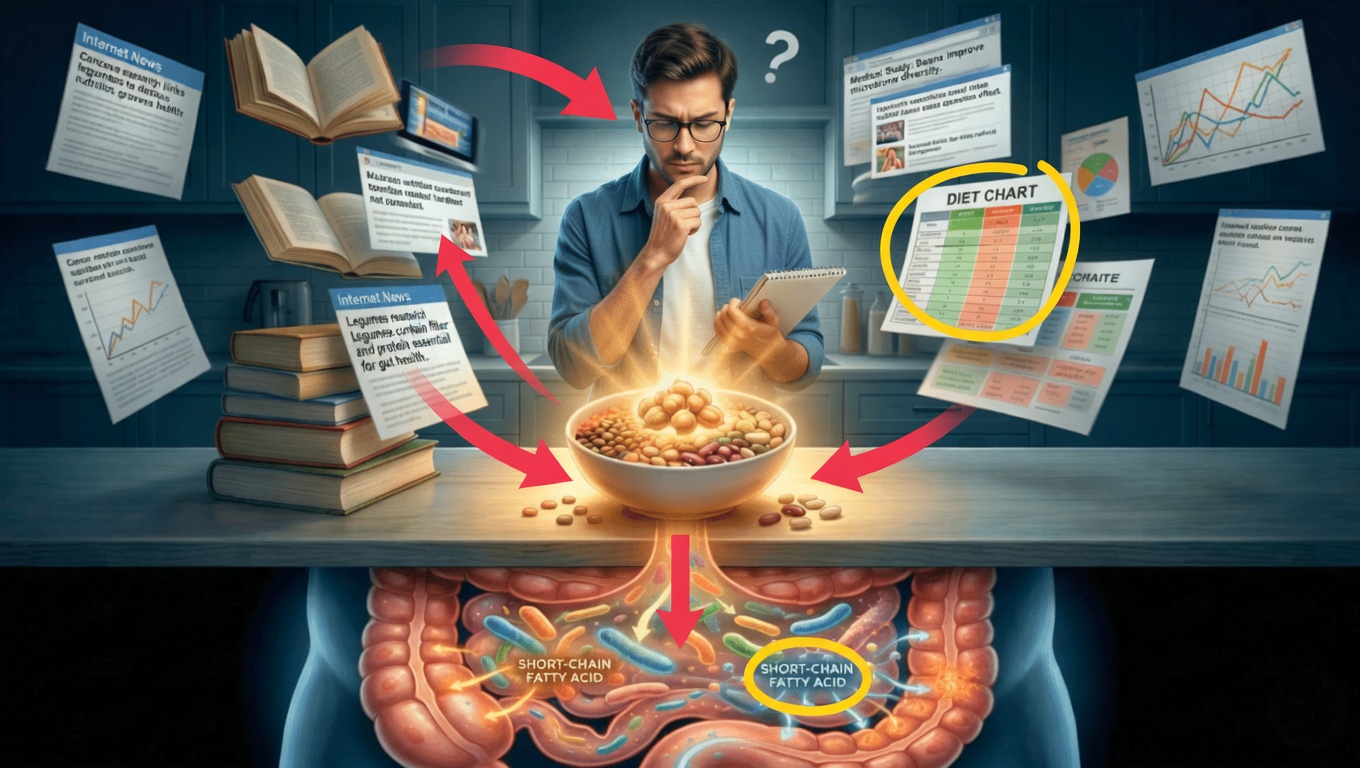
If you’ve come through cancer treatment, you’ve likely been flooded with conflicting nutrition advice. One person swears that broccoli sprouts cure cancer, another insists celery juice is the secret, and someone else tells you fasting will fix everything. It’s noisy, confusing, and exhausting—especially when you’ve already been through so much.
You don’t need more scare tactics or miracle claims. You need reliable information, a sense of control, and a simple way to use food to support your recovery.
As a cancer researcher, survivor, and cancer recovery expert (drawing on the work of Dr. Amy Morris), I’ve spent years separating hype from evidence. When you look at high-quality research, three specific food groups stand out for helping lower the risk of cancer coming back and supporting your body’s healing after treatment.
In this guide, you’ll learn what those three food groups are—and, even more importantly, how to weave them into your everyday life so you can feel stronger, more energized, and more confident in staying cancer-free.
Key Takeaways: 3 Core Food Groups for Cancer Survivors
-
Beans and Legumes
High in fiber and plant compounds that nourish a healthy gut microbiome, support your immune system, reduce inflammation, and improve hormone balance. -
Leafy Green Vegetables
Rich in antioxidants, vitamins, minerals (especially magnesium), and chlorophyll that help protect cells, support detoxification, and aid DNA repair after treatment. -
Lean Protein
Essential for rebuilding muscle lost during treatment, strengthening your immune defenses, stabilizing blood sugar, and supporting hormone regulation so you can maintain energy and resilience.
1. Beans and Legumes: Fuel for Your Gut and Hormone Health
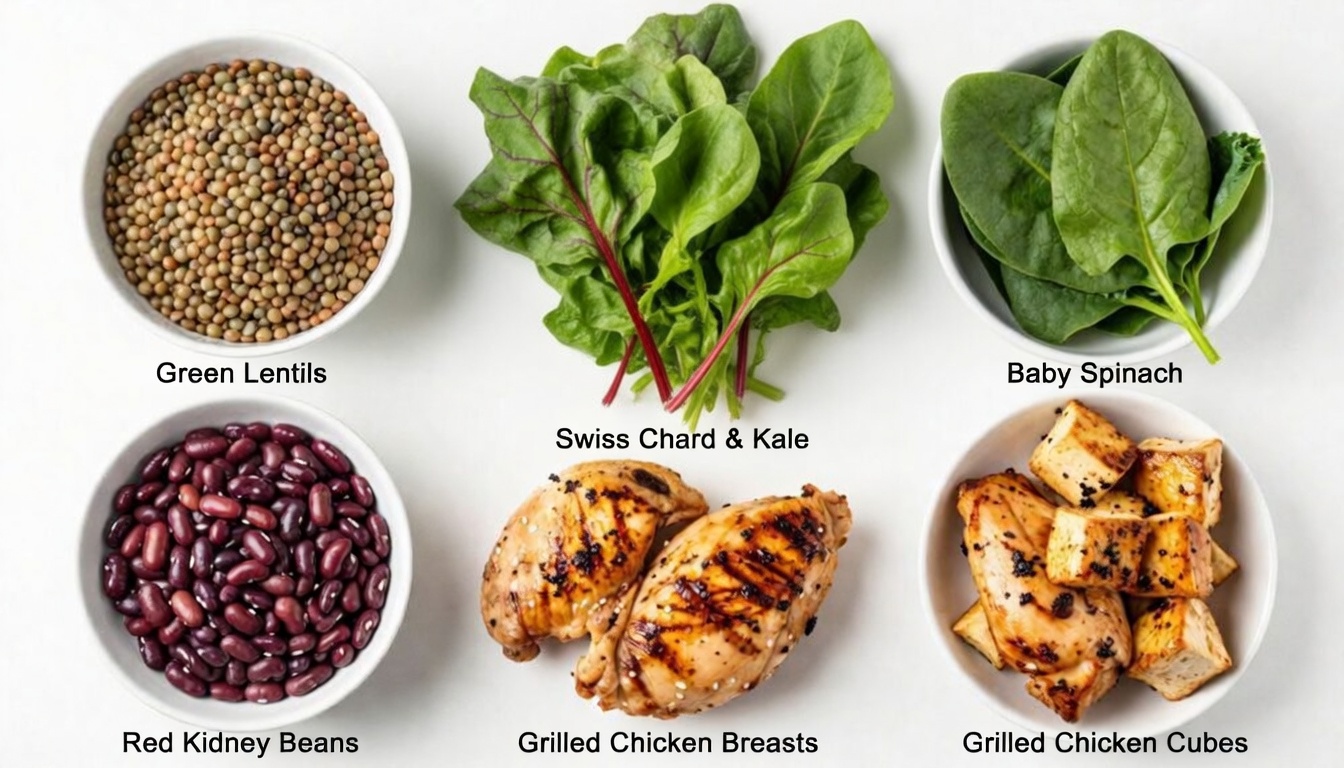
Let’s start with one of the most powerful yet underrated food groups for cancer survivors: beans and legumes. Lentils, chickpeas, black beans, kidney beans, and similar foods are true nutritional powerhouses. They offer:
- Plant-based protein
- A high concentration of fiber
- Beneficial phytochemicals, including flavonoids
- Resistant starches with anti-inflammatory potential
Why Fiber Matters So Much After Cancer
Your digestive system is home to trillions of microbes—your gut microbiome. Treatments such as chemotherapy and radiation often disrupt this delicate ecosystem, leaving your gut less diverse and more vulnerable.
Fiber is the favorite fuel of your beneficial gut bacteria. When you eat plenty of fiber:
- You encourage a diverse, resilient microbiome.
- These “good bugs” ferment the fiber and produce short-chain fatty acids (SCFAs).
- SCFAs help:
- Calm inflammation throughout your body
- Support a strong and balanced immune response
- Improve hormone metabolism
A healthy gut is not just about digestion—it’s central to your overall health and your body’s ability to keep cancer at bay.
Fiber, Estrogen, and Hormone-Sensitive Cancers
Research from the American Institute for Cancer Research has found that higher fiber intake is linked to a lower risk of colorectal and breast cancers. One important reason: certain types of fiber can bind to excess estrogen in your digestive tract and help carry it out of the body.
This is especially meaningful if you’ve had a hormone-sensitive cancer, such as:
- Estrogen receptor (ER)-positive breast cancer
- Endometrial (uterine) cancer
By assisting your body in clearing excess estrogen, beans and legumes can play a practical role in supporting hormonal balance after treatment.
On top of fiber, the resistant starches and flavonoids in beans and legumes have been studied for their anti-inflammatory and potential tumor-suppressing effects. In other words, adding lentils to your soup or chickpeas to your salad is more than a “healthy choice”—it’s a targeted, research-aligned step to support long-term cancer recovery.
A Real-Life Example: Small Changes, Big Results
One woman in my program, a breast cancer thriver, came to me completely drained. She was battling constant fatigue and couldn’t shed the weight she had gained during treatment. Her physician had told her to “eat whatever you want,” but she knew that wasn’t going to help her heal.
Together, we started with one simple change:
- Add lentils to her lunchtime salad
- Add black beans to her evening soup
Those two tweaks allowed her to hit her daily fiber goals without overhauling her entire diet. Within a few weeks:
- Her digestion became more regular and comfortable
- Her energy increased noticeably
- The post-treatment weight finally began to come off
This wasn’t a fad diet. It was a foundational strategy: using beans and legumes to nourish her gut, stabilize her hormones, and support sustainable recovery.
2. Leafy Greens: Daily Protection for Detox and Cellular Repair
Next are leafy green vegetables—some of the most nutrient-dense foods you can put on your plate. Think:
- Spinach
- Kale
- Arugula (rocket)
- Swiss chard
- Romaine or other dark lettuces
These greens deliver a concentrated mix of:
- Vitamins A, C, and K
- Folate
- Antioxidants
- Phytochemicals
- Minerals, especially magnesium
How Leafy Greens Support Detox and Healing
Cancer treatment, particularly chemotherapy and radiation, can create a heavy load of toxins and damaged cells for your body to process. Leafy greens contain compounds that act like a clean-up crew, helping your body manage this stress.
A key player here is chlorophyll, the green pigment in these vegetables. Chlorophyll may help bind to certain toxins and carcinogenic substances, assisting your body in escorting them out. This can be especially helpful when your liver—your main detox organ—has been working overtime processing treatment medications.
By eating leafy greens regularly, you provide your liver and detox pathways with the nutrients they need to function efficiently and help clear out treatment byproducts.
The Hidden Superpower: Magnesium and DNA Repair
Many cancer survivors don’t realize that leafy greens are one of the best natural sources of magnesium. This mineral is involved in over 300 enzyme reactions in the body, including processes crucial for:
- DNA repair
- Energy production
- Nerve and muscle function
After treatment, your body is dealing with a large amount of DNA damage at the cellular level. Adequate magnesium helps support the enzymes that repair DNA and maintain cellular integrity—an essential part of long-term recovery and lowering the risk of future cancer.
When I was diagnosed with stage 3 cancer, I was shocked by how profoundly exhausted and depleted I felt, even with my clinical background. One of the first nutrition shifts I made for myself was simple:
Add some form of leafy green to every meal.
That didn’t mean eating plain salads all day. Instead, I rotated ideas like:
- Sautéed spinach with breakfast eggs
- Kale blended into a morning smoothie
- Peppery arugula stuffed into sandwiches or wraps
- Swiss chard simmered into a hearty lentil or bean stew
The goal isn’t restriction—it’s strategic nourishment to give your body what it needs to repair and rebuild.
Leafy Greens and Inflammation
Chronic, low-grade inflammation is a major risk factor for cancer recurrence. A study published in the Journal of Nutrition found that women who ate more leafy green vegetables had lower levels of inflammatory markers in their blood.
When you combine leafy greens with beans and legumes, you’re creating a powerful anti-inflammatory, gut-supportive base in your diet—one of the most effective and affordable ways to protect your long-term health after cancer.
3. Lean Protein: Rebuilding Strength and Resilience
The final pillar of an effective cancer survivor diet is lean protein. While it gets less attention than “superfoods,” protein is absolutely essential for healing and staying strong.
During treatment, many people lose a significant amount of lean muscle mass due to:
- Fatigue
- Reduced appetite
- Treatment side effects
- Less physical activity
This loss of muscle can leave you feeling weak, unstable, and more prone to weight gain and blood sugar swings. Adequate protein helps reverse that.
Why Protein Is Non-Negotiable After Cancer
Protein provides amino acids, the raw materials your body uses to:
- Rebuild muscle tissue
- Repair organs and cells
- Support a healthy immune system
- Regulate hormones and blood sugar
For cancer survivors, this means:
- More strength to return to daily activities and exercise
- Better immune resilience
- Improved ability to maintain a healthy weight and energy level
Smart Sources of Lean Protein
Good lean protein options include:
- Chicken or turkey breast
- White, flaky fish (like cod, haddock, or tilapia)
- Eggs
- Greek yogurt or other high-protein yogurts
- Tofu and tempeh
- Quality protein powders (whey, pea, soy, etc.) as needed
These foods help repair the wear and tear on your body and support muscle recovery—especially when combined with gentle movement or strength training as you are able.
Navigating Low Appetite and Taste Changes
During my own chemotherapy, my appetite all but disappeared and many foods tasted “off.” Even so, I knew I needed protein to maintain my strength and support my immune system.
Here’s how I approached it:
- I started with a small protein smoothie in the morning, adding a scoop of protein powder when solid food felt like too much.
- At lunch, I aimed for a portion of grilled chicken or another lean protein, paired with fiber-rich foods.
- In the evening, I alternated between fish and tofu, keeping meals simple but consistent.
It wasn’t perfect—and it didn’t need to be. What mattered was repeatedly giving my body the building blocks it needed to heal.
Emerging research suggests that cancer survivors who meet their protein needs tend to have better physical function, healthier body composition, and improved quality of life. Prioritizing lean protein is one of the most direct ways you can actively support your recovery.
Bringing It All Together
You don’t have to chase every new superfood or extreme diet trend to protect your health after cancer. A strong, evidence-informed approach focuses on three powerful, accessible food groups:
- Beans and Legumes – For gut health, hormone balance, and reduced inflammation
- Leafy Greens – For detox support, antioxidant protection, and DNA repair
- Lean Protein – For rebuilding muscle, boosting immunity, and stabilizing hormones and energy
Start where you are. Add lentils to your soup, toss a handful of spinach into your omelet, or include a palm-sized portion of lean protein at each meal. Small, consistent steps can create profound changes over time.
You’ve already done something incredibly hard by going through cancer treatment. Nutrition can now be a way to support your body—not with fear or restriction, but with clarity, confidence, and a practical plan to help you stay cancer-free and feel fully alive.