How to Enjoy High-Oxalate Foods Without the Side Effects
If you love spinach, beets, Swiss chard, and other leafy greens but worry about their oxalate content, you’re in good company. These nutrient-dense foods contain oxalates—natural plant compounds that can form crystals in the body when they bind to minerals. For some people, this can contribute to discomfort, kidney stones, or joint issues.
The good news: you don’t necessarily have to avoid these foods. By using the right nutrients and strategies, you can greatly reduce how much oxalate your body actually absorbs.
(Based on insights from Felix Harder)
Key Takeaways
- Minerals are protective: Calcium and magnesium can bind oxalates in your digestive tract, stopping them from entering your bloodstream.
- Gut health is crucial: A balanced gut microbiome may include bacteria that naturally break down oxalates.
- Vitamin B6 plays a role: This vitamin influences how much oxalate your body produces internally.
- Smart supplementation helps: Taking certain minerals with high-oxalate meals can significantly reduce oxalate absorption.
What Are Oxalates?
Oxalates (from oxalic acid) are compounds that many plants produce as a form of self-defense. Your body also generates some oxalate as a normal part of metabolism.
However, when you eat a lot of high-oxalate foods—especially if your gut health is compromised—more oxalate can cross from your intestines into your bloodstream. Once there, oxalate can combine with minerals such as calcium, forming sharp crystals that may accumulate in areas like:
- The kidneys (contributing to kidney stones)
- Joints and soft tissues (potentially causing pain or discomfort)
Limiting how much oxalate gets absorbed in the first place is key.
How Minerals in the Gut Reduce Oxalate Absorption
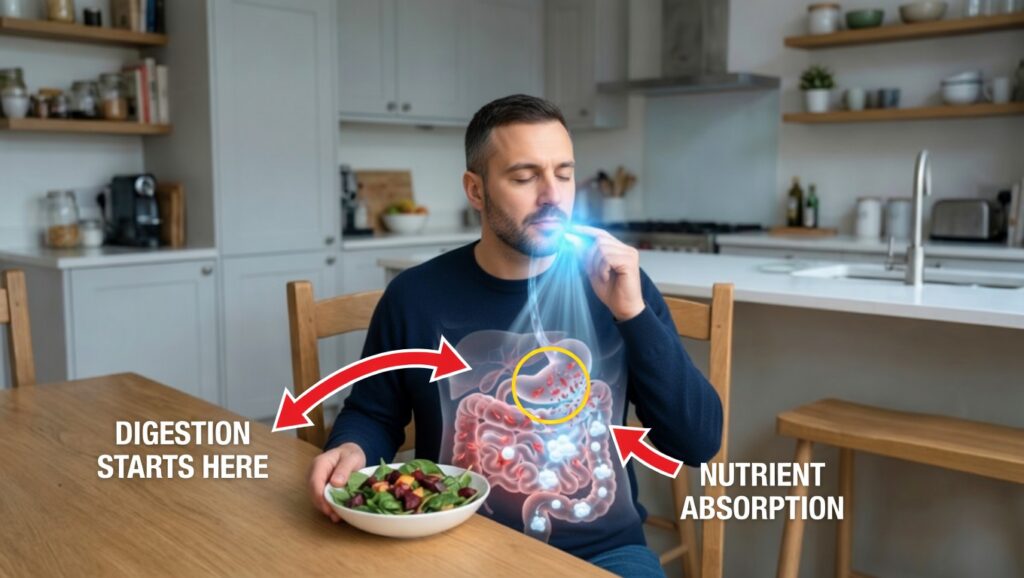
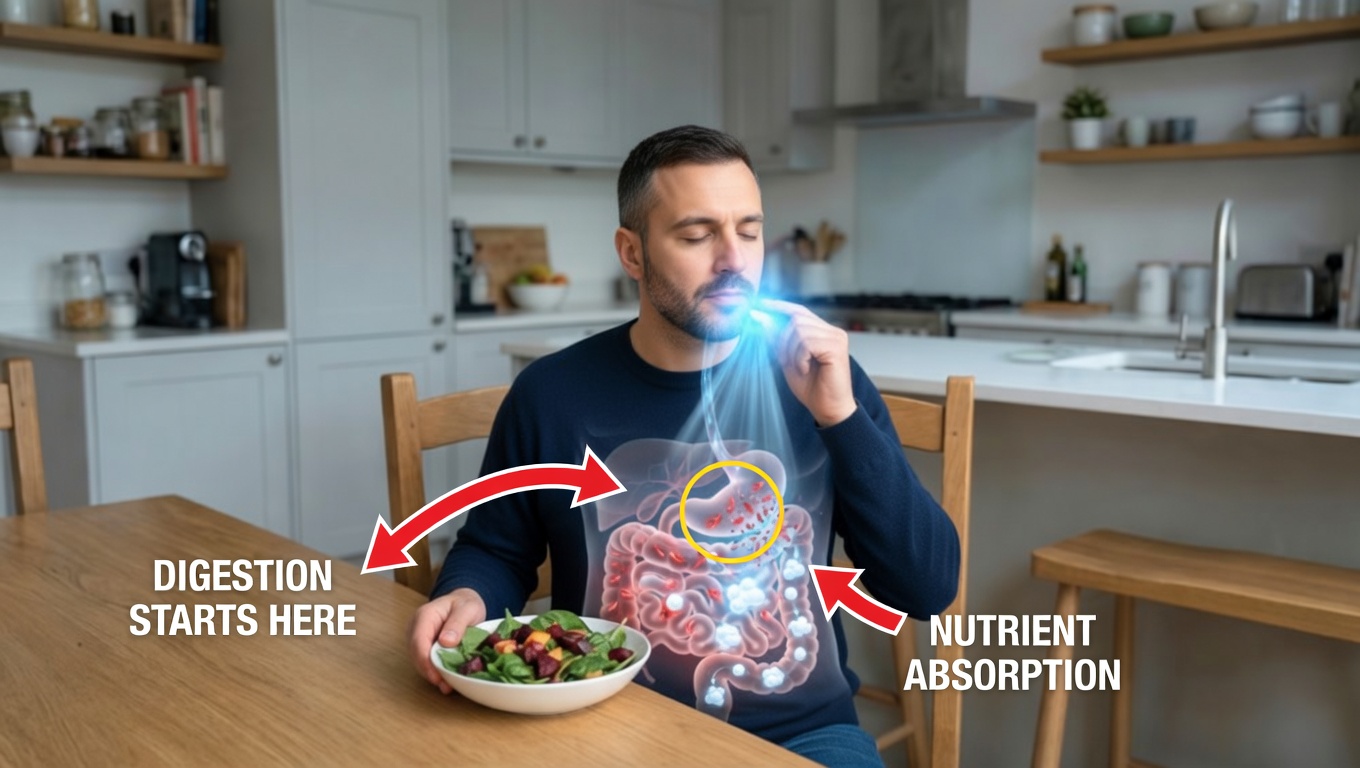
A simple and effective strategy is to ensure there are enough minerals present in your digestive tract at the same time as your high-oxalate meal.
Think of oxalic acid as “looking for” minerals to bind to. If it finds them in your gut, it will attach there. The resulting oxalate-mineral complexes are poorly absorbed and instead pass out of the body with your stool. If there aren’t enough minerals in your intestines, more oxalate can slip into your bloodstream.
Key Minerals That Help
1. Calcium – The primary binder
- Calcium has the strongest binding affinity for oxalates.
- Around 200–300 mg of calcium can bind a substantial portion of the oxalates from a typical high-oxalate meal.
2. Magnesium – A strong backup
- Magnesium also binds oxalates effectively, though slightly less than calcium.
- You may need about 300–400 mg to achieve a similar impact as calcium.
3. Sodium and Potassium – Supporting solubility
- Sodium and potassium do not bind oxalates as tightly as calcium and magnesium.
- Their main benefit is helping keep oxalate salts more soluble, which supports easier elimination from the body.
Practical Strategy
Take these minerals with your high-oxalate foods. This encourages oxalates to bind in your gut and be excreted, rather than entering your bloodstream and forming problematic crystals.
Important Guidelines for Mineral Supplementation
While this approach is powerful, it needs to be done thoughtfully. Here’s how to use each mineral safely and effectively.
Calcium
- Not everyone needs calcium supplements; many people get enough through diet.
- Unused calcium can potentially deposit in soft tissues if it doesn’t bind to oxalates.
- If you do supplement, good forms include:
- Calcium citrate
- Calcium citrate malate
- Typical daily intake: 400–1,000 mg per day.
- With a high-oxalate meal: 200–300 mg is often used.
- Consider ensuring adequate Vitamin K2, which helps guide calcium into bones and away from arteries and other soft tissues.
Magnesium
- Many people are deficient in magnesium, so supplementation can be widely beneficial.
- Magnesium not only binds oxalates but also helps regulate calcium balance in the body.
- Low magnesium levels are a risk factor for kidney stone formation.
- Common daily dose: 300–400 mg total.
- With a high-oxalate meal: around 150 mg is a reasonable amount.
Sodium
- General recommended upper limit: about 2,300 mg per day (roughly one teaspoon of salt).
- Taking around one-third of this amount with a high-oxalate meal can support oxalate handling, assuming your overall sodium intake stays within healthy limits.
Potassium
- Recommended daily intake is higher than sodium, typically 3,500–4,700 mg per day, mostly from whole foods (fruits, vegetables, legumes).
- When supplementing:
- About 200 mg of potassium chloride with a meal can be useful.
- Be cautious: large doses of potassium at once can affect heart rhythm, especially in those with kidney or heart issues.
- If you already have oxalate crystals such as kidney stones, potassium citrate may be particularly helpful, as citrate can also support kidney stone prevention.
One Important Trade-Off
When minerals bind to oxalates in the gut, they are less available for your body to absorb and use. If you frequently eat high-oxalate meals and use this binding strategy regularly, you may need to slightly increase your overall mineral intake to make up for what is lost through binding and excretion.
Vitamin B6 and Internal Oxalate Production
Oxalates do not only come from food; your body also produces them internally. Vitamin B6 plays a key role in this process.
- A compound called glyoxylate can be converted in two directions:
- Into glycine, a harmless amino acid
- Into oxalate, which can contribute to crystal formation
- Vitamin B6 helps shift glyoxylate toward becoming glycine instead of oxalate.
- If you are low in vitamin B6, your body may divert more glyoxylate into oxalate, increasing internal production.
Many people use the P5P (pyridoxal-5-phosphate) form of vitamin B6, as it is an active form. However, B6 should not be taken in excessive doses, since very high amounts over time can cause nerve issues. Moderation and appropriate dosing are important.
Putting It All Together
By combining a few targeted strategies, you can continue to enjoy healthy, high-oxalate foods like spinach and beets while reducing potential downsides:
-
Use minerals strategically:
- Take calcium and/or magnesium with high-oxalate meals to bind oxalates in the gut.
- Support with appropriate amounts of sodium and potassium, as needed.
-
Support your gut:
- A healthy gut microbiome, including oxalate-degrading bacteria, can further reduce oxalate absorption.
-
Optimize Vitamin B6:
- Ensure adequate B6 intake to minimize how much oxalate your body produces internally.
Over time, these steps can significantly improve how your body handles oxalates, making it easier to enjoy nutrient-rich vegetables without as much concern. For those with a substantial existing oxalate burden—such as recurrent kidney stones—there are also more specific oxalate detox or reduction protocols that can help clear stored oxalates under professional guidance.
Source: Felix Harder