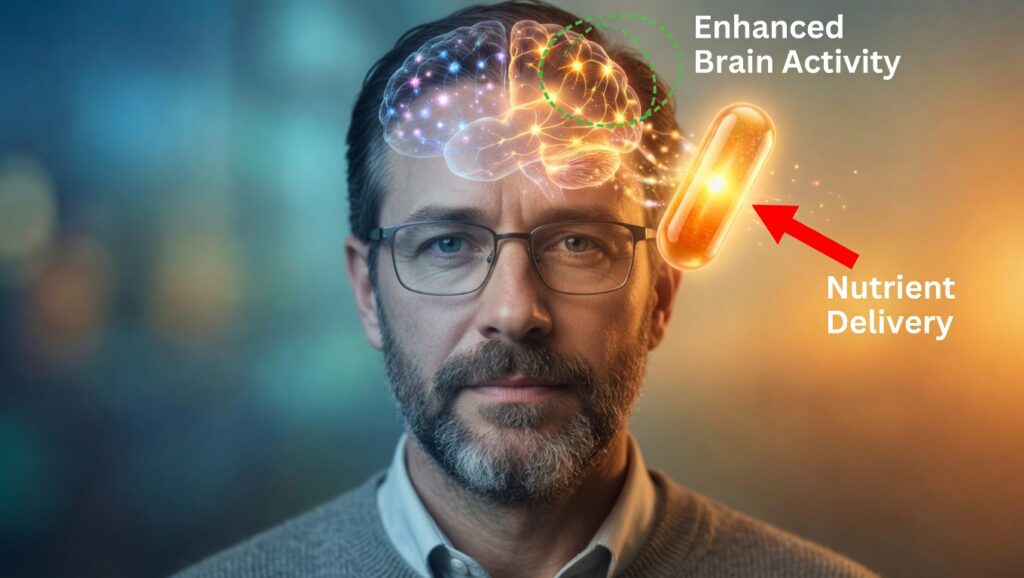
NAC (N-Acetylcysteine): The Hospital-Grade Antioxidant You Can Buy Over the Counter
Most people think of cough syrups and cold remedies when they hear “NAC.” Yet N-acetylcysteine started its career not in health-food stores, but in emergency rooms—where it’s still used today to save lives from poisoning and severe toxicity.
Today, NAC has stepped far beyond emergency medicine. Backed by decades of research, it’s now recognized as one of the most powerful and versatile antioxidant supplements available, and in many countries you can purchase it without a prescription.
In this guide, you’ll discover the nine most important, science-backed benefits of NAC, how it works inside your body, and why many experts consider it a cornerstone of preventive health. Whether your goal is easier breathing, a stronger liver, better immunity, or improved mental well-being, NAC may play a key role in your long-term wellness strategy.
(Based on the insights of Dr. Antonio Cascelli)
Key Takeaways
- NAC (N-acetylcysteine) is a proven medical compound turned daily-health supplement with powerful antioxidant effects.
- It works largely by boosting glutathione, the body’s “master” detox and defense molecule.
- Its nine major benefits include detoxification support, respiratory health, liver protection, stronger immunity, cardiovascular and mental health support, fertility benefits, and more.
- Correct dosage and safe use are crucial—higher doses are not always better and should be supervised by a healthcare professional when used therapeutically.
1. Deep Detox Support for the Body and Liver
NAC is best known in hospitals for treating acetaminophen (paracetamol) overdose, a leading cause of acute liver failure. In these critical situations, NAC replenishes glutathione, the key antioxidant your liver uses to neutralize dangerous toxins.
Outside emergency care, NAC supplements can:
- Support the detoxification of heavy metals,
- Help your body process environmental pollutants and pesticides,
- Assist in removing residual toxins from medications.
Think of NAC as a powerful internal “cleanup crew” that reinforces your liver and detox systems against the constant chemical exposure of modern living.
2. Respiratory and Bronchial Support
If you frequently deal with stubborn mucus, chronic cough, bronchitis, COPD, or ongoing sinus congestion, NAC may be a valuable ally.
Research shows that NAC:
- Acts as a mucolytic, meaning it thins thick mucus so it’s easier to expel.
- Helps protect the respiratory lining from inflammation and harmful irritants.
- Reduces exacerbations and flare-ups in people with chronic lung diseases.
- Can lower the risk of hospitalization from pneumonia in at-risk individuals.
Because of these properties, NAC is often included in protocols for people with chronic respiratory issues, as well as those struggling with recurrent sinus or bronchial problems.
3. Liver Protection and Regeneration Support
Your liver is your body’s central processing plant—filtering alcohol, drugs, hormones, and toxins, while managing nutrient metabolism. When it’s under strain, glutathione levels drop, and damage can accumulate.
NAC helps by:
- Rebuilding glutathione stores in the liver.
- Supporting the repair of liver cells (hepatocytes).
- Improving liver enzyme levels that signal distress.
- Assisting in managing conditions like fatty liver, hepatitis, and toxic overload.
For this reason, many clinicians incorporate NAC into treatment plans for patients with compromised liver function or ongoing exposure to liver stressors such as alcohol, medication use, or environmental toxins.
4. Combats Oxidative Stress and Slows Cellular Aging
Oxidative stress is the internal version of “rusting”—a biochemical process that damages cells and accelerates aging. It’s driven by factors like pollution, poor diet, smoking, chronic stress, and lack of sleep.
NAC works at the root of this process by:
- Boosting production of glutathione, your body’s most important antioxidant.
- Helping neutralize free radicals that harm cells and tissues.
- Supporting long-term protection of the brain, blood vessels, skin, and joints.
By reducing oxidative stress, NAC may help maintain healthier cells over time, contributing to slower biological aging and better protection against chronic, inflammation-driven diseases.
5. Strengthens the Immune System
Your immune system relies heavily on antioxidants to function properly. Immune cells constantly generate and encounter reactive molecules as they fight infections. Without adequate protection, they can become damaged and less effective.
NAC supports immune health by:
- Acting as a shield for immune cells, protecting them from oxidative damage.
- Helping maintain immune resilience against viruses, bacteria, and other threats.
- Potentially reducing the frequency and severity of infections, especially as you age.
For those looking to support their immune system naturally—especially in times of high stress or during cold and flu seasons—NAC is often considered a foundational antioxidant supplement.
6. Supports Fertility in Both Men and Women
One of the lesser-known advantages of N-acetylcysteine is its positive impact on fertility.
In women
NAC has shown benefits for women with polycystic ovary syndrome (PCOS) and related fertility challenges by:
- Helping restore regular ovulation.
- Improving insulin sensitivity, which is often disrupted in PCOS.
- Performing as effectively as some first-line fertility medications in certain studies, sometimes with fewer side effects.
In men
Oxidative stress can damage sperm quality and DNA integrity. NAC may help by:
- Protecting sperm DNA from oxidative damage.
- Supporting improvements in sperm count, motility, and overall quality.
If fertility is a concern for either partner, NAC is increasingly being explored as a complementary, evidence-based nutritional strategy.
7. Helps Protect Your Hearing
Prolonged or intense exposure to loud sounds—from concerts, industrial work, firearm use, or even high-volume headphones—can damage delicate cells in the cochlea, the hearing organ inside your inner ear.
Clinical research, including studies from Harvard Medical School, suggests that NAC:
- Reduces noise-induced hearing loss when taken before and after loud sound exposure.
- Fights oxidative damage in the inner ear.
- May help speed recovery after acoustic trauma.
While it doesn’t replace ear protection, NAC can be a valuable extra layer of defense for individuals regularly exposed to high noise levels, such as musicians, soldiers, factory workers, or frequent concert-goers.
8. Supports Heart and Vascular Health by Balancing Homocysteine
Homocysteine is an amino acid that, when elevated, can injure the lining of blood vessels and increase the risk of:
- Heart attacks
- Stroke
- Blood clots
NAC may support cardiovascular health by:
- Helping regulate homocysteine metabolism through its effect on key biochemical reactions.
- Supporting DNA and cellular health in blood vessels.
- Contributing to healthier arteries and circulation over the long term.
In combination with a healthy diet and nutrients like B vitamins (B6, B12, folate), NAC can be part of a comprehensive strategy for maintaining cardiovascular wellness.
9. Supports Mental Health and Reduces Compulsive Behaviors
Beyond its physical benefits, NAC also influences brain chemistry—especially glutamate and dopamine, two neurotransmitters involved in mood, reward, and impulse control.
Research indicates NAC may help:
- Reduce symptoms of obsessive-compulsive disorder (OCD).
- Support people with trichotillomania (hair-pulling) and compulsive nail-biting.
- Assist in treatment strategies for addictions, including nicotine, alcohol, and cannabis.
By modulating glutamate levels and reducing oxidative stress in the brain, NAC appears to offer a promising, natural adjunct to traditional psychiatric and addiction therapies—always under professional medical guidance.
How to Use NAC Safely
General Wellness & Preventive Use
For everyday support—such as antioxidant protection, liver health, or immune balance—commonly used doses are:
- Around 1,200 mg per day, divided into two doses
- Example: 600 mg with lunch and 600 mg with dinner
Helpful guidelines:
- Take NAC with meals to support its metabolism and reduce the chance of stomach discomfort.
- Avoid taking it with every single meal, as NAC can bind certain minerals; spreading intake reasonably through the day is usually sufficient.
- Combining NAC with vitamin C can create a powerful antioxidant synergy for added protection.
Higher Doses and Therapeutic Use
For acute medical conditions (e.g., poisoning) or specific psychiatric uses, much higher doses are sometimes prescribed. These should:
- Only be taken under direct medical supervision.
- Be tailored to your individual health status, medications, and goals.
Safety Precautions
Always consult a healthcare professional before starting NAC if you:
- Have existing medical conditions (especially liver, kidney, or lung disease).
- Are taking prescription medications (to avoid potential interactions).
- Are pregnant, trying to conceive, or breastfeeding.
Conclusion: NAC as a Cornerstone of Preventive Health
N-acetylcysteine is far more than just a cough remedy or emergency-room antidote. It is a multi-purpose, research-supported antioxidant that can help protect your liver, lungs, heart, brain, immune system, fertility, and even your hearing.
Used intelligently and safely, NAC enhances your body’s own defense mechanisms rather than replacing them. Still, it’s not a magic cure-all. For best results, integrate NAC into a broader lifestyle that includes:
- A nutrient-dense, balanced diet
- Regular physical activity
- Quality sleep and stress management
Your body is your lifetime vehicle. Supporting it with tools like NAC—alongside healthy daily habits—can help you enjoy a longer, more vibrant, and more resilient life.
Source: Insights adapted from Dr. Antonio Cascelli