
Strong-Smelling Urine and Dark Color: What It Really Means and How to Respond
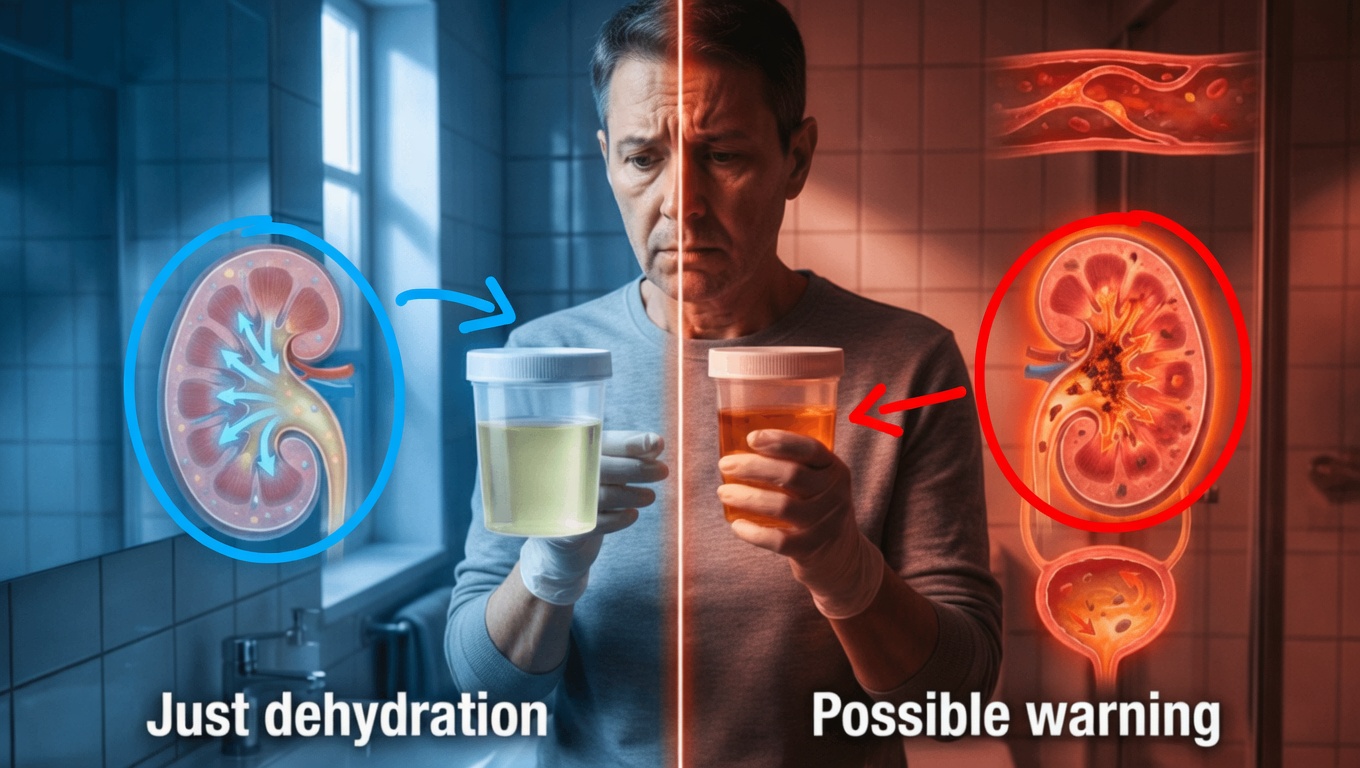
If you’ve ever been surprised by a sharp, intense smell when you urinate—much stronger than the usual mild odor—and noticed your urine looks darker than normal (deep yellow or even orange), your body may be sending you an important warning.
Sometimes this simply reflects dehydration. Other times, it can be a sign that something in your kidneys, urinary tract, or metabolism is not working properly. Below you’ll find a very simple 7-day protocol using water and a small pinch of baking soda that may help when the cause is mild and related to hydration or diet. You’ll also see exactly when that smell is an emergency sign that requires a doctor right away.
This information is based on the insights of Oswaldo Restrepo RSC.
A Critical Warning Before You Start
Do not use this protocol if the strong odor in your urine comes with:
- Pain or burning when you urinate
- Fever
- Blood in your urine
- Pain in your lower back or sides
These can indicate a urinary tract infection, kidney infection, kidney stones, or another serious condition. In these situations, you need immediate medical evaluation, not home remedies.
Key Takeaways
- Strong-smelling, dark urine can result from dehydration or an acidic diet, but it may also be an early sign of infection, diabetes, or kidney disease.
- A simple home approach involves one glass of water with a tiny pinch of baking soda twice daily, plus at least six additional glasses of plain water spread through the day.
- Always use only a pinch of baking soda per glass. Larger amounts can be dangerous and disrupt your body’s pH and electrolyte balance.
- This protocol may help improve hydration and reduce urine acidity, but it does not cure infections, diabetes, or chronic kidney problems.
- Seek urgent medical care if strong-smelling urine appears with pain, fever, blood, very dark (almost brown) urine, reduced urination, or swelling.
1. Why Does My Urine Smell So Strong?
To understand changes in urine odor and color, you need to know what your kidneys do.
Your kidneys act like an advanced filtration system. They:
- Filter your blood
- Remove waste products and toxins
- Excrete those wastes in your urine
When your kidneys are functioning well and you are well-hydrated:
- Urine is usually light yellow to pale amber
- The odor is mild and often barely noticeable
When something changes in your body or lifestyle, your urine is often the first thing to reflect it.
Dehydration: The Most Common Cause
When you don’t drink enough water, there isn’t enough fluid to dilute the waste your kidneys must eliminate. The result is:
- Concentrated urine
- Darker color
- Stronger, sharper smell
Think of making juice from concentrate: if you add too much powder and not enough water, the flavor becomes overpowering. Your urine is similar—too many waste products and too little water create a strong, unpleasant odor.
Acidity and Diet: Another Major Factor
Beyond dehydration, your diet can significantly influence urine odor.
A diet high in:
- Red and processed meats
- Coffee and caffeinated drinks
- Ultra-processed foods
- Sugary snacks
can make your body produce more acidic waste. This can make urine:
- Smell stronger
- Sometimes feel more irritating when you urinate
Where Baking Soda Fits In
Baking soda (sodium bicarbonate) is alkaline. In very small amounts, mixed with plenty of water, it can help:
- Temporarily neutralize excess acidity
- Make your urine less irritating
- Reduce strong odor when the cause is dietary acidity or mild dehydration
However, it’s crucial to understand:
- Baking soda does not treat kidney infections
- It does not cure diabetes or chronic kidney disease
- It only helps in very specific situations related to hydration and acidity
If your strong-smelling urine is due to an infection, diabetes, or kidney damage, baking soda will not solve the underlying problem.
2. Critical Mistakes to Avoid
When people notice their urine smells unusually strong, they often react in the wrong way. Some of these mistakes can be dangerous.
Mistake #1: Ignoring the Symptom
A persistent strong odor in your urine is not normal.
- It might be simple dehydration,
- But it can also be an early sign of diabetes, urinary tract infection, or kidney issues.
If the strong smell continues for more than three days, even if you feel fine otherwise, schedule a visit with your doctor to investigate the cause.
Mistake #2: Using Too Much Baking Soda
This is one of the most serious errors.
More is not better. Taking large amounts of baking soda can:
- Disrupt your electrolyte balance
- Alter your blood pH
- Affect blood pressure
- Irritate your stomach or digestive system
Correct dose:
- Use only a small pinch—what fits between your thumb and index finger—per glass of water.
- Never exceed one pinch per glass.
Mistake #3: Relying Only on Baking Soda Water
Baking soda is not the main hero here—water is.
If you drink the two glasses with baking soda but fail to drink enough plain water during the rest of the day:
- Your urine will remain concentrated
- Your kidneys will still struggle to flush out waste products
- The protocol will likely not work
Your kidneys require a high volume of clean water to function properly.
Mistake #4: Believing Baking Soda Cures Kidney Problems
Baking soda is not a treatment for:
- Kidney disease
- Urinary tract infections
- Kidney stones
- Diabetes
Its role here is limited to helping reduce acidity when the problem is tied to diet or mild dehydration. If your kidneys are damaged or infected, you need professional medical care, not a home remedy.
Mistake #5: Ignoring Other Warning Signs
Strong-smelling urine may appear alone at first, but if it is accompanied by:
- Pain or burning when urinating
- Blood in the urine
- Fever or chills
- Swelling in your legs or ankles
- Very frequent urination or difficulty urinating
- Very little urine output despite drinking fluids
these are serious warning signs. Do not rely on home protocols in these situations. Seek medical attention immediately.
3. Five Key Benefits You May Notice with the Protocol
When your issue is truly related to hydration and acidity, correctly following the water and baking soda protocol can bring several noticeable improvements.
1. Urine Color Returns to Normal
Within 3–5 days of increasing your water intake and using the protocol:
- The dark yellow or orange shade often fades
- Urine becomes lighter and more pale amber, a sign of better hydration
2. Strong Odor Gradually Decreases
As your urine becomes:
- More diluted
- Less acidic
the intense smell usually diminishes. This won’t happen overnight, but after about one week, the odor should:
- Be significantly less intense
- Smell closer to what is normal for you
3. Reduced Mild Burning or Discomfort
If you experience slight burning (not severe pain) when you urinate, it may be due to highly concentrated urine irritating your urethra.
By diluting your urine with sufficient water:
- That irritation often lessens
- Mild discomfort may fade over several days
Note: Strong or worsening pain is not normal and requires a doctor.
4. Improved Kidney Efficiency
When your kidneys have enough water to work with, they can:
- Filter waste products more effectively
- Support your body’s natural detoxification processes
Many people notice:
- Less bloating
- A feeling of being “lighter”
- Better overall comfort
5. Better Overall Hydration and Well-Being
Proper hydration benefits your entire body, not just your urinary system.
You may experience:
- Healthier, more radiant skin
- Improved digestion and bowel movements
- Fewer or less intense headaches
- Increased energy and mental clarity
Nearly every system in your body depends on adequate water intake.
4. The 7-Day Water and Baking Soda Protocol (Step-by-Step)
Follow this plan for one week, provided you do not have any of the warning signs listed in the last section.
Daily Routine (Days 1–7)
-
Morning (on an empty stomach or before breakfast)
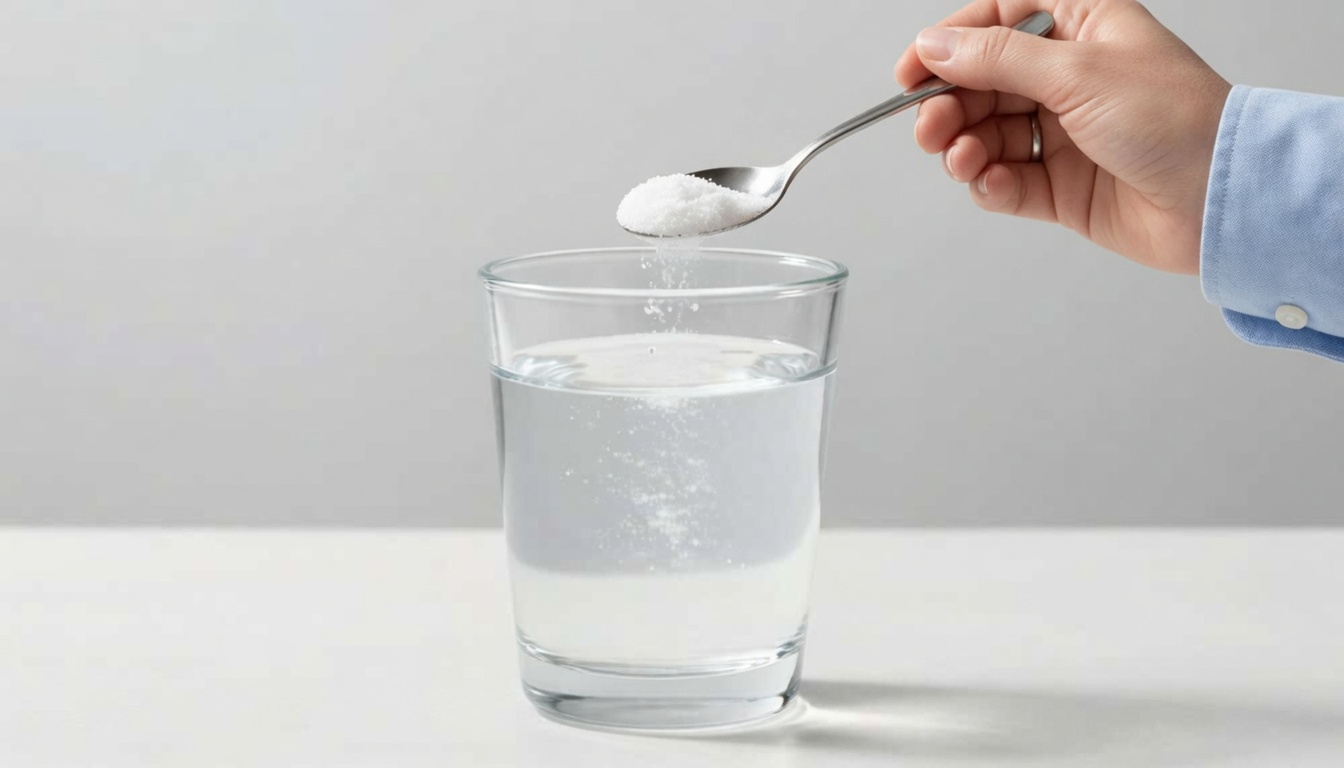
- Drink 1 glass of water (about 200–250 ml / 8 oz)
- Add one small pinch of baking soda
- Stir well and drink slowly
-
Afternoon or Early Evening
- Drink 1 more glass of water with one small pinch of baking soda
- Again, mix thoroughly and sip, do not chug too fast
-
Additional Plain Water Throughout the Day
- Drink at least 6 more glasses of plain water (no baking soda)
- Spread these glasses evenly from morning to evening
- Adjust slightly for your body size, activity level, and climate, but avoid overdrinking if you have heart or kidney conditions (in those cases, ask your doctor first)
Important Guidelines
- Maximum amount: Do not use more than two pinches of baking soda per day (one per glass, two glasses total).
- Duration: This protocol is designed for 7 days only unless your doctor advises otherwise.
- Monitor your body:
- If you feel dizzy, short of breath, have chest pain, or feel unwell in any unusual way, stop the protocol and contact a healthcare professional.
- If strong-smelling urine and dark color persist beyond a week, consult your doctor even if you feel fine.
5. The Most Important Part: When to See a Doctor Immediately
This is the most crucial information in this entire guide. Strong-smelling urine becomes an urgent concern when it is accompanied by any of the following:
- Painful or strong burning sensation when you urinate
- Visible blood in your urine (pink, red, or cola-colored)
- Fever, chills, or feeling very unwell
- Lower back pain or pain in your sides (flank pain), especially if it’s severe
- Very little urine output or almost no urination despite drinking fluids
- Urine that is very dark, almost brown
- Noticeable swelling in your legs or ankles
These signs may indicate:
- Urinary tract infection (UTI)
- Kidney infection (pyelonephritis)
- Kidney stones
- Kidney failure or serious kidney damage
- Complications from diabetes or other systemic diseases
In any of these cases:
- Do not continue or start the baking soda protocol
- Do not wait to see if it improves on its own
- Go to your doctor or an emergency clinic immediately
Final Reminder
Strong-smelling, dark urine is your body’s way of communicating that something has changed. Sometimes the cause is as simple as not drinking enough water or eating a very acidic, processed diet. In those situations, a carefully controlled 7-day water and baking soda protocol may help restore balance.
However, home remedies have limits. Any severe, persistent, or accompanied symptoms—especially pain, blood, fever, or swelling—require professional medical evaluation. Your kidneys are vital organs; take every warning sign seriously.