The Hidden Truth About Statins, Cholesterol, and Heart Disease
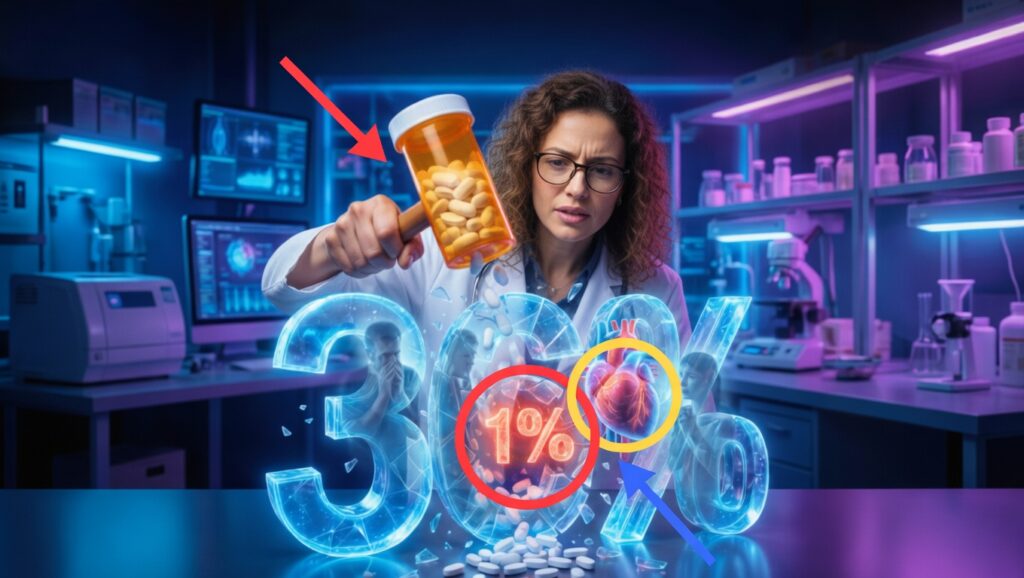
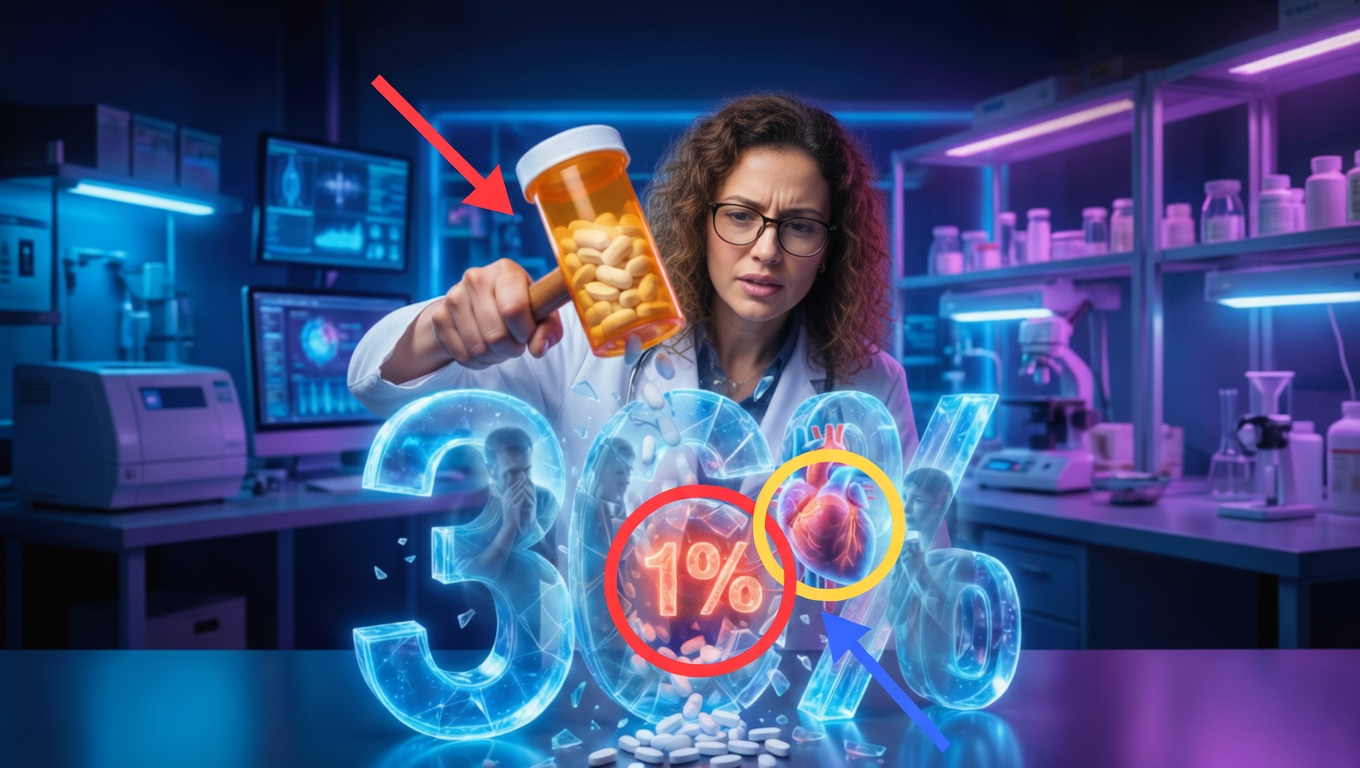
Imagine hearing about a medication that can slash your chance of having a heart attack by 36%. You’d probably want to know more. Now imagine that the same drug only lowers your actual risk by about 1%, while raising your odds of diabetes, cancer, and painful muscle problems. You’d likely have serious doubts.
Surprisingly, both descriptions refer to the same type of drug: statins. The difference comes down to how the data is presented—a legally accepted but highly misleading use of statistics.
Statins are the most commonly prescribed medications for lowering cholesterol and are often promoted as life-saving wonder drugs. Yet newer, independent analyses are challenging this narrative. They highlight:
- The crucial roles cholesterol plays throughout your body.
- How statin trials use clever math to exaggerate benefits and minimize harms.
- Why focusing only on cholesterol numbers ignores the real roots of heart disease.
In this article, based on insights from Danny Curtin CDSP (sources referenced in the original work), you’ll discover:
- What cholesterol actually does in your body.
- How plaque really forms in your arteries.
- Practical steps you can take to protect your heart without relying solely on a pill.
Key Takeaways
-
Statistical Sleight of Hand: Pharmaceutical companies often highlight relative risk to make statin benefits seem dramatic, while using absolute risk to make serious side effects (like diabetes) appear trivial.
-
Cholesterol Is Essential, Not Evil: Cholesterol is vital for hormones, brain function, immune health, digestion, and vitamin D production. It is not simply “artery-clogging junk.”
-
Damage Comes First, Cholesterol Comes Second: Plaque builds up where blood vessels are injured. Factors like high blood pressure, smoking, sugar, and alcohol drive that damage.
-
“Sharp Blood” Drives Vessel Injury: Lifestyle and metabolic factors can make your blood more damaging to artery walls (higher shear stress), leading to repeated injury and plaque formation.
-
Prevention Beats Numbers: Long-term heart health depends more on preventing vascular damage than on chasing lower cholesterol scores through medication alone.
1. The Statistical Illusion: How Statin Benefits Get Exaggerated
A major criticism of statin research is the way results are presented. The same study can sound like a miracle or a mild benefit depending on whether you use relative or absolute risk.
Relative Risk vs. Absolute Risk: The Lipitor Example
In a large Lipitor trial involving roughly 10,000 people at high risk for heart disease:
- Half received Lipitor.
- Half received a placebo.
- After three years:
- About 3% of the placebo group had a heart attack.
- About 1.9% of the Lipitor group had a heart attack.
Here’s how those numbers can be spun:
- Absolute risk reduction: 3.0% – 1.9% = 1.1%
- Your real-world chance of having a heart attack drops by just over one percentage point.
- Relative risk reduction: 1.9% is about 36% lower than 3.0%.
- Advertisements and headlines: “Lipitor cuts heart attack risk by 36%!”
Both statements are technically accurate. But the relative risk figure sounds dramatic, while the absolute risk shows a modest benefit. Most people assume a “36% reduction” means 36 out of 100 fewer heart attacks, not 1 out of 100.
Side Effects: The Script Flips
When it comes to harms, the reporting style conveniently changes.
In a major Crestor study:
- 54 more people in the statin group developed diabetes compared to the placebo group.
- If expressed as relative risk, that’s about a 25% increase in diabetes risk.
That would give most people pause. So instead, the data is framed in absolute terms: “Only a small fraction (less than 1%) developed diabetes, so the risk is low.”
An honest summary would sound more like this:
“This medication may lower your heart attack risk from about 3% to about 2%, and it may raise your risk of developing diabetes by a similar margin.”
When put that way, statins no longer look like an unquestionable miracle, but rather a trade-off that many people might evaluate differently.
2. Cholesterol: From “Bad Guy” to Biological Hero
For decades, public messaging has painted cholesterol—especially LDL, the so‑called “bad cholesterol”—as an enemy to be attacked. The reality is much more complex.
Cholesterol is a vital molecule that your body relies on for countless functions. Without it, you could not survive. It is a structural and functional cornerstone of human biology.
What Cholesterol Actually Does
Here are some of cholesterol’s key roles:
-
Hormone Production
Cholesterol is the raw material used to create steroid hormones such as:- Estrogen
- Progesterone
- Testosterone
Chronic suppression of cholesterol can potentially impact hormone balance. Notably, men’s testosterone levels have declined over the same period that statin prescriptions have surged.
-
Brain and Nervous System Health
Your brain is one of the most cholesterol-rich organs in your body. Cholesterol is essential for:- Building and maintaining synapses (connections between nerve cells).
- Forming the myelin sheath that insulates nerves and allows rapid signal transmission.
-
Digestion and Nutrient Absorption
The liver uses cholesterol to produce bile acids, which:- Help break down dietary fats.
- Enable absorption of fat-soluble vitamins (A, D, E, and K).
-
Immune Function
Cholesterol is involved in the structure and function of immune cells, supporting your body’s ability to respond to infections and inflammation. -
Vitamin D Production
When sunlight hits your skin, cholesterol-derived molecules are converted into vitamin D, a hormone-like substance crucial for bone health, immune regulation, and more.
Given these roles, it’s not surprising that widespread use of cholesterol-lowering drugs coincides with rising rates of hormonal issues, mood problems, digestive troubles, and immune challenges. While correlation doesn’t prove causation, aggressively lowering a substance this important may carry long-term consequences that are not yet fully understood.
3. The Real Problem: Vascular Injury and “Sharp Blood”
Statin advocates are correct about one point: cholesterol is a key component of arterial plaque. But this statement leaves out a critical piece of the puzzle—what happens before plaque appears.
Plaque Forms Where Arteries Are Damaged
Cholesterol does not simply “stick” to perfectly healthy artery walls. Plaque formation begins only after endothelial injury—tiny tears or lesions in the inner lining of your blood vessels.
Think of the process like a cut on your skin:
- You get a cut.
- A scab forms to protect and heal the area.
In your arteries:
- The vessel wall is damaged.
- The body sends cholesterol, immune cells, and other substances to patch it up.
- Over time, repeated damage and repair can build up into plaque.
Cholesterol is part of the repair crew, not the initial problem. The deeper issue is: what keeps injuring the vessel walls?
“Sharp Blood” and Shear Stress
Every heartbeat pushes blood through your arteries under pressure. How gently or harshly that blood flows is influenced by a property known as shear rate—the “sharpness” or abrasiveness of the moving blood.
When your overall metabolic health is good, blood flows more smoothly, creating less damage. When health is compromised, blood can behave more like sandpaper on the vessel lining.
Risk factors that can increase this damaging shear and contribute to vascular injury include:
- Diabetes and chronic high blood sugar
- High blood pressure
- Smoking and vaping
- High sugar and ultra-processed food intake
- Regular or excessive alcohol consumption
- Chronic inflammation and poor metabolic health
In this light, cholesterol-rich plaque is not the primary villain but a response to ongoing injury from “sharp blood.” Targeting cholesterol alone is like blaming the bandage for the wound.
4. Protecting Your Heart Naturally: 5 Strategies to Soften Your Blood
If the real starting point of heart disease is vascular injury, then the logical goal is to reduce the causes of that injury, not merely lower cholesterol numbers.
Focusing exclusively on statins has downsides. One of the most common side effects is muscle pain (myalgia), which can be severe enough to discourage exercise—arguably the single most powerful heart-protective habit you can adopt.
Instead of relying solely on a pill, you can take meaningful steps to make your blood less “sharp” and your arteries more resilient. Here are five practical strategies:
1. Cut Back on Processed Foods and Added Sugars
- Limit sugary drinks, sweets, white bread, pastries, and heavily processed snacks.
- Simple sugars and refined carbohydrates rapidly spike blood sugar and insulin, which:
- Promote inflammation.
- Impair blood vessel health.
- Increase the “shear stress” that damages vessel walls over time.
Focus on whole, minimally processed foods: vegetables, fruits, quality proteins, healthy fats, and high-fiber carbohydrates.
2. Move Your Body Consistently
Regular physical activity is one of the most effective ways to:
- Improve blood flow and vessel elasticity.
- Lower blood pressure.
- Enhance insulin sensitivity and blood sugar control.
- Support healthy cholesterol transport and metabolism.
Aim for a mix of:
- Brisk walking or other aerobic exercise.
- Strength training to maintain muscle mass.
- Simple movement throughout the day (taking the stairs, standing breaks, light stretching).
3. Stop Smoking and Limit Alcohol
- Smoking (and often vaping) directly injures the lining of your blood vessels and accelerates plaque buildup.
- Excessive alcohol can raise blood pressure, worsen blood sugar control, and contribute to “sharp” blood.
If you smoke, getting support to quit is one of the most heart-protective choices you can make. With alcohol, consider sticking to light or moderate intake, or taking alcohol-free breaks.
4. Manage Blood Pressure and Blood Sugar Naturally
High blood pressure and poorly controlled blood sugar are major drivers of vascular damage.
Support healthier levels by:
- Reducing excess sodium from processed foods and restaurant meals.
- Prioritizing sleep and stress management (breathing exercises, meditation, time outdoors).
- Eating balanced meals with protein, fiber, and healthy fats to prevent blood sugar spikes.
- Maintaining a healthy body composition through diet and activity.
Work with a qualified health professional if you have diagnosed hypertension or diabetes.
5. Support Vessel Health with Targeted Nutrition
Certain nutrients and dietary patterns can help maintain healthy vessels and less “sharp” blood, including:
- Omega-3 fats from fatty fish (like salmon, sardines) or quality supplements.
- Antioxidant-rich foods such as berries, leafy greens, herbs, and spices.
- Magnesium-rich foods (nuts, seeds, legumes, dark leafy greens) to support blood pressure and vascular function.
A nutrient-dense, whole-food diet supports the body’s natural ability to repair and protect blood vessels without relying solely on pharmaceutical intervention.
Final Thoughts
Statins can offer a modest reduction in heart attack risk for certain high-risk individuals, but their benefits are often overstated through clever statistics, while their risks are downplayed. At the same time, cholesterol—routinely cast as the enemy—is a crucial molecule that your body needs to function properly.
The deeper story of heart disease is about ongoing damage to blood vessels caused by lifestyle and metabolic factors that make blood more “sharp” and abrasive. Cholesterol shows up as part of the repair process, not as the originating cause.
Real cardiovascular protection comes from:
- Reducing the factors that injure your arteries.
- Enhancing your body’s natural repair systems.
- Using medication, when truly necessary, as one tool among many—not as the only solution.
By focusing on prevention, lifestyle, and informed decision-making, you can support your heart in a way that goes far beyond chasing a single lab number.