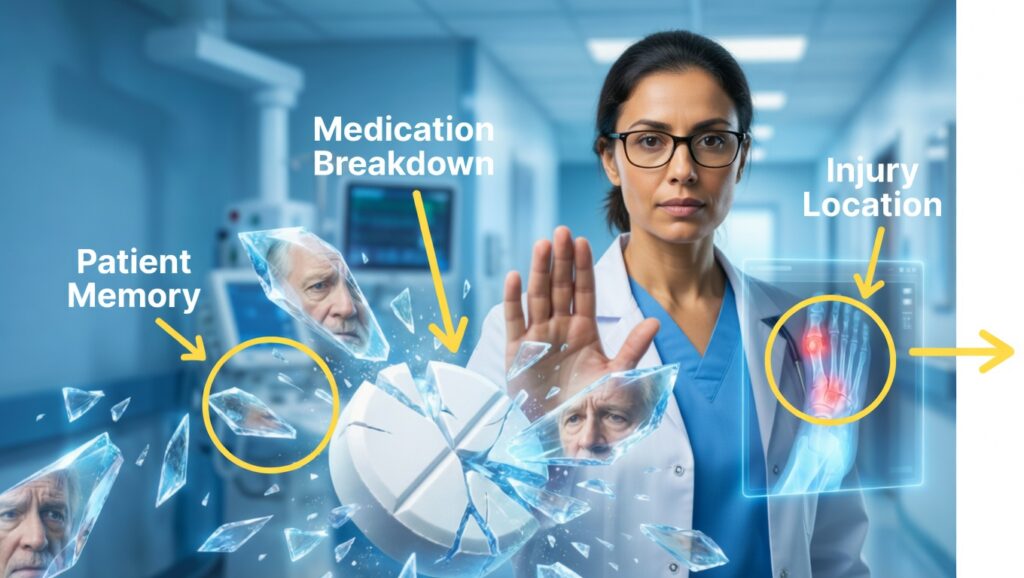
Why One Widely Used Blood Pressure Drug Can Be So Dangerous
Hydrochlorothiazide, often abbreviated as HCTZ, is one of the most frequently prescribed medications for high blood pressure worldwide. Yet, from my perspective as a hospital physician, its risks often outweigh its benefits—especially for people over the age of 65.
Day after day, I see patients admitted with complications that can be traced back, at least in part, to this tiny “water pill.” It is routinely linked to dehydration, severe electrolyte disturbances, weakness, and falls—problems that, in many cases, could have been avoided with a different choice of medication.
Hydrochlorothiazide is a diuretic. Its main job is to help your body get rid of extra salt and water through the kidneys, which in turn lowers blood pressure. The trouble is that it rarely stops there. Along with fluid, it can wash out vital minerals and leave older adults particularly vulnerable to dangerous side effects.
This article, based on the insights of Dr. Suneel Dhand, explains the major concerns about hydrochlorothiazide, especially in seniors, and highlights safer alternatives you can discuss with your doctor.
Key Takeaways
- Hydrochlorothiazide (HCTZ) is a common diuretic (“water pill”) used to treat high blood pressure.
- It can be especially risky for older adults, often contributing to hospitalizations.
- Major side effects include severe dehydration and dangerously low potassium levels (hypokalemia).
- HCTZ can also reduce sodium and magnesium and raise uric acid, which may trigger gout.
- This combination of effects can cause weakness, dizziness, confusion, and a higher risk of falls.
- There are newer, generally safer blood pressure medications that are often better first-line options.
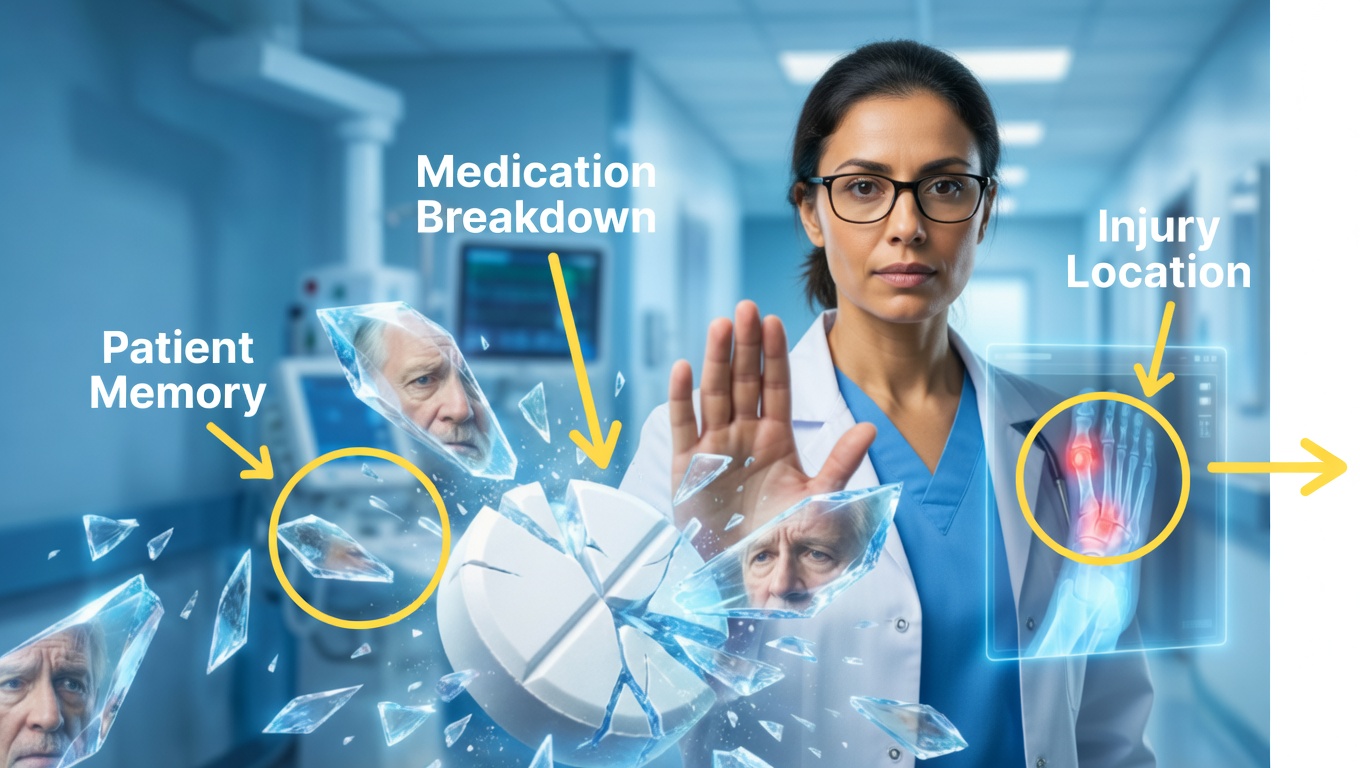
1. The Biggest Danger: Dehydration and Low Potassium
The most common and worrisome complication I see from hydrochlorothiazide is severe dehydration combined with low potassium.
Imagine a typical scenario: an older adult in their 70s or 80s comes down with a chest infection or stomach virus. They’re tired, eating very little, drinking less than usual, and may have a fever. Despite feeling unwell, they continue taking their daily HCTZ as prescribed.
The infection itself already causes fluid loss and stress on the body. When you add a diuretic on top, it becomes a perfect storm. The kidneys are pushed to excrete even more fluid and electrolytes at exactly the time the body can least afford it.
By the time they arrive at the hospital, these patients are often:
- Profoundly dehydrated
- Extremely weak
- Confused or disoriented
Blood tests frequently reveal very low potassium levels. A normal potassium level is around 3.5 or above. It’s not unusual for me to see readings of 2.9, 2.8, or even lower in patients on HCTZ. This condition, known as hypokalemia, can be life-threatening. It can cause:
- Intense muscle weakness and cramps
- Abnormal heart rhythms (arrhythmias)
- In severe cases, cardiac arrest
The infection may be the initial trigger, but hydrochlorothiazide often pours gasoline on the fire, transforming a manageable illness into a serious medical emergency.
Even when someone is not acutely ill, I often find that patients on chronic HCTZ sit at the low end of normal potassium (for example, 3.3 or 3.4) for years. Potassium is essential for thousands of chemical reactions in the body, including those that regulate heart and nerve function. Living in a constant state of borderline deficiency is not ideal for long-term health.
2. The Hidden Problem: Sodium Depletion (Hyponatremia)
Potassium is not the only electrolyte affected. Hydrochlorothiazide is also notorious for lowering sodium levels, a problem called hyponatremia.
Sodium helps regulate fluid balance in and around your cells and is crucial for proper nerve and muscle function. On a lab report, the drop might look minor—for example, from a normal 135 down to 132 or 133—but in older adults, even “mild” hyponatremia can have real consequences.
Symptoms of low sodium can include:
- Headaches
- Nausea
- Fatigue
- Confusion
- Unsteady walking or balance problems
That confusion and unsteadiness are particularly dangerous in seniors because they dramatically increase the risk of falls. A single fall can lead to fractures, surgery, prolonged hospital stays, and loss of independence.
What’s especially tragic is that these symptoms are often dismissed as “just getting older” when, in reality, they may be a direct side effect of hydrochlorothiazide—a drug that often has safer alternatives.
3. Uric Acid, HCTZ, and Gout Flares
If you’ve ever experienced gout—or watched a family member go through it—you know how agonizing it can be. Gout is a form of inflammatory arthritis caused by a buildup of uric acid crystals in the joints, commonly in the big toe but also in the ankles, knees, or other joints.
Hydrochlorothiazide is well known to increase uric acid levels because it reduces how effectively the kidneys can get rid of it. For someone who:
- Already has high uric acid
- Has a history of gout
- Or has a strong family tendency toward gout
taking HCTZ can be like playing with fire. It can easily trigger frequent and painful gout attacks.
Keeping blood pressure under control is essential, but it shouldn’t happen at the expense of causing another debilitating condition. Since there are many blood pressure medications that do not raise uric acid, HCTZ is often a poor choice for anyone prone to gout.
4. The Overlooked Mineral: Magnesium
Magnesium is a critical yet often underrated mineral. It plays a role in more than 300 enzymatic reactions in the body, impacting:
- Energy production
- Protein synthesis
- Muscle and nerve function
- Blood sugar regulation
- Normal heart rhythm
Unfortunately, hydrochlorothiazide promotes magnesium loss through the urine, which can worsen or create magnesium deficiency. Many people are already borderline low in magnesium due to modern diets and depleted soil; HCTZ simply pushes them further into deficiency.
Symptoms of low magnesium can be subtle and wide-ranging:
- Muscle cramps or twitching
- Generalized fatigue
- Weakness
- Anxiety or restlessness
- Heart rhythm disturbances
These symptoms can easily overlap with those of low potassium and low sodium, creating a triple hit of essential mineral depletion. This cluster of problems is a major reason why I strongly oppose using HCTZ as a first-line treatment for high blood pressure, especially in older adults.
5. Safer, More Modern Options for Blood Pressure Control
After hearing all of this, you might be asking: “If hydrochlorothiazide is so problematic, what else can be used to treat high blood pressure?”
The reassuring news is that we have many other effective and often safer medication classes available today. Once lifestyle measures—such as improving diet, increasing physical activity, losing excess weight, and limiting alcohol and salt—have been addressed, these are the options I would typically consider before reaching for HCTZ.
Common alternatives include:
- ACE Inhibitors (e.g., lisinopril)
- ARBs (Angiotensin II Receptor Blockers)
- Calcium Channel Blockers (e.g., amlodipine)
- Beta-Blockers (e.g., metoprolol)
These medications lower blood pressure through different mechanisms and generally do not cause the same degree of fluid and electrolyte disruption as hydrochlorothiazide. The best choice depends on your individual medical history, kidney function, other medications, and specific cardiovascular risks—details your doctor can review with you.
The key point is that viable, often safer alternatives exist, and they deserve serious consideration before defaulting to HCTZ.
A Final Word of Caution and Empowerment
The goal of this discussion is not to create fear, but to raise awareness and help you become a more informed partner in your own care.
Hydrochlorothiazide is an older medication with decades of use behind it, and it certainly can lower blood pressure. However, modern medicine now offers better-tolerated options that typically do not carry the same burden of dehydration, electrolyte imbalance, and fall risk—especially in people over 65.
High blood pressure absolutely must be treated, but how we treat it is critically important.
If you or someone you care for is currently taking hydrochlorothiazide (HCTZ):
- Do not stop it abruptly on your own.
- At your next medical appointment, start a conversation with your doctor.
A useful question to ask is:
“Given the risks of dehydration and electrolyte loss, is hydrochlorothiazide still the safest and most appropriate blood pressure medication for me at this stage of my life?”
That simple question can open the door to a more thoughtful, personalized, and safer approach to managing your blood pressure.