Landmark Study: Most Statin Side Effects Are Not Caused by the Drug
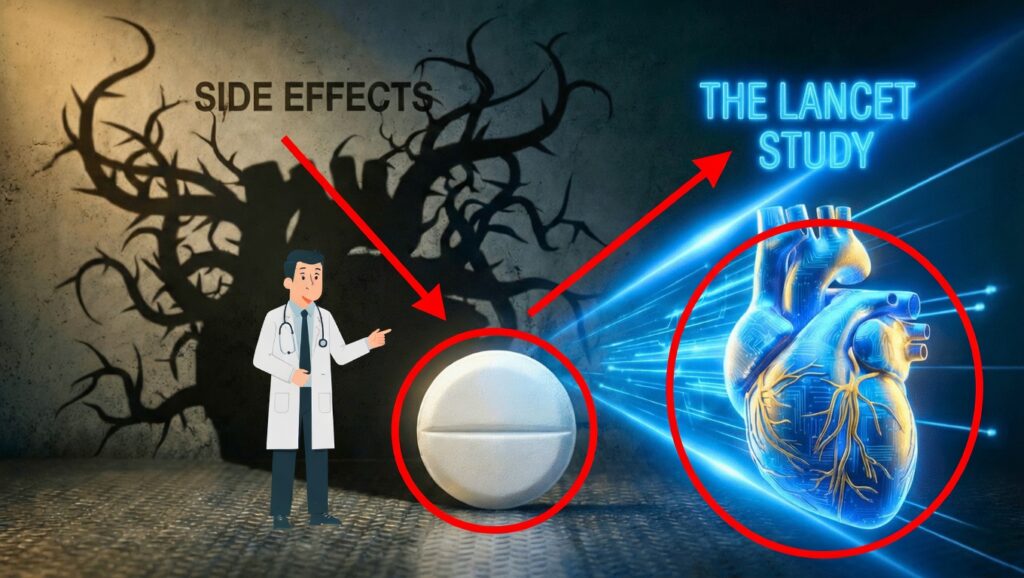
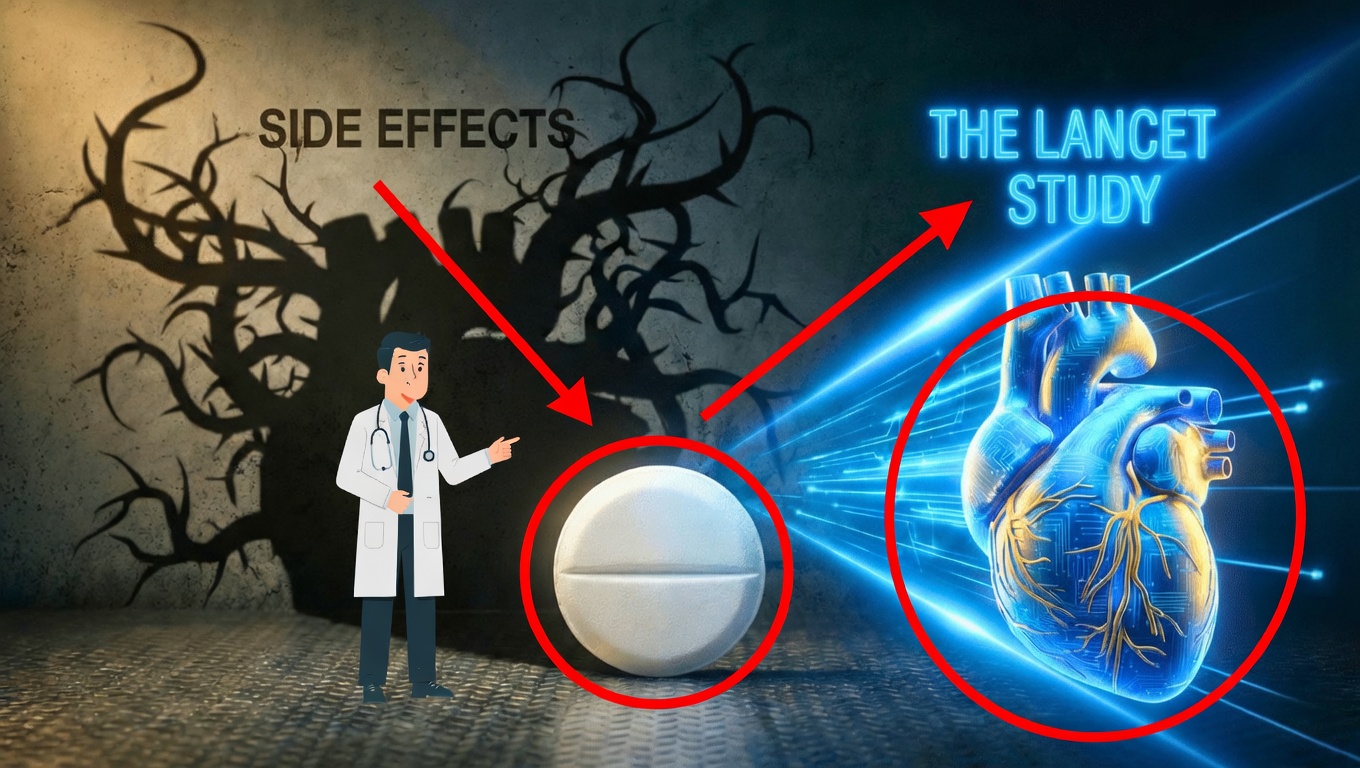
A major analysis involving data from over 150,000 patients has found that most of the side effects commonly blamed on statin medications are not actually caused by the drugs themselves. Published in The Lancet, this large-scale review suggests that fears surrounding statin side effects are largely overstated, and may be discouraging many people from using a treatment that significantly lowers the risk of heart attacks and strokes.
Key Takeaways
- Most feared statin side effects are not supported by high-quality evidence. Symptoms such as memory problems, depression, and sleep disturbances did not occur more often in statin users than in placebo groups in rigorous clinical trials.
- The cardiovascular benefits are substantial and well-proven. Statins greatly reduce the risk of heart attacks, strokes, and other serious cardiovascular events, and these benefits far outweigh the small number of genuine, confirmed risks.
- Drug warning labels may be misleading. Current package inserts and warnings may overstate or misattribute side effects, and experts argue they should be updated to reflect data from large, randomized, double-blind trials.
Understanding Statin Benefits
Statins are among the most commonly prescribed medications worldwide. Their primary role is to lower levels of “bad” LDL cholesterol in the blood, which helps prevent the buildup of fatty deposits in the arteries. By doing so, statins:
- Reduce the risk of heart attacks
- Lower the risk of strokes
- Help prevent other serious cardiovascular events
Cardiovascular disease remains one of the top causes of death globally, making effective preventive therapies like statins crucial. However, anxiety about possible side effects has caused many patients to refuse, delay, or stop statin therapy, potentially missing out on powerful, life-saving protection.
Debunking Common Statin Myths
The new findings come from the Cholesterol Treatment Trialists’ Collaboration, which evaluated data from 23 major randomized controlled trials. These studies compared statins with placebos in large groups of patients, using double-blind methods so that neither doctors nor participants knew who was receiving the drug.
The researchers found no meaningful increase in risk for most of the side effects frequently mentioned in patient information leaflets or online discussion, including:
- Memory loss and dementia
- Depression and mood changes
- Sleep problems and insomnia
- Erectile dysfunction
- Weight gain
- Nausea and digestive upset
- Fatigue and low energy
- Headaches
In nearly all these cases, reported symptoms occurred at similar rates in people taking statins and in those taking a placebo. This indicates that many complaints attributed to statins are likely due to other factors or expectations rather than the medication itself.
Statin Side Effects That Are Scientifically Confirmed
While most alleged statin side effects are not supported by robust data, the study did identify a small number of genuine risks that are statistically linked to statin use. Importantly, these effects are relatively uncommon and usually mild.
1. Mild Increases in Liver Enzymes
- A slight rise (about 0.1%) in abnormal liver function tests was observed among statin users.
- Despite this, there was no corresponding increase in serious liver diseases such as hepatitis or liver failure.
- Routine blood tests can monitor liver function, and significant problems are rare.
2. Muscle Symptoms
- Previous work by the same research group suggests that only around 1% of patients experience muscle symptoms that can be clearly attributed to statins.
- These effects typically appear within the first year of treatment.
- Many muscle aches reported by patients are unrelated to the drug and occur just as often in people not taking statins.
3. Slight Increase in Blood Sugar Levels
- Statins can cause a modest rise in blood sugar.
- In people already at high risk of developing type 2 diabetes, this can sometimes bring on the diagnosis a bit earlier.
- For most patients, the cardiovascular benefits still far outweigh this small metabolic risk.
4. Fluid Retention and Urinary Changes
- Some comparisons showed minor increases in fluid retention (edema) and subtle changes in urine.
- The clinical importance of these findings is not fully clear, and they were relatively uncommon.
Rethinking Drug Labels and Patient Choices
Many existing statin warnings are based on observational studies and post-marketing reports, which can be influenced by bias, heightened awareness of possible side effects, and the tendency to attribute unrelated symptoms to a well-known medication.
In contrast, double-blind, randomized controlled trials:
- Compare statins with an inactive placebo
- Mask treatment assignments from both patients and researchers
- Provide a much clearer picture of which side effects are truly caused by the drug
Because of this stronger evidence, the authors and other experts argue that statin information leaflets and warning labels should be updated to reflect what large-scale trials actually show. Clearer, evidence-based information can help:
- Physicians counsel patients more accurately
- Patients weigh real risks against proven cardiovascular benefits
- Reduce unnecessary fear and hesitation around statin therapy
The Bottom Line: Benefits Far Outweigh the Risks
For millions of people worldwide, the advantages of taking statins—especially in preventing heart attacks, strokes, and other major cardiovascular events—are substantial. The confirmed risks are real but relatively small and usually manageable with proper monitoring.
By correcting misconceptions and focusing on high-quality scientific data, this landmark analysis aims to help more eligible patients feel confident choosing statin therapy, ultimately saving lives through better cardiovascular prevention.
Sources
- “Massive study finds most statin side effects aren’t caused by the drugs,” ScienceDaily
- “Most Feared Statin Side Effects Are Unfounded, Landmark Study Finds,” StudyFinds