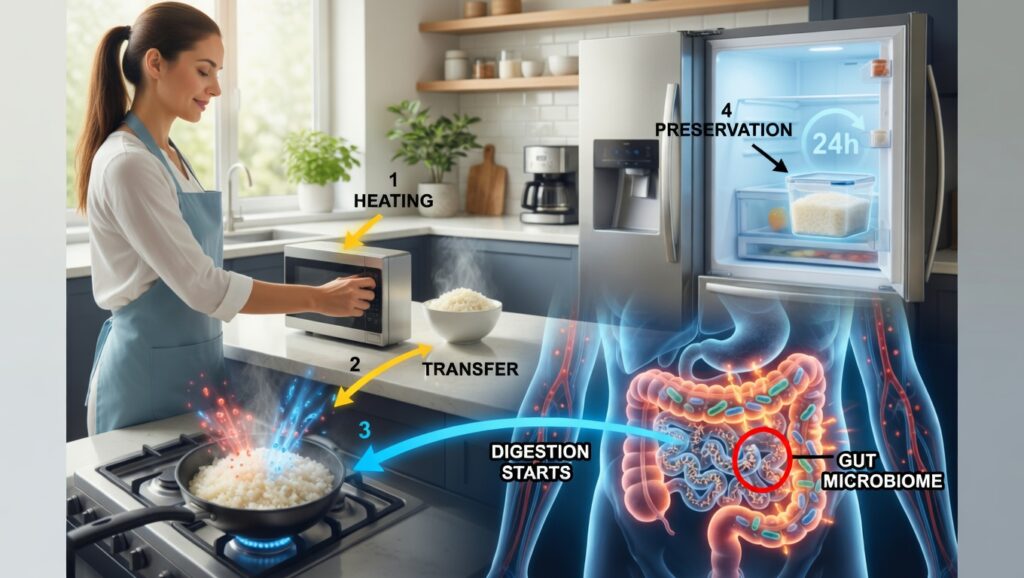
Turn Rice from Blood-Sugar Spike to Metabolism Supporter
Does a bowl of rice send your blood sugar soaring and derail your health goals? You’re far from the only one. The surprising truth: you don’t need to cut out rice to lose fat, balance blood sugar, or protect your gut.
With a few smart tweaks, you can transform rice from a “fat-storing” carb into a satisfying, blood-sugar-friendly, gut-nourishing food. Below are five science-backed upgrades that change how your body responds to rice—so you can enjoy real carbohydrates, steady energy, and better digestion.
Key Takeaways
- Simple additions can dramatically reduce rice’s blood sugar impact and support fat burning.
- How you prepare, cool, and combine rice matters more than the type of rice you choose.
- These strategies work for most rice lovers, including people focused on weight loss and gut health.
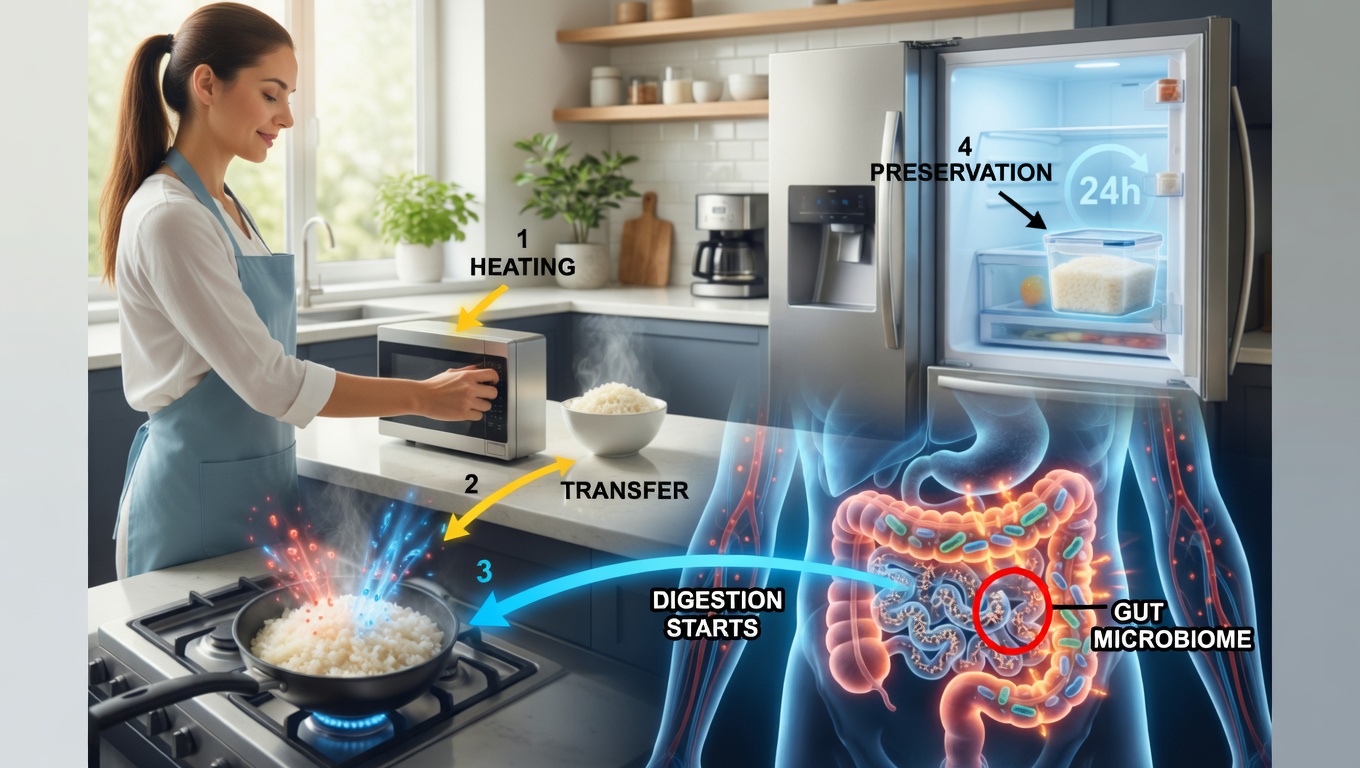
Let’s walk through the five powerful ways to make your next rice meal work for your body instead of against it.
1. Boost Your Rice with Seaweed (Wakame or Mekabu)
Seaweed isn’t just a sushi garnish. Stirring a small amount of dried organic wakame or mekabu into hot rice can make a big difference in how your body processes that meal.
Human studies show that pairing rice with about 4 g of dried wakame significantly lowers both blood glucose and insulin spikes compared with eating plain rice.
Why Seaweed Helps
Seaweed is rich in unique fibers such as alginate. In your digestive tract, these fibers form a thick gel that:
- Slows the digestion and absorption of starch from rice
- Reduces post-meal glucose and insulin spikes
- Feeds beneficial gut bacteria
- Supports repair of the gut lining and long-term digestive health
How to Use Seaweed with Rice
- Choose high-quality, organic wakame flakes.
- When your rice is freshly cooked and still hot, sprinkle on 1–2 teaspoons of wakame. Let it sit for a few minutes, then stir and serve.
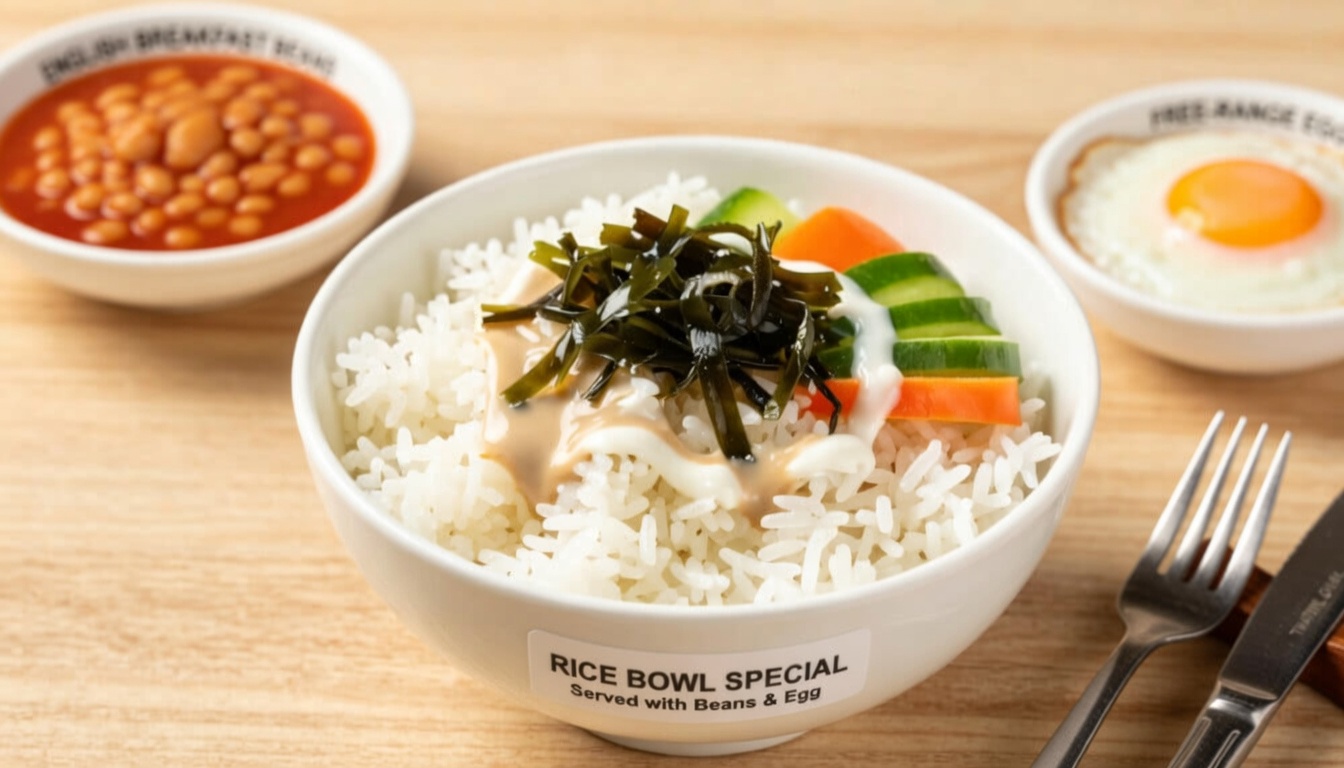
- Build a balanced “sushi bowl”: add wakame, cucumber, sesame seeds, and a protein source such as salmon, tuna, or egg.
- Try mekabu (the base of wakame) if you want an even more viscous, nutrient-dense option.
The flavor is mild and savory—similar to what you’d taste in miso soup or seaweed salad—and usually blends seamlessly into the dish.
Gut Bonus:
Seaweed fibers act as prebiotics, feeding good bacteria in the colon and further enhancing gut health.
2. Mix in Vinegar (Rice Vinegar or Apple Cider Vinegar)
Adding vinegar to rice is a traditional practice with modern scientific backing. Vinegar has been shown in clinical research to reduce blood sugar and insulin levels after a meal.
The key compound is acetic acid, which slows down the breakdown of starch and the absorption of sugar into your bloodstream.
Simple Ways to Add Vinegar to Rice
- After cooking, stir 1–2 teaspoons of apple cider vinegar or rice vinegar into your hot rice, plus a pinch of salt. A squeeze of lemon can brighten the flavor.
- Whisk up a quick dressing with 1 tablespoon apple cider vinegar, 1 teaspoon olive oil, and herbs, then drizzle it over a rice bowl.
- Include fermented, pickled sides like kimchi, sauerkraut, or pickled cucumbers with your rice meal to get both the vinegar effect and extra probiotics.
This is an easy, low-effort upgrade that can meaningfully blunt the blood sugar surge from rice.
3. Cook, Cool, and Reheat Rice to Create Resistant Starch
One of the simplest and most powerful tricks: cook your rice ahead of time, cool it, then eat it later. Chilling cooked rice in the refrigerator for 12–24 hours transforms some of its regular starch into resistant starch.
What Is Resistant Starch?
Resistant starch is a form of starch that escapes digestion in the small intestine. Instead of rapidly becoming glucose, it behaves more like fiber. It:
- Is fermented by good bacteria in the large intestine
- Produces short-chain fatty acids, especially butyrate
- Helps nourish and protect the gut lining
What Studies Show
Research indicates that rice that has been cooked, cooled, and then reheated can produce a smaller blood sugar response than freshly cooked rice. This is particularly helpful for people with insulin resistance or blood sugar concerns.
How to Do It
- Cook rice as you normally would. (Optional: add a spoonful of coconut oil for extra flavor and potential metabolic benefits.)
- Let it cool and refrigerate for 12–24 hours.
- Reheat gently before eating.
Reheating does not remove the resistant starch that formed during cooling, so you can enjoy warm rice with a lower glycemic impact.
4. Always Pair Rice with Protein, Healthy Fats, and Non-Starchy Veggies
Eating rice by itself is a recipe for a quick blood sugar spike. But when you combine rice with protein, good fats, and fiber-rich vegetables, the glycemic impact drops significantly.
Studies show that rice-based meals that include protein (such as chicken or eggs), healthy fats, and vegetables lead to a much lower rise in blood sugar than rice eaten alone.
Why This Combination Works
- Protein and healthy fats slow stomach emptying and digestion, leading to a more gradual release of glucose into the bloodstream.
- Non-starchy vegetables contribute fiber and micronutrients, further slowing sugar absorption and supporting overall metabolic health.
A Simple “Smart Rice Bowl” Template
- Base: cooled (and optionally reheated) rice to take advantage of resistant starch.
- Protein: a palm-sized serving of high-quality protein (chicken, eggs, salmon, sardines, tofu, or grass-fed meats).
- Vegetables: a generous portion of non-starchy veggies, such as broccoli, asparagus, leafy greens, mushrooms, cucumbers, or cabbage.
- Healthy fats: 1–2 teaspoons of olive oil, avocado oil, sesame oil, coconut oil, or ghee drizzled on top.
This combination turns your rice dish into a satisfying, nutrient-dense, and fat-burning meal you can enjoy regularly.
5. Use Psyllium Husk Fiber Before Eating Rice
For an extra layer of blood sugar support, take a small dose of soluble fiber before your rice meal—psyllium husk is a convenient option.
Psyllium absorbs water and forms a gel-like substance in your digestive tract that:
- Slows carbohydrate absorption
- Helps regulate post-meal blood sugar
- Promotes fullness and may reduce overall calorie intake
- Supports regular bowel movements and gut health
Human studies show that psyllium can help people with diabetes manage post-meal glucose levels more effectively.
How to Take Psyllium Before a Rice Meal
- Mix 1 teaspoon of organic psyllium husk into a large glass of water.
- Drink it about 5–10 minutes before you start eating your rice dish.
- Then enjoy your meal—your body will generally process those carbs more smoothly, and your gut benefits from the added fiber.
Final Thoughts: You Don’t Have to Fear Rice
Rice itself isn’t the enemy—it’s how quickly it turns into blood sugar and how your body responds. By using these five simple, science-backed upgrades, you can:
- Sharply reduce rice’s blood sugar and insulin impact
- Support fat burning and metabolic health
- Feed and protect your gut
- Turn rice-based meals into balanced, satisfying, and health-supportive dishes
You’ll get the best results by combining several of these strategies—for example, cooled-and-reheated rice served with protein, veggies, healthy fats, plus seaweed or vinegar.
Real health doesn’t require eliminating every beloved food. It’s about eating smarter, not stricter, and making small, strategic changes so you can enjoy your meals and still thrive.
Quick FAQ
Q: Should I avoid rice completely if it raises my insulin?
Not necessarily. If you have severe insulin resistance or advanced metabolic disease, you may need to be more cautious and work with a professional. But for most people, these five strategies make rice much easier for the body to handle.
Q: Do these strategies work with brown rice?
Yes, most of them apply to brown rice as well. However, many practitioners actually favor white rice that’s properly prepared (cooled, reheated, and combined with protein, fats, and fiber) because it can contain fewer anti-nutrients and contaminants than some brown rice varieties.
Q: Can I use these tips with quinoa or other grains?
These hacks are especially well-studied with rice, but the basic principles—adding fiber, vinegar, cooling to create resistant starch, and pairing with protein, fats, and veggies—can often be applied to other starchy grains and grain-like foods.
Ready to enjoy rice again—this time in a way that supports your health rather than undermines it.