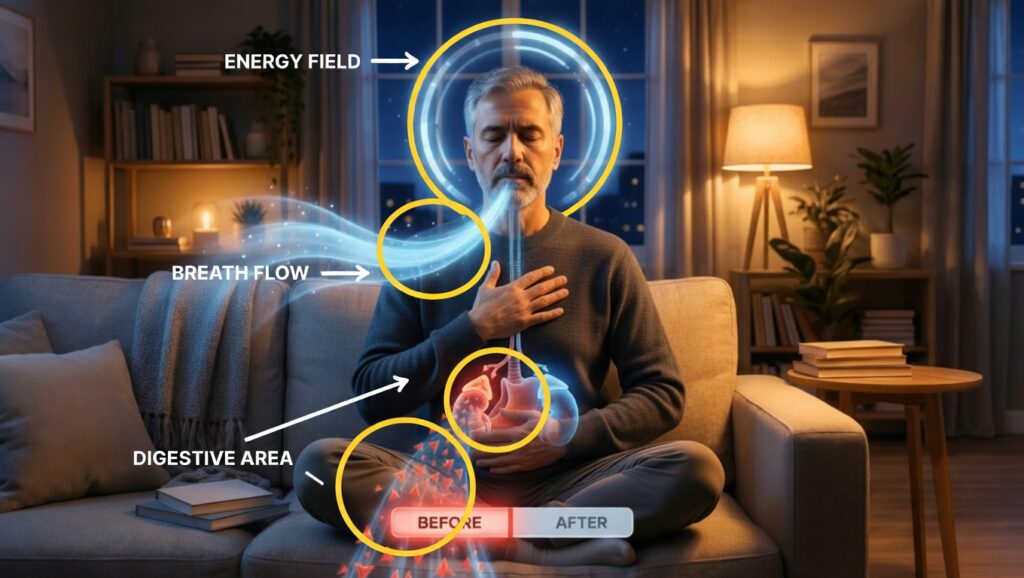
Slash Cortisol in Minutes: Simple Ways to Calm Stress and Support Fat Loss
Imagine being able to dial down your main stress hormone—cortisol—in just a few minutes, without a retreat, elaborate ritual, or hour-long meditation session.
If you’re constantly on the go, eating fairly well, squeezing in workouts when you can, yet still feel tense, wired, and anxious at night, you’re not alone. For many people, stress quietly builds throughout the day. By the time evening hits, the body is stuck in “on” mode—cortisol stays elevated, your mind won’t shut off, and stubborn belly fat becomes harder to lose.
(These insights are inspired by the work of Thomas Delauer.)
Here’s the good news: a few strategic, science-backed habits can significantly reduce cortisol and help your body relax—without a major time commitment.
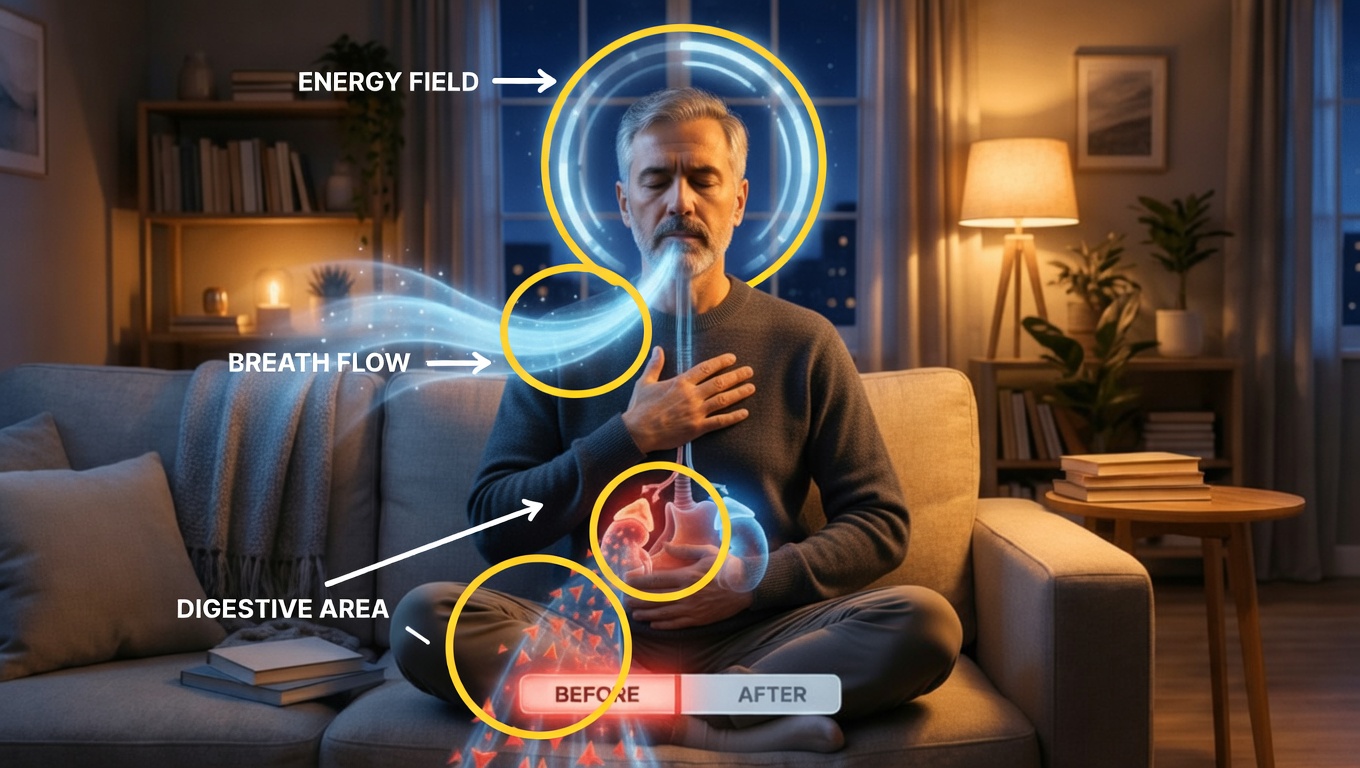
Below are three research-supported techniques you can start immediately. Each one takes only a few minutes, requires almost no equipment, and can help calm your mind, balance your hormones, and support a healthier waistline.
Key Takeaways
- Targeted breathing exercises can rapidly lower cortisol and calm your nervous system.
- Gentle supplements like L-theanine and saffron can support stress relief and restore your natural rhythm.
- Short, easy habits are often more effective and sustainable than long, complicated routines.
1. Practice 4-7-8 Breathing to Lower Cortisol Fast
If your brain feels like it’s racing at the end of the day, the 4-7-8 breathing technique is a quick, evidence-based way to hit “pause” on your stress response.
How to do 4-7-8 breathing:
- Inhale gently through your nose for 4 seconds.
- Hold that breath for 7 seconds.
- Exhale slowly through your mouth for 8 seconds.
- Repeat for 7–10 rounds.
Research in the journal Frontiers of Sleep found that this simple pattern led to a substantial drop in salivary cortisol—the form of cortisol measured in your saliva. The entire exercise takes about 3–4 minutes and can trigger a chain reaction of relaxation throughout your body.
Why it works:
The 4-7-8 rhythm helps calm your hypothalamic-pituitary-adrenal (HPA) axis, the system that governs your stress hormones. It basically sends your brain a clear message: “You’re safe. You can relax now.”
Nasal breathing plays a key role here. Breathing through the nose:
- Signals a state of calm to your brain
- Increases nitric oxide, which opens blood vessels and improves circulation
- Helps your body cool down and shift out of “fight-or-flight” mode
Best time to use it:
- After dinner
- Before bed
- During stressful moments in the afternoon or evening
When to avoid it:
Skip deep relaxation breathing right before activities where you need energy and alertness—such as a workout or an intense meeting—because it can make you feel too relaxed.
2. Use L-Theanine to Calm Your Brain Without Making You Groggy
If you want a stress-relief strategy that doesn’t require changing your routine, L-theanine is worth considering. This amino acid, naturally present in green tea, can:
- Reduce cortisol
- Promote a sense of calm
- Avoid sedation or “brain fog”
A study in Neurology and Therapy examined people who took 200 mg of L-theanine before a stressful task, such as a timed math challenge. Those who took theanine:
- Had significantly lower cortisol levels shortly after the stressor
- Reported feeling calmer and less anxious
What makes theanine special:
- It crosses the blood–brain barrier
- It boosts key neurotransmitters like GABA and serotonin
- Serotonin is a precursor to melatonin, the hormone that regulates sleep
This means theanine can help you feel more centered in the moment and may also set the stage for better sleep later.
How to use L-theanine:
- Take a theanine supplement (capsules or tablets) at a dose similar to that used in studies (often around 200 mg—follow label directions).
- Enjoy high-quality green tea, which naturally contains theanine—though doses in tea are smaller and less precise.
3. Support Your Internal Clock and Cortisol Rhythm with Saffron
If your mornings feel sluggish and your nights feel “too awake,” your internal clock (circadian rhythm) may be out of sync. Saffron—yes, the same spice used in cooking—can help nudge your brain’s master clock back into balance.
Your circadian rhythm is regulated by a region in the brain called the suprachiasmatic nucleus (SCN). This clock influences:
- When cortisol rises in the morning
- How much cortisol you produce throughout the day
- How easily cortisol drops at night so you can sleep
Modern research suggests that saffron can act as a circadian reset, helping:
- Evening cortisol levels decrease more naturally
- Your sleep-wake cycle line up better with your preferred bedtime
- Your nervous system experience a greater sense of calm
Saffron also positively affects GABA, a calming neurotransmitter that promotes relaxation—similar to the “unwinding” feeling some people get from a glass of wine, but without alcohol.
Ways to use saffron:
- Add a small amount of saffron threads to rice, soups, or stews
- Drink saffron as an herbal tea
- Consider a standardized saffron supplement for more consistent dosing (often used in research)
Safety tip:
Culinary amounts of saffron are generally considered safe. However, before using concentrated saffron supplements—especially if you’re pregnant, nursing, or on medication—consult your healthcare provider.
Bonus: Use Creatine for Better Stress Resilience
Creatine is usually associated with gym performance and muscle strength, but emerging research shows it may also support brain energy and stress resilience.
Keeping creatine levels steady in the brain may:
- Help buffer against the negative effects of cortisol spikes
- Be particularly helpful when stress ramps up later in the day
- Support mental performance under pressure
One practical option is creatine gummies, often sweetened with alulose. Brands like “Create” offer kid-friendly, chewable forms that have been third-party tested for potency and purity.
Not everyone needs creatine, but if you frequently battle evening stress or brain fatigue, it may provide an extra layer of support. Always follow dosing instructions and consider discussing supplementation with a professional if you have health concerns.
When Not to Use These Stress Tools
While these methods can be powerful, timing matters.
- 4-7-8 breathing and other deep relaxation techniques:
- Ideal for winding down in the evening, before sleep, or during high-stress moments
- Not ideal right before intense physical activity or whenever you need to boost energy and alertness
If you want to energize rather than relax, opt for a more neutral or stimulating technique, such as box breathing (inhale–hold–exhale–hold for equal counts), which can steady your mind without making you too sleepy.
The goal is not to suppress your natural energy, but to prevent stress from staying “stuck on” and disrupting your sleep, metabolism, and health.
Final Thoughts: Small Habits, Big Results for Cortisol Control
You don’t need a complete lifestyle overhaul or nightly meditation marathons to bring cortisol back into balance.
Start with:
- 4-7-8 breathing once or twice a day, especially in the evening.
- L-theanine to support calm focus and smoother stress responses.
- Saffron to help restore a healthier circadian rhythm and nighttime relaxation.
- Creatine (optional) to strengthen your brain’s resilience to stress over time.
Consistently applying small, simple practices can shift your physiology in a big way—helping you unwind more easily, sleep more deeply, and gradually make it easier to lose stubborn belly fat.
When cortisol comes down, both how you feel and how you look can change. Try these strategies and notice what happens over the next few weeks—those few minutes a day can make a surprisingly large difference.
Source: Thomas Delauer