Unlocking Your Body’s Most Powerful Healing System
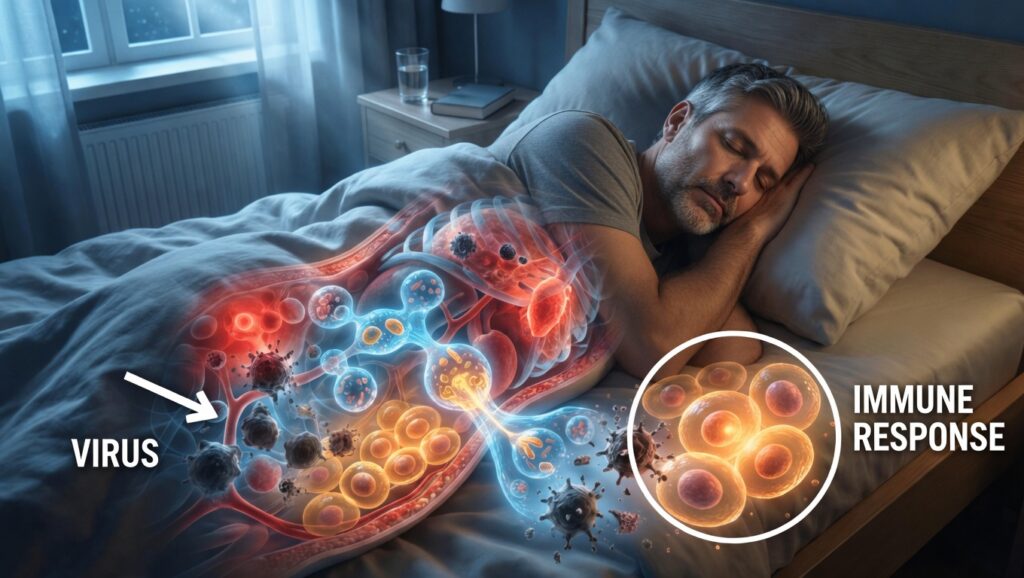
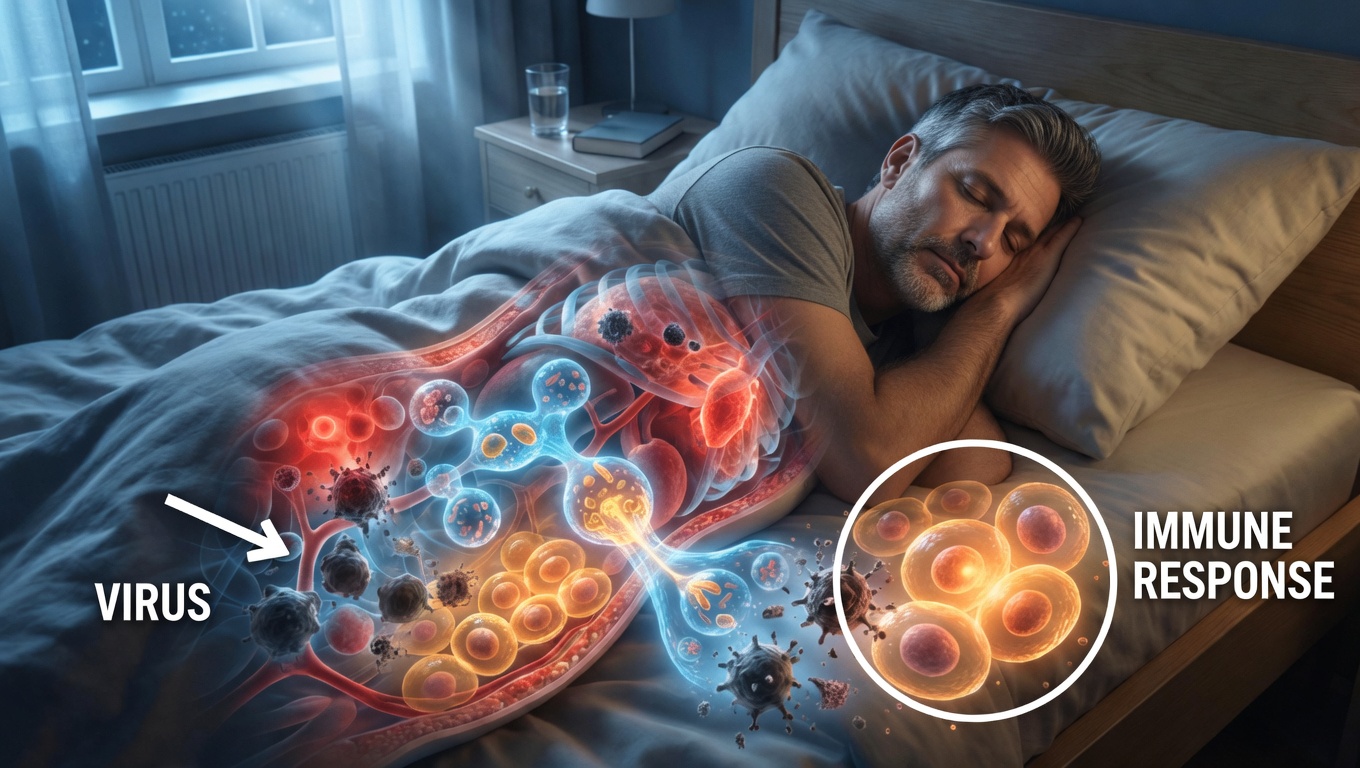
Inside your body exists a natural, built‑in mechanism so potent that, if it could be bottled, it would likely be the world’s most valuable drug. This internal process can calm inflammation, strengthen your immune defenses, improve insulin sensitivity, and support every major organ—often all at once.
The surprising part? You don’t have to buy anything to activate it. It’s free, available to everyone, and yet rarely explained clearly. This mechanism is fasting—specifically, fasting done correctly and safely.
In this guide, inspired by the work of Dr. RN Veller, you’ll learn what fasting really means, how it revitalizes your body from the inside out, and the science behind its star feature: autophagy. You’ll also discover beginner-friendly methods, practical tips, and crucial safety guidelines so you can benefit without taking unnecessary risks.
Key Takeaways
- Fasting is not about starving yourself—it’s about giving your body time away from food so it can repair and reset.
- Autophagy is your body’s built‑in “self-cleaning” system that switches on after a period without food.
- You do not need long or extreme fasts to see results; shorter, structured fasts can be highly effective.
- Fasting can lower inflammation, support metabolic health, and may reduce the risk of several chronic diseases, including some cancers.
- Always speak to your healthcare provider before fasting if you have medical conditions or take regular medication.
1. Fasting: More Than Just Skipping Meals
Many people associate fasting with deprivation, weakness, or relentless hunger. In reality, effective fasting is more about when you eat than about eating tiny amounts of food.
Think of it as compressing your meals into a shorter daily eating window. Instead of eating from early morning until late at night, you might choose to eat all your meals within an 8‑hour period and allow your body to fast for the remaining 16 hours.
The benefit doesn’t come from simply eating less—it comes from giving your body extended breaks from food so it can switch from constant digestion to deep repair and maintenance.
2. Meet Autophagy: Your Internal Cleaning Crew
The real “superpower” behind fasting is a process called autophagy. The word literally means “self-eating,” but a better description is “self-cleaning.”
During autophagy, your cells:
- Break down and remove damaged or defective components
- Recycle old parts into new building blocks
- Eliminate malfunctioning cells that could later cause disease
This process is so critical for health and longevity that research on autophagy earned the 2016 Nobel Prize in Physiology or Medicine. When autophagy is active, your body is essentially:
- Clearing out cellular waste
- Repairing damage
- Helping protect against conditions such as neurodegenerative disease, metabolic disorders, and even cancer
3. What Happens in Your Body When You Fast
Here’s a simplified timeline of what begins to happen inside your body when you stop eating and start fasting:
Within the first 24 hours
- Your body starts to use up stored glucose (glycogen) in the liver.
- As glycogen is depleted, insulin levels fall, allowing the body to access stored fat more easily.
- Your muscles and heart begin to rely more on fat for energy, providing a steadier fuel source.
Many people notice they feel less bloated as excess fluid and some inflammation begin to subside.
Around Day 2
- Glycogen stores are largely exhausted.
- Your body shifts more fully into fat-burning mode.
- Levels of ketones—a clean, efficient fuel for the brain and heart—increase.
- This often leads to improved mental clarity and, surprisingly, a reduction in hunger for many individuals.
Day 3 and beyond
- Autophagy becomes more pronounced.
- The body intensifies its clean-up efforts, breaking down:
- Dysfunctional cells
- Misfolded proteins
- Potentially precancerous cells
While extended fasts are not necessary for everyone—and should only be done with caution—this is the stage where deep cellular renewal is believed to be most active.
4. Fasting, Insulin, and Disease Prevention
Why does simply not eating for a while have such a powerful impact on health?
A major reason is insulin. Insulin is a hormone that:
- Lowers blood sugar
- Signals cells to take in nutrients
- Promotes growth and fat storage
When you eat frequently, especially refined carbohydrates and sugary foods, insulin stays elevated. Constantly high insulin can:
- Increase the risk of insulin resistance and type 2 diabetes
- Contribute to weight gain and fatty liver
- Create an environment that may support the growth of certain cancer cells, because it constantly signals cells to grow and divide
Fasting allows insulin levels to drop significantly, switching your body from “growth and storage mode” to “repair and protection mode.” This shift can:
- Help improve insulin sensitivity
- Support weight and fat loss
- Lower the risk of several metabolic and cardiovascular diseases
5. How to Start Safely: The 16:8 Intermittent Fasting Method
You don’t need multi-day fasts to benefit. One of the most researched and accessible approaches is 16:8 intermittent fasting.
Here’s how to do it:
-
Choose an 8-hour eating window
Common examples:- 12:00 pm to 8:00 pm
- 10:00 am to 6:00 pm
-
Fast for the remaining 16 hours
- This includes your sleeping hours.
- During this time, you avoid all calories and focus on hydration.
-
Ease into it gradually
- Start with a 12-hour fast: for example, finish dinner at 8:00 pm and eat breakfast at 8:00 am.
- Once comfortable, extend to 14 hours, then 16 hours, if it feels manageable.
You can begin with 2–3 days per week of 16:8 fasting and adjust based on how your body responds and your lifestyle demands.
6. Who Should Be Careful: When Fasting May Not Be Safe
While intermittent fasting is generally safe for many healthy adults, it is not appropriate for everyone. Avoid prolonged or unsupervised fasting if you:
- Have type 1 diabetes, or type 2 diabetes treated with insulin or strong glucose-lowering medication
- Have a history of eating disorders (such as anorexia or bulimia)
- Are pregnant or breastfeeding
- Are underweight or suffer from malnutrition
- Have serious heart disease or a recent heart attack
- Are undergoing active cancer treatment, unless your doctor specifically advises a fasting protocol
If you have any chronic health condition or take prescription medication, always consult your doctor before starting any fasting regimen.
7. What You Can Drink Without Breaking Your Fast
Hydration is your ally during fasting. The right drinks can make the process easier without disrupting the fasting state.
Generally safe, fast-friendly options include:
- Water (still or sparkling)
- Black coffee (no sugar, milk, or cream)
- Caffeine may support fat-burning and might enhance autophagy in some contexts.
- Green tea
- Naturally rich in antioxidants that support cellular health.
- Herbal teas (chamomile, ginger, cinnamon, peppermint, etc.)
- Can help reduce hunger and provide a sense of warmth and comfort.
- Turmeric tea
- About ½ teaspoon turmeric with hot water and a pinch of black pepper to boost absorption; offers strong anti-inflammatory properties.
- Water with a splash of lemon juice or a small amount of apple cider vinegar
- May help with satiety and blood sugar balance for some people.
To maintain your fast, avoid:
- Sugar or honey
- Milk, cream, or caloric creamers
- Fruit juices
- Soft drinks
- Artificially sweetened beverages (they may interfere with appetite and insulin responses in some individuals)
8. What to Eat Before and After a Fast
How you break your fast is just as important as the fast itself. After a fasting period, your body is especially responsive to what you put into it.
Best choices to break your fast:
- Vegetables: leafy greens, salads, steamed or roasted veggies
- High-quality proteins: eggs, plain yogurt, fish, poultry, legumes
- Healthy fats: olive oil, avocado, nuts, seeds
- Low-sugar fruits: berries are a great option
Aim to avoid:
- Highly processed foods
- Sugary treats and drinks
- Heavy, greasy fast food
Nourishing your body with whole, minimally processed foods maximizes the metabolic and cellular benefits you’ve gained during your fasting window.
9. Fasting and Cancer: Potential Benefits and Serious Cautions
Research is emerging on how fasting or fasting-mimicking diets might interact with cancer treatments such as chemotherapy.
Some findings suggest that short, controlled fasts:
- May help healthy cells switch into a protective, low-activity state
- Can make cancer cells more vulnerable to treatment
- Might reduce certain side effects of chemotherapy
However, it is critical to understand:
- Fasting is not a cure for cancer.
- Fasting is not safe for all cancer patients, particularly those who are losing weight, have poor appetite, or are at risk of malnutrition.
- Cancer and its treatments place high demands on the body; restricting calories or nutrients without medical guidance can be dangerous.
If you are undergoing cancer treatment, never start fasting without the explicit approval and close supervision of your oncology team.
Conclusion
Fasting is like turning on your body’s most advanced built‑in repair program—autophagy. When done correctly, it can:
- Reduce inflammation
- Improve metabolic and insulin health
- Support organ function
- Potentially lower the risk of several chronic diseases
You don’t need extreme or marathon fasts. A sensible, gradual approach—such as 16:8 intermittent fasting—combined with wholesome, nutrient-dense foods can deliver meaningful benefits for many people.
Above all, listen to your body, avoid extremes, and consult your healthcare provider before making significant changes to your eating pattern. You may be surprised by what your body can achieve when you simply give it the time and space to reset.