
Why Brain Fog and Poor Focus Can Sneak Up on You
We learn early on that the brain runs the entire body. Without it, we could not live or function. Even so, brain health is often easy to overlook in daily life. One major reason is simple: what you eat every day can strongly affect memory, concentration, and overall brainpower.

The Cause: Your Brain Needs the Right Nutrients
For the brain to work well, it needs specific nutrients. The good news is that these nutrients are already found in many everyday foods. When those foods become a regular part of your meals, they can help support clearer thinking, better focus, improved memory, and less brain fog.
The Solution: Foods That Support Brainpower
1. Blueberries
Blueberries may be small, but they are packed with antioxidants. One of their standout compounds is anthocyanins, which help protect brain cells from damage and support better connections between them.
Eating blueberries regularly may help improve memory and help you stay focused for longer. Half a cup a day is enough to begin noticing benefits. They are also easy to work into your routine. Add them to cereal or blend them into a smoothie for a simple breakfast upgrade.

2. Fatty Fish
Fatty fish are well known for their nutritional value, especially because they are rich in omega-3 fatty acids. These fats make up almost 60% of the brain’s fat and are also important parts of cell membranes.
People who eat fish regularly also tend to have more gray matter in the brain. Gray matter plays a direct role in memory, emotions, and quick decision-making. If you are just getting started, adding fish to your meals twice a week is a good place to begin.

3. Dark Chocolate
If you enjoy sweets, dark chocolate may be a pleasant surprise. Dark chocolate that contains at least 70% cocoa is considered an excellent brain food because of its high flavanol content.
It also contains caffeine, flavonoids, and antioxidants. Together, these can support brainpower by increasing blood flow to the brain. There is evidence that dark chocolate may help memory, but moderation still matters. A bar or two a week is the recommended amount.
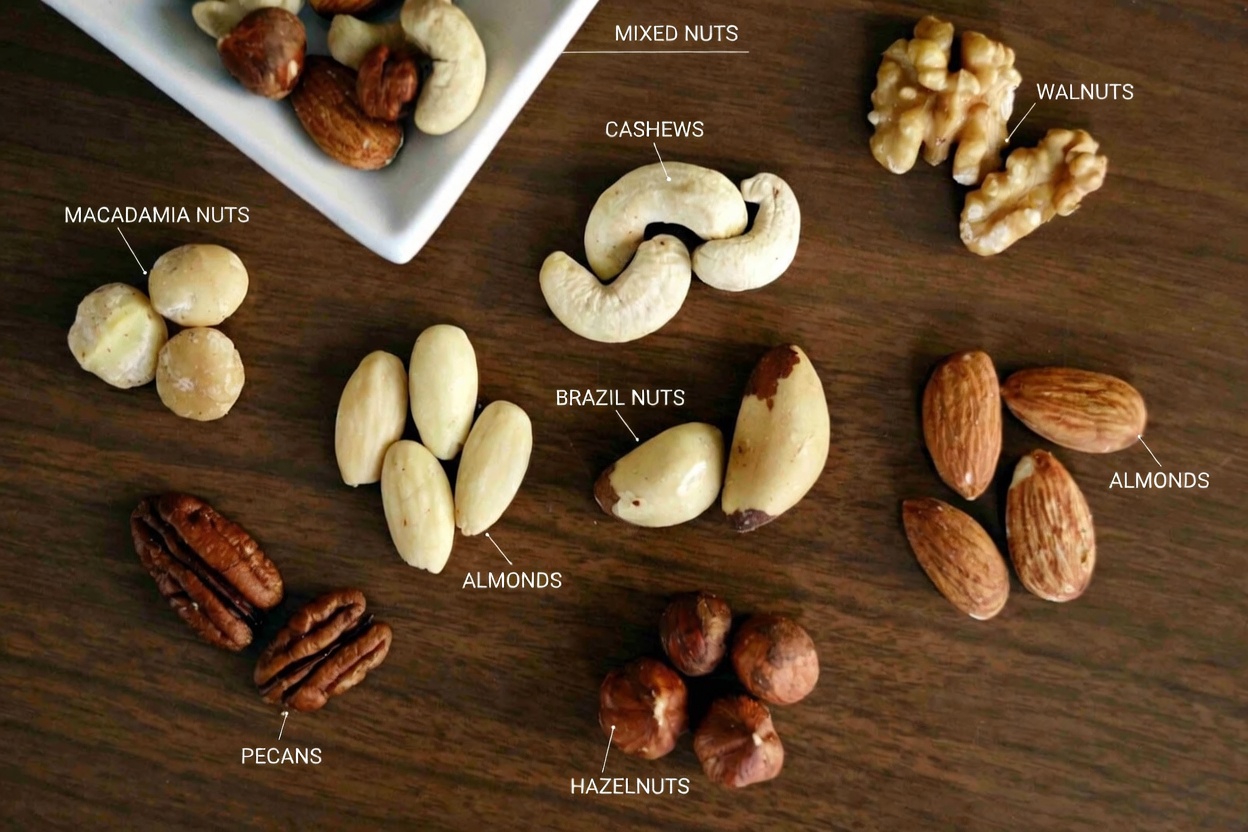
4. Nuts and Seeds
Nuts and seeds make a smart snack, especially for brain support. They provide Vitamin E, healthy fats, and plenty of protein, all of which help protect brain cells and keep your energy steadier throughout the day.
Among them, walnuts stand out. They contain alpha-linolenic acid, an omega-3 fatty acid associated with better cognitive function. Keeping a handful nearby for snacking can be an easy way to support brainpower.
5. Leafy Greens
Leafy greens such as spinach, kale, and broccoli are especially helpful for the brain. They support concentration thanks to their Vitamin K and antioxidant content.
If eating them raw does not appeal to you, there are plenty of simple ways to use them. Green smoothies are one of the easiest options because they take little time and effort. Drinking one daily can significantly support mental performance.

6. Eggs
Eggs can be thought of as a natural multivitamin for both mind and body, which is one reason they make such a strong breakfast option. They contain acetylcholine, a brain chemical linked to memory and learning.
They also provide Vitamin B, which helps regulate mood and reduce mental fatigue. Adding eggs to breakfast may improve brainpower and also help protect against eye diseases such as macular degeneration and cataracts. Students, in particular, may benefit from eating eggs daily to help keep the brain in top shape.

7. Avocados
Avocados are not just popular—they also offer fats that help support blood flow to the brain. Consistent blood flow matters because the brain depends on it to receive oxygen and nutrients.
You can spread avocado on toast, blend it into a smoothie, or enjoy it on its own. However you choose to eat it, avocado can help support clearer thinking.
8. Coffee and Green Tea
If coffee or tea helps you feel more alert in the morning, there is a reason for that. Both coffee and green tea contain caffeine, which blocks adenosine, a chemical that makes you feel lethargic.
Green tea offers something extra that coffee does not: amino acids that work alongside caffeine to promote calm, focused energy without the hyper feeling. Even though both drinks can support brainpower, it is best not to overdo them. One or two cups a day is ideal.

9. Turmeric
Even the spices used in daily cooking can affect the brain. Turmeric, often called the golden spice, is a common ingredient in many South Asian dishes. It contains curcumin, a compound known for improving brainpower.
Curcumin is associated with anti-inflammatory effects and mood regulation. It may also help grow new brain cells and help prevent memory diseases. You can add turmeric to curries, lattes, or smoothies to make it part of your routine.

How to Make These Changes Stick
Trying to add all of these foods at once is not the best approach. Even if the idea sounds healthy, a major lifestyle overhaul usually does not last. Small, realistic changes are much easier to maintain.
Start with one or two foods you already enjoy and build from there. Eggs, nuts, and green tea are good starting points because they are easy to find and simple to include in a regular routine. Even small dietary changes can help support a lifestyle that encourages stronger brainpower.

Final Thoughts
Caring for your brain does not have to be complicated. The foods you eat every day can make a meaningful difference in memory, focus, and mental clarity. By making small changes and choosing brain-friendly foods consistently, you can support better brain function over time.
Consult a healthcare professional before making changes.