13 Everyday Habits That Drain Your Mitochondria (and Your Energy)
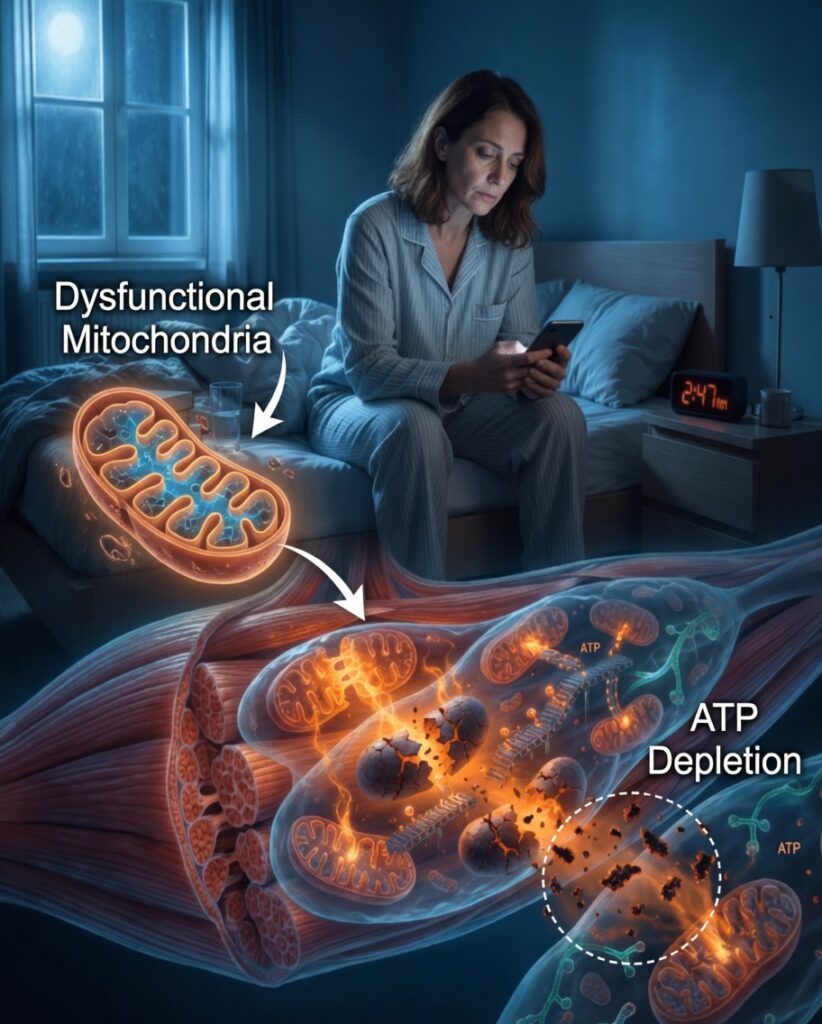
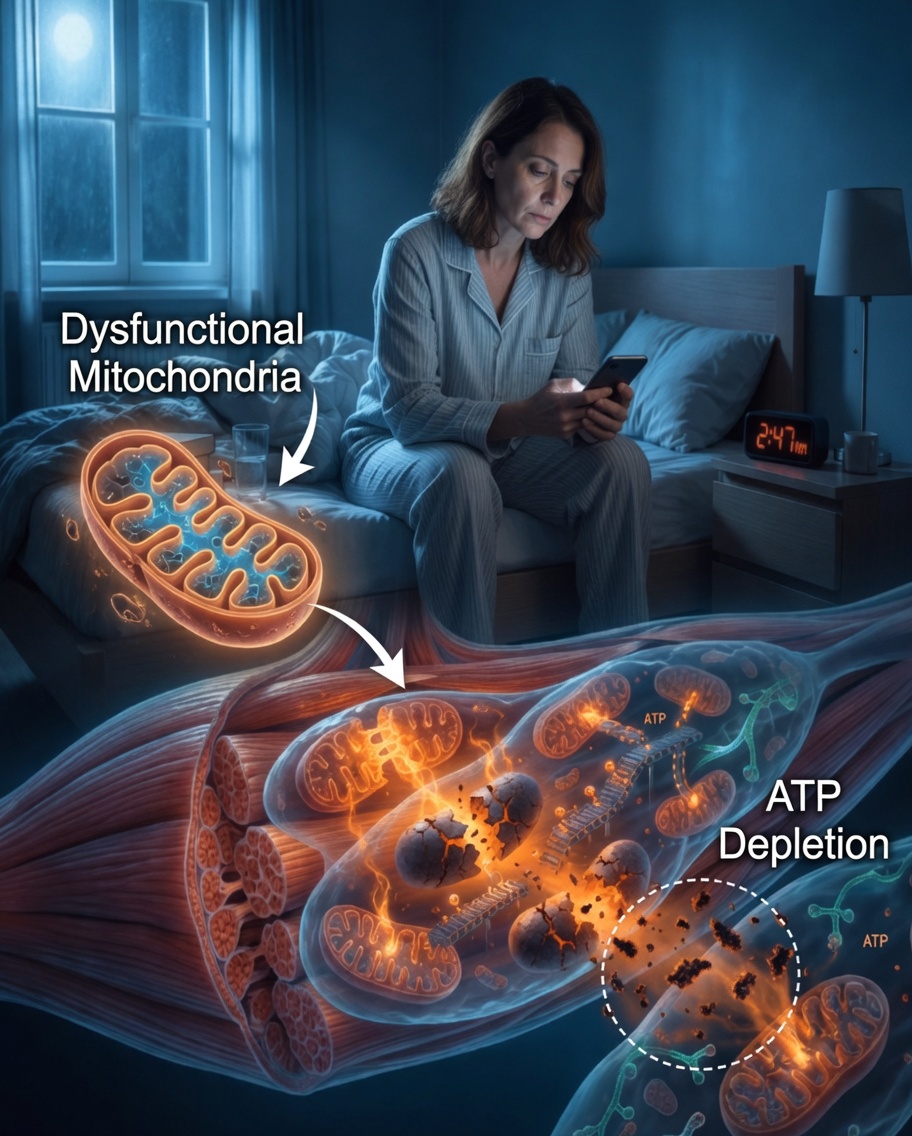
If you feel constantly tired, foggy, inflamed, or like your body just doesn’t bounce back the way it used to, the root cause may be hidden inside your cells — in your mitochondria. These tiny “power plants” create nearly all of your body’s usable energy. When they’re healthy, you feel sharp, strong, and resilient. When they’re not, everything feels harder.
Unfortunately, many common lifestyle habits and environmental exposures slowly damage these cellular engines, often without you realizing it.
In this guide, based on insights from Dr. Ashley Froese, we’ll walk through 13 factors that can weaken your mitochondria and sap your energy — plus why most of them are changeable.
Key Takeaways
- Mitochondria are central to your energy, focus, metabolism, and overall health.
- Daily choices around sleep, stress, movement, food, medications, and toxins can quietly undermine mitochondrial function.
- Many causes of mitochondrial damage are modifiable — improving them can help restore energy and vitality.
1. Poor-Quality Sleep
Skipping deep, restorative sleep interferes with your mitochondria’s nightly repair cycle. During deep sleep, your body:
- Clears out cellular waste
- Repairs oxidative damage
- Allows damaged mitochondria to fuse with healthier ones and regain function
When sleep is short, fragmented, or low quality, this repair work is cut short. Over time, that sleep debt shows up as fatigue, slower recovery, and lower resilience.
2. Chronic Stress
Long-term stress keeps your body in “go mode,” flooding it with cortisol and stress signals. These signals tell mitochondria to:
- Ramp up energy output
- Burn more fuel, faster
While this helps in the short term, constantly flooring the gas pedal eventually wears mitochondria down. The results include:
- More reactive oxygen species (oxidative stress)
- Less time for repair and recovery
- Gradual decline in mitochondrial efficiency
The longer the stress continues, the more your energy systems struggle to keep up.
3. Sitting Too Much (Sedentary Lifestyle)
Your body is designed to move. When you don’t, your cells get the message that extra energy isn’t needed — and they respond by making fewer mitochondria.
Key effects of a sedentary lifestyle:
- Reduced mitochondrial number and capacity
- Lower overall energy production
- “Deconditioning” at the cellular level, not just in your muscles
Regular movement and exercise signal your body to build and upgrade mitochondria. Long stretches of sitting do the opposite.
4. Overtraining and Insufficient Rest
On the other extreme, pushing yourself through intense workouts every day without rest can backfire. Excessive high-intensity training:
- Generates large amounts of reactive oxygen species (ROS)
- Increases inflammation and cellular stress
- Limits recovery time for mitochondrial repair
Adaptation and growth happen during rest. Without recovery days, your mitochondria remain in a damaged, overworked state, often leading to burnout, plateaus, or persistent fatigue.
5. Frequent Sugar Spikes
Dietary patterns that cause blood sugar to spike — such as eating lots of sweets, refined carbs, and sugary drinks — overwhelm your mitochondria with fuel.
When this happens:
- Mitochondria struggle to process the excess energy
- Inflammation and oxidative stress increase
- Insulin resistance can develop over time
Think of it as overloading a furnace with fuel until it smokes and clogs. Repeated blood sugar surges can damage mitochondria, contribute to weight gain, and reduce metabolic health.
6. High Intake of Unstable Seed Oils
Many processed foods contain large amounts of industrial seed oils (like soybean, corn, or sunflower oil), which are rich in omega-6 polyunsaturated fats. These fats are easily oxidized, especially in the presence of high blood sugar.
This combination can lead to:
- Lipid peroxidation — essentially “rusting” of fats in your cell membranes
- Damage to mitochondrial membranes, where energy production takes place
- Increased inflammation and cellular dysfunction
Since mitochondrial membranes are crucial for generating ATP (your body’s usable energy), damage here can significantly reduce energy output.
7. Not Enough Protein
Mitochondria rely on certain amino acids — including glycine, cysteine, and carnitine — for repair, antioxidant defense, and energy production. When your protein intake is too low:
- Your body may break down muscle tissue to access these amino acids
- Mitochondrial repair and maintenance are compromised
- Muscle mass and strength can decline
Adequate, high-quality protein supports both your muscles and your cellular powerhouses.
8. Micronutrient Deficiencies
Mitochondria are like sophisticated machines that require multiple “co-factors” to run smoothly. Key nutrients include:
- B vitamins (especially B1, B2, B3, B6, B12)
- Magnesium
- Coenzyme Q10 (CoQ10)
- Other minerals and antioxidants
When you’re low in these micronutrients:
- Energy production slows down
- More energy is lost as heat instead of being converted into ATP
- Fatigue, brain fog, and exercise intolerance can appear
These nutrients function like spark plugs and wiring in an engine — without them, performance drops.
9. Statin Medications
Statins, used to lower cholesterol, also block part of the pathway your body uses to make CoQ10, a vital molecule in mitochondrial energy production.
Reduced CoQ10 can:
- Impair ATP generation
- Contribute to muscle pain, weakness, or fatigue
- Leave cells running below optimal capacity
If you’re on statins and experiencing low energy or muscle symptoms, this mitochondrial link may be part of the picture. Always discuss concerns and options with your healthcare provider.
10. Metformin
Metformin, a common medication for managing blood sugar in type 2 diabetes, mildly inhibits the first step in the mitochondrial ATP production chain (complex I of the electron transport chain).
This can:
- Decrease cellular energy output
- Increase reliance on alternative pathways for energy
- In some cases, signal the body to make new mitochondria (a topic still under debate in research)
For many individuals, the net effect is a modest reduction in available energy at the cellular level, which may present as fatigue.
11. Certain Antibiotics
Some antibiotics, particularly a group called fluoroquinolones (such as ciprofloxacin or levofloxacin), can harm mitochondrial DNA in susceptible individuals.
Because mitochondria evolved from bacteria, drugs that target bacterial DNA can sometimes:
- Interact with mitochondrial DNA
- Disrupt mitochondrial function
- Lead to prolonged fatigue, muscle pain, or nerve issues after treatment
Not all antibiotics have this effect, but if you notice lingering fatigue or strange symptoms after specific antibiotics, mitochondrial stress may be involved. Always consult your doctor before starting, stopping, or changing any medication.
12. SSRI Antidepressants
Certain selective serotonin reuptake inhibitors (SSRIs), a common class of antidepressants, may interfere with mitochondrial function in some people.
Potential effects include:
- Disrupted energy production pathways inside mitochondria
- Increased oxidative stress
- Brain fog, mental fatigue, or reduced clarity in sensitive individuals
This doesn’t happen to everyone, and SSRIs can be very helpful and necessary. If you suspect your medication is affecting your energy or cognition, talk with your prescribing clinician — never stop these medications abruptly on your own.
13. Environmental Toxins
Modern environments are filled with chemicals that can burden mitochondria, including:
- Pesticides (such as glyphosate)
- Plastics and plasticizers (like BPA)
- Heavy metals (such as mercury, lead, or cadmium)
These toxins can:
- Block key mitochondrial enzymes
- Deplete glutathione, one of your main cellular antioxidants
- Increase oxidative stress and inflammation
Over time, this toxic load can blunt mitochondrial performance and contribute to chronic fatigue and other health issues.
Protecting Your Mitochondria, Reclaiming Your Energy
While these 13 factors can slowly erode your mitochondrial health, the encouraging news is that many of them are within your control. By:
- Prioritizing deep, regular sleep
- Managing stress with tools like breathwork, therapy, or mindfulness
- Moving your body consistently (without overtraining)
- Choosing whole foods, quality proteins, and stable fats
- Being mindful of medications and discussing side effects with your doctor
- Reducing exposure to environmental toxins where possible
…you support the tiny powerhouses that keep every cell in your body running.
Take care of your mitochondria, and they’ll repay you with better energy, sharper thinking, and greater resilience.