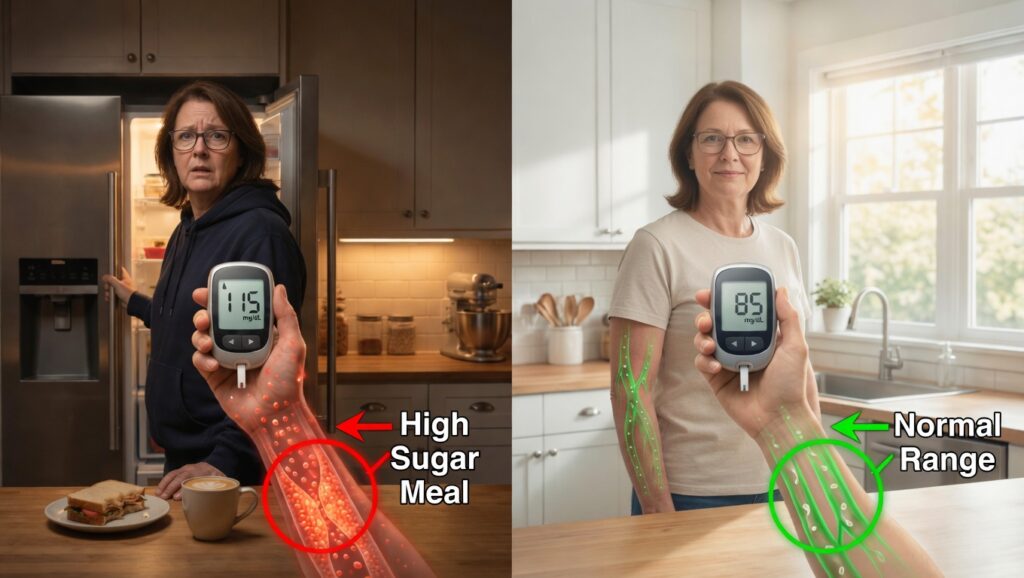
Understanding Fasting Blood Sugar: What Your Morning Readings Really Mean
You might wake up, test your blood sugar, and see a number that alarms you—then test again a bit later (without eating) and get a totally different result. Which reading should you believe? Are you actually waking up with high blood sugar, or is your glucose level normal?
This guide breaks down what a true fasting blood sugar measurement is, how to read your results correctly, and why numbers can change. Whether you live with diabetes, have prediabetes, or simply want to keep an eye on your metabolic health, you’ll find clear answers here.
(Based on the insights of Dr. Antonio Cota)
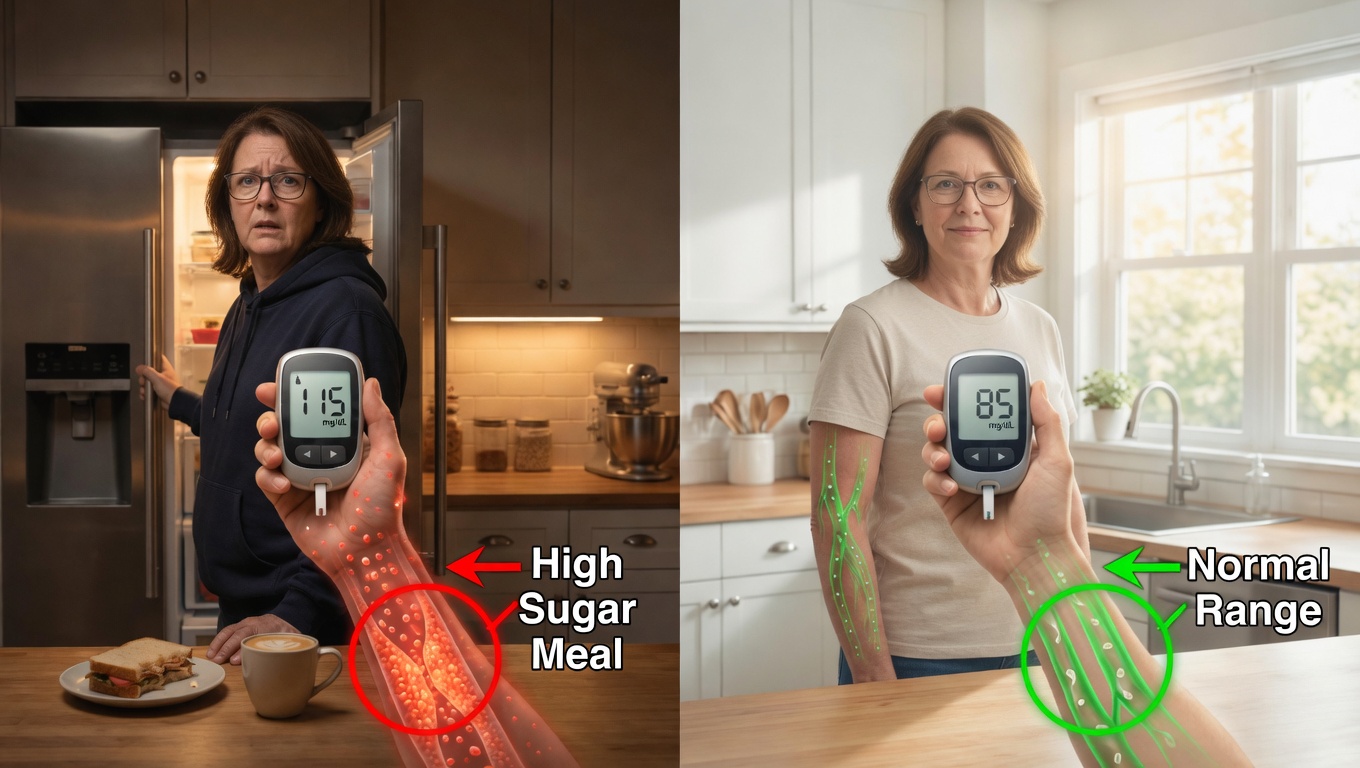
Key Takeaways
- A proper fasting blood sugar test requires 8–12 hours without any calorie intake.
- The time of day you test does not matter as long as you respect this fasting window.
- Normal fasting glucose (without using insulin or glucose-lowering medications) is typically 70–99 mg/dL.
- Home glucose meters and sensors are great for monitoring trends, but not for making a diagnosis on their own.
- Laboratory blood tests remain the gold standard for diagnosing diabetes and assessing fasting blood sugar.
1. What Is Fasting Blood Sugar, Exactly?
Fasting blood sugar (or fasting glucose) is the level of glucose in your blood after you have gone 8 to 12 hours without eating or consuming calories. This is the standard window used by doctors and laboratories to make results consistent and comparable.
By this point, your body has processed your last meal, and your blood sugar reflects your baseline glucose control rather than a short-term rise after eating. If you test after only 6 or 7 hours of fasting, the number may not match the reference ranges used for diagnosing or managing diabetes or prediabetes.
2. Does the Time of Morning Matter for Fasting Glucose?
No. The specific clock time is not important.
You can check your blood sugar at 5 a.m., 7 a.m., or 10 a.m. and still get a valid fasting result—as long as you have not consumed any calories for 8–12 hours.
- Water is always fine.
- Plain coffee or tea without sugar, cream, milk, or sweeteners with calories is usually acceptable, but follow your doctor’s specific advice.
What counts is the duration of fasting, not the exact time on the clock.
3. How Do You Know If Your Fasting Glucose Is in the Normal Range?
For most adults who are not using insulin or glucose-lowering medications:
- Normal fasting blood sugar: 70–99 mg/dL after 8–12 hours without food.
If your fasting number is consistently above this range, it can be a signal to contact your healthcare provider and check for:
- Prediabetes
- Diabetes
- Other issues with glucose regulation
However, one single high reading does not automatically mean you have diabetes. Diagnosis requires repeated testing and professional evaluation.
4. Is Fasting Blood Sugar Enough on Its Own?
Fasting glucose is helpful, but it’s only one part of the overall picture.
A single fasting reading can be influenced by:
- Stress or anxiety
- Acute illness or infection
- Poor sleep or jet lag
- Hormonal changes
- Device or strip errors
To better understand your long-term glucose control, doctors often order a hemoglobin A1c (HbA1c) test. This measures your average blood sugar over the previous 2–3 months, giving a more stable view than a single fasting number.
Used together, fasting glucose and HbA1c provide much stronger information about your metabolic health.
5. Why Do My Fasting Results Change From One Reading to Another?
Even when you think you’ve fasted the same way, your readings can vary—and this is very common.
Reasons include:
- Stress hormones (such as cortisol), especially in the early morning
- Late-night snacks or drinks that contain hidden calories
- Changes in sleep quality or bedtime
- Natural day-to-day variations in metabolism
- Technical issues, such as:
- Expired or damaged test strips
- Meter calibration problems
- Not washing or drying your hands properly before testing
Small differences between readings are normal. Large or frequent swings should be discussed with your healthcare professional.
6. Glucose Meters vs. Lab Tests: Which Should You Trust?
Home glucose meters and continuous glucose sensors are excellent tools for:
- Tracking daily trends
- Spotting spikes after meals or drops during the day
- Adjusting lifestyle habits and medication (under medical guidance)
However, they are not perfect and can have a margin of error.
For diagnosis of diabetes, prediabetes, or other conditions, a laboratory blood test is considered the gold standard, because:
- Blood is drawn directly from a vein
- Labs follow strict protocols for sample handling and analysis
- The risk of technical error is lower than with home devices
If your home readings worry you, the next step is to confirm them with a lab test rather than assuming the worst.
7. Can One Test Prove You Have Diabetes or Prediabetes?
No. A diagnosis should never be made based on a single abnormal number—especially from a home device.
Even laboratory tests can occasionally be off due to:
- Pre-analytical errors (e.g., mishandling samples)
- Temporary conditions (like acute stress or illness)
Healthcare providers generally:
- Repeat the test to confirm abnormal results.
- May use a different lab for comparison.
- Consider your symptoms and overall health, including:
- Blood pressure
- Cholesterol and triglycerides
- Body weight and waist circumference
- Family history and risk of insulin resistance
Only when all of this is evaluated together can a safe and reliable diagnosis be made.
8. What About Continuous Glucose Monitors (CGMs)?
Continuous glucose monitors (CGMs) measure glucose in the interstitial fluid (the fluid around your cells), not directly from the blood. They provide:
- 24-hour data instead of occasional spot checks
- Insight into patterns, such as nighttime highs or lows
- Clear visuals of trends, spikes after meals, and effects of exercise
CGMs can occasionally be slightly behind or differ from a fingerstick reading at a single moment, but they are extremely valuable for:
- People who need tight glucose control
- Adjusting insulin doses and other medications
- Understanding how food, activity, and stress affect blood sugar over time
They complement, rather than completely replace, traditional testing and lab work.
9. Do Not Change Your Routine Just Before a Blood Test
A common mistake is to “prepare” for a test by:
- Suddenly cutting out all carbohydrates
- Eating unusually “clean” or restricting calories
- Increasing medication doses on your own
- Exercising much more than usual right before the test
These changes may produce nicer-looking numbers, but they do not reflect your usual lifestyle or what your body is managing day to day. This can mislead both you and your doctor.
For the most useful and honest results, try to:
- Maintain your normal routine in the days and weeks leading up to testing
- Follow only the fasting instructions given by your healthcare provider
This way, any treatment plan will be based on your real life, not a temporary and artificial snapshot.
10. What If My Home Meter Always Shows High Readings?
If your meter regularly shows high fasting glucose levels:
- Stay calm. Do not jump to conclusions.
- Check the expiration date on your test strips.
- Make sure the meter is properly calibrated (if required by that model).
- Try testing with a different meter or brand if possible.
- Schedule a laboratory fasting glucose test to verify your results.
Do not start, stop, or change medications based solely on a home reading. Always:
- Confirm with lab tests, and
- Discuss results with your doctor or diabetes care team before making big decisions.
11. Should You Repeat Fasting Blood Sugar Tests?
Yes. When results are concerning or unexpected, repeating tests is wise.
- Get a second fasting test, ideally on a different day.
- Sometimes your doctor may recommend testing at another laboratory.
- Repeated results provide a clearer, more reliable picture than one isolated number.
Avoid making major health changes or accepting a serious diagnosis based on one single test. Confirm, repeat, and review with a professional.
Conclusion
Fasting blood sugar is a key tool for understanding your metabolic health, but it only reflects reality when:
- You have truly fasted for 8–12 hours, and
- The result is interpreted alongside other information such as HbA1c, lab tests, symptoms, and overall health.
Home meters and CGMs are excellent for day-to-day monitoring and trends, while laboratory tests are essential for accurate diagnosis and treatment decisions.
Most importantly, do not change your lifestyle just to “look better” on a test. Sustainable, consistent habits—combined with proper medical guidance—are what truly protect your health over the long term.
Source: Insights adapted from Dr. Antonio Cota