Rethinking High Blood Pressure: It’s Not Just About Salt
Are you concerned that your blood pressure is creeping up, or has your doctor told you to go easy on salt? Many people are told to blame the salt shaker, but that’s only part of the story. Completely cutting out salt isn’t the magic fix for high blood pressure. There is a more effective, science-based approach—and it doesn’t involve eating flavorless, salt-free food.
This guide explains what’s really driving high blood pressure inside your body. The surprising truth: your hormones are in charge, and one hormone in particular plays a central role. (Inspired by the work of Dr. Annette Bosworth.)
Key Takeaways
- Reducing salt (sodium) may offer short-term help, but it’s not a long-term solution for hypertension.
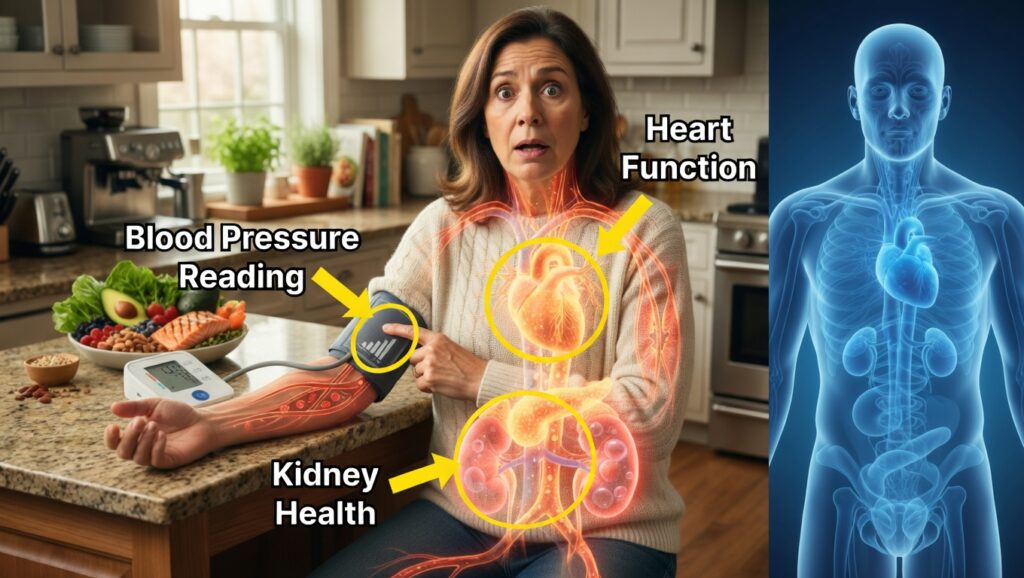
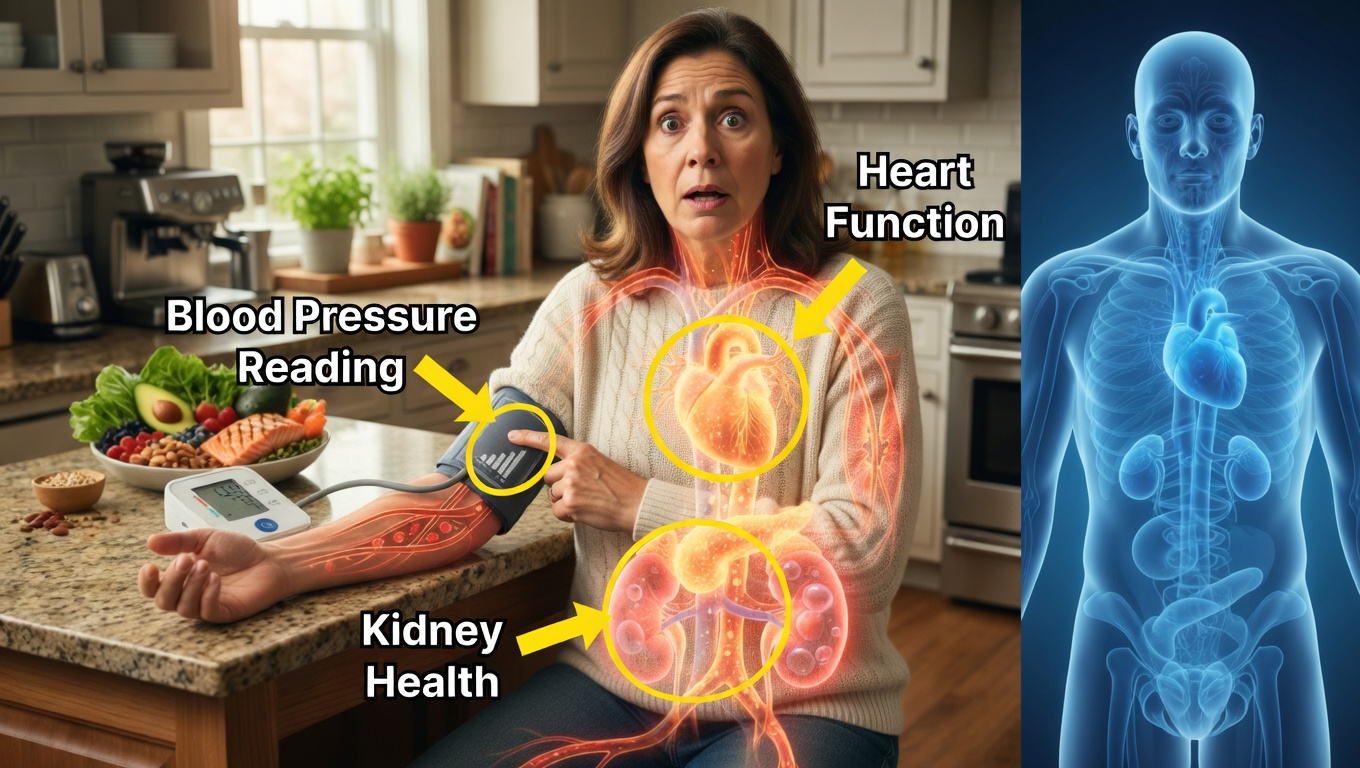
- Blood pressure is a critical health marker that affects your heart, brain, kidneys, and overall lifespan.
- Major clinical research has reshaped how doctors set safe blood pressure targets.
- Hormones, especially insulin (and aldosterone), govern how your body handles salt and fluid.
- Lowering high insulin levels—often driven by high blood sugar—is one of the most powerful ways to improve blood pressure and overall health.
1. High Blood Pressure Is More Than a Salt Problem
For years, conventional advice has said: “If your blood pressure is high, cut your salt.” While sodium can affect blood pressure in some people, it’s only a small piece of a much larger puzzle.
Salt restriction is often a short-term tactic. It might nudge your numbers downward for a while, but it doesn’t fix the underlying cause. To truly manage hypertension, you have to look deeper than what’s on your plate—you need to understand what’s happening with your hormones and metabolism.
2. Blood Pressure: A Vital Sign You Can’t Ignore
Blood pressure is not just another reading at your doctor’s visit. It’s one of the most important indicators of your long-term health.
Even if you feel perfectly fine, elevated blood pressure can silently damage:
- Your kidneys
- Your eyes
- Your heart and blood vessels
- Other vital organs
Uncontrolled hypertension accelerates wear and tear in your body and increases your risk of heart attack, stroke, kidney disease, and cognitive decline. Paying attention to your blood pressure today is an investment in a longer, healthier future.
3. How the SPRINT Trial Changed Blood Pressure Targets
In 2015, a major study called the SPRINT trial transformed medical thinking about how low blood pressure should go.
For many years, the typical goal was to keep blood pressure below 140/90 mmHg. Some healthcare providers were even comfortable with readings slightly above that, especially in older adults.
The SPRINT trial showed something different:
- More aggressive control—keeping the top number (systolic) closer to the 110s–120s
- And the bottom number (diastolic) in the 70s
led to fewer heart attacks, strokes, and deaths.
The takeaway: allowing blood pressure to “run a little high” is not benign. The higher it climbs, the more strain is placed on your organs. That is why tighter blood pressure control has become a top medical priority.
4. Your Circulation: A Closed Fluid System
Think of your cardiovascular system—your heart, arteries, and veins—as a network of hoses. There is no large external reservoir of fluid to drain from; the same volume circulates in a closed loop.
Blood pressure is largely determined by:
- How much fluid (blood volume) is in the system
- How forcefully and how fast the heart pumps that fluid
- How tight or relaxed your blood vessels are
When pressure remains high over time, it scuffs and damages the inner lining of your arteries. This promotes stiffening, inflammation, and plaque buildup. Controlling blood pressure is not just about avoiding symptoms like headaches—it’s about protecting your blood vessels from long-term injury.
5. Hormones Control Blood Pressure—Insulin Is a Major Player
Here’s what most people never hear: salt doesn’t run the show—your hormones do.
Two key hormones involved in blood pressure regulation are:
- Insulin
- Aldosterone
When insulin levels are elevated—often due to repeatedly high blood sugar—your body activates more aldosterone. Aldosterone tells your kidneys to retain sodium and water instead of excreting them.
The result:
- More sodium held in the body
- More water pulled into your bloodstream
- Increased blood volume and increased blood pressure
So, even if you’re watching your salt shaker, high insulin can keep pushing your blood pressure up from the inside.
6. High Insulin Often Means High Blood Pressure
You don’t have to be overweight or diagnosed with diabetes to have high insulin levels, also known as hyperinsulinemia. Many people with “normal” weight still have chronically elevated insulin.
When insulin is consistently high:
- Your kidneys hold on to more sodium
- Your body retains more fluid
- Blood pressure tends to rise and stay elevated
The driving force behind high insulin is usually diet-related:
- Frequent intake of refined carbohydrates
- Sugary foods and drinks
- Highly processed snacks and convenience foods
Over time, this pattern makes blood pressure gradually harder to control and can increase your dependence on medications just to keep your numbers in a safe range.
7. Focus on Blood Sugar First—Not Total Salt Elimination
If you’ve cut back on salt but your blood pressure still won’t budge, the missing link may be your blood sugar and insulin.
A more effective starting point is to:
- Lower blood sugar swings
- Reduce chronically high insulin levels
For most people, this means shifting to a nutrient-dense, whole-food way of eating that emphasizes:
- Non-starchy vegetables
- Lean or minimally processed protein sources
- Healthy fats (such as olive oil, nuts, seeds, avocado)
- Limited intake of refined sugars and white flour products
As insulin levels come down, blood pressure often follows. In many cases, this allows you—under medical guidance—to enjoy a reasonable amount of salt again without driving your numbers up.
8. Don’t Stop Blood Pressure Medication Without Medical Advice
You might be wondering: “If insulin and hormones are the main issue, can I just stop my blood pressure pills?”
The answer is no—not on your own.
Longstanding high blood pressure leads to structural changes in your arteries and heart. Even when you improve your diet, exercise, and metabolic health, it takes time for these changes to reverse.
That’s why you should:
- Never adjust or discontinue blood pressure medication without talking to your healthcare provider
- Work with your doctor to monitor your blood pressure as you improve your lifestyle
- Make gradual, supervised changes to your treatment plan
Medications can be life-saving while your body works its way toward better health.
9. You Can “Outsmart” Your Hormones—But It Takes Time
It is possible, for some people, to significantly reduce or even eliminate the need for blood pressure medication, but it doesn’t happen overnight—especially if insulin has been high for years.
Long-term success usually involves:
- Consistent, healthy eating patterns
- Regular physical activity
- Stress management (sleep, relaxation, mental health)
- Ongoing medical follow-up and, when needed, medication
Every positive step you take—however small—lowers your risk of heart disease, stroke, kidney failure, and cognitive decline.
10. Prevention Is More Powerful Than Treatment
Whether your blood pressure is already elevated or still in the normal range, prevention is always easier than repair.
By keeping blood sugar and insulin in a healthy range, you:
- Protect your arteries and organs from damage
- Lower your risk of hypertension, heart disease, and stroke
- Improve energy, weight control, and overall wellness
Building these habits now can spare you years of complications later.
Conclusion: Hormones, Not Salt, Are the Real Blood Pressure Boss
Salt is not the main villain in the story of high blood pressure—your hormones, especially insulin, play a much bigger role.
The real key to healthy blood pressure is:
- Managing blood sugar
- Lowering chronically high insulin
- Supporting hormone balance with smart lifestyle choices
Instead of obsessing over every grain of salt, focus on your metabolic health. Work closely with your healthcare team, make sustainable changes, and give your body time to heal. Protecting your blood pressure is one of the most powerful ways to safeguard your heart, kidneys, brain, and future quality of life.
Source: Insights adapted from Dr. Annette Bosworth