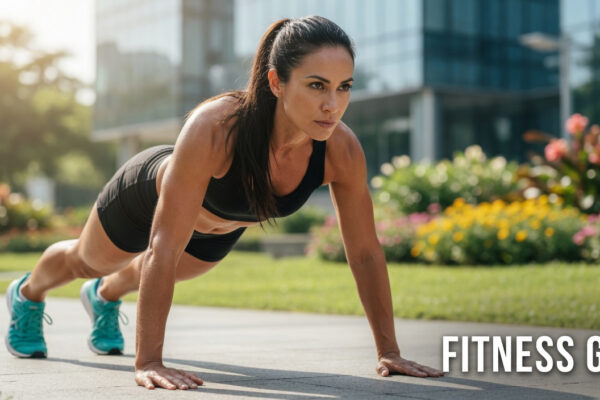
Slouching, Tight Shoulders, and Back Pain After Sitting All Day?
You can almost feel it happening: your shoulders inch upward, and your back starts aching after another long day at the computer. For many people, poor posture is the reason. Hours spent hunched over at work or looking down at a phone can leave the body feeling stiff, tired, and out of alignment.
The good news is that posture can improve. You do not need a gym membership or special equipment to get started. A wall and 10 minutes a day can be enough to begin building better habits.
This article contains affiliate links. If you purchase through them, we may earn a small commission at no extra cost to you.
These six wall exercises can help improve posture, help you stand taller, and may even ease back pain. If that sounds surprising, keep reading. These simple moves can help reset your alignment and make standing tall feel more natural.

Why Posture Problems Happen
Poor posture often develops from everyday routines. Sitting for long periods, working at a computer, and constantly looking at a phone can all encourage the body to round forward.
Over time, tight chest muscles can pull the shoulders forward, while the muscles of the upper back, core, glutes, and shoulders may need more support. That is why posture work is not just about “standing up straight.” It is about helping the body relearn better alignment.
The Solution: 6 Best Wall Exercises for Posture
Walls are perfect for posture training because they are stable and give you instant feedback. If your body starts leaning too far forward or your back begins to arch, the wall helps you notice it right away so you can correct your position.
1. Wall Angels
Think of snow angels, but done against a wall.
How to do it:
- Stand with your back against a wall.
- Step your feet forward and lower your body until your knees form 90-degree angles.
- Press your back into the wall.
- Bring the backs of your arms to the wall with your elbows at 90 degrees.
- Slowly slide your arms upward toward overhead.
- Lower them back down to the starting position.
- Begin with 30 seconds and add more time as you improve.
This move helps by stretching the chest while strengthening the upper back. It gently encourages the shoulders to move back into better alignment.
If your arms cannot stay on the wall the whole time, that is okay. Work within a range of motion that feels right for your body and build mobility gradually.
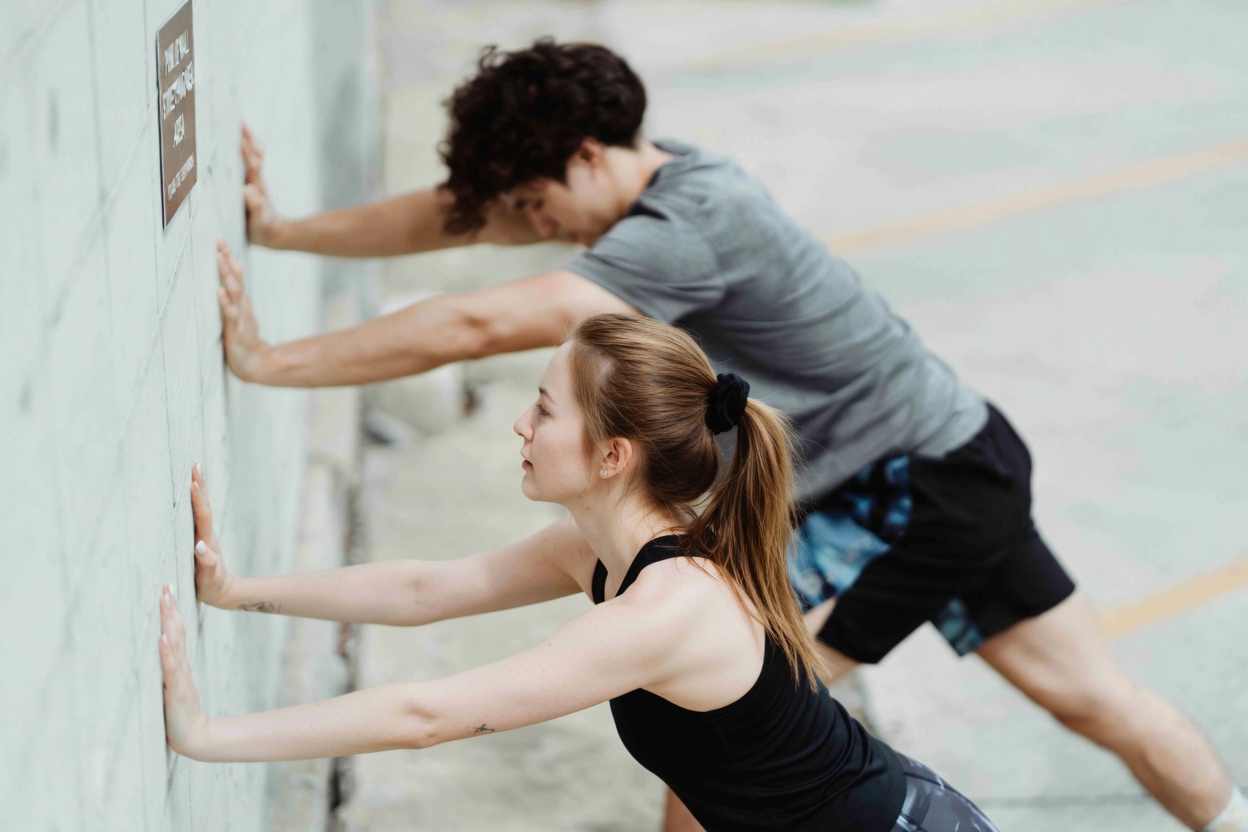
2. Wall Push-Ups
A classic push-up is always useful, and this wall version makes it more approachable so you can focus on technique.
How to do it:
- Stand about an arm’s length from the wall.
- Place your palms flat on the wall at shoulder height.
- Bring your chest toward the wall while keeping your body straight.
- Push back to the starting position.
Wall push-ups strengthen the chest, shoulders, and core. Because the movement is done against a wall instead of on the floor, it is also easier on the joints.
Start with 5–10 repetitions and add more as you get stronger.
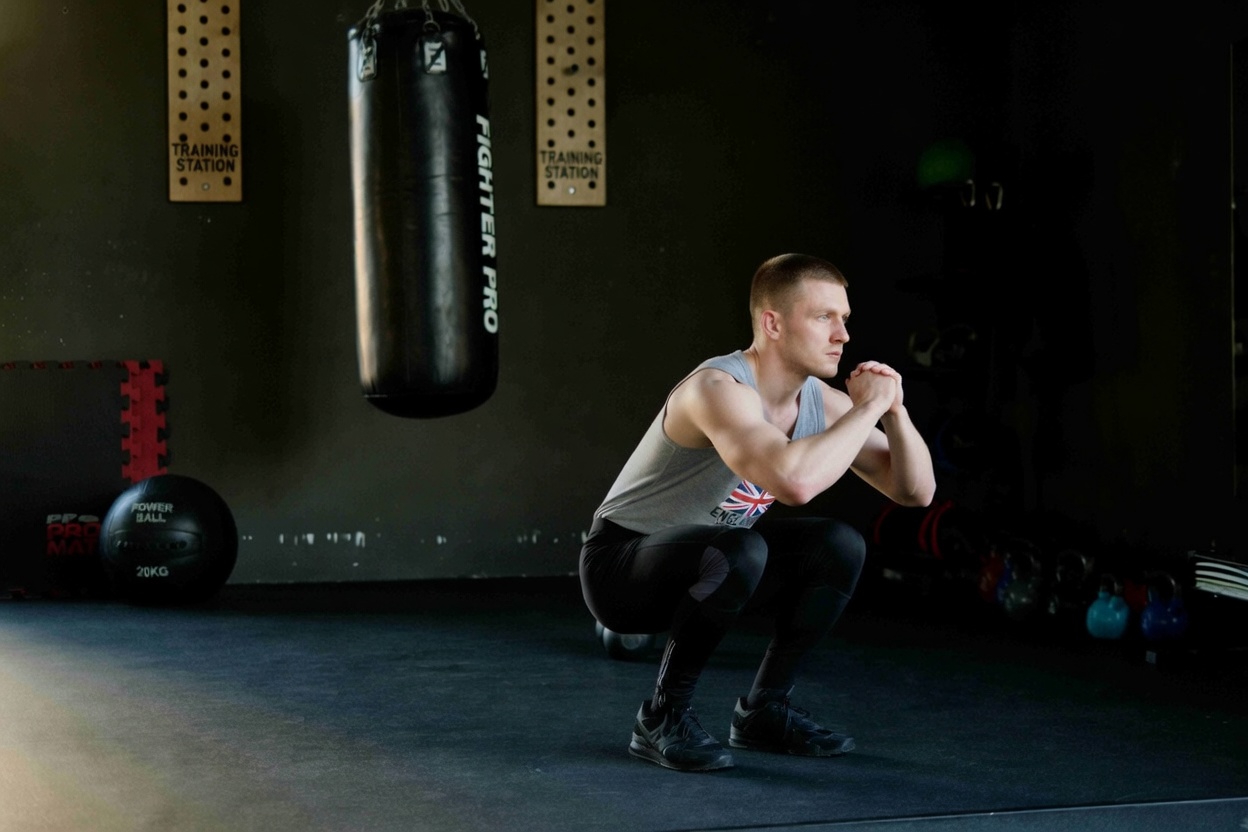
3. Wall Slides
This exercise is often called a posture reset because it helps your body recognize proper alignment.
How to do it:
- Stand with your back flat against the wall and your feet slightly forward.
- Slowly lower into a squat while staying in contact with the wall.
- Hold for 10–15 seconds.
- Return to standing.
Even though it looks simple, this move works the core, glutes, and upper back muscles, which all play an important role in posture.
Pay attention to how your body feels. If your knees are uncomfortable, reduce the depth of the squat. The movement should not be painful.
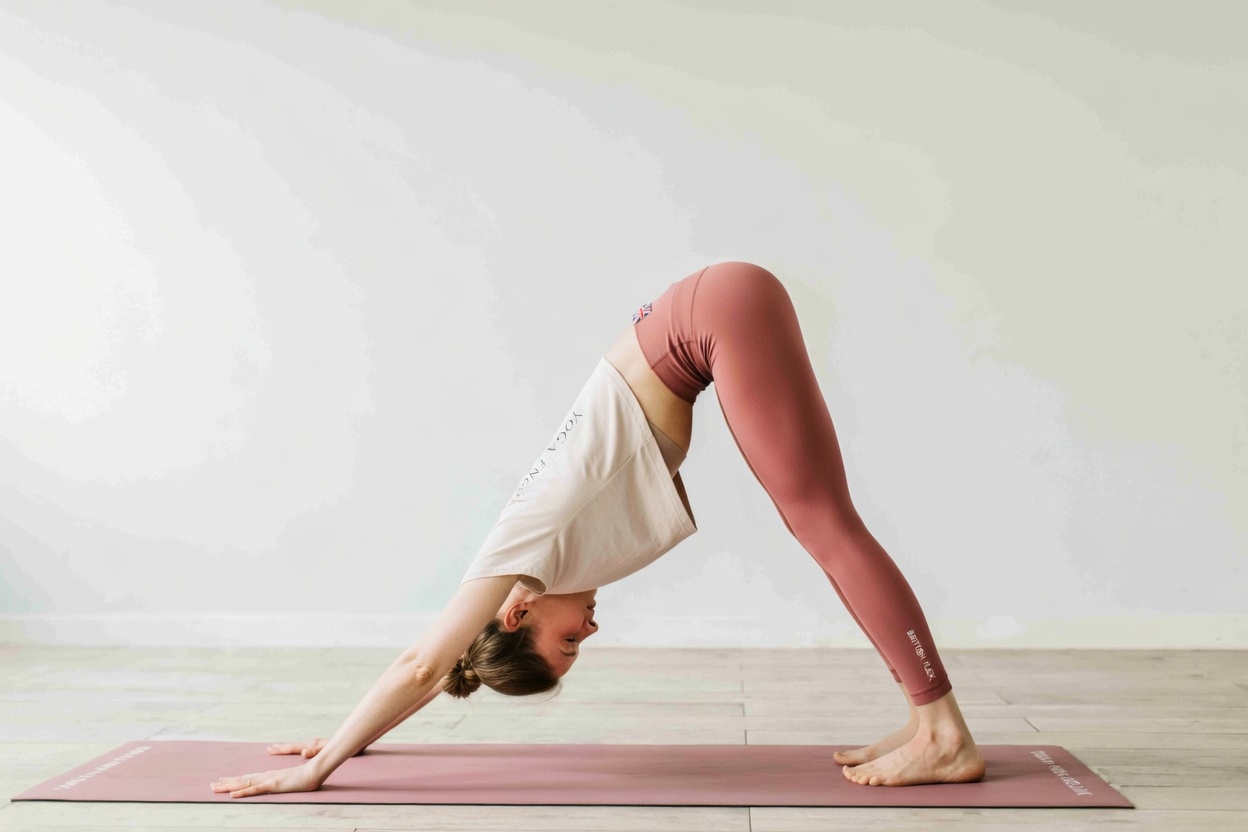
4. Wall Handstand Prep
This is not a full handstand, so there is no need to worry. The setup alone can be very helpful for posture.
How to do it:
- Begin in a downward-facing dog with your heels touching the wall.
- Slowly walk your feet up the wall.
- If you want more challenge, you can move your hands closer to the wall, alternating the movements.
- Only go as high as feels comfortable.
- With control, walk back down.
This exercise strengthens the shoulders and core while helping decompress the spine, making it a strong choice for posture work.
Move slowly and stay in control. If it feels too intense, remain in downward-facing dog until you feel ready to progress.
5. Wall Sit with Arm Circles
This combines a wall sit for the lower body with arm work that supports posture.
How to do it:
- Sit against the wall with your knees at 90-degree angles.
- Press your back into the wall.
- Extend your arms out to the sides at shoulder height.
- Make small circles with your arms.
- After 10 circles, reverse the direction.
Your legs and core work hard to hold the wall sit, while your arms and shoulders support the postural challenge.
Start with five circles in each direction and increase gradually as you gain confidence.
6. Wall Chest Stretch
This final move may look gentle, but it can feel intense because it directly targets the chest.
How to do it:
- Stand beside a wall with one arm extended behind you.
- Place your palm and forearm against the wall.
- Slowly rotate your body away from the wall to stretch the pectoral muscles.
- Hold for 30–45 seconds.
- Repeat on the other side.
This stretch helps lengthen the muscles that pull the shoulders forward. As those muscles loosen, the shoulders can settle into a better position.
Be gentle. Stretching should not hurt. If you feel pain, ease back to a more comfortable position.
Why Wall Exercises Work So Well
Wall-based posture exercises are effective for two main reasons.
First, they provide immediate feedback. If you arch your back or lean too far forward, you notice it right away and can adjust.
Second, they often work several muscle groups at once. While you stretch tight chest muscles that pull the body forward, you also strengthen muscles like the upper back that help keep you upright.
These exercises are also easy to modify, which makes them more accessible for different bodies and ability levels. With consistent practice, they can help reset your alignment over time.
If making time for these exercises feels difficult, a posture-correcting brace may be helpful during long periods of sedentary activity.
Tips for Better Results
To get the most from these movements, stay consistent and pay attention to your body.
- Start where you are. Even five minutes a day counts.
- Choose good form over more reps. Quality matters more than quantity.
- Be patient. Posture does not improve overnight, but steady effort can make a difference.
- Use reminders. A daily phone alert or pairing the exercises with a regular habit can help.
- Listen to your body. Adjust the intensity based on how you feel that day.
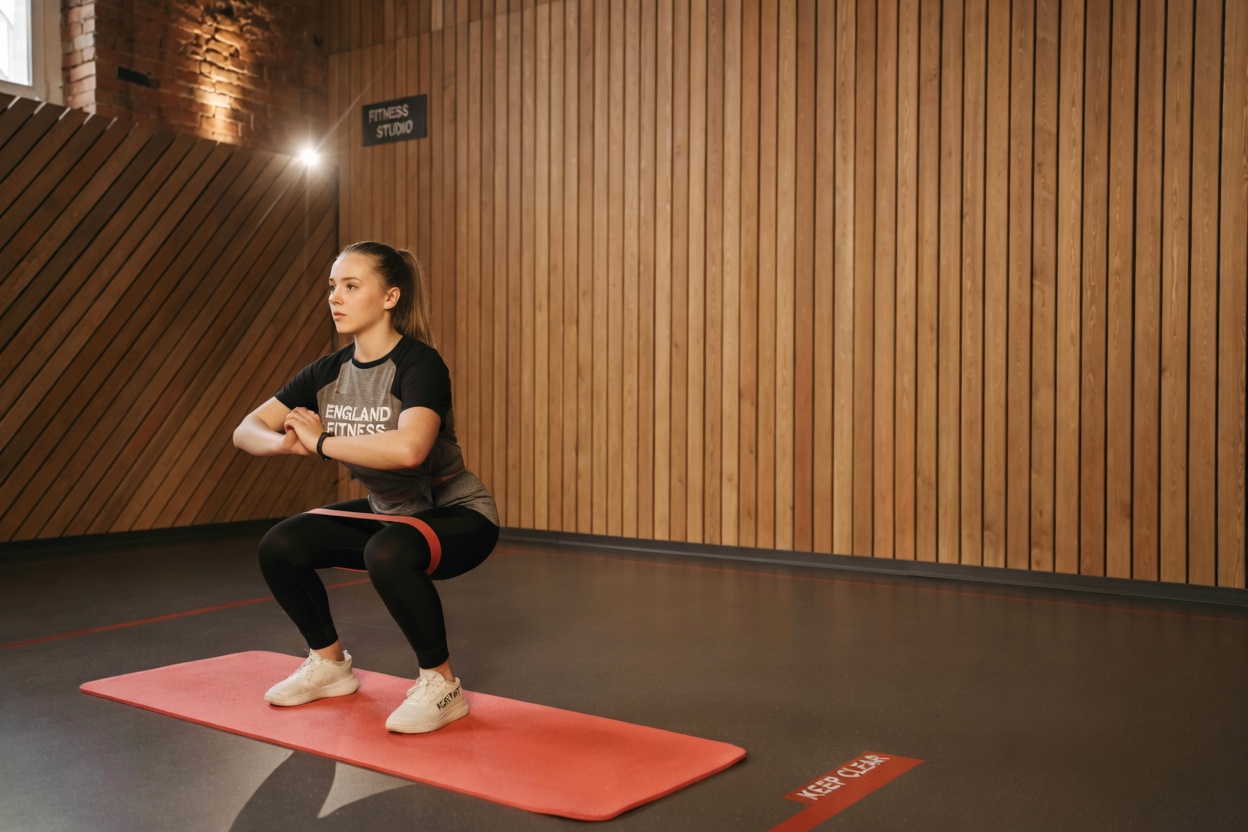
- Add support if needed. An affordable resistance band set can provide gentle assistance or extra challenge during these wall moves.
Common Mistakes to Avoid
A few simple mistakes can make posture work less effective. Here are the main ones to watch for:
- Do not rush. Move slowly and with control.
- Do not follow a “no pain, no gain” mindset. Muscle fatigue can be normal, but pain is not. Stop if something hurts.
- Do not expect instant change. Better posture is a gradual process.
- Do not skip warming up. A few arm circles and gentle stretches can help prepare your body.
- Do not compare your progress to someone else’s. Focus on how far you have come.
Final Thoughts
If you want to stand taller and feel stronger, these wall exercises are a simple place to begin. They do not require much time, they do not require fancy equipment, and they can fit into a busy day more easily than many people expect.
With patience and consistency, these six moves can help improve posture, support better alignment, and may help relieve back pain.
Consult a healthcare professional before making changes.