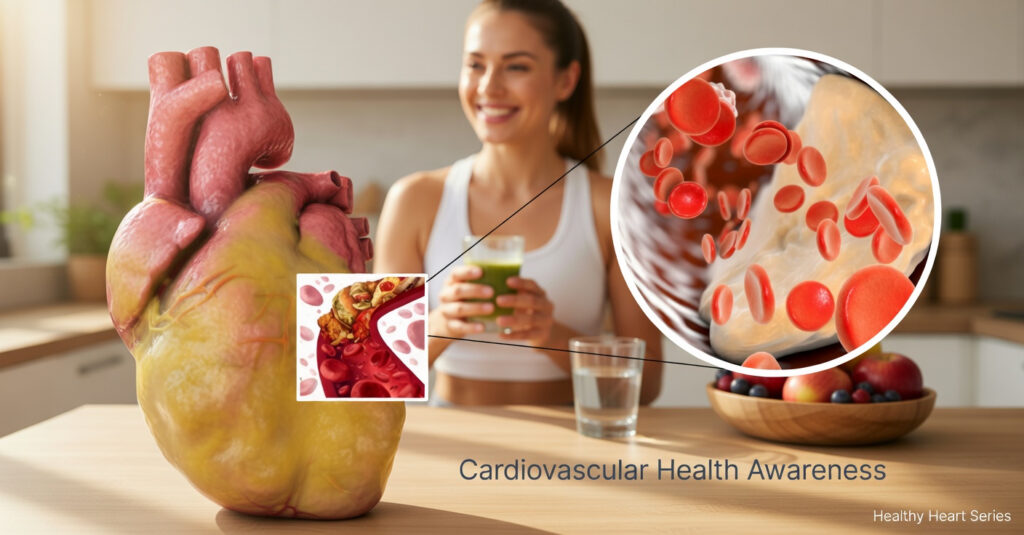
Hidden Foods That May Be Hurting Your Heart
Heart disease is often called a silent killer, taking millions of lives each year. Many people connect it only with high cholesterol and saturated fat, but that is not the full picture. Some everyday foods that seem harmless can also work against your heart health.
You may feel like you are making smart choices by trading fast food for salads and soda for sparkling water. Still, a few common items in your kitchen could be quietly making it harder to protect your heart.
Understanding these foods can help you make better choices for long-term cardiovascular health.
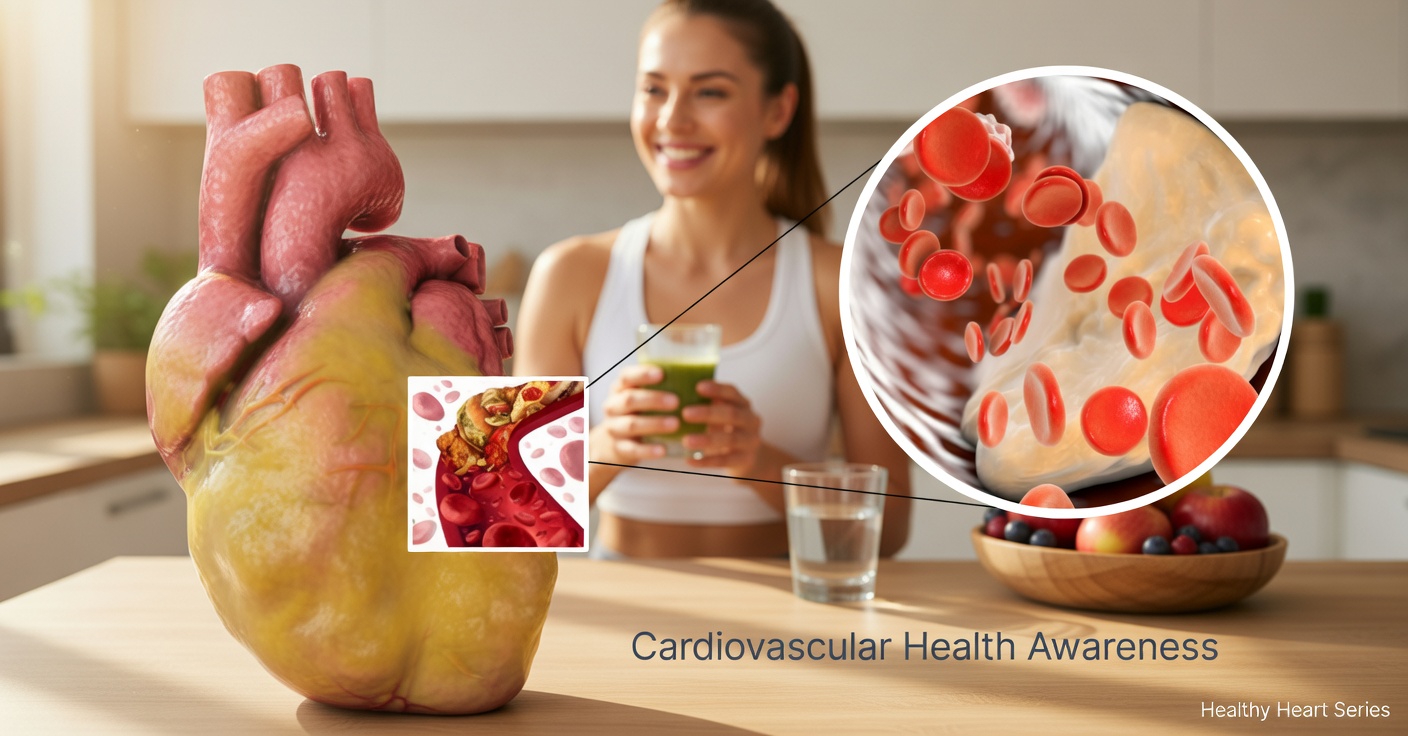
The Problem: Common Foods Can Raise Heart Disease Risk
Some foods are widely seen as healthy or harmless, yet eating too much of them may increase the risk of heart disease. In many cases, the issue is not just the food itself, but how it is processed, how much sodium or sugar it contains, or how it affects cholesterol and blood sugar.
Here are five foods that may be more harmful to your heart than they appear.
The Cause: Why These Foods Can Be a Concern
1. Refined Grains
White bread, white rice, and regular pasta are common examples of refined grains. During processing, the fiber is removed, and that makes a major difference.
Without fiber, these foods are digested quickly and can cause blood sugar to rise fast. Over time, chronically high blood sugar may damage blood vessels and raise the risk of heart disease. A diet high in refined grains has been associated with a greater risk of heart disease.
2. Canned Soups
Soup may sound like a nourishing choice, especially when it includes vegetables and protein. But many canned and pre-made soups are packed with sodium.
The 2020–2025 Dietary Guidelines for Americans recommend keeping sodium intake to 2,300 milligrams per day. Many canned soups provide more than half of that amount in just one serving.
Too much sodium can contribute to high blood pressure, which is a major risk factor for heart disease. High blood pressure can damage blood vessels, make the heart work harder, and may lead to heart failure and stroke.
3. Fruit Juice
Fruit juice is often viewed as an easy way to get fruit into your day. However, many types contain large amounts of added sugar.
Excess sugar intake can lead to weight gain, insulin resistance, and metabolic syndrome. It can also increase inflammation, which is linked to heart disease. On top of that, too much added sugar may raise the risk of type 2 diabetes, another major risk factor for heart disease.
4. Red Meat
Red meat does provide protein, but it is often high in saturated and unhealthy fats. These fats can raise cholesterol levels and contribute to plaque buildup in the arteries.
Cholesterol is a waxy substance that can collect in artery walls and form plaque. As plaque builds up, arteries narrow, blood flow becomes more difficult, and the risk of heart attack and stroke goes up. This process is known as atherosclerosis.
5. Low-Fat Dairy Products
Low-fat dairy has long been promoted as the healthier option, but that is not always true. Some low-fat dairy products contain added sugar or unhealthy fats.
Processing can also reduce some of the natural nutrients and probiotics found in full-fat dairy products, which may play a role in heart health. Some studies have shown that full-fat dairy products may be associated with a lower risk of heart disease. One possible reason is conjugated linoleic acid, or CLA, a fatty acid in full-fat dairy that has shown anti-inflammatory properties.
The Solution: Smarter Swaps for Better Heart Health
The good news is that small changes can make a meaningful difference. Instead of focusing only on what to avoid, it helps to choose better options more often.
Better Choices for Refined Grains
Choose whole grains such as:
- Brown rice
- Quinoa
- Whole-wheat bread
These foods contain fiber and nutrients that help support steady blood sugar levels. They are also rich in B vitamins, magnesium, and iron, which are important for heart health.
Ways to Cut Back on Sodium in Soup
Try these simple steps:
- Choose low-sodium canned soups
- Make homemade soups when possible
- Use herbs and spices instead of salt for flavor
- Rinse canned beans and vegetables to reduce extra sodium
Healthier Fruit Options
To lower added sugar intake:
- Eat whole fruit instead of drinking fruit juice
- If you drink juice, choose 100% pure fruit juice with no added sugars
- Keep fruit juice to no more than 1 cup per day
How to Reduce Red Meat Intake
If you eat red meat, aim for smarter choices:
- Pick lean cuts such as sirloin or round steak
- Limit red meat to no more than 12 ounces per week
- Replace some red meat with plant-based proteins like beans, lentils, and tofu
Better Dairy Choices
For dairy, consider these tips:
- Choose full-fat dairy products that are plain or unsweetened
- Limit processed dairy products, including yogurt with added sugars
- If you have high cholesterol, talk to your doctor about whether full-fat dairy products are right for you
A Simple Eating Pattern That Supports the Heart
A heart-healthy diet comes down to moderation and balance. Choosing more whole foods, eating fewer processed foods, and watching portion sizes can help protect your heart.
At the center of this approach is a Mediterranean diet. This style of eating focuses on:
- Whole grains
- Fruits
- Vegetables
- Legumes
- Nuts
- Seeds
- Olive oil
- Lean proteins such as fish and poultry
It also limits:
- Red meat
- Processed foods
- Added sugars
Final Thoughts
Some foods that seem healthy can still raise heart disease risk when eaten too often or in the wrong form. Paying attention to refined grains, canned soups, fruit juice, red meat, and low-fat dairy products can help you make choices that better support your heart.
By staying mindful of these surprising food concerns and following a balanced Mediterranean-style eating pattern, you can take important steps toward better cardiovascular health.
Consult a healthcare professional before making changes.