5 Best Core Exercises for Strength and Stability
Many people think core training begins and ends with crunches and sit-ups. While those moves do work the abdominal muscles, they do not train the full system that supports your body. If your routine only focuses on abs, you may be missing out on better stability, stronger posture, and improved overall performance.
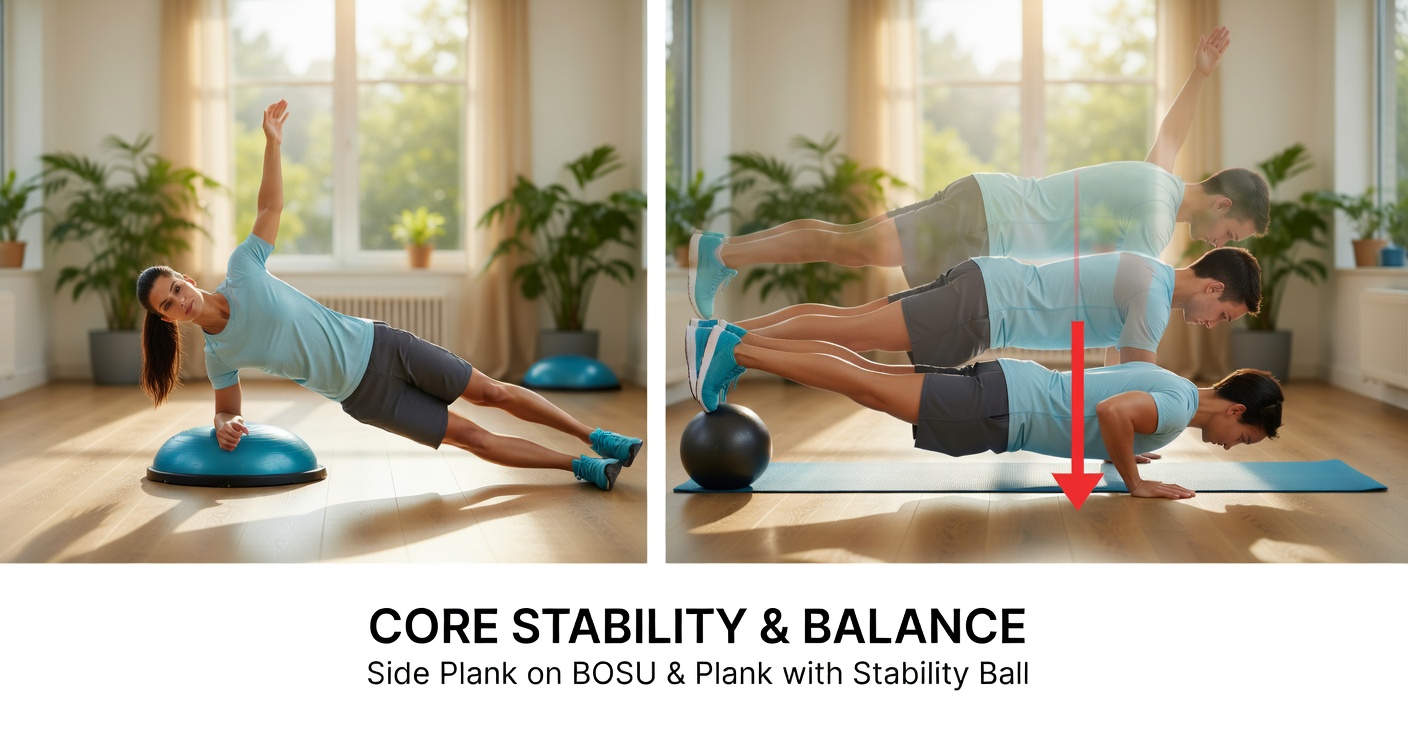
A stronger core can help you move with more control and make each workout more effective. The key is understanding that your core is much bigger than the “6-pack” area alone.
The Problem: Core Training Is Often Too Narrow
A lot of exercise routines center on the rectus abdominis, the muscle most people associate with visible abs. That approach is common, but it only addresses one part of the body’s support system.
When you treat the core as just the abs, you may overlook muscles that help with rotation, balance, posture, and stability through the trunk and spine.
The Cause: Your Core Includes More Than Your Abs
Depending on who you ask, the list of core muscles can be very short or very long. For this article, the core includes the following major muscle groups:
- Internal and external obliques: These run along the sides of the trunk. They help stabilize the torso and are very active during rotation.
- Rectus abdominis: This is the well-known “6-pack” muscle located in the center of the abdomen.
- Multifidi: These muscles sit on either side of the spine and support bending and rotational movements.
- Glutes: As one of the strongest muscles in the body, the glutes can influence posture and stability throughout the spine.
- Muscles of the pelvic floor: When this area is strong, many people notice improved posture, decreased back pain, and fewer instances of incontinence.
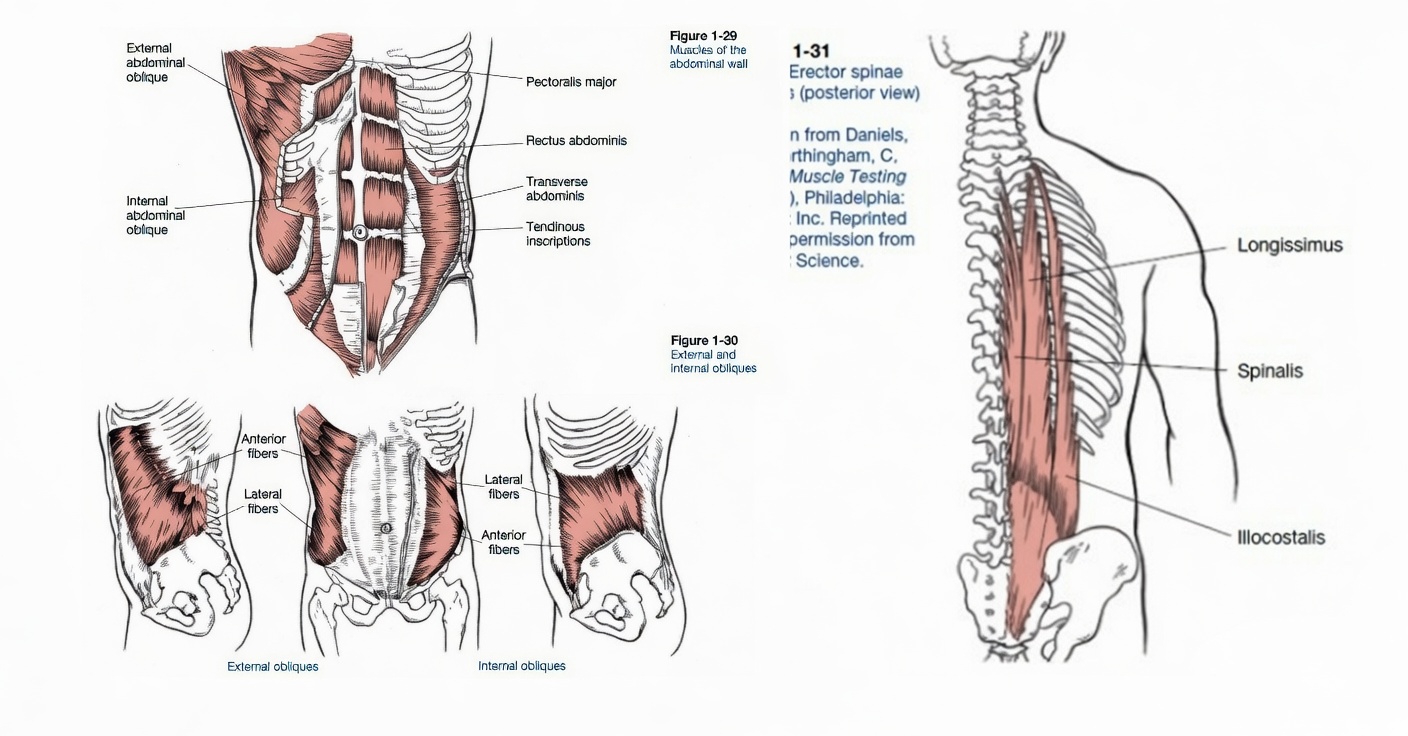
There are certainly other muscles that can be considered part of the core, but this group offers a clear starting point and shows how broad the term core muscles really is.
What Core Exercises Really Are
If core exercises are not just crunches, then what are they?
A simple way to think about them is this: core exercises ask your body to create its own stability instead of relying on a support surface like a bench.
For example, compare these two movements:
- Bench press on a machine
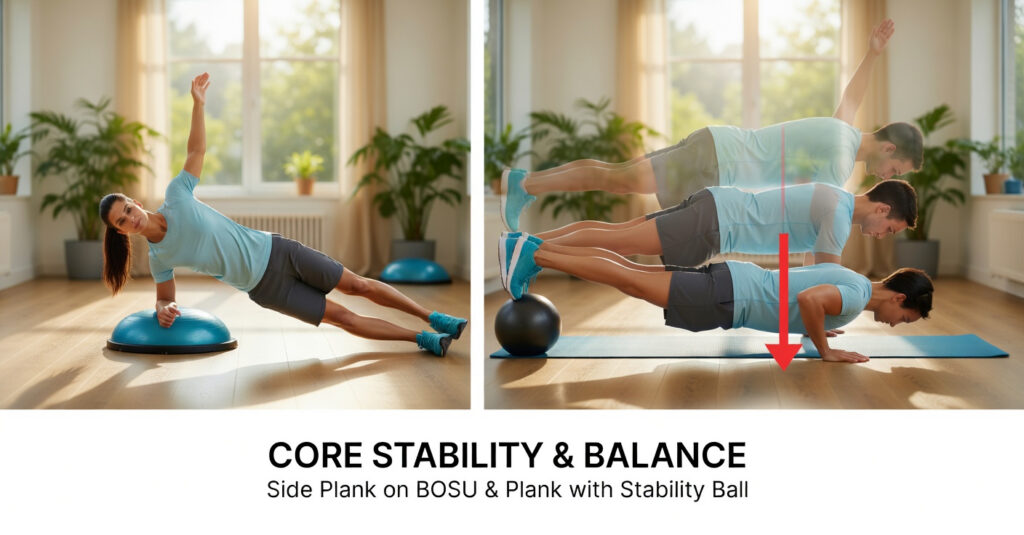
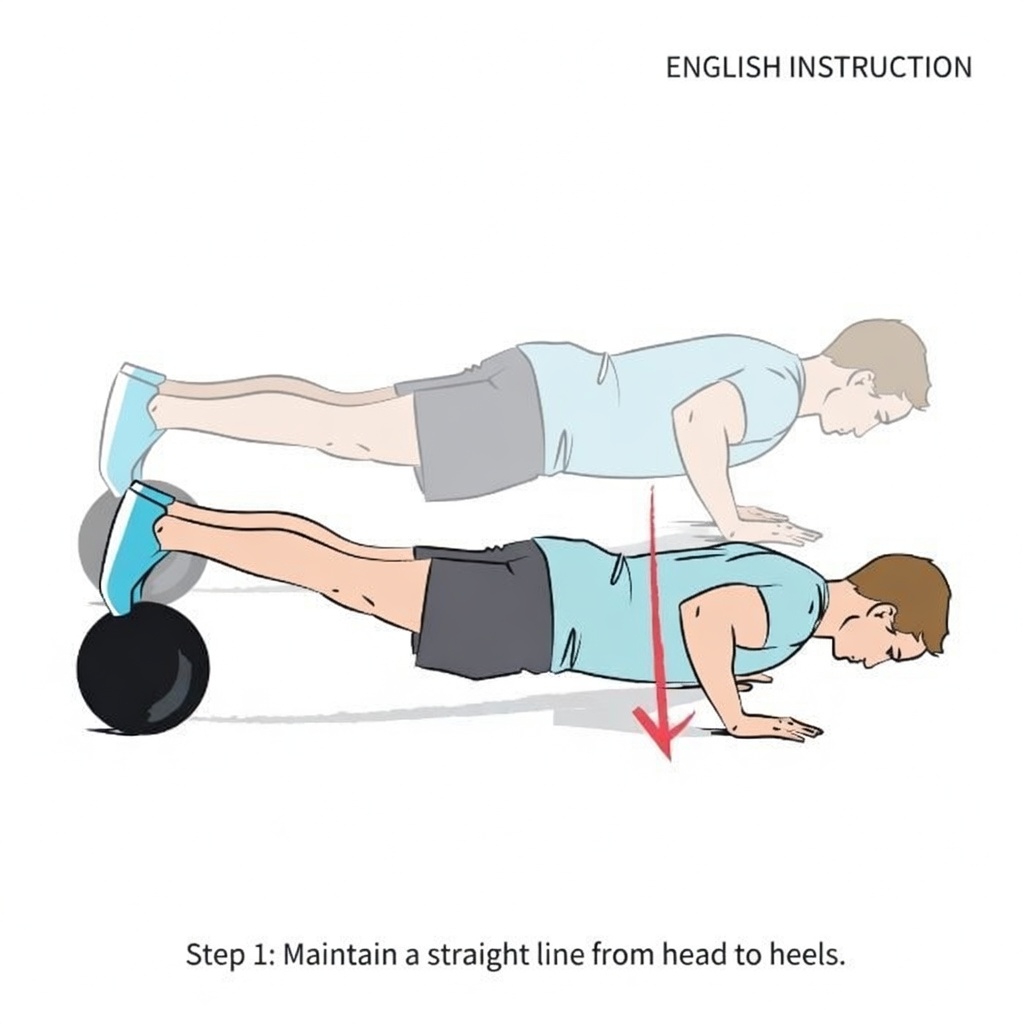
- Pushups with feet on a stability ball
Both exercises mainly work the pecs, shoulders, and triceps. But the push-up variation also asks your body to recruit the obliques, leg muscles, and many stabilizers throughout the body.
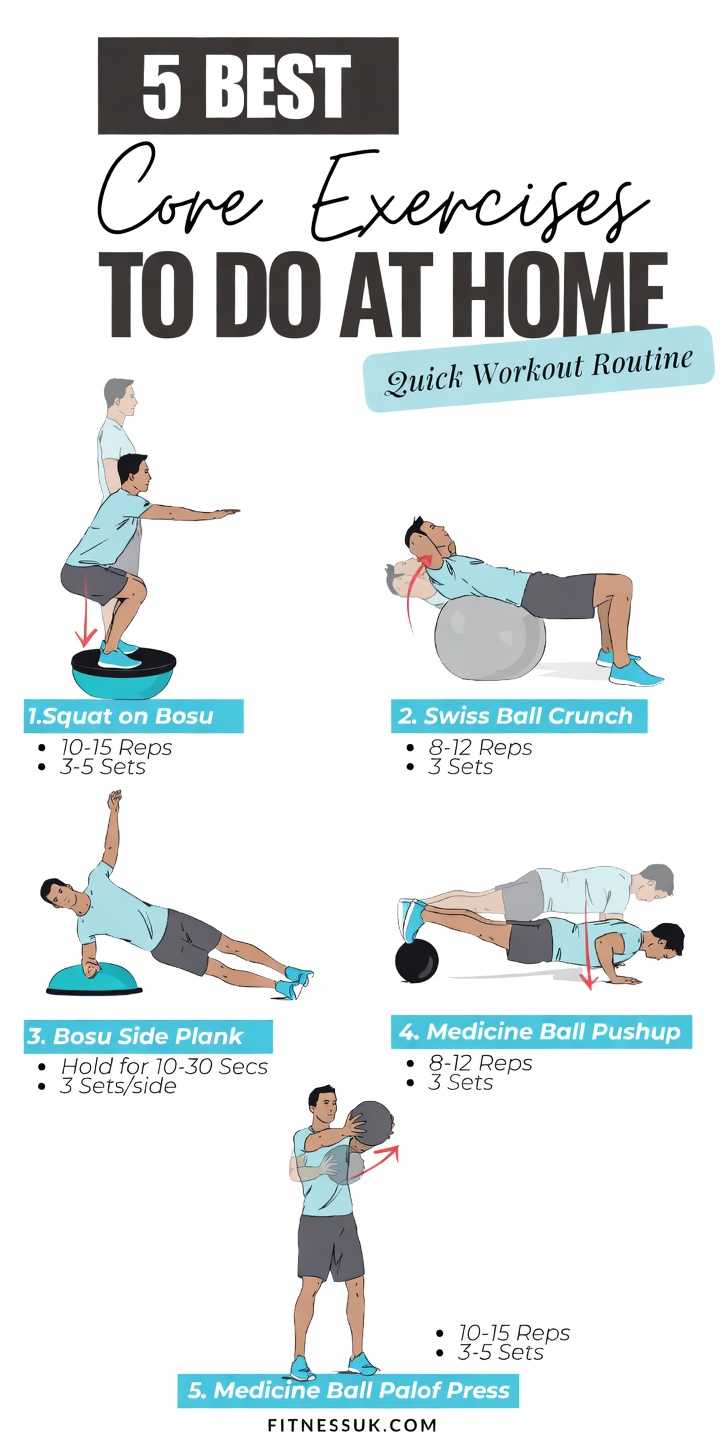
That does not mean traditional exercises are bad. There is nothing wrong with movements like a bench press machine. But core-focused exercises often give you more bang for the buck because more muscles are involved during each rep.
The Solution: 5 Best Core Exercises
Here are five effective core exercises that challenge strength and stability at the same time.
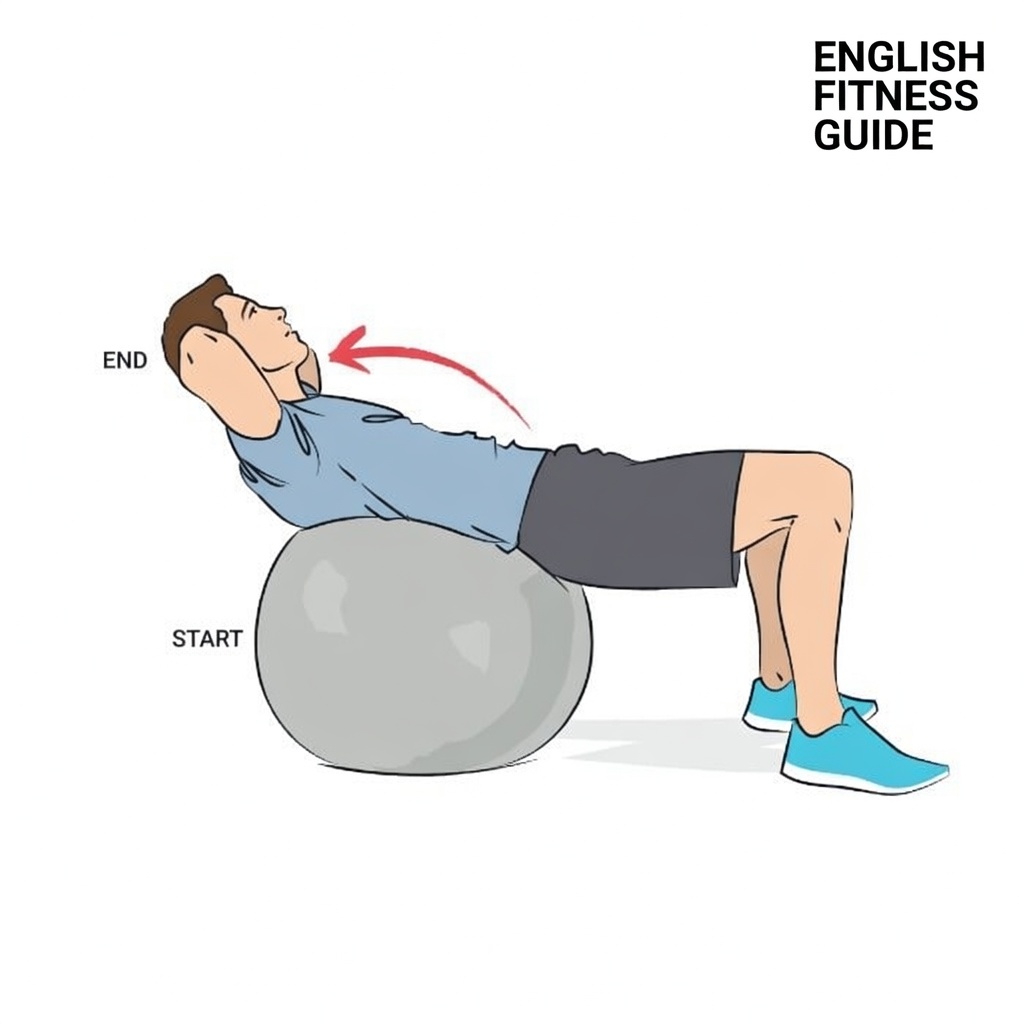
1. Crunches on a Swiss Ball
This exercise takes the basic crunch and adds instability with a Swiss ball. It may feel awkward at first, but with practice it becomes much more manageable.
Muscles used:
- Rectus abdominis
- Obliques
- Various leg and back muscles for balance and stability
How to do it:
- Sit on the ball.
- Slowly walk your feet forward so your body rolls down onto the ball.
- Place your hands across your chest or at your temples.
- Contract your abs and lift your shoulder blades off the ball.
- Lower back down slowly to finish the rep.
Reps and sets:
- 10-15 repetitions per set
- 3-5 sets per session
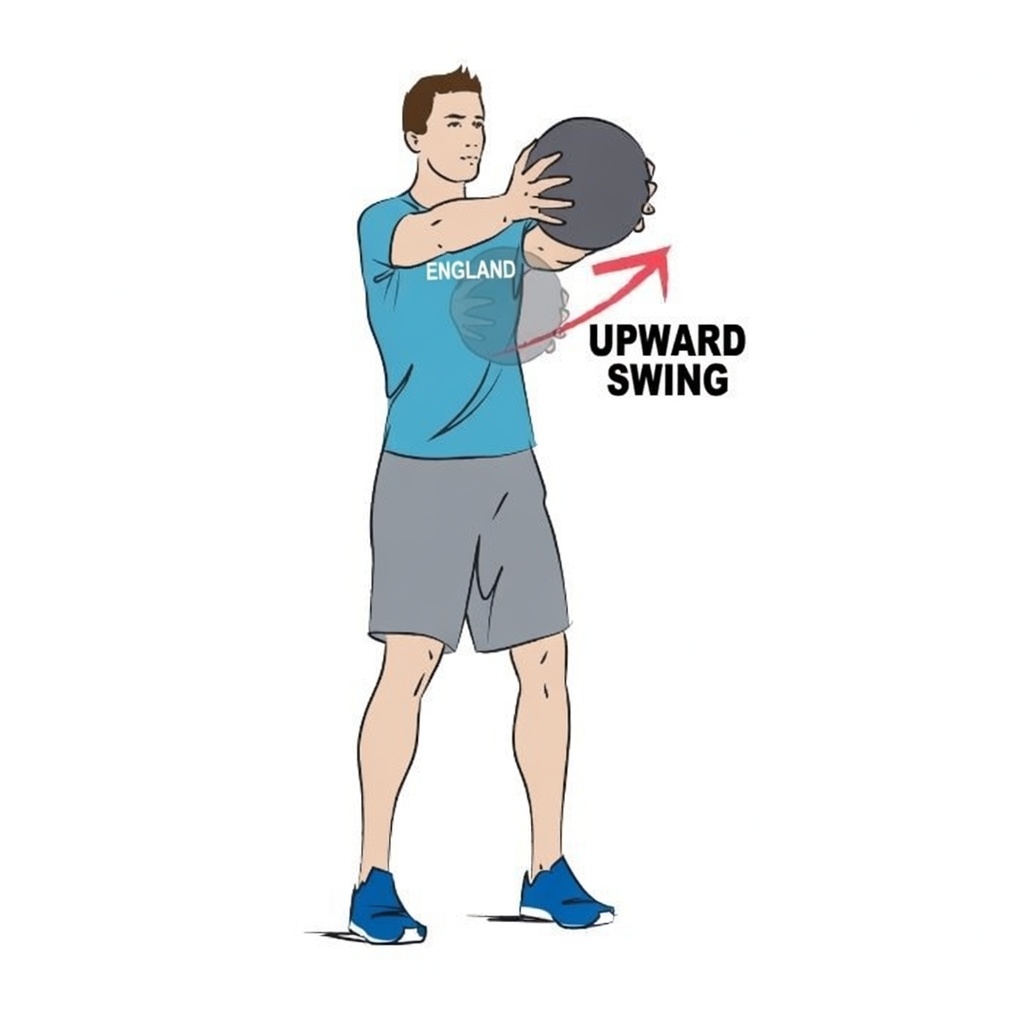
2. Medicine Ball Palof Press
The Palof press is excellent for building trunk and shoulder stability. It can also be done with band resistance, which adds another balance and strength challenge.
Muscles used:
- Obliques
- Deltoids
- Erector spinae
- Various shoulder and trunk muscles for stability
How to do it:
- Choose a medicine ball that feels challenging but still allows good form.
- Hold the ball at chest height with both hands.
- Slowly press the ball straight out in front of you until your arms are fully extended.
- Hold for 5 seconds.
- Bring the ball back to your chest to complete the rep.
Reps and sets:
- 10-15 repetitions
- 3-5 sets per session
3. Pushups with Feet on Ball
This is a tough exercise. It is best for people who have already mastered standard pushups and can balance well on a ball.
Muscles used:
- Obliques
- Rectus abdominis
- Pecs
- Triceps
- Various shoulder muscles
- Multifidi
- Various leg muscles
How to do it:
- Choose a stability ball or medicine ball that fits your body and skill level.
- Place your feet on the ball and your hands on the floor in a push-up position.
- Stay steady as you lower your chest toward the ground.
- Press back up to the starting position.
Reps and sets:
- 10-12 repetitions
- 3-5 sets
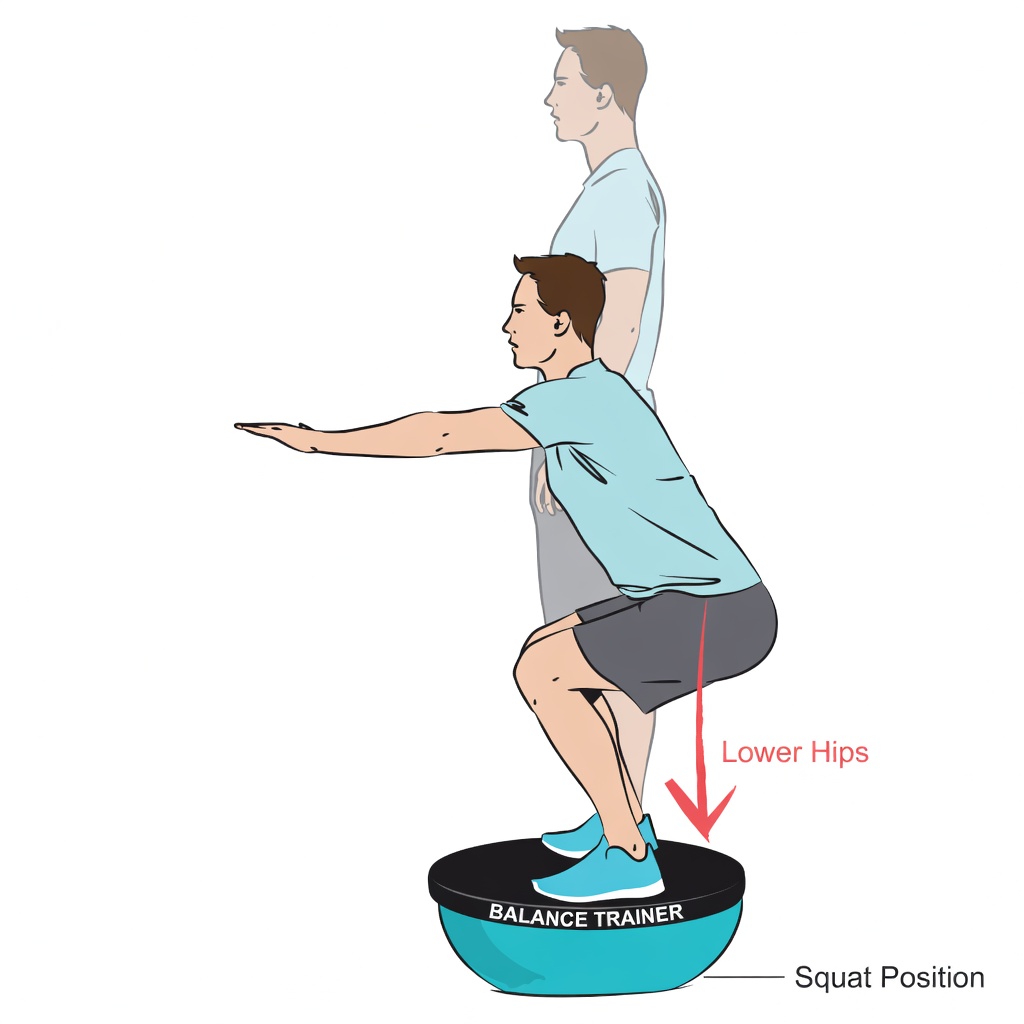
4. Squats on the Flat Side of the Bosu Ball
Warning: Perform this move near a wall or another stable surface.
Many beginners find this exercise especially challenging because the Bosu ball tends to shift and wobble. That is exactly what makes it such a demanding core exercise.
Muscles used:
- Triple extensors: glutes, quads, calves
- Obliques
- Erector spinae
- Multifidi
- Many muscles throughout the ankles, knees, hips, and trunk
How to do it:
- Carefully step onto the flat side of the Bosu ball.
- Use a wall or stable surface for support if needed.
- Set your feet about hip-width apart.
- Bend your knees and lower your hips into a squat.
- Keep the Bosu stable by engaging your core and ankle muscles.
Reps and sets:
- 10-12 repetitions
- 3-5 sets
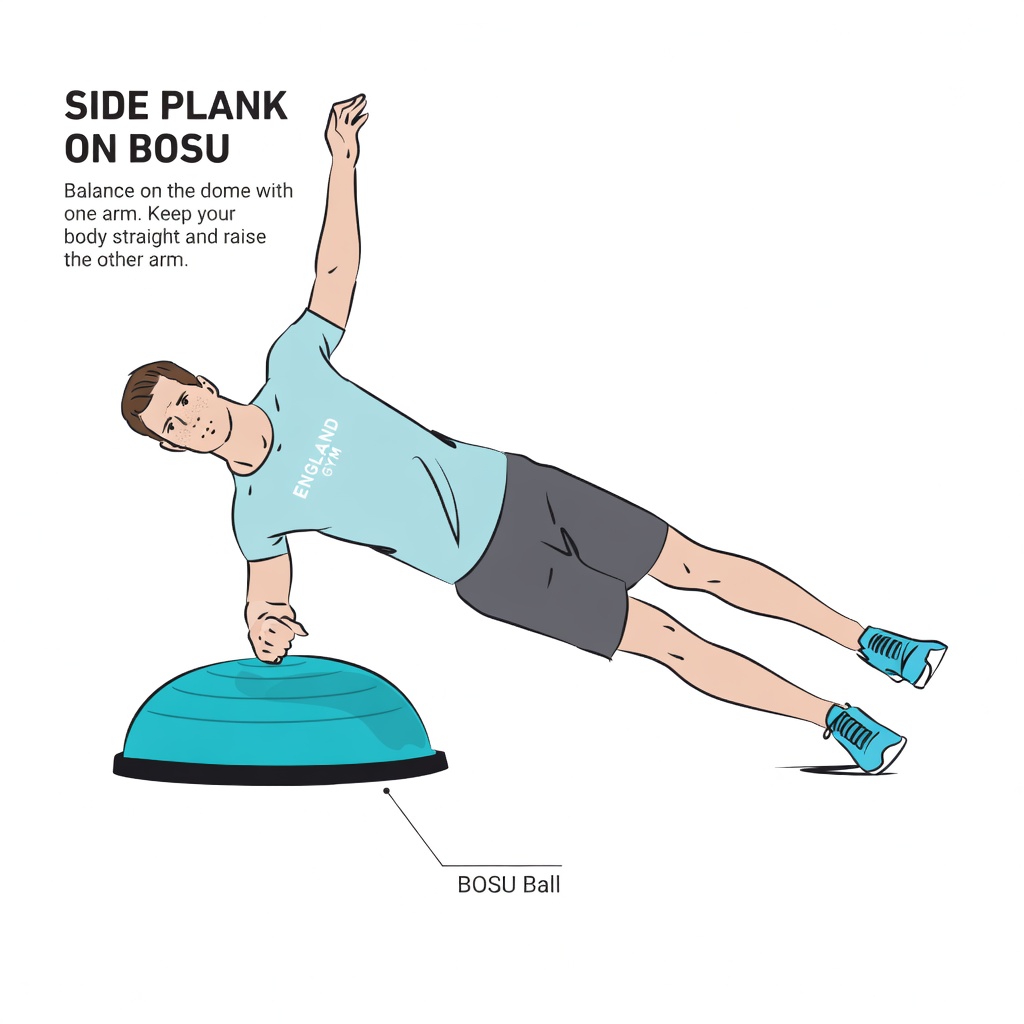
5. Side Plank on Bosu Ball
Bosu ball training is challenging and rewarding. No matter which side is up, it creates an unstable surface that pushes your body to work harder.
Muscles used:
- Obliques
- Rectus abdominis
- Hip abductors
- Quadratus lumborum
- Multifidi
- Various muscles of the trunk and shoulder
How to do it:
- Place your right forearm on the domed side of the Bosu ball.
- Stack your left foot on top of your right foot.
- Lift your hips toward the ceiling.
- Hold the position for 10-30 seconds.
- Lower back down slowly.
Reps and sets:
- 3-5 reps
- 3-5 sets on each side per session
15-Minute Core Workout
To turn these exercises into a simple workout, perform them as a circuit.
Here is the basic structure:
- Do the first exercise for the recommended reps.
- Move to the second exercise with as little rest as possible.
- Continue through all five exercises in the same way.
- Repeat the full circuit 3-5 times.
This workout can be done as often as 4 times a week or as little as once a week. It depends on your current fitness level. If you are unsure how often you should train, talk with your physical therapist or doctor.
This routine can help improve your cardiovascular endurance while also building strength and stability throughout the core.
Final Thoughts
A strong core is not just about visible abs. It includes the muscles that support your trunk, spine, hips, and posture. By using exercises that challenge stability instead of only focusing on simple abdominal movements, you can train more muscles at once and get more from your workouts.
Consult a healthcare professional before making changes.