Why Eggs Deserve a Place in a Healthy Diet
Eggs have spent years caught in a confusing debate. Many people have heard that eggs are nutritious, but they have also been warned about cholesterol and heart health. That mixed message has left plenty of people unsure whether eggs belong on the menu.
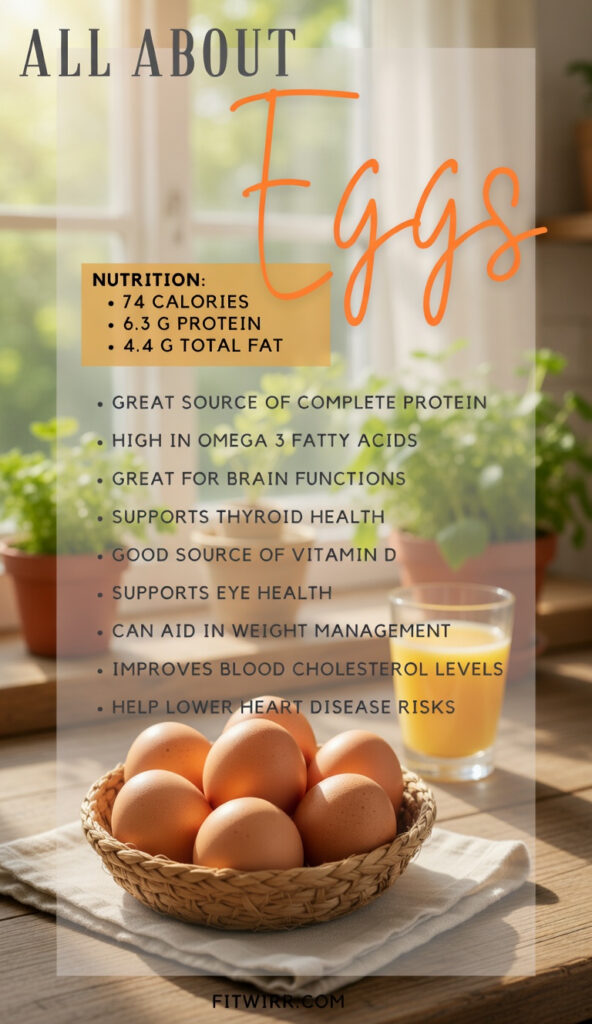
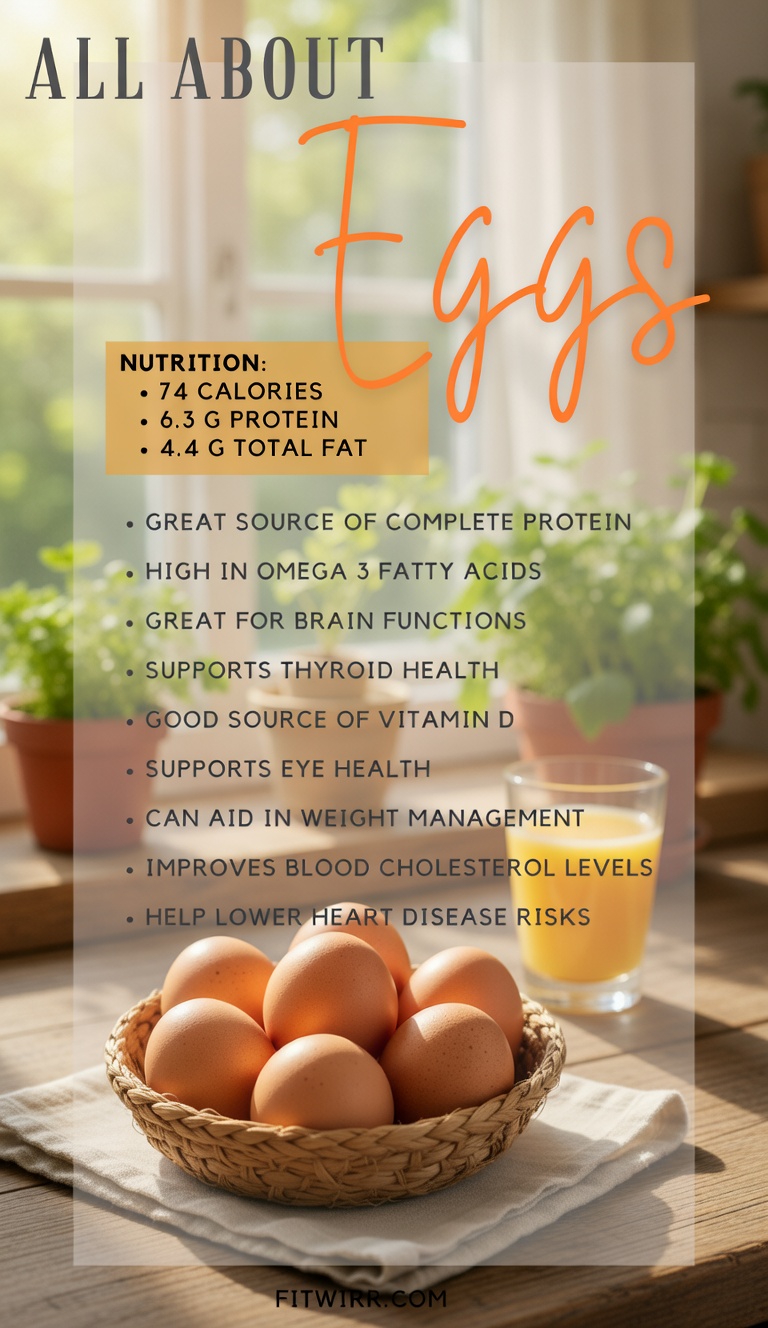
The truth is that eggs offer a long list of valuable nutrients. They provide protein, healthy fats, and important vitamins and minerals that support many functions in the body. They have also been linked with benefits such as better brain health, support for weight loss, improved blood cholesterol levels, and protection against age-related eye problems.
The Main Concern: Cholesterol Confusion
For a long time, eggs were criticized because of their cholesterol content. It was once widely believed that eating cholesterol-rich foods would directly raise blood cholesterol and increase the risk of heart disease.
That concern made the egg yolk seem like the problem, even though the yolk contains most of the egg’s vitamins, minerals, and fat.
What’s Really Behind the Controversy
Eggs are highly nutritious, but their reputation suffered because cholesterol was misunderstood.
What eggs contain
Eggs are often described as a nutrient powerhouse because they contain:
- Protein: 6.3 grams per egg
- Healthy fats: including omega-3 fatty acids that support heart health and brain function
- Vitamins and minerals: including vitamins A, D, B12, choline, and iodine
A closer look at the egg
- Egg white: mostly protein
- Egg yolk: where most of the fat, vitamins, and minerals are found
What we now know about cholesterol
Research has shown that cholesterol from food has only a minimal effect on blood cholesterol levels in most people. The body also produces cholesterol efficiently, and much of the cholesterol we eat is not absorbed.
While some people may be more sensitive to dietary cholesterol, most people can eat eggs without negative effects on heart health. In fact, eggs have been shown to improve blood cholesterol profiles by raising good HDL cholesterol.
The 2015–2020 Dietary Guidelines for Americans removed the recommendation to limit dietary cholesterol, reflecting growing evidence that moderate egg intake can fit into a healthy diet.
It is also important to remember that many foods high in cholesterol are also high in saturated fat and added sugars, and those are linked to a higher risk of heart disease.
The Solution: Add Eggs to a Balanced Diet
Once the cholesterol concern is put into better context, the benefits of eggs become much easier to appreciate. Eggs can be a practical, affordable, and nutrient-dense food to include regularly.
Key Benefits of Eating Eggs
1. They help boost omega-3 intake
Omega-3 fatty acids have been shown to help prevent heart disease and support brain health.
Eggs naturally contain a small amount of omega-3s. When hens are fed flax seeds or fish oil, the omega-3 content of their eggs increases significantly.
A study comparing conventional, organic, and omega-3 eggs found that conventional and organic eggs had about the same omega-3 levels. Omega-3 eggs had five times more omega-3 fats, including twice as much DHA, compared with conventional or organic eggs.
2. They support brain health
Eggs are an excellent source of choline, a nutrient many people do not get enough of. Choline is essential for:
- Brain health
- Metabolism
- Muscle control
- Nervous system function
Research has found that people who eat foods rich in choline have a lower risk of dementia and long-term cognitive decline.
One egg provides 35% of the recommended daily intake of choline.
3. They help support thyroid function
Eggs are a good source of iodine, a mineral needed for proper thyroid function. The thyroid plays a role in:
- Growth
- Development
- Metabolism
One egg provides 18% of the recommended daily intake of iodine. Seafood and dairy products are also major sources of iodine.
4. They provide vitamin D
Eggs are one of the few food sources of vitamin D in the diet. One whole egg contains about 7% of the recommended daily intake of vitamin D.
Like many other egg nutrients, the vitamin D is found in the yolk.
5. They support eye health
Eggs contain several nutrients that are helpful for the eyes, including:
- Vitamin A
- Zinc
- Lutein
- Zeaxanthin
Lutein and zeaxanthin are carotenoids, natural compounds that give color to foods and have biological activity in the body. Other common carotenoids include beta carotene in carrots and lycopene in tomatoes.
When eaten regularly, lutein and zeaxanthin have been shown to help prevent or treat age-related macular degeneration.
A diet rich in carotenoid-containing fruits, vegetables, and eggs has also been linked with improved cognitive performance.
6. They may help with weight loss
The high-quality protein in eggs may help promote lower levels of belly fat. Increasing protein intake can also support weight loss.
For example, replacing carbohydrates with protein at breakfast, such as swapping toast for scrambled eggs, can increase the production of appetite-suppressing hormones.
This may help you:
- Feel full longer
- Eat less
- Improve your chances of weight loss success
7. They can improve blood cholesterol levels
Eggs have been linked with positive effects on blood cholesterol.
They have been shown to raise HDL cholesterol, especially when eaten as part of a weight-loss diet.
In a small number of people, eggs may increase LDL cholesterol, but they also change LDL particles into a larger, less harmful type that is not associated with cardiovascular disease. Even better, when eggs are eaten as part of a weight-loss diet, they do not appear to raise LDL levels.
The overall message is simple: when eggs are part of a healthy, reduced-calorie diet, they can have a beneficial effect on blood cholesterol levels.
8. They are not linked with higher heart disease risk for most people
For many years, people worried that eating cholesterol-rich foods would increase heart disease risk.
More recent studies have explored this question and most have found no increased risk of heart disease with regular egg consumption.
A large analysis found no increased risk of cardiovascular disease with eating up to one egg per day.
How to Eat Eggs More Safely
Eggs have many benefits, but safe handling matters.
Raw eggs can carry salmonella
Raw eggs may contain harmful bacteria called salmonella. You cannot tell whether an egg is contaminated just by looking at it.
Cooking eggs completely to 160 degrees is the only way to be fully safe, since high heat kills unwanted bacteria.
- Egg whites harden at around 145 degrees
- The yolk needs a higher temperature to cook fully
Because of this, runny, poached, or over-easy eggs carry some risk if the yolk has not reached the proper temperature.
Store eggs properly
Keep eggs in the refrigerator. Leaving them at room temperature can cause them to spoil.
Warmer temperatures also help bacteria multiply quickly and may increase the chance of getting sick if bacteria are present on the shell.
The Bottom Line
Eggs are a simple food with impressive nutritional value. They provide protein, healthy fats, choline, iodine, vitamin D, and other important nutrients. They have been linked with benefits for the brain, eyes, cholesterol levels, weight management, and heart health.
Although eggs were once blamed for raising cholesterol and harming the heart, the bigger picture is much more balanced. For most people, eggs can be enjoyed as part of a healthy diet without concern.
Consult a healthcare professional before making changes.