Want a Stronger, Firmer Backside?
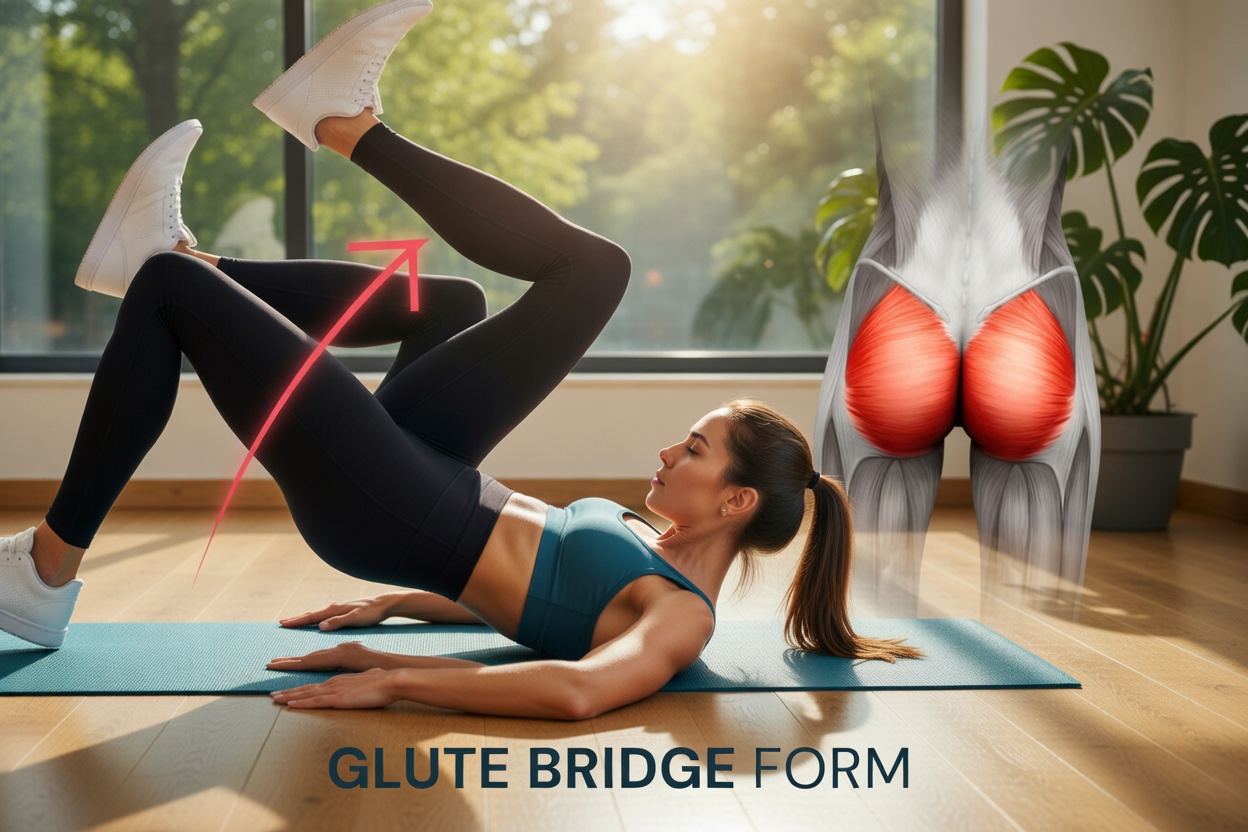
If you want a more lifted, toned butt, it helps to think beyond appearance. Strong glutes do much more than improve how your backside looks. They support better posture, boost athletic power, and help lower your risk of injury. When your glutes are working well, movement feels smoother and your body feels stronger overall.
Why Glute Strength Matters
Weak or undertrained glutes can hold back your movement and performance. Your glutes play a major role in mobility, helping control hip rotation and hip extension. They also work together with your core and hips to support and stabilize your lower back, which is especially important for lifting safely.
So if you want better function, more lower-body strength, and a stronger posterior chain, glute training is a smart place to start.
The Cause: Not All Lower-Body Exercises Target the Glutes Effectively
Many people focus only on the idea of getting a perkier butt, but building glutes is really about strength and function. Choosing the right exercises can help tone your glutes while also improving flexibility, balance, stability, and lower-body strength.
Below are 5 of the best beginner-friendly butt exercises to help strengthen and shape your glutes.
The Solution: 5 Best Butt Exercises for Beginners
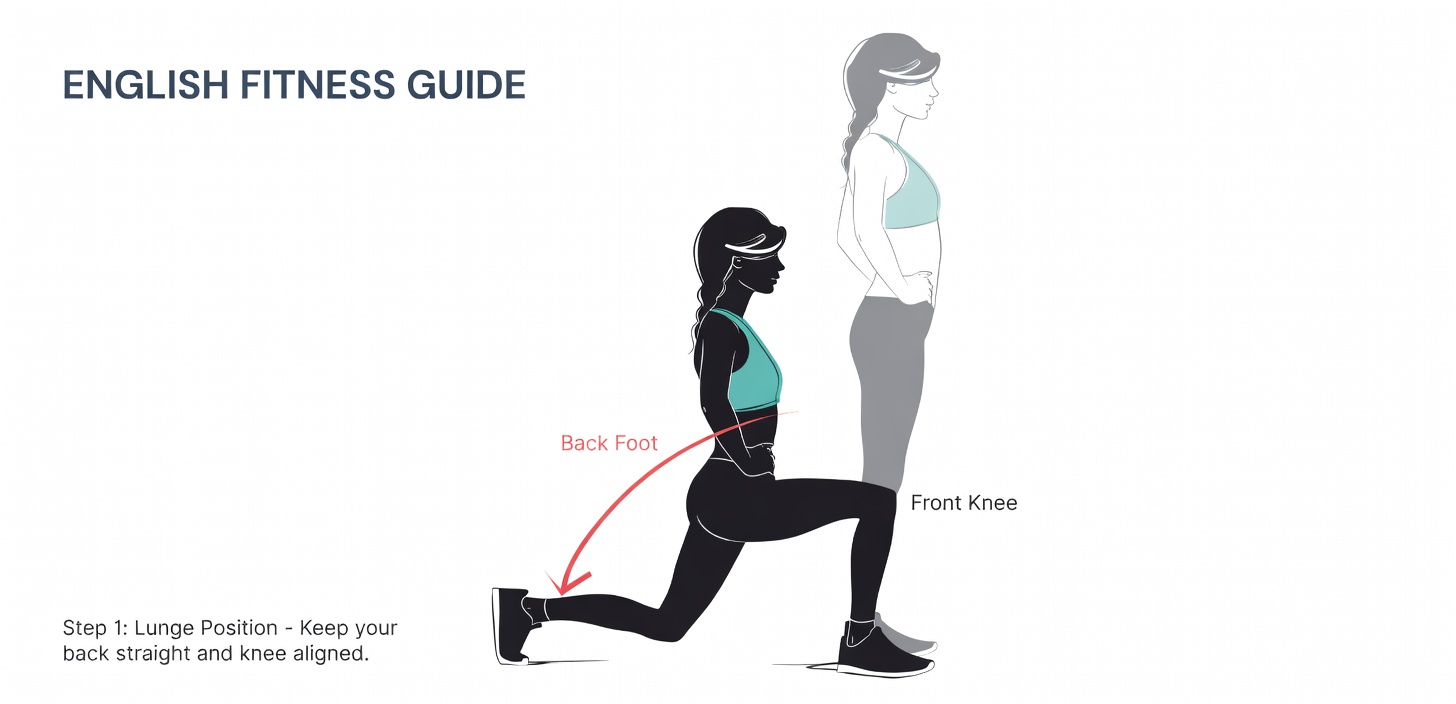
1. Reverse Lunge
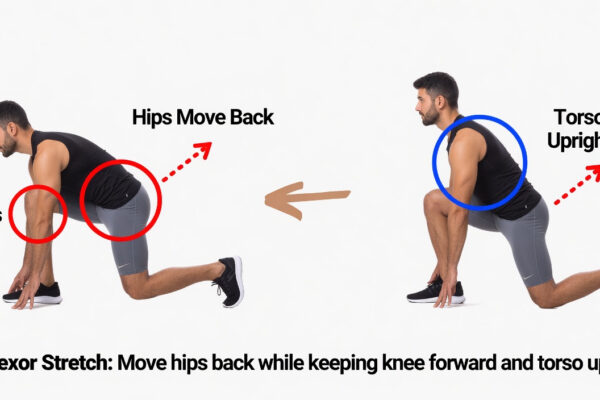
A reverse lunge puts less stress on the knees than a standard lunge. It is a great choice for improving flexibility, stability, and strength in the lower body. It also helps tone the glutes and shape the thigh muscles.
How to do a reverse lunge
- Stand tall with your hands on your hips.
- Tighten your abs and step your left foot far behind you.
- Lower your hips while keeping your balance until your right thigh is parallel to the floor.
- Keep your right knee directly over your ankle.
- Bend your left knee to a 90-degree angle, pointing it toward the floor, with your left heel lifted.
- Press through your right heel to return to standing and bring your left leg forward.
- Repeat, then switch sides.
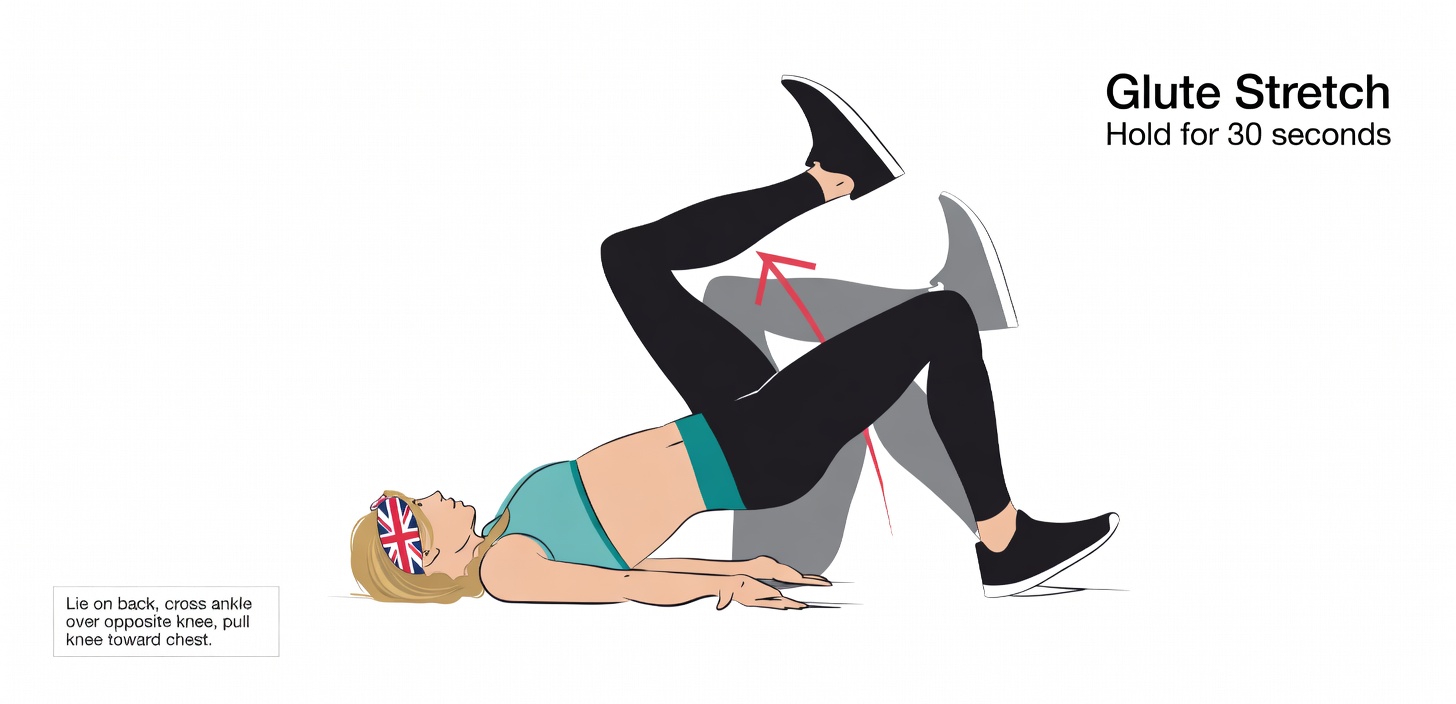
2. Glute Bridge March
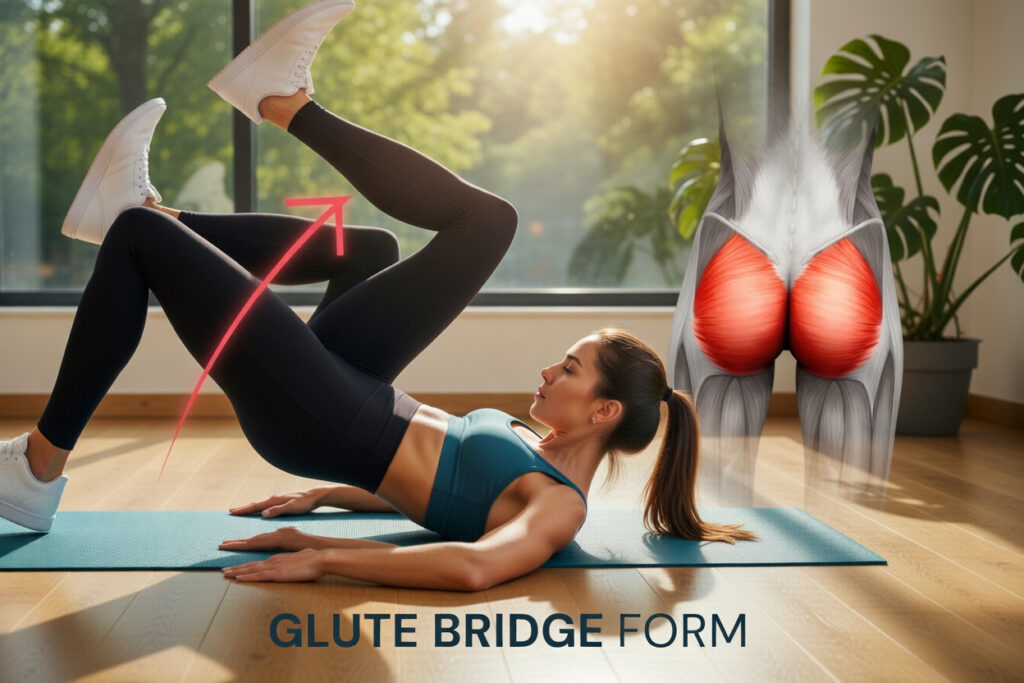
The glute bridge march is a more dynamic version of the classic glute bridge. While holding the top position, you alternate legs to challenge both balance and strength. It is a great progression from the standard bridge and adds an extra stability challenge.
How to perform a glute bridge march
- Lie on your back with your hands by your sides and palms facing up.
- Bend your knees and place your feet flat on the floor.
- Brace your core and lift your pelvis by pressing your heels into the ground.
- At the top, your shoulders, glutes, and knees should form a straight line.
- Hold the bridge and lift one knee toward your chest.
- Pause for a second, then lower it back down.
- Repeat on the other side.
- Continue alternating until you complete 8 to 10 reps.
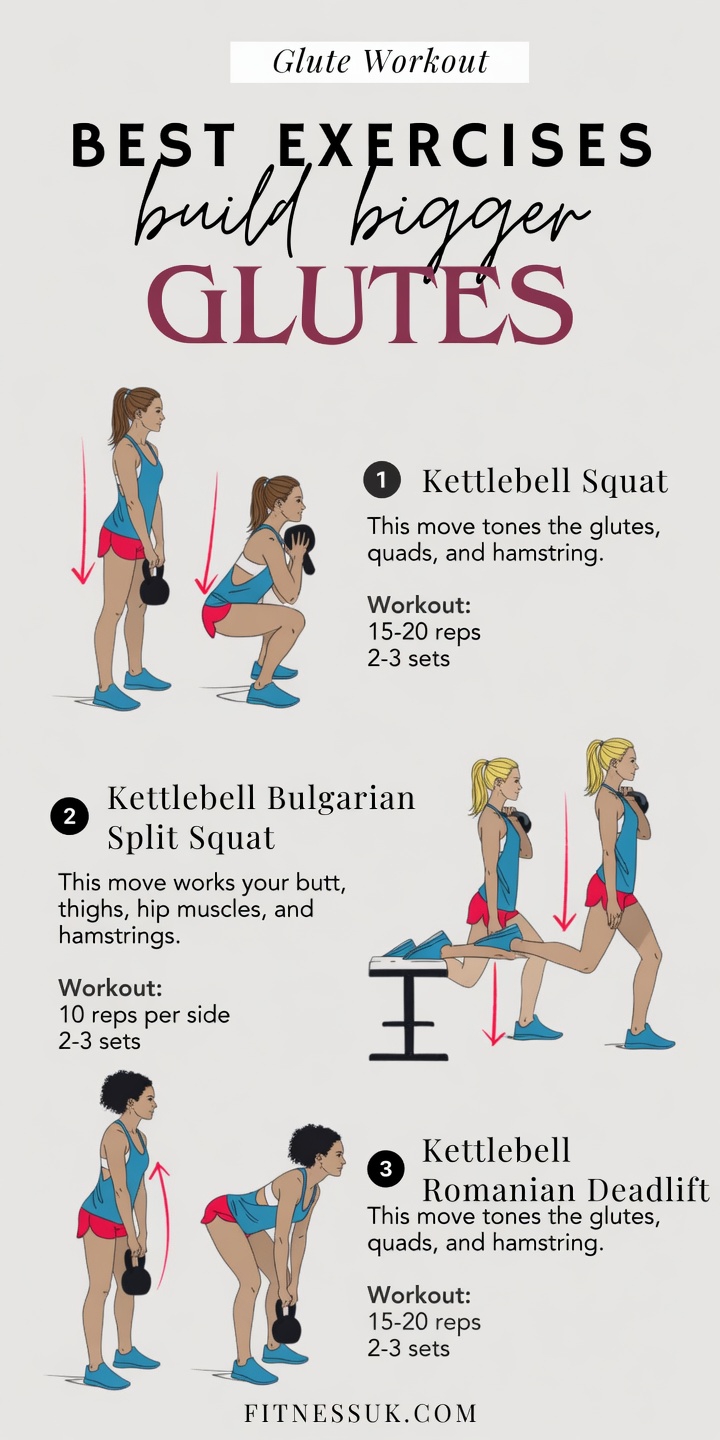
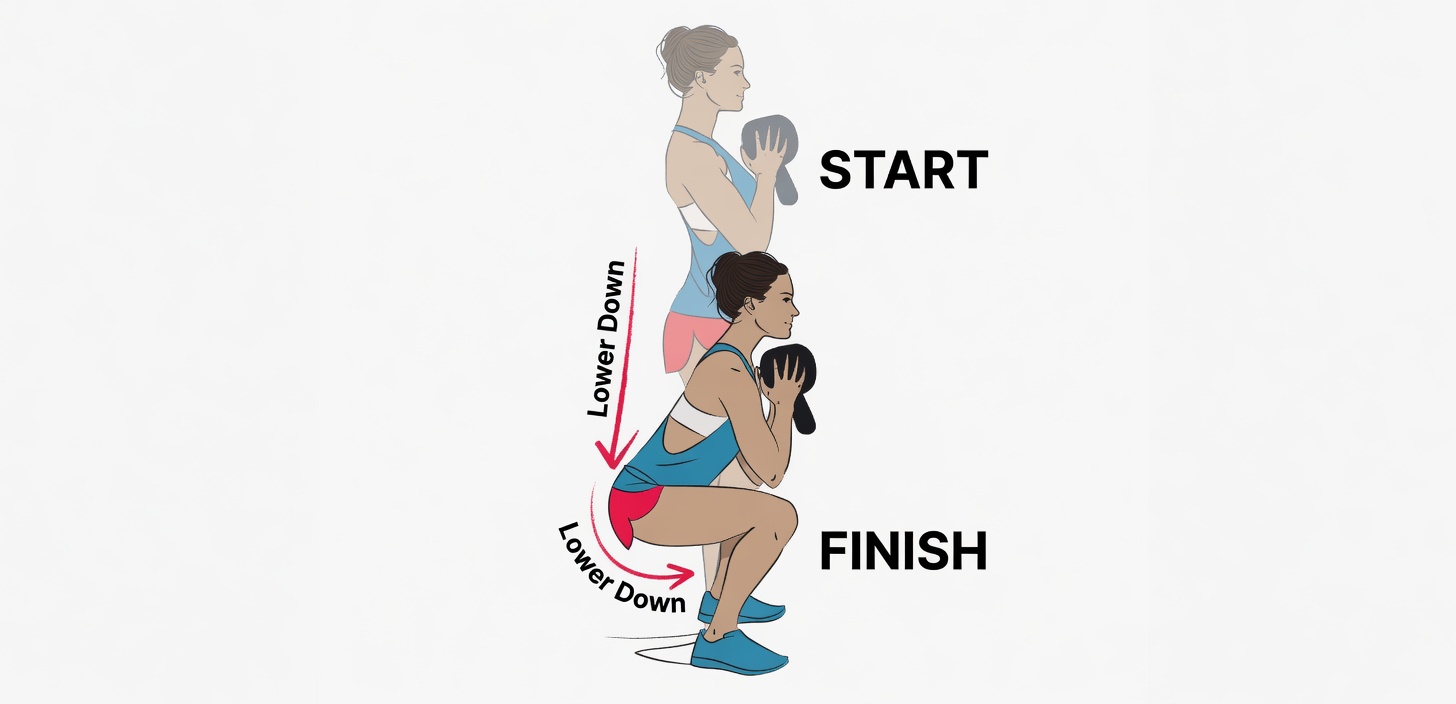
3. Kettlebell Squat
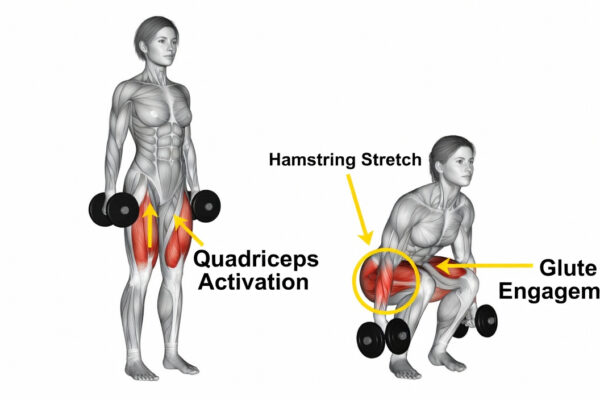
The kettlebell squat works the glutes, quads, and hamstrings. It also challenges the core and back. Holding the kettlebell in front of your chest increases the challenge and helps recruit more muscles while testing your balance.
How to do a kettlebell squat properly
- Stand with your feet wider than shoulder-width apart and your toes pointing forward.
- Hold a heavy kettlebell in front of you with your palms facing toward you.
- Keep your chest lifted as you squat down until your thighs are parallel to the ground.
- Pause briefly at the bottom.
- Press through your feet to stand back up.
- Repeat for 20 to 25 reps.
4. Kettlebell Romanian Deadlift
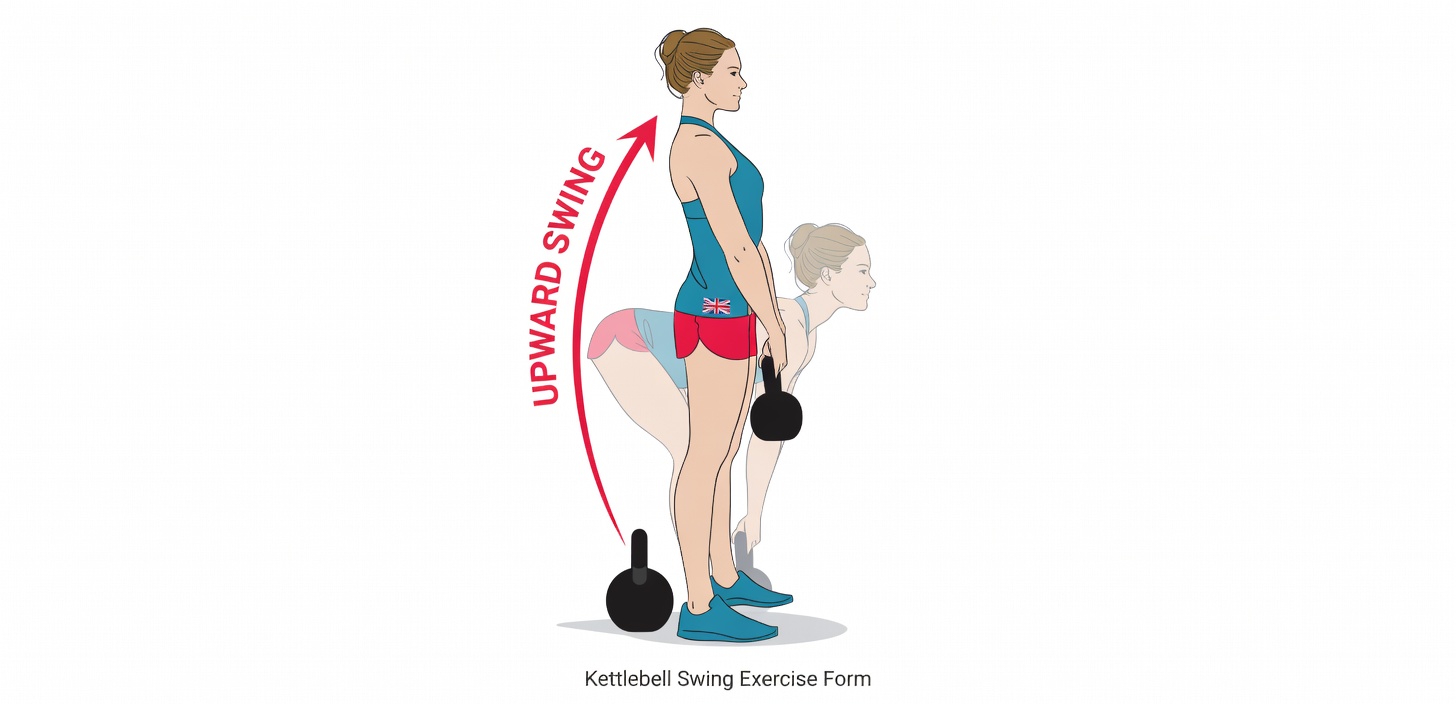
The kettlebell Romanian deadlift helps strengthen the glutes, hamstrings, and lower back. It is one of the most effective glute exercises. Because it is a unilateral movement, it trains each leg independently. If you have a muscle imbalance, this exercise can help strengthen each side of the lower body on its own.
How to do a kettlebell RDL
- Hold a kettlebell by the handle using a double overhand grip.
- Stand with your feet hip-width apart.
- Start the movement by pushing your hips back and hinging forward.
- Lower until the kettlebell reaches just below knee height.
- Drive through your whole foot and focus on pressing into the floor.
- Return to the starting position.
- Repeat for your desired number of reps.
5. Kettlebell Bulgarian Split Squat
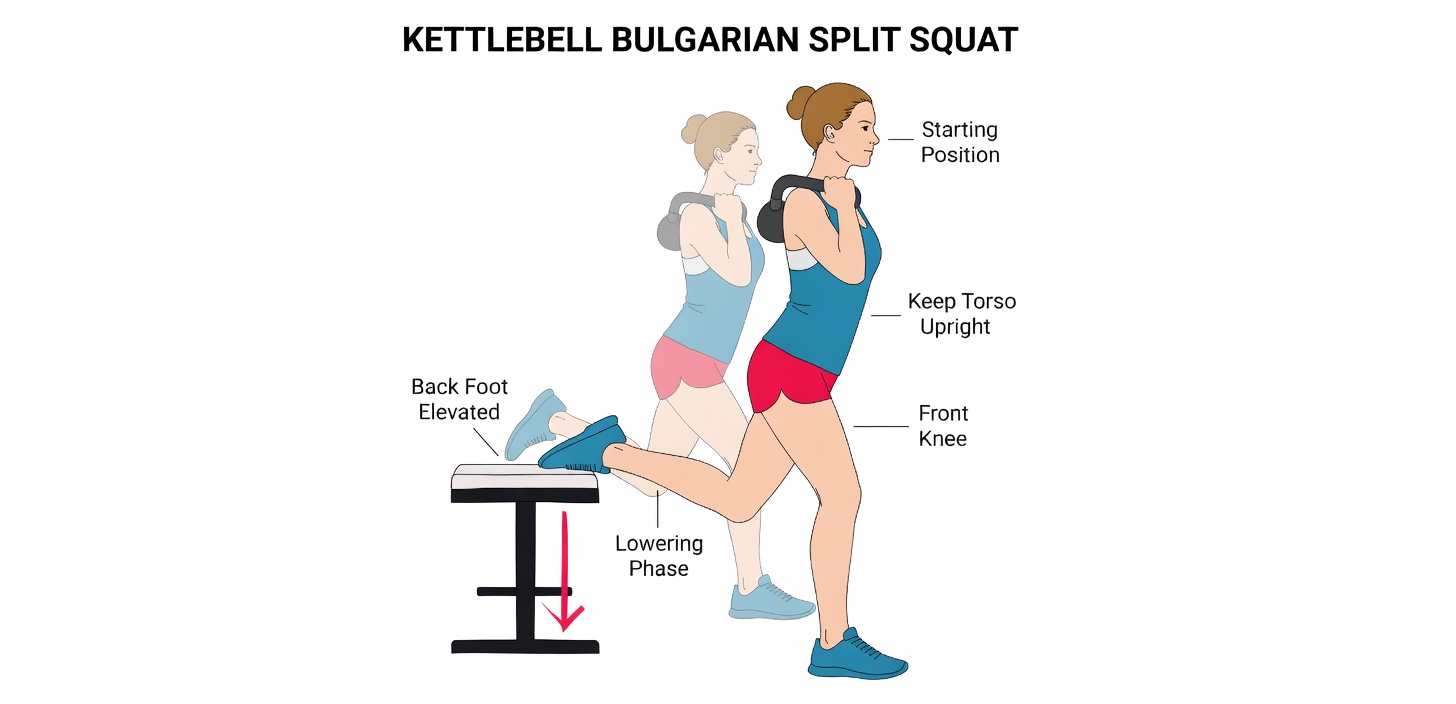
This split squat variation works your butt, thighs, hip muscles, and hamstrings. It is a powerful lower-body exercise for building glute strength and tone.
How to do a Bulgarian split squat
- Stand in front of a sturdy bench.
- Step into a split stance while holding dumbbells by your sides with a neutral grip.
- Place your back foot on the bench and adjust it so it feels secure.
- Lower into a lunge by bending your front knee and bringing your back knee close to the floor.
- Push through your front foot to rise back up.
- Straighten the front knee to return to the starting position.
- Complete 10 reps, then switch sides.
- Do 10 reps on the other side.
- That equals 1 set. Complete 2 to 3 sets.
Simple Plan for Better Glute Strength
These 5 exercises can help you tone and strengthen your glutes while also supporting your lower body and posterior chain. For best results, aim to do them 2 to 3 times per week.
Summary
A stronger butt is not only about aesthetics. Well-trained glutes can improve posture, support smoother movement, enhance athletic performance, and reduce injury risk. If you want to build strength and shape in your glutes, these 5 beginner-friendly exercises are a great place to begin.
Consult a healthcare professional before making changes.