Why Your Morning Routine Matters
How you begin your morning can shape your health, your mood, and the rest of your day. Helpful habits can support productivity, lower stress, and improve overall well-being. On the other hand, unhealthy choices early on can make the day feel harder from the start.
If your mornings feel rushed, unproductive, or out of balance, your routine may be part of the problem. The good news is that a few simple habits can make a real difference.
In this article, you’ll find 4 healthy morning habits that can support your health and help you start the day stronger.

1. Move Your Body Early
The Problem
Starting the day without movement can leave you feeling sluggish and make it harder to stay on track with health goals like weight loss, better energy, or building muscle.
The Cause
When physical activity gets pushed aside, you miss an opportunity to raise your heart rate, challenge your muscles, and support your metabolism early in the day.
The Solution
A morning workout can be a great way to increase energy levels, support weight loss, and improve body composition. The key is to choose an activity you actually enjoy so it feels easier to stick with.
Whether your goal is to burn extra calories, build muscle, or burn more fat, there are different ways to approach it.
Exercises for Weight Loss
If weight loss is your focus, getting your heart rate up can help burn extra calories and support fat loss. You do not need a gym or hours of free time to make it work.
A quick beginner-friendly HIIT workout can be a practical option in the morning:
- Pick 3 exercises
- Complete 3 sets
- Rest for a few seconds between sets
You might use moves such as:
- Burpees
- Squats
- Plank
- Other exercises you want to try
You can add dumbbells or lighter weights for more challenge, or simply use your body weight if you have little equipment or are still building your fitness level.
If you are a beginner, good form is important to help lower the risk of injury. Working with a personal trainer can help you find a program that matches your needs and ability level.
Exercises for Building Muscle
A regular strength training routine that works all major muscle groups can help build lean muscle. More muscle mass is linked with a higher metabolic rate and more calories burned at rest.
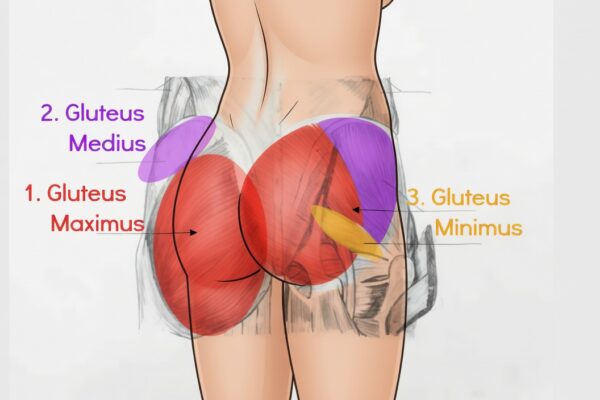
One effective way to train is through compound movements, which work more than one muscle group at the same time. A squat is a good example because it targets:
- Abs
- Hamstrings
- Thighs
- Glutes
- Hips
The Centers for Disease Control and Prevention recommends at least 2 days a week of this kind of exercise.
Cardio for Burning Calories
Cardio, also called endurance exercise, can help torch a substantial number of calories. The Center for Disease Control and Prevention recommends:
- At least 150 minutes a week of moderate-intensity aerobic exercise, or
- 75 minutes a week of vigorous-intensity aerobic exercise
Endurance exercise can include:
- Walking
- Biking
- Hiking
- Jogging
- Similar activities
You may also consider steady-state cardio, which means doing an endurance activity at a moderate pace for an extended period. However, this is not encouraged for beginners.
Simple morning options include:
- A 20-minute jog on the treadmill
- A low-impact morning walk
Be sure to stretch after your workout. Cool-down stretches can help reduce cramping and stiffness after exercise and may help prevent injury.
Exercise and Blood Sugar Control
Morning exercise can do more than help create a bigger calorie deficit. It may also help keep blood sugar levels better controlled throughout the day.
Steadier blood sugar levels can help reduce excessive hunger and snacking and support healthier eating choices. Insulin, the hormone involved in balancing blood sugar, also plays a role in appetite regulation. High circulating insulin is often seen in those with insulin resistance or Diabetes, and higher levels are linked with increased appetite and desire to eat.
You can also try taking your workouts outdoors. Weekend outdoor activity can be a fun and convenient way to exercise while also getting some sunlight exposure.
2. Try a Cold Shower
The Problem
Some mornings start with low energy and a slow metabolism, making it harder to feel alert and ready for the day.
The Cause
Your body may not be getting the kind of stimulation that helps wake you up and support energy use early on.
The Solution
A cold shower in the morning may not sound appealing, but it could help boost your metabolism.
A 2009 study linked exposure to cold temperatures with activation of brown fat. Brown fat helps regulate body temperature. Most body fat is white fat, which stores energy and can contribute to obesity. When body temperature drops, brown fat breaks down sugar and fat molecules to help warm the body.
This process is said to raise metabolic rate and energy levels while also burning extra calories. Physical activity is also believed to help activate brown fat.
3. Eat a Healthy Breakfast
The Problem
Skipping breakfast or choosing low-quality foods in the morning can make it harder to manage hunger, avoid snacking, and stay on track with weight loss.
The Cause
Starting the day on an empty stomach, or relying on processed or fast food that is often high in calories, can lead to poor food choices later on.
The Solution
Breakfast is often called the most important meal of the day, yet many people overlook it. Choosing a healthy breakfast can help set the tone for the rest of the day.
Instead of processed options, aim for whole foods such as:
- Lean meat
- Fresh fruit
- Complex carbohydrates like whole grains
- Vegetables rich in soluble fiber
Skipping breakfast is often linked with increased nighttime snacking on unhealthy foods, which can lead to weight gain.
Sleep matters too, but it should not come at the expense of breakfast. Your first meal can influence how you eat for the rest of the day.
Try to avoid:
- Sugar-laden coffee
- Fruit juice
- Other high-carb foods and drinks
These can contribute to a binge later in the day and also add a significant amount of empty calories.
People who eat a healthy breakfast are more likely to make healthier choices at lunch and dinner too.
Include Protein
Adding a lean protein source to breakfast can help you stay satisfied through the morning and reduce excess snacking.
Good protein options include:
- Eggs
- Greek yogurt
- Cottage cheese
- Other low-fat dairy options
- Nuts and seeds
- Turkey or chicken sausage
Studies have shown that a high-protein breakfast can help reduce cravings, control appetite, and support weight loss because it helps keep hunger hormones better regulated.
If you plan to exercise in the morning, consider pairing protein with a healthy carbohydrate source, such as:
- Fruit
- Oats
- Brown rice
A simple example is banana with peanut butter, which can also work as a healthy snack.
If eating in the morning is difficult, a low-sugar protein drink may be easier.
If time is a challenge, meal planning or meal prepping can make healthy eating more convenient. Healthy eating habits take time, so avoid strict restriction and focus on gradually adding more nutritious foods in a way that feels sustainable.
4. Drink a Glass of Water
The Problem
Many people do not drink enough water, even though the body depends on it.
The Cause
Hydration is often overlooked, despite water being a vital nutrient.
The Solution
Starting your day with a glass of water is a simple habit worth building. The body is made up of 60% water, and the organs rely heavily on proper hydration to function well.
Making water part of your morning routine can be an easy first step toward better daily habits.
Start Small and Stay Consistent
You do not need a perfect morning to improve your health. Even adding one or two of these habits can help you build a routine that supports your goals.
Try to focus on:
- Morning movement
- A refreshing cold shower
- A balanced breakfast
- A glass of water
Small choices made consistently can have a big impact over time.
Consult a healthcare professional before making changes.