Want Stronger Abs and a Better Core?
If your goal is to build six-pack abs and improve core strength, crunches are a simple exercise worth adding to your ab routine.
Crunches are a core-focused movement that works the abdominal muscles, especially the rectus abdominis—often called the six-pack muscle—and the obliques.
They are a highly effective bodyweight ab exercise that can help you develop a stronger midsection. When performed with good form, crunches work both the upper and lower abdominal areas.
Another reason many people like crunches is that they are generally easier on the lower back and come with less risk of injury than traditional sit-ups or using an ab machine.
The Problem: Weak Core Training and Unnecessary Back Strain
Many people want stronger abs, better posture, and a more stable core, but they often choose exercises that are harder on the body than necessary.
A common example is the full sit-up. It may seem like going higher would train the abs better, but that is not always the case.
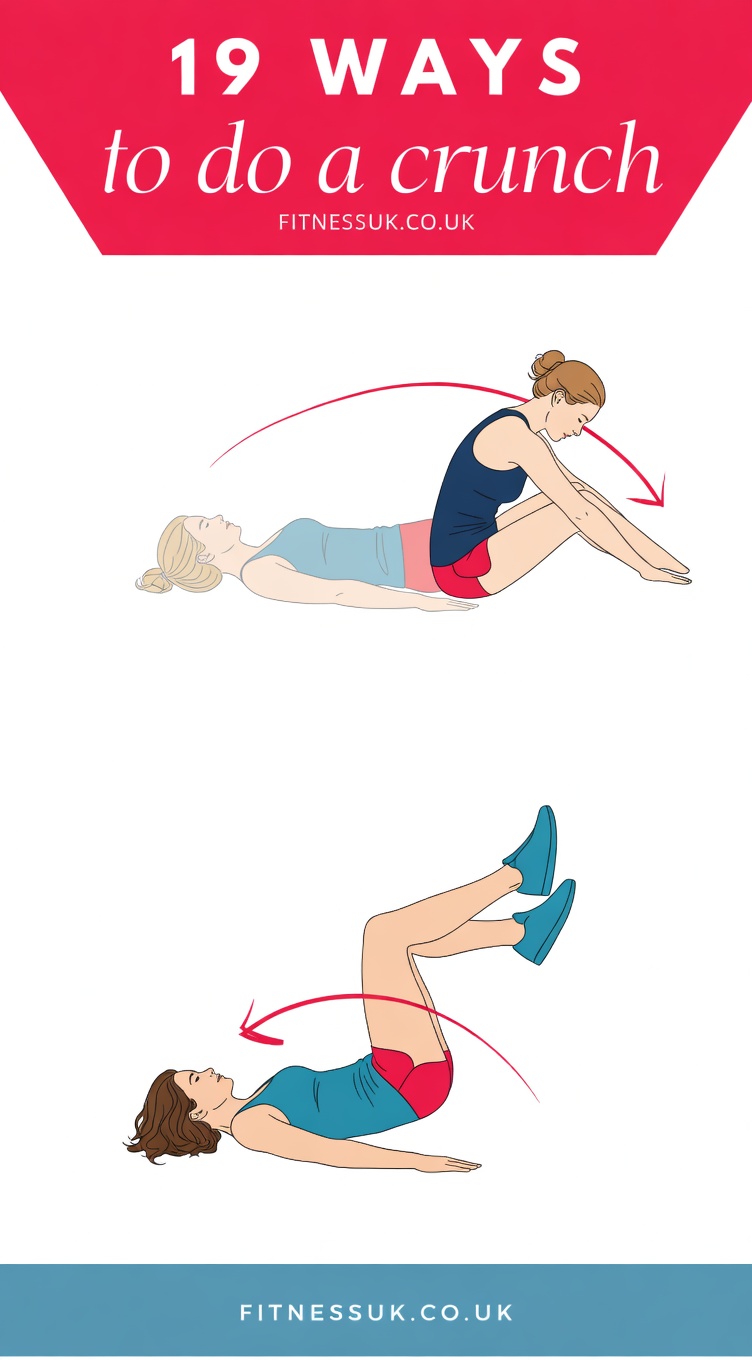
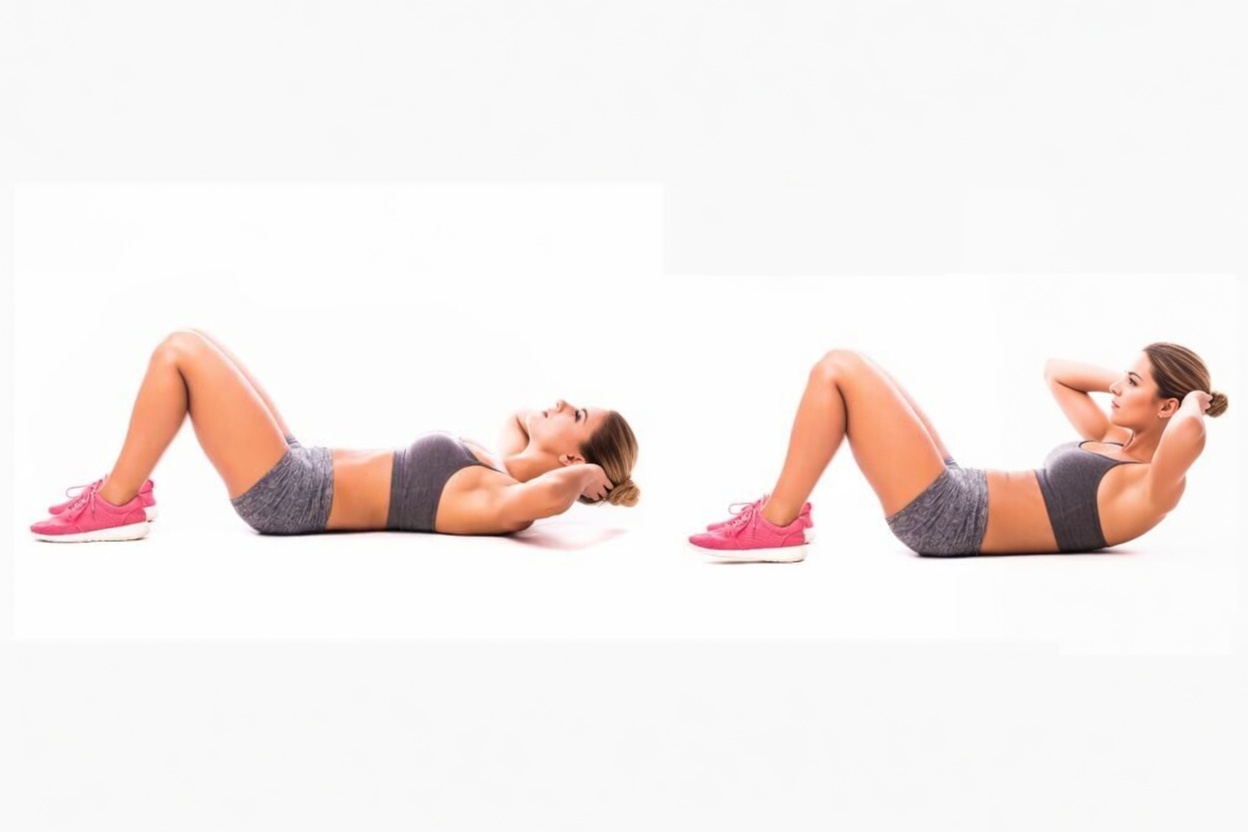
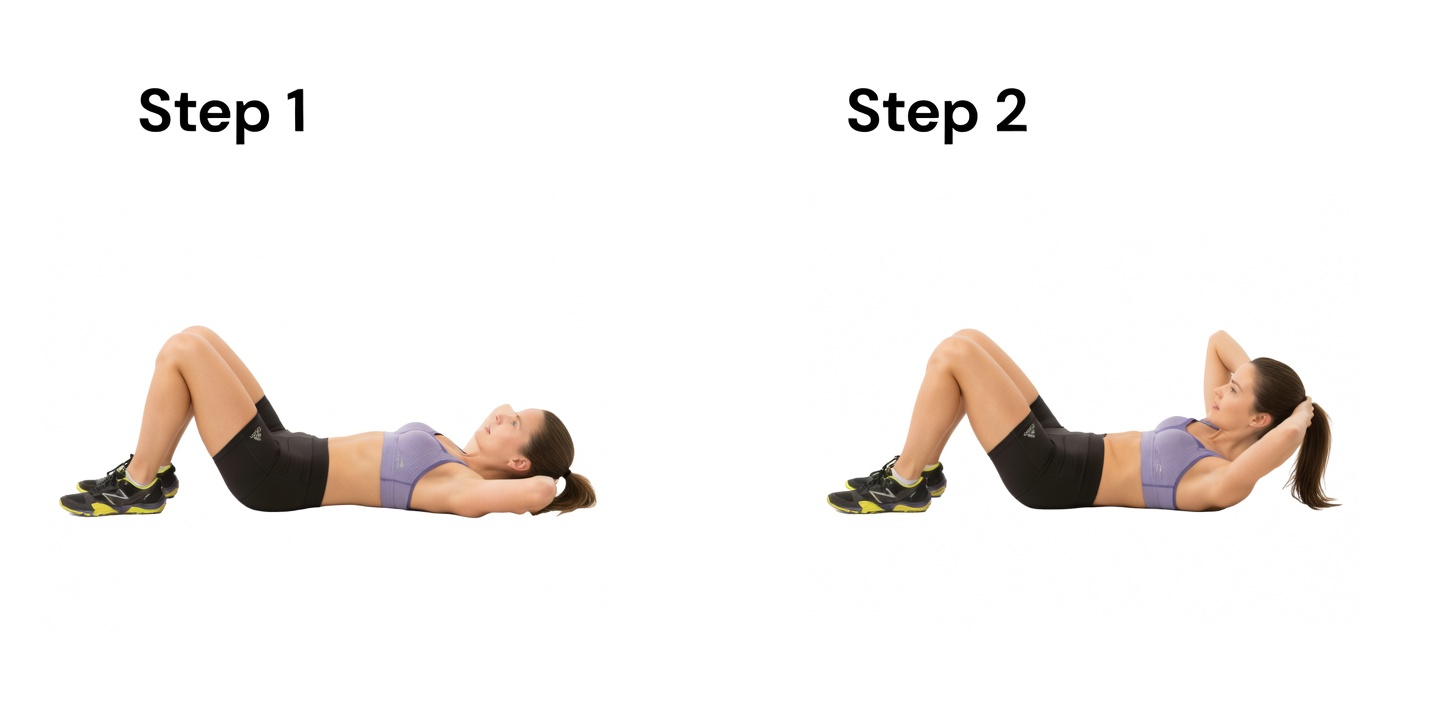
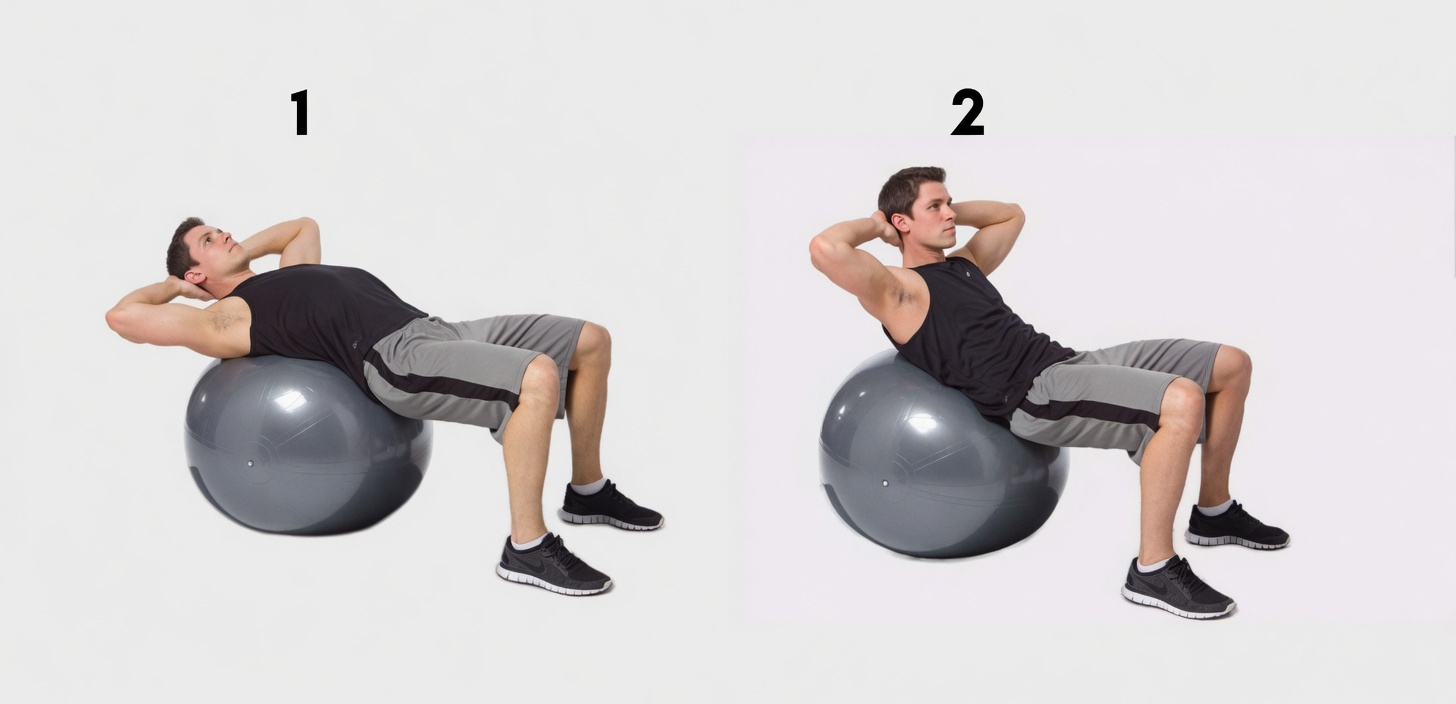
Standard crunches are done while lying face-up with your feet about hip-width apart. From there, you keep your lower back on the floor and lift your upper back and shoulder blades off the ground. With proper technique, this movement can help improve core strength without putting extra stress where you do not want it.
The Cause: Bigger Movements Are Not Always Better
Crunches Are More Back-Friendly Than Full Sit-Ups
Crunches strengthen the rectus abdominis through flexion. Although sit-ups may look similar, the main abdominal muscle is activated when you lift your shoulder blades off the floor.
Once you go higher, the hip flexors become more involved, which can place extra stress on the lumbar spine. Since the hip flexors are already often overworked, adding more strain through full sit-ups may not be helpful.
Because crunches use a small range of motion, they train the core while being gentler on the back.
Your Abs Need Endurance for Daily Life
Your abdominal muscles do much more than help define your waistline. They help stabilize the middle of your body so you can:
- maintain good posture
- lift heavy objects
- twist and rotate during daily movement
Since these actions happen regularly, your abs need to handle work over time. Crunches help build muscular endurance, which means the muscle fibers can keep working against resistance for longer.
The article notes that in one study, doing crunches one day a week improved abdominal endurance in people who had never trained their abs before.
Ab Gadgets Are Not Always the Better Choice
Many products claim they can flatten and define your abs, but simple exercises are often the more effective option.
To compare results, the American Council of Exercise carried out a small study that looked at several gadgets, including:
- Ab Crunch machine
- Ab Circle Pro
- ab roller
- Ab Lounge
- ab rocket
These were compared with the traditional crunch.
The study found that the traditional crunch was more effective at activating the major abdominal muscles. Crunches also have two practical benefits:
- they do not require extra spending
- they do not take up storage space
You can do them almost anywhere as long as you have a little floor space and the motivation to start.
The Solution: Learn the Basic Crunch First
Before trying different crunch variations, it helps to master the standard version. Once you understand the basic movement, you can add other forms to keep challenging your core.
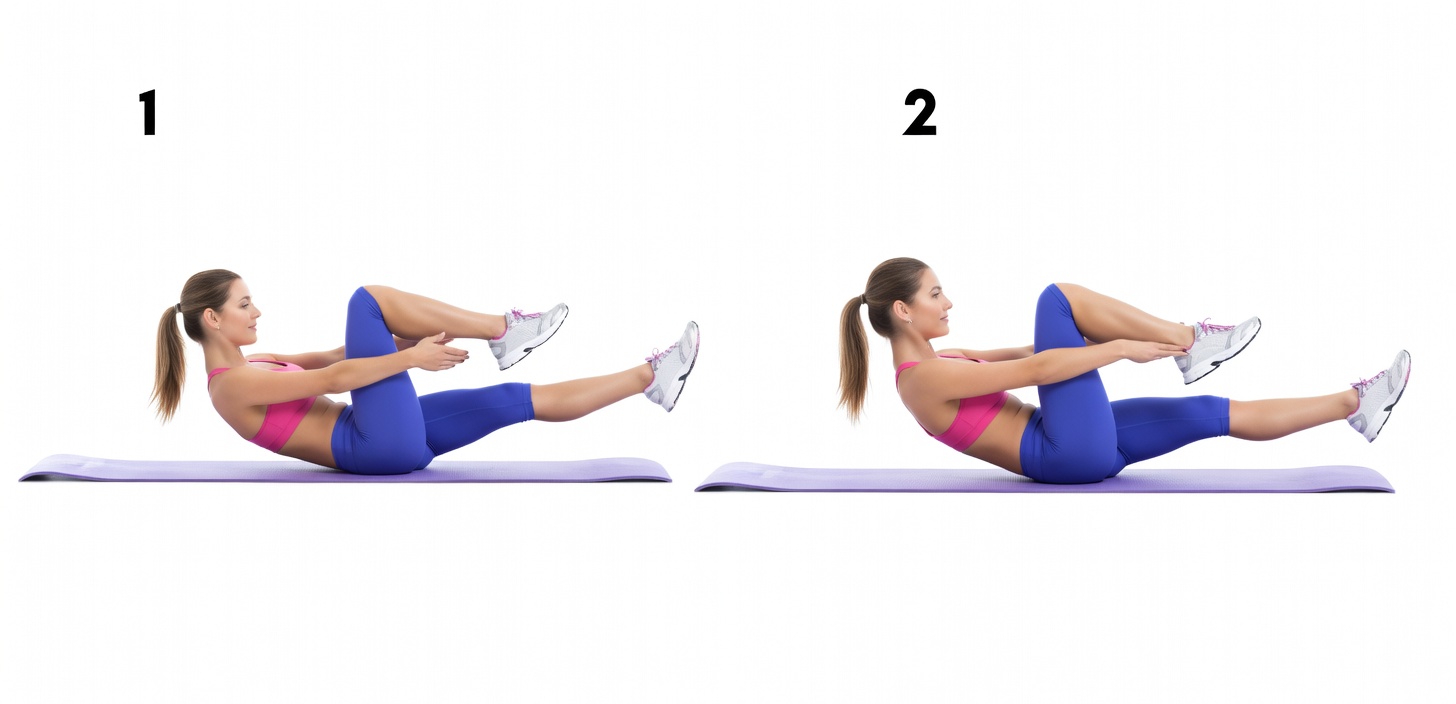
Choose a few variations and rotate them into your regular ab workout.
How to Do a Basic Crunch Correctly
Good form matters in every set and every repetition. Aim for two to three sets of 10 to 15 repetitions.
If your form starts to break down, stop the exercise to help avoid injury.
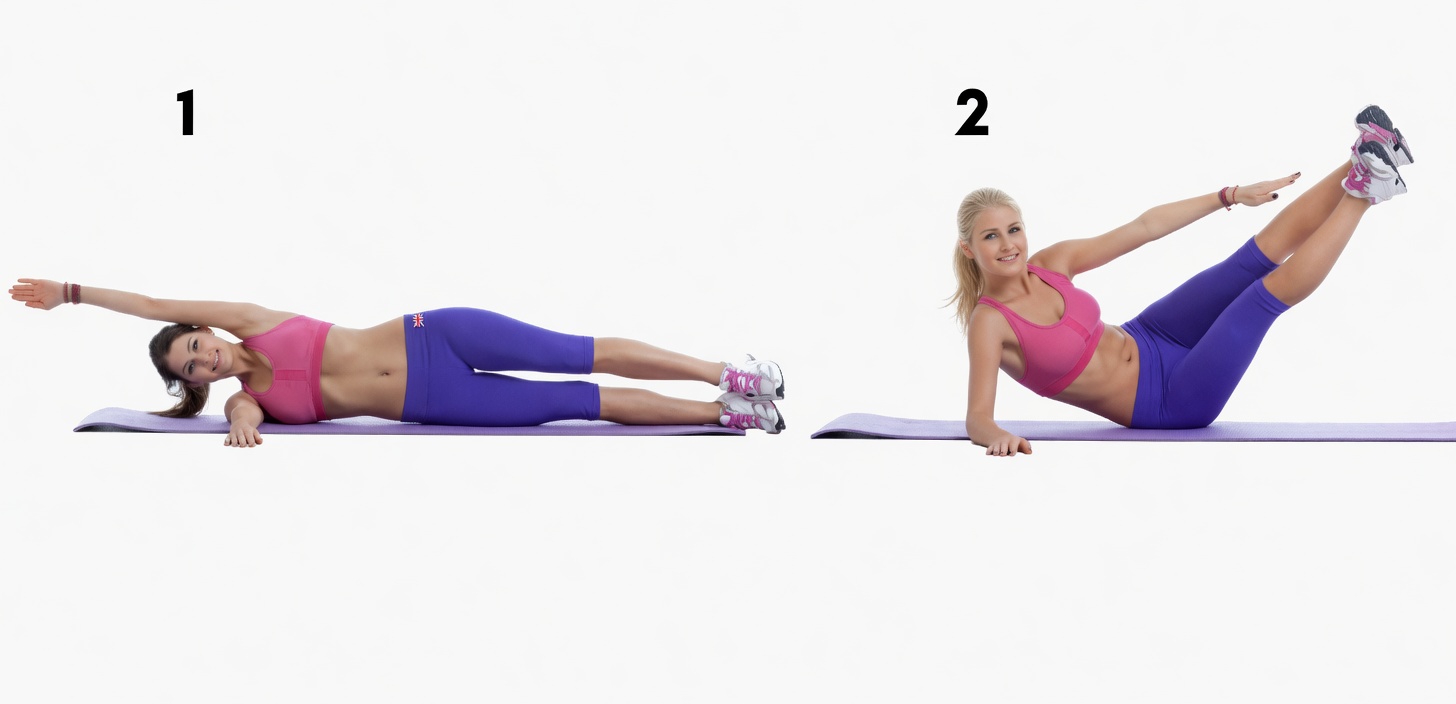
Using a yoga mat can make crunch workouts more comfortable on your back and help keep your space clean.
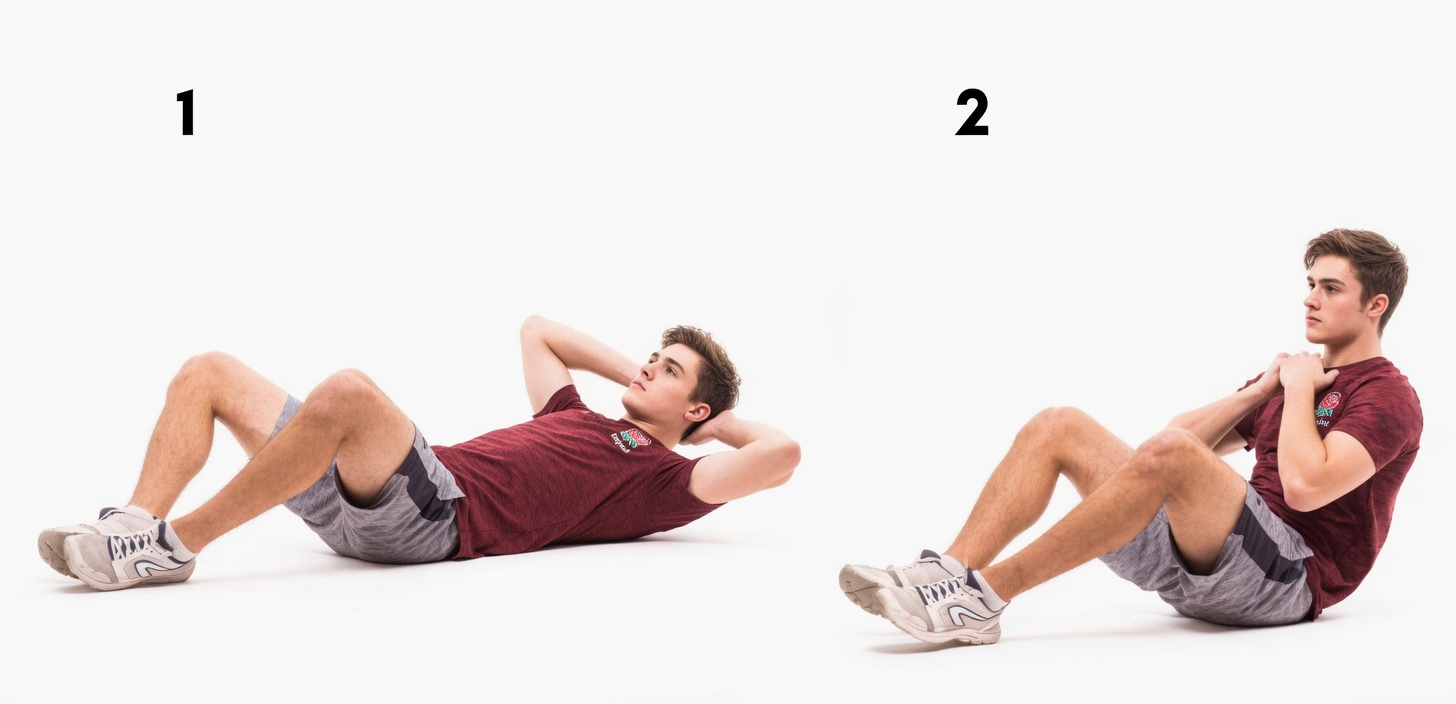
Step-by-Step Basic Crunch
- Lie on your back on an exercise mat with your knees bent and your feet flat on the floor.
- Place your hands behind your head, but do not interlock your fingers.
- Keep your spine and pelvis in a neutral position.
- Tighten your core as you slightly tuck your pelvis and lower your ribcage.
- Keep your chin tucked, almost as if you are holding an egg under it.
- From that starting position, squeeze your abs and lift your shoulders off the floor.
- Pause briefly at the top.
- Lower your shoulders back down slowly while keeping your abs engaged.
- Repeat until you reach your desired number of reps.
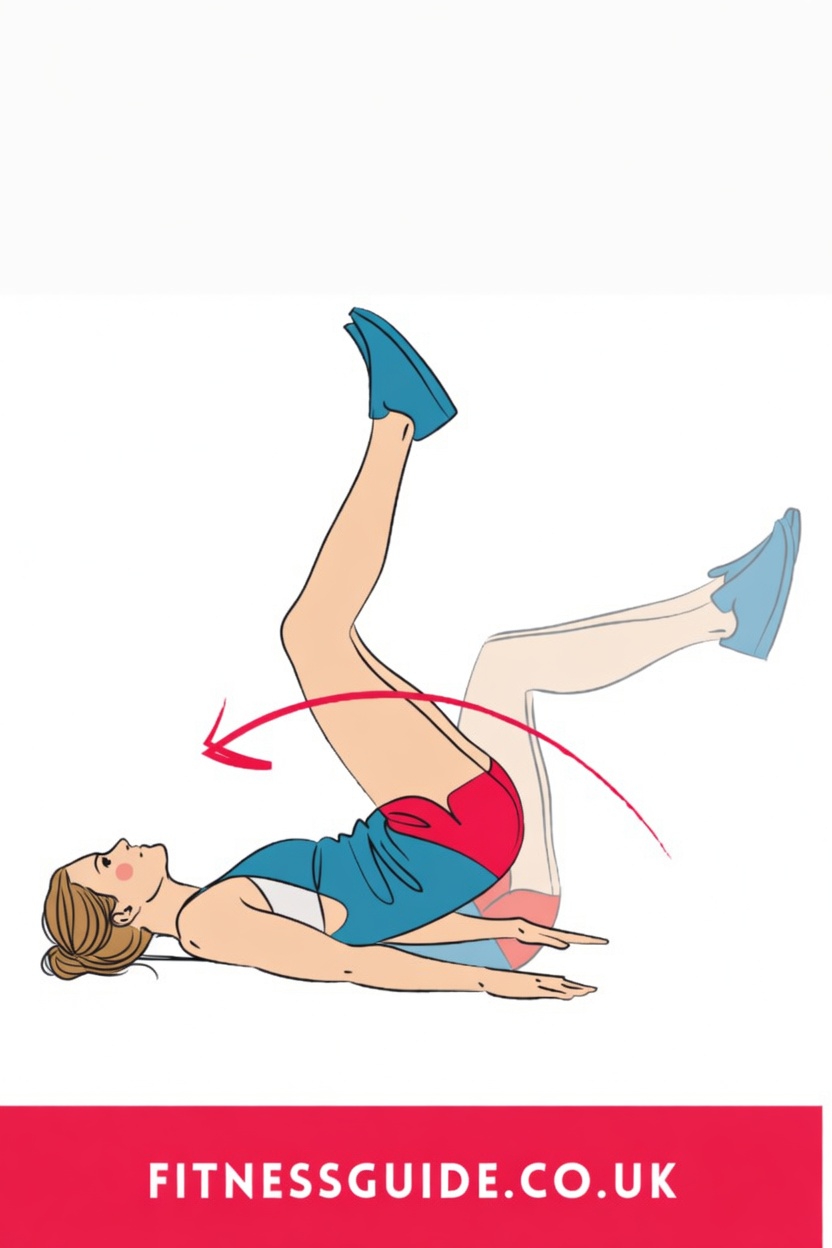
Crunch Variations to Build a Stronger Core
Each crunch variation offers a different challenge and can work your core in a slightly different way.
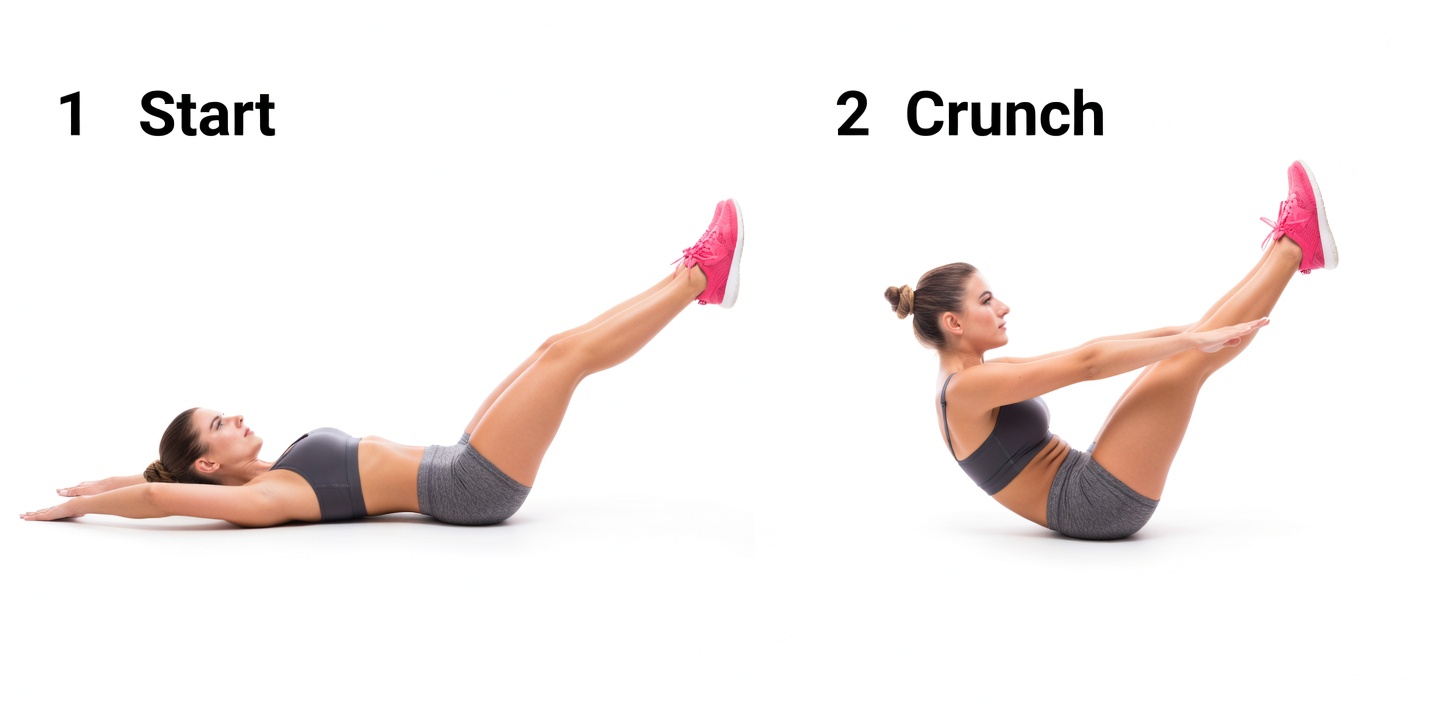
1. Bicycle Crunch
The bicycle crunch has been a favorite for years, and for good reason. It was ranked the best for strengthening both the rectus abdominis and the obliques.
How to do it
- Lie face-up with your lower back pressed into the mat.
- Tighten your abs by drawing your navel toward your spine.
- Place your hands behind your head without lacing your fingers.
- Bring your knees toward your chest and lift your shoulder blades off the mat.
- Straighten your right leg while turning your upper body to the left.
- Bring your right elbow toward your left knee.
- Focus on moving your rib cage, not just your shoulders and arms.
- Continue in a slow bicycle pedaling motion.
- Do 12 repetitions per side.
A common mistake is rushing through this exercise. If you move too fast, you are doing it the wrong way. Slow down, breathe deeply, and stay in control. This movement is more effective when done with intention.
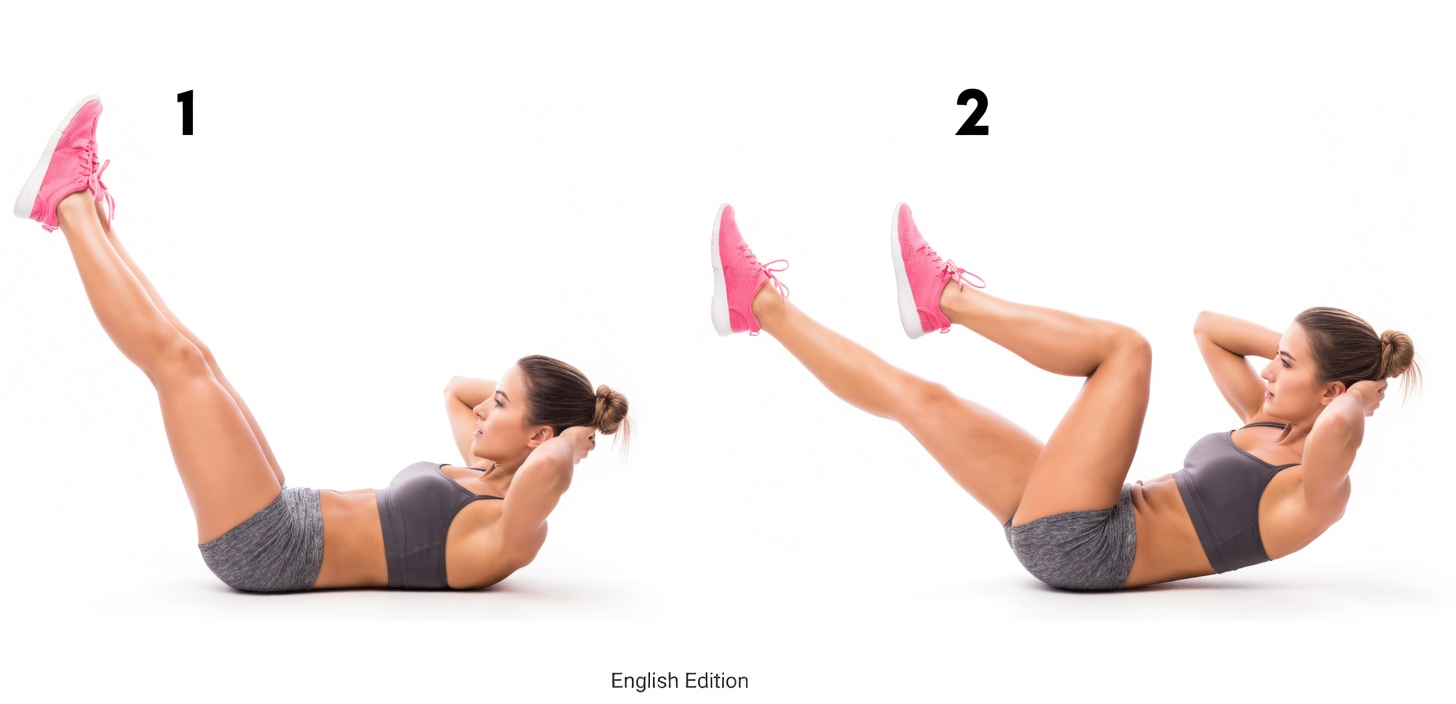
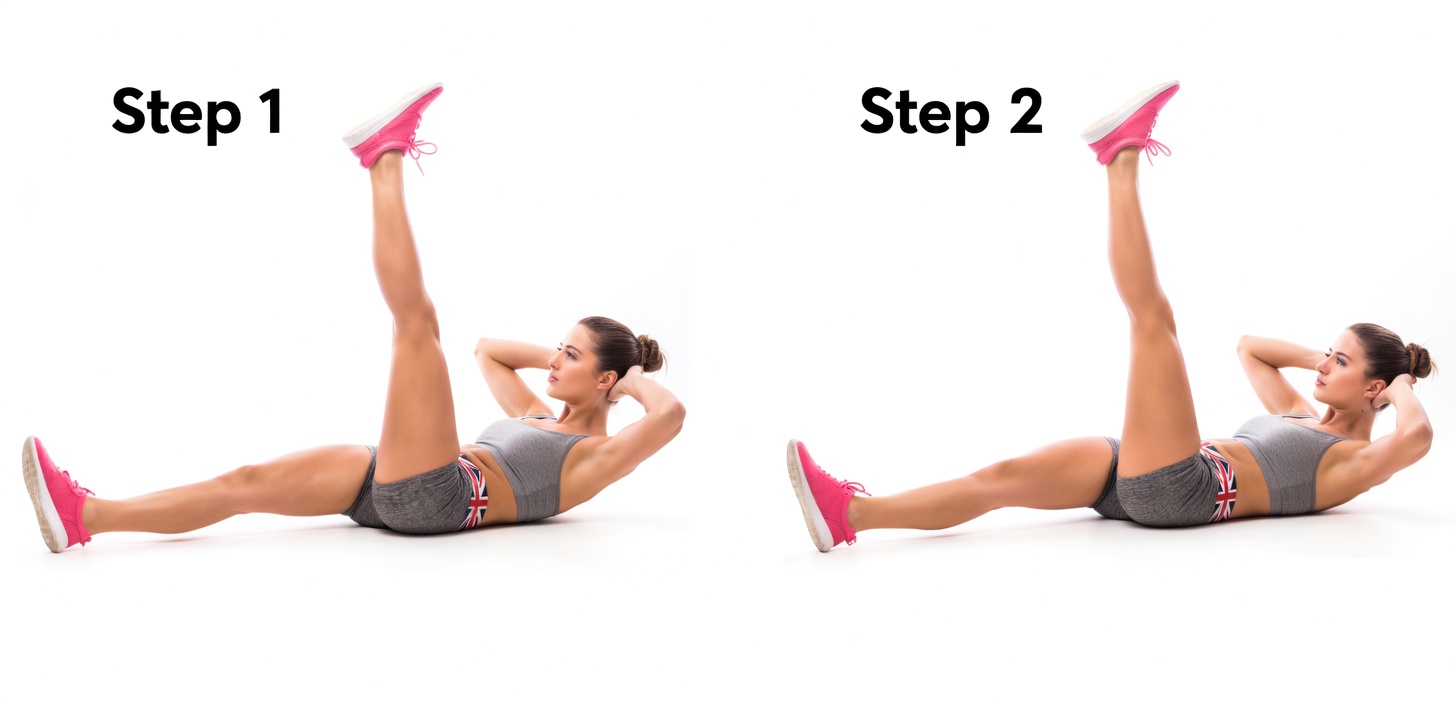
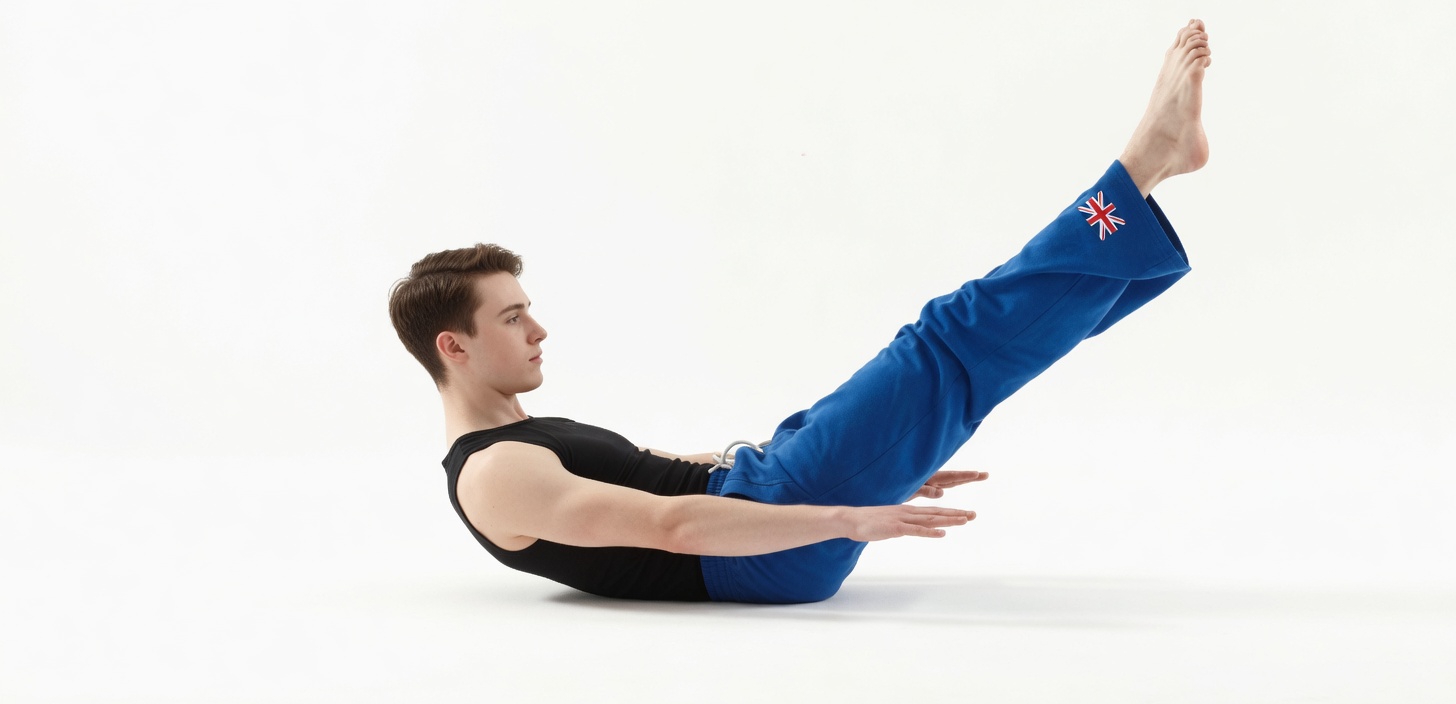
2. Scissors (Straight Leg Variation)
If you want to make the bicycle crunch harder, use the same idea but keep your legs straight.
The scissors variation works the:
- core muscles
- glutes
- quadriceps
- adductors
Your core muscles help you “flutter” your legs up and down. The four core muscles listed here are:
- rectus abdominis
- obliques
- transverse abdominis
- hip flexors
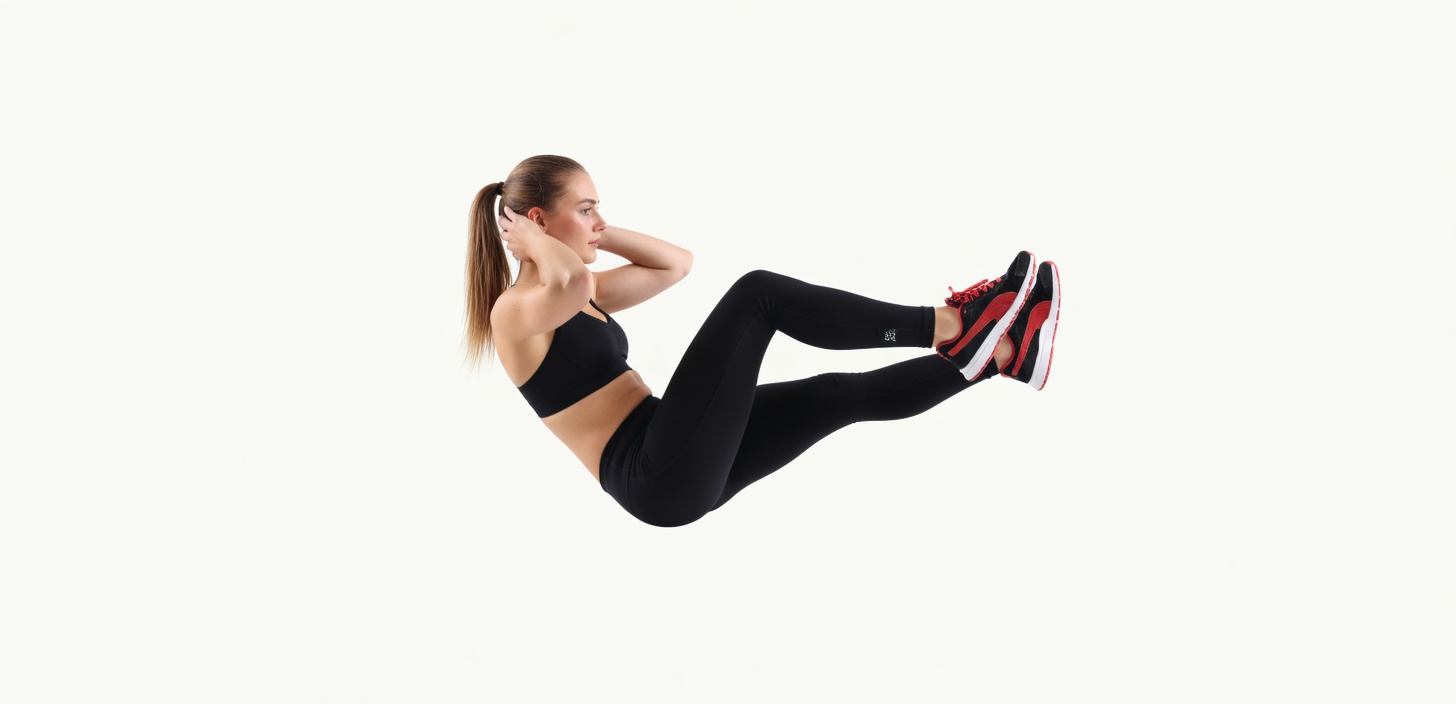
How to do it
- Lie face-up and brace your core by drawing your navel toward your spine.
- Use your abs to lift your upper body off the floor.
- Raise both legs off the floor.
- Lower your left leg while twisting your body to the right.
- Scissor your legs and turn toward the raised leg.
- Complete 10 to 12 repetitions per side.
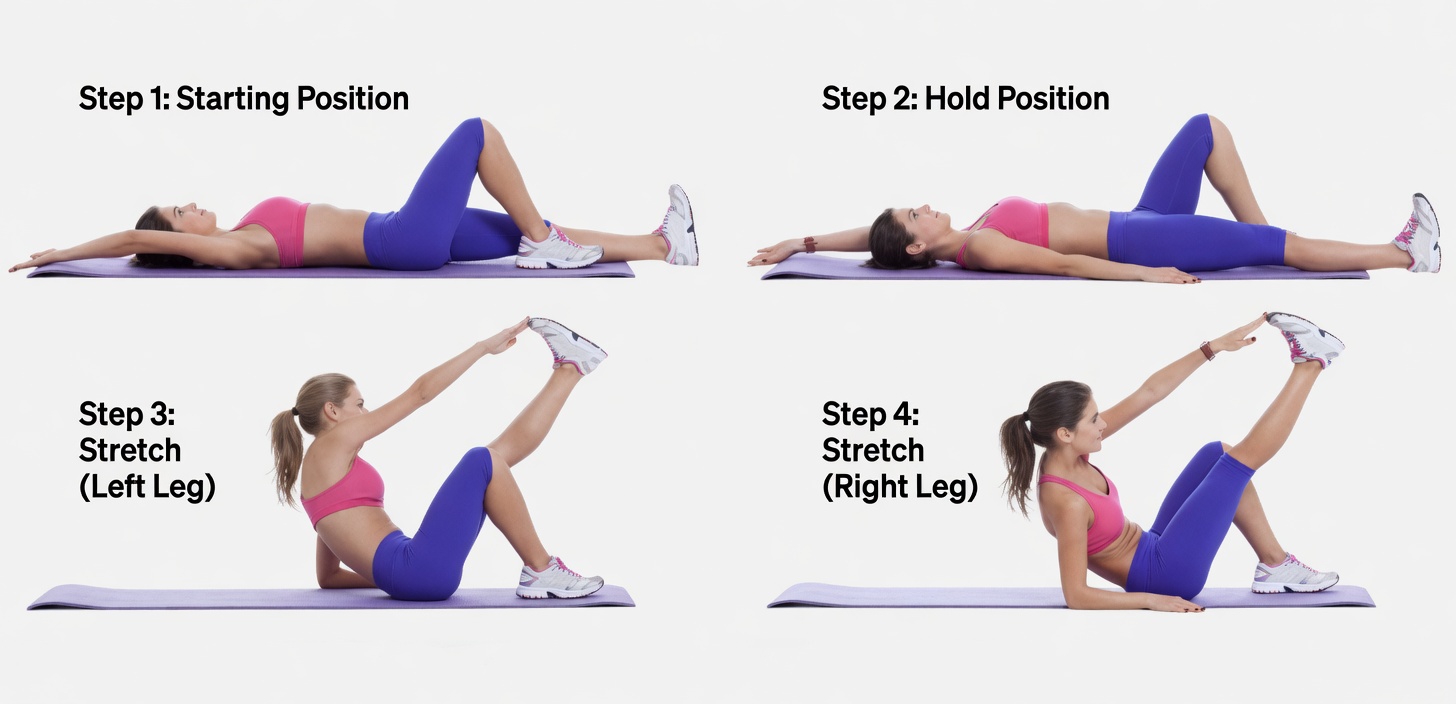
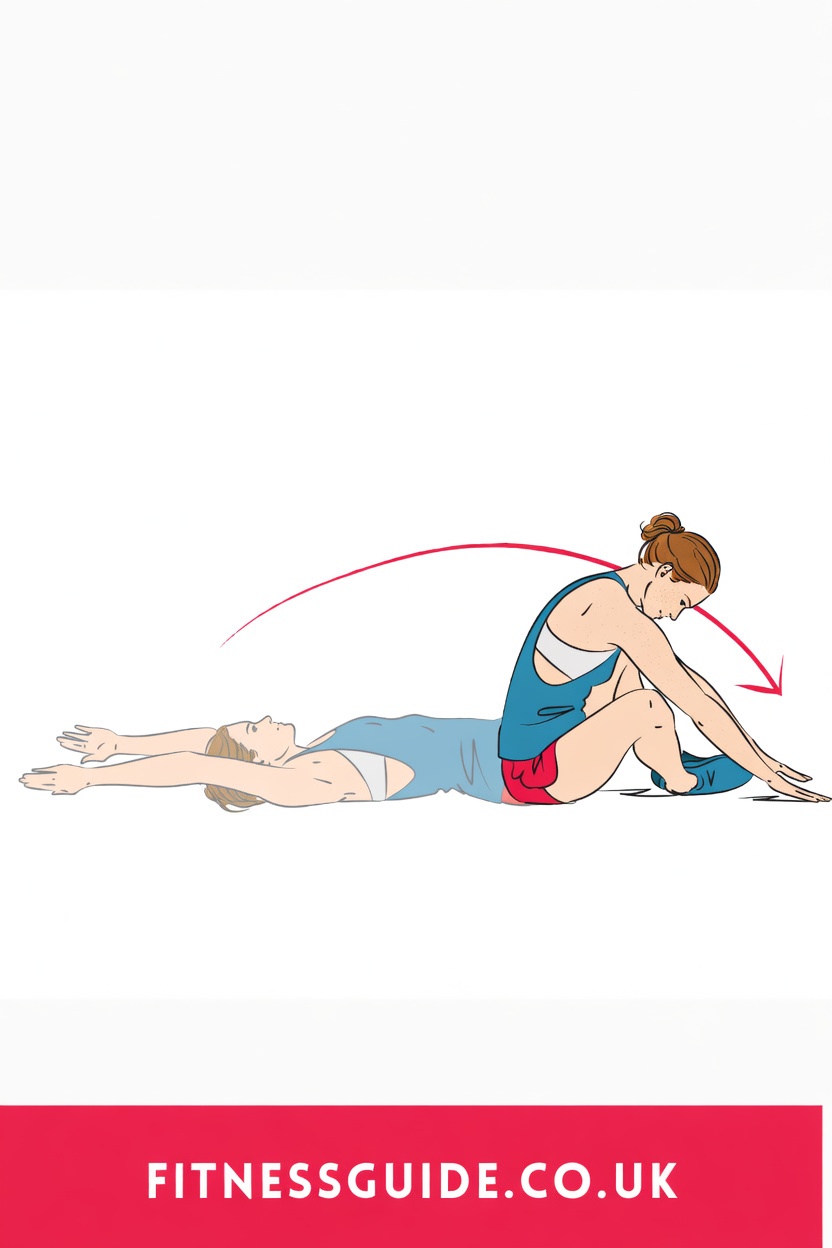
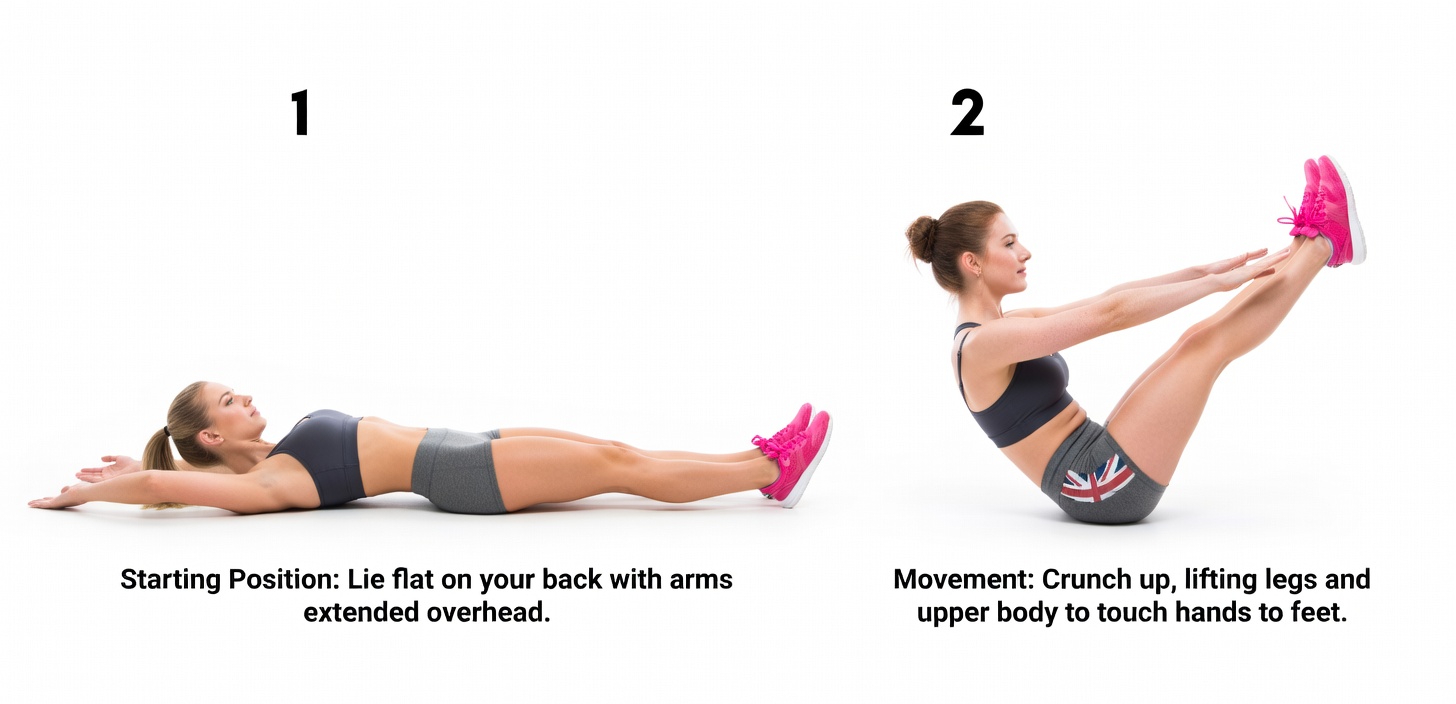
3. Cross Sit-Up
To increase the intensity again, try the cross sit-up. In this version, both your arms and legs stay straight.
How to do it
- Lie face-up in a neutral position.
- Extend your arms out to the sides so your body forms a T shape.
- Tighten your abdominals.
- Lift your right leg while twisting to bring the fingertips of your left hand toward your right toes.
- Return with control.
- Repeat on the other side.
- Do 12 repetitions on each side.
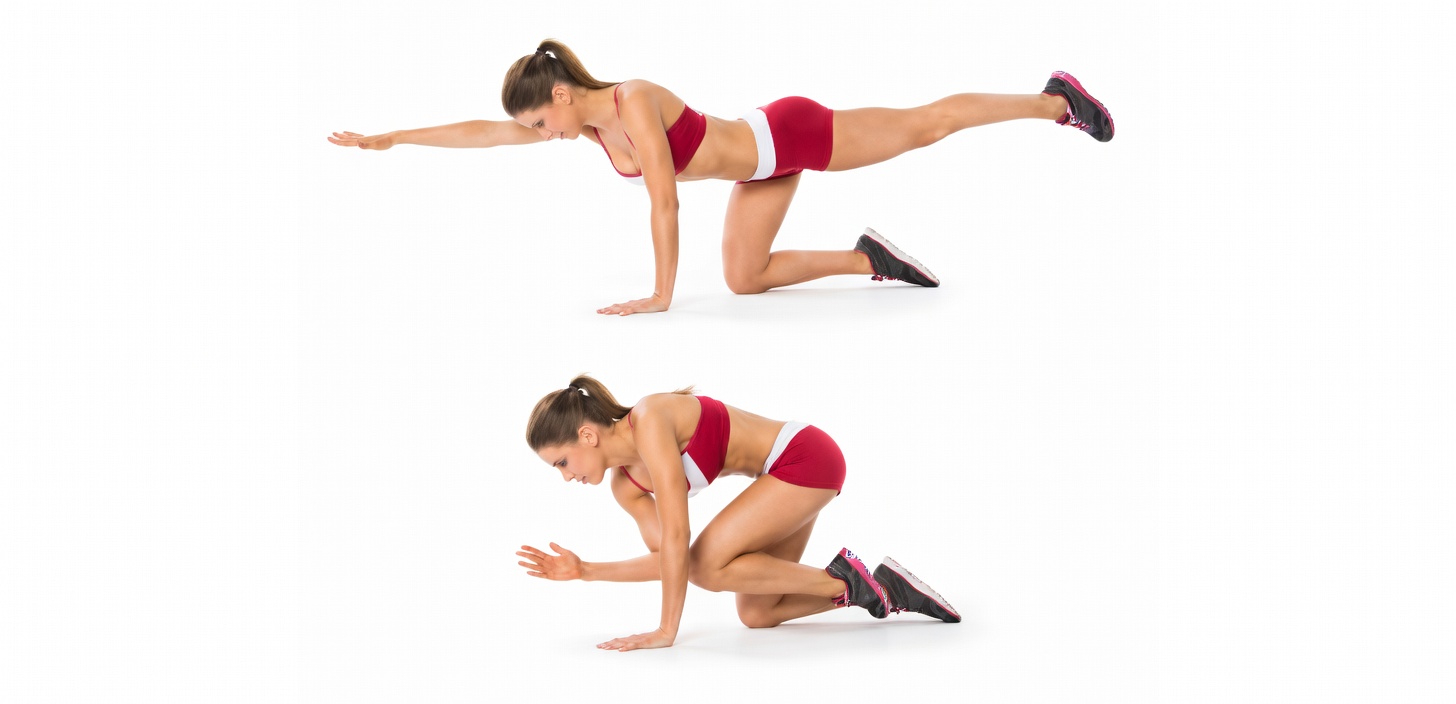
4. Crunch Clap
The crunch clap adds extra action to the movement because of the clap under the leg.
That makes it a good option for people who want more movement while also building core strength.
How to do it
- Lie face-up with your knees bent.
- Brace your core.
- Curl your shoulders toward your pelvis as you come up.
- Lift one leg and clap your hands underneath it.
- Lower the leg and switch sides.
- Continue alternating for 12 repetitions per side.
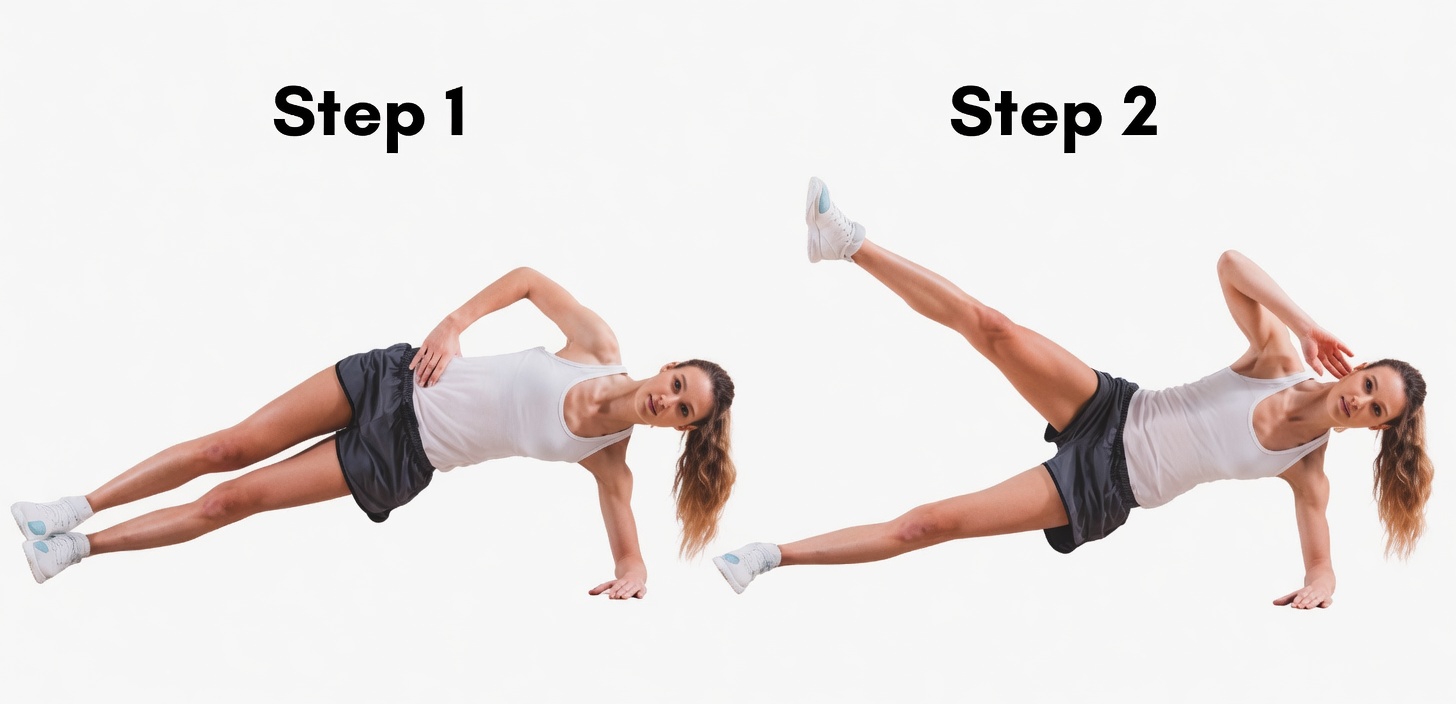
5. Side V-Crunch
The side V-crunch is especially useful for targeting the oblique muscles.
If your focus is the area often called love handles or a muffin top, this is a variation to include in that workout.
How to begin
- Lie on your right side.
- Place your right hand on the ground for support.
- Rest your left fingers gently behind your left ear.
- In one motion, lift your left leg off the ground and raise…
Why Crunches Deserve a Place in Your Routine
Crunches are simple, accessible, and effective. They can help you:
- strengthen the rectus abdominis
- work the obliques
- build core endurance
- train your abs without the larger range of motion used in sit-ups
- exercise almost anywhere without equipment
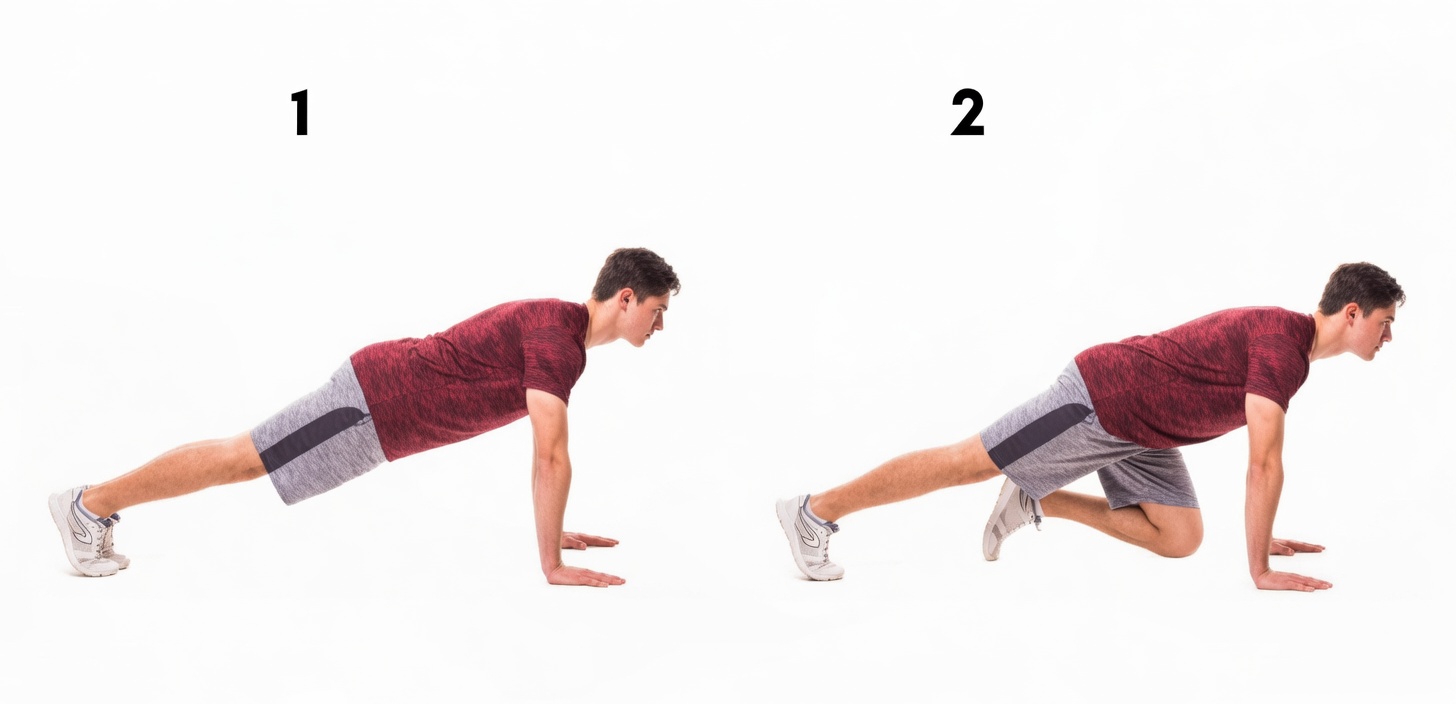
They also fit easily into a routine, whether you are using the basic crunch or trying more challenging versions like bicycle crunches, scissors, cross sit-ups, crunch claps, or side V-crunches.
A Simple Way to Get Started
If you are new to crunches, start with the basic version and focus on form before adding variations. Keep your movement controlled, maintain a neutral setup, and stop when your technique begins to slip.
Once the standard crunch feels comfortable, choose a few variations and cycle them through your ab workouts to keep your core challenged.
Consistency, control, and proper form can make this classic ab exercise a strong addition to your training plan.
Consult a healthcare professional before making changes.