Dwarf Mallow (Malva neglecta): An Underrated Medicinal Herb with Impressive Benefits
Dwarf mallow (Malva neglecta)—often called common mallow or cheeseweed—is a resilient plant that many people overlook as an ordinary weed. Yet for centuries, it has played an important role in traditional herbal medicine across temperate regions worldwide. As interest in natural remedies and plant-based wellness continues to grow, dwarf mallow is increasingly recognized for its therapeutic potential and everyday health uses.
What Is Dwarf Mallow?
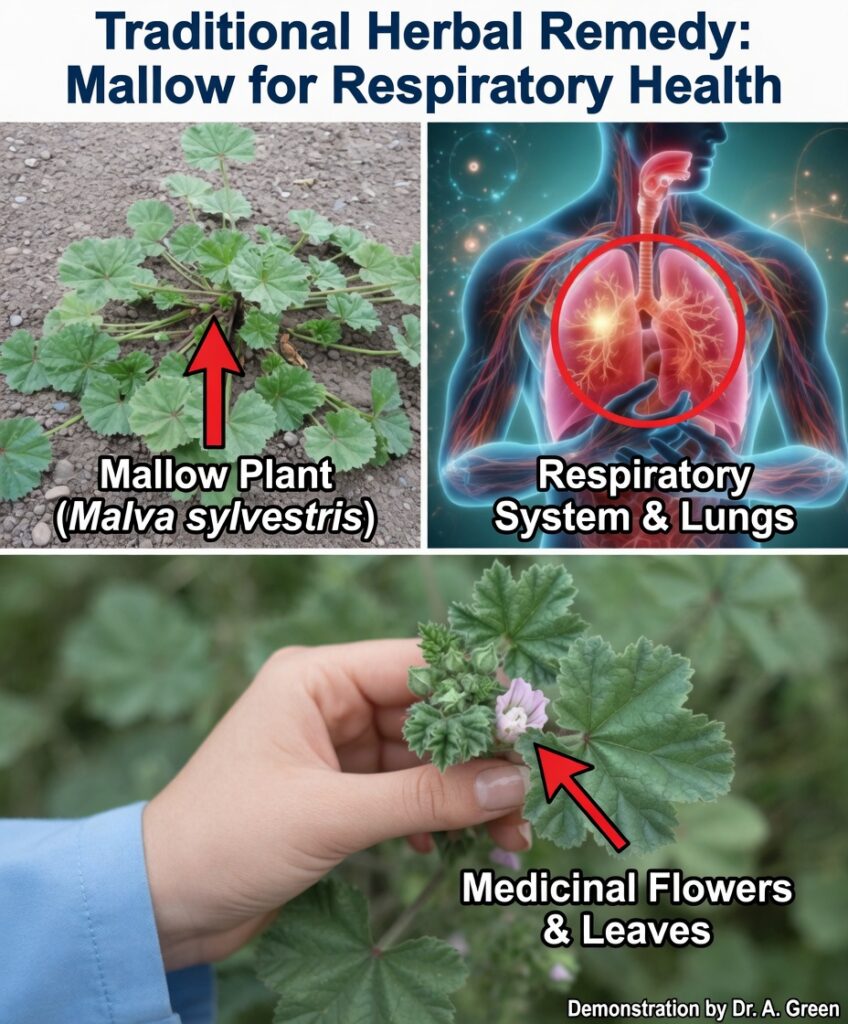
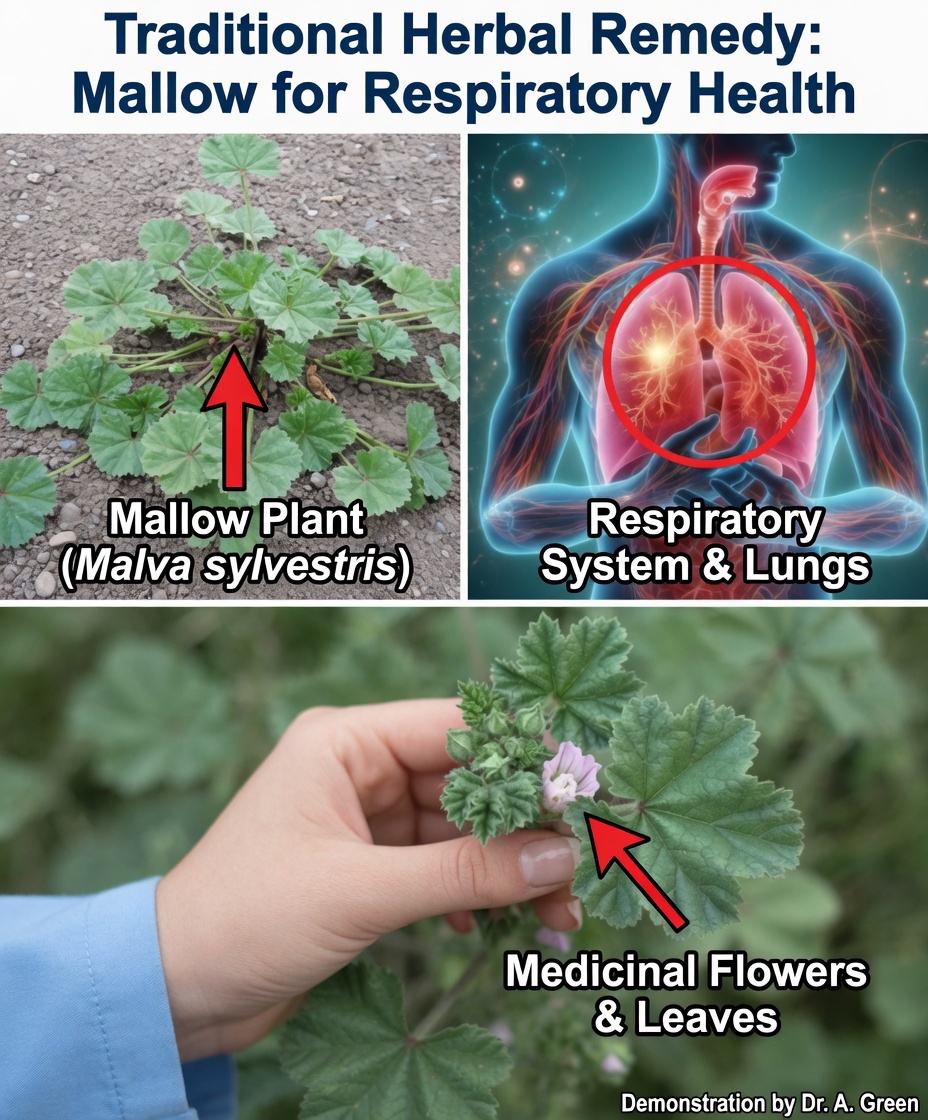
Known botanically as Malva neglecta, dwarf mallow is a tough, adaptable herb that frequently grows in disturbed soil, roadsides, gardens, and other “neglected” areas. It typically has:
- Rounded, soft leaves
- Small pink to purple flowers
- A low-growing, spreading habit
Although it’s commonly dismissed as a nuisance plant, dwarf mallow offers notable nutritional value and plant compounds that support holistic health practices.
Nutritional Value and Key Health-Supporting Compounds
Dwarf mallow contains a range of vitamins, minerals, and protective plant chemicals that contribute to overall well-being. Its most valued components include:
- Vitamins A, C, and K – important for immune function, healthy skin, and normal body maintenance
- Magnesium, calcium, and iron – essential for bone strength, muscle performance, and healthy circulation
- Antioxidants and anti-inflammatory compounds – help the body manage oxidative stress, support digestion, and promote skin comfort
A standout feature of dwarf mallow is its mucilage, a soothing, gel-like substance found in many calming herbs.
Traditional Uses of Dwarf Mallow in Herbal Medicine
Across generations, herbal traditions have used the leaves, flowers, and seeds of dwarf mallow for a variety of common complaints. Historically, it has been valued in three main areas:
1. Digestive Tract Support
Thanks to its mucilage content, dwarf mallow is traditionally used to coat and calm the digestive lining. It has been used to ease:
- Indigestion and stomach irritation
- Bloating and discomfort
- Constipation by promoting smoother bowel function
2. Respiratory Comfort
Dwarf mallow’s soothing and anti-inflammatory qualities have made it a classic herb for upper respiratory irritation. It has been used to support relief from:
- Coughs
- Sore throat irritation
- Bronchial discomfort, including bronchitis-related symptoms
The mucilage helps calm irritated airways, which is why mallow is often associated with gentle respiratory support.
3. Skin-Soothing and Wound Support
Traditional applications also include topical use to help with everyday skin issues. Dwarf mallow has been used to support:
- Relief for rashes and irritation
- Comfort for minor cuts and burns
- Reduced swelling and improved healing, aided by its antimicrobial and anti-inflammatory actions
Modern-Day Uses of Dwarf Mallow
Today, dwarf mallow has found a place in the growing market for herbal wellness products. It is commonly used in:
1. Herbal Tea and Infusions
Dwarf mallow leaves and flowers are frequently brewed into a mild, soothing tea. Herbal infusions are often chosen to:
- Support digestion
- Help the body manage inflammation
- Promote daily wellness with a gentle taste suitable for regular use
2. Skincare Formulas
Because it helps moisturize and calm the skin, dwarf mallow is now included in many topical products, such as:
- Creams and lotions for sensitive skin
- Ointments designed to comfort dryness or irritation
3. Dietary Supplements
With its nutrient profile and traditional digestive reputation, dwarf mallow is also sold in supplement form. These products are commonly marketed for:
- Immune support
- Digestive comfort
- Convenient daily use for people who prefer capsules or extracts over teas
Why Add Dwarf Mallow to Your Wellness Routine?
Dwarf mallow is often chosen for its practical benefits and versatility, including:
- A natural, plant-based option with no artificial preservatives by nature
- Multi-purpose support, especially for digestion, respiratory comfort, and skin care
- Easy daily use, whether as tea, skincare ingredients, or supplements
Conclusion: A Small Plant with Big Wellness Potential
Dwarf mallow (Malva neglecta) may look modest, but its long history in herbal medicine—and its soothing, nutrient-rich profile—make it a plant worth noticing. Whether you’re exploring natural ways to support digestion, ease respiratory irritation, or calm sensitive skin, this adaptable herb offers a wide range of traditional and modern uses. As more people seek gentle, nature-based wellness tools, dwarf mallow is gaining the attention it has quietly deserved for centuries.