Long-Term Kitchen Habits That Can Damage Your Plumbing
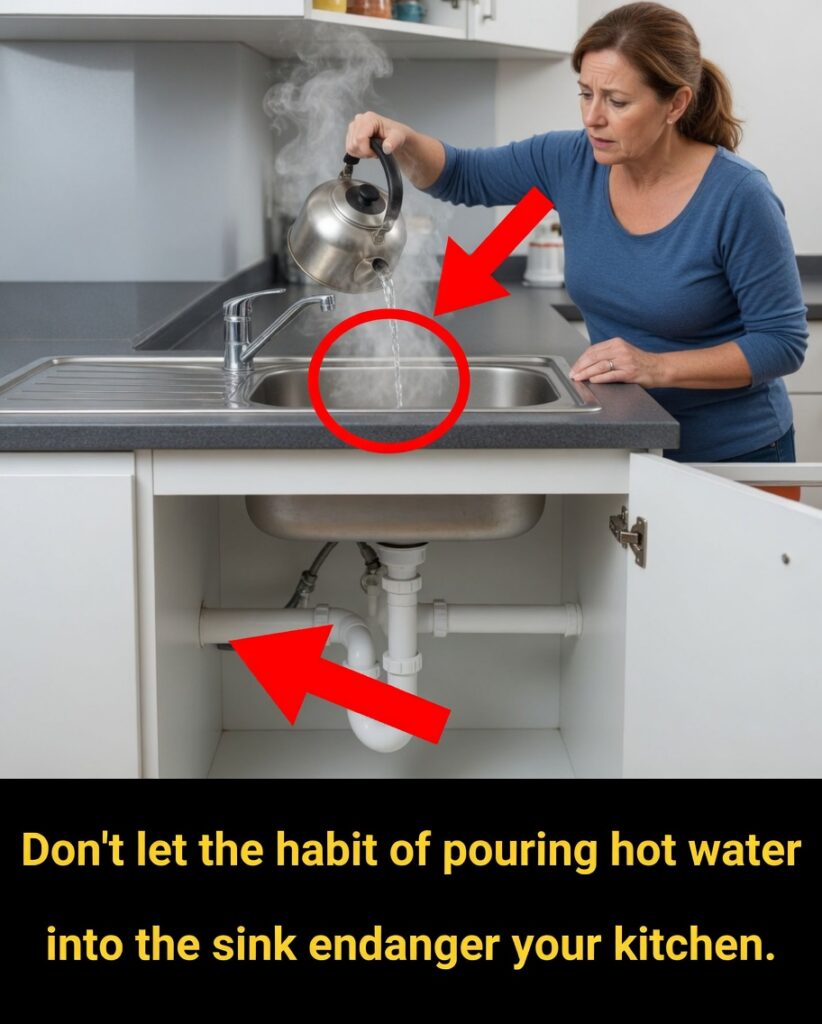
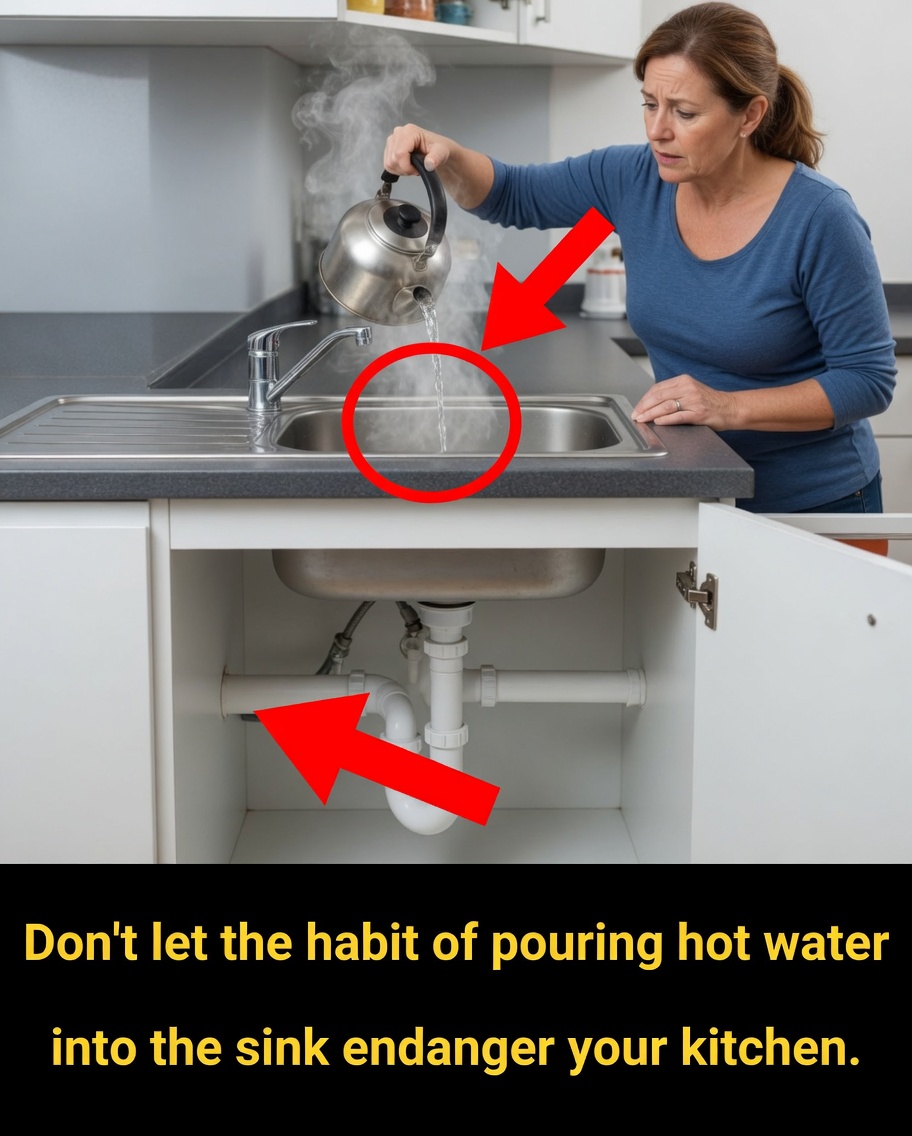
Small routines in the kitchen can have big consequences over time. One common example is pouring boiling or very hot water directly into the sink, which can quietly reduce the lifespan of your drain system if it happens regularly.
Many households do this without thinking—especially after boiling pasta, blanching vegetables, or cleaning greasy pans. Understanding the risks will help you protect your plumbing and avoid costly repairs.
Why You Should Avoid Pouring Hot Water Into the Sink
1. Faster Aging of Drain Pipes
Most kitchen drain pipes are made from plastic materials. While some plastics tolerate heat better than others, repeated exposure to very hot water can gradually weaken the pipe structure. Over time, this accelerates aging and shortens the expected service life.
Under normal conditions, drain pipes may last around 30–50 years. However, frequent contact with near-boiling water can significantly reduce that lifespan.
2. Warping, Cracking, or Serious Damage (Especially PVC)
Not all drain pipes are built to handle high temperatures. In many homes, pipes are made from PVC, which typically cannot withstand temperatures above about 60°C (140°F).
Meanwhile, water used for boiling or blanching is often close to 90°C (194°F). When that hot water flows into a temperature-sensitive pipe, it may:
- Warp or deform due to heat stress
- Crack over time, especially at joints or weak points
- In extreme cases, fail suddenly, potentially causing leaks that damage cabinets or nearby kitchen fixtures
Because pipe quality varies, the risk can be higher with lower-grade materials or older installations.
Practical Home Tips to Unclog a Sink Safely
1. Use Hot Water (Only If Your Pipes Can Handle It)
Hot water can help dissolve grease and residue inside the drain, but it should only be used if your plumbing is rated for high temperatures.
Before trying this method:
- Check whether your drain pipe material can safely tolerate 100°C (212°F) or higher.
- If it can, heat about 3 liters of water.
- Pour it carefully and steadily into the sink.
For long drain lines or stubborn grease buildup, you may need a larger amount of water. Repeat the process a few times to improve the result and help clear the blockage completely.
2. Use Sink Unclogging Tablets (Drain Cleaner Tablets)
Drain unclogging tablets are designed to react with water, producing heat and releasing chemicals that help break down organic waste and buildup that can cause clogs.
Many households use these products because they are:
- Fast and convenient
- Effective for kitchen sinks, and often for bathroom drains and toilets as well
Popular brands vary by market (for example: Hando, Sumo, Microphot, Korea, and others). To get the best outcome and avoid damage, always follow the instructions carefully and use the correct dosage.
3. Clean the Trap (Siphon) and Drain Pipe
The sink drain system usually includes a trap (siphon), which holds a small amount of water to block odors from coming back up. However, this section can also trap:
- Food scraps
- Grease
- Dirt and debris
When buildup becomes heavy—or when larger debris slips through—it can restrict flow and create persistent clogs.
A highly effective solution is to disassemble the drain pipe/trap and clean it manually:
- Remove the pipe section carefully.
- Rinse and scrub out trapped residue and debris.
- Reinstall it securely to prevent leaks.
Doing this occasionally helps keep your kitchen drain clear, reduces recurring blockages, and supports the smooth operation of your home drainage system.