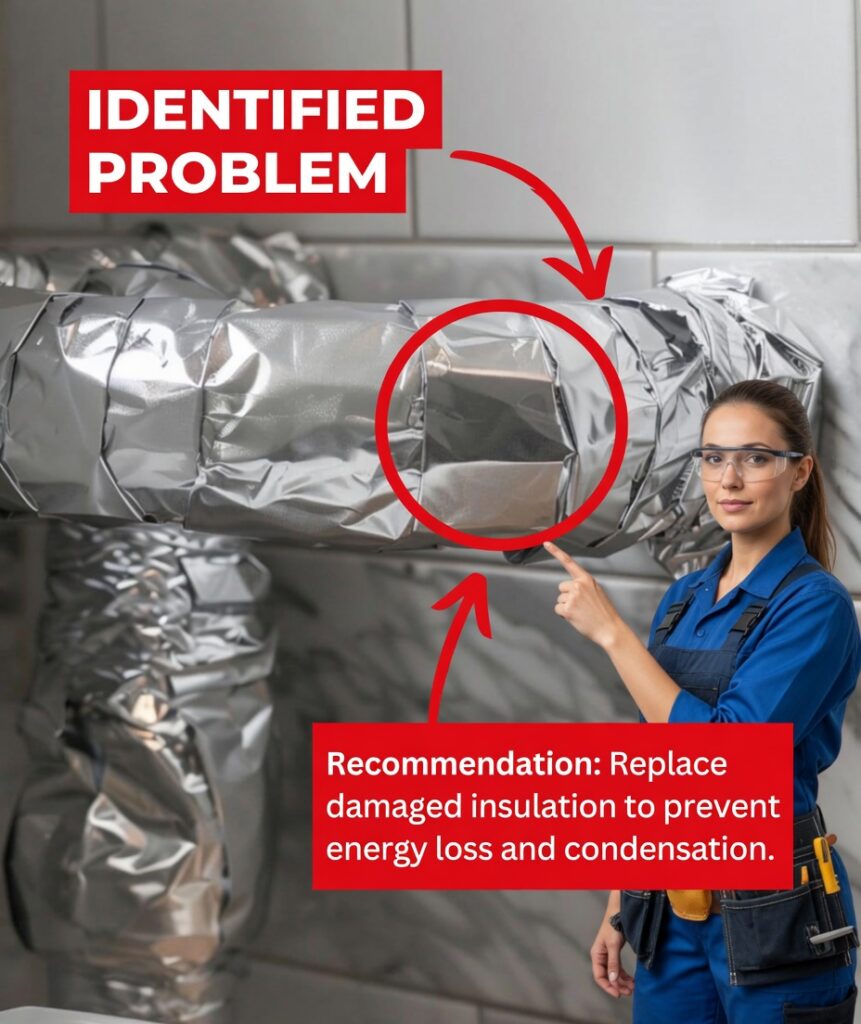
A Simple Bathroom Hack: Why Wrap Aluminum Foil Around Drain Pipes?
When my grandfather—someone full of hands-on, old-fashioned know-how—told me to wrap aluminum foil around bathroom drain pipes, I wasn’t sure what to think. It sounded odd, almost too simple to matter.
But once he walked me through the logic, it became clear: this quick DIY trick can offer a few practical benefits in the bathroom, especially in homes where pipes are exposed or hard to access. Below is a clear breakdown of why foil-wrapped pipes can help, plus how to do it properly.
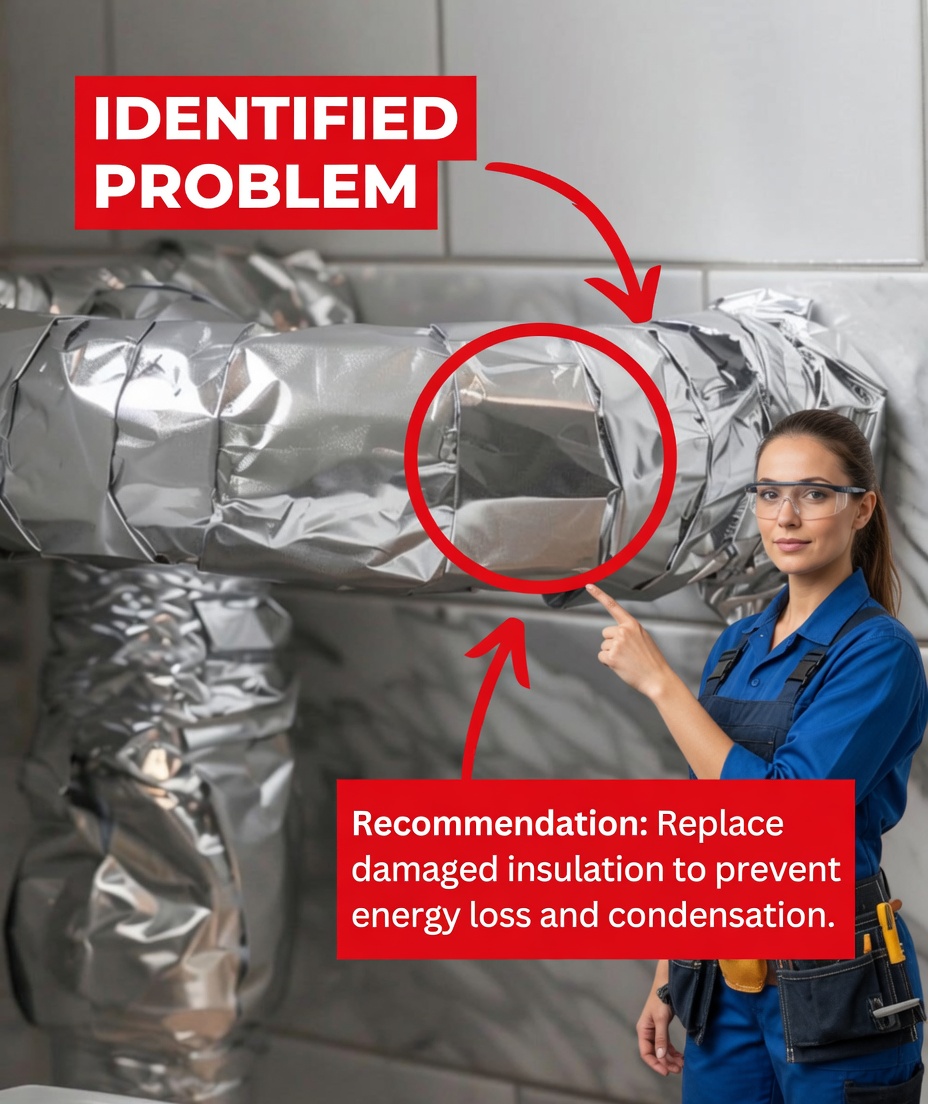
Why Aluminum Foil on Bathroom Pipes Can Actually Help
1) Helps Deter Rodents Around Plumbing
One common entry route for mice and rats is the area around plumbing lines. Rodents can climb and squeeze through surprisingly small gaps near drain pipes.
Aluminum foil may help discourage them because:
- The reflective surface can make the area feel unfamiliar or confusing
- The crinkly texture and sound is unpleasant for many pests
- It’s harder to grip and less appealing to chew compared with softer materials
While foil won’t replace professional pest-proofing, it can be a useful extra obstacle in problem spots.
2) Adds a Basic Insulation Layer
Foil can reflect heat and slow temperature changes around a pipe. Wrapping it around plumbing may help:
- Keep hot water pipes warmer for slightly longer
- Reduce heat loss in cooler rooms
- Provide a small added buffer in cold climates where pipes are at risk of chilling
It’s not the same as proper pipe insulation, but it can offer a quick, low-cost boost.
3) Reduces Condensation in Humid Bathrooms
Bathrooms often trap moisture in the air. When humid air hits cooler pipes, condensation can form—leading to dampness, corrosion, or rust over time (especially on metal pipes).
Foil can help by:
- Creating a barrier that reduces moisture settling directly on the pipe surface
- Reflecting heat and lowering the chance of heavy condensation buildup
How to Wrap Aluminum Foil Around Drain Pipes (Step-by-Step)
What You’ll Need
- Aluminum foil
- Scissors
- Duct tape (optional, for securing)
Steps
-
Clean and dry the pipe
Wipe away dust and moisture so the foil sits better and stays in place longer. -
Cut manageable sections of foil
Smaller sheets are easier to handle than one long piece, especially under a sink. -
Wrap the foil around the pipe
Start at one end and wrap with a slight overlap so the pipe is fully covered. Press the foil down to shape it tightly. -
Secure it if needed
If the foil loosens or the area is awkward to reach, use a small amount of duct tape on the ends to keep it from unwrapping.
Extra Benefits (and Important Limitations)
Budget-Friendly and Easy to Find
Aluminum foil is cheap, widely available, and doesn’t require special tools—making it a convenient option for quick plumbing-related tweaks.
Best as a Short-Term Fix
Foil wrapping is generally a temporary measure. For lasting results, consider:
- Installing proper pipe insulation sleeves
- Sealing gaps around plumbing with caulk or expanding foam
- Using long-term rodent exclusion methods if pests are a recurring issue
More Eco-Conscious Than Many Alternatives
Foil is recyclable, and using it for a practical household purpose can reduce waste—just be sure to recycle it correctly once it’s no longer usable.
A Reminder That Practical Tips Still Matter
My grandfather’s foil-on-pipes idea may not be common advice today, but it reflects a useful mindset: simple materials can solve everyday problems when used smartly.
If you have exposed bathroom drain pipes and a roll of foil nearby, this small step could help with pest deterrence, minor insulation, and moisture control—proof that uncomplicated solutions can still be surprisingly effective.