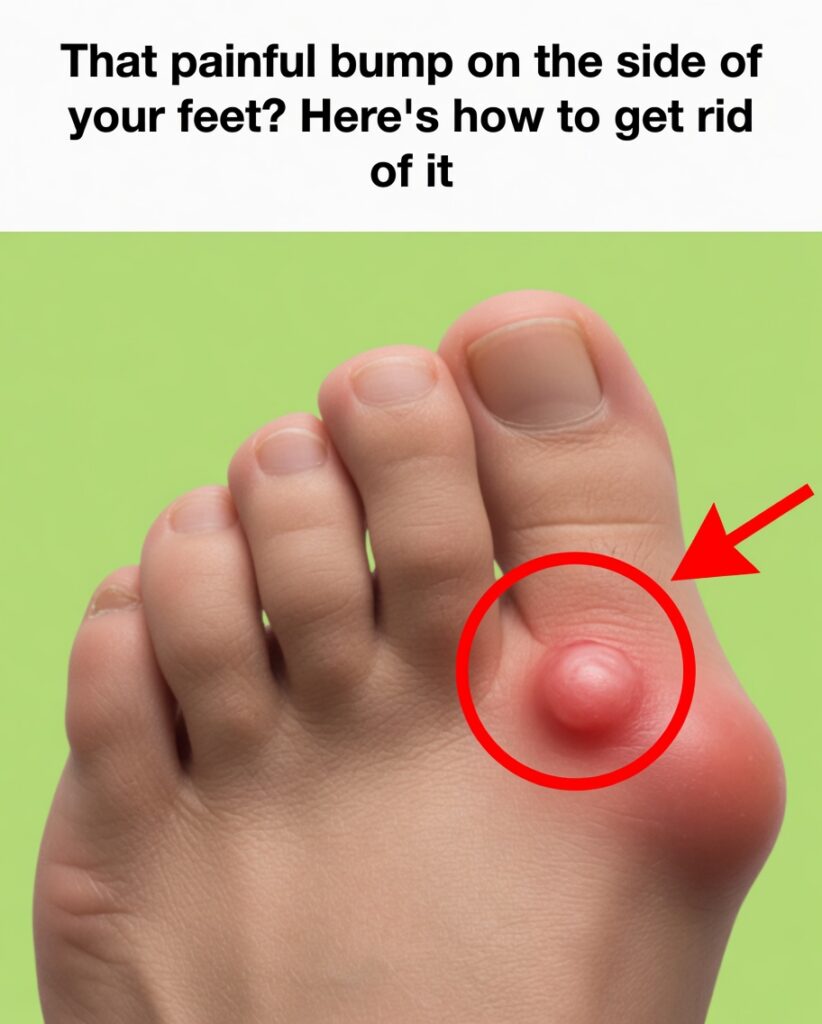
Hard bumps on the side of the foot can be irritating—especially when they make walking painful or shoes difficult to fit. If the bump sits near the base of your big toe, it may be a bunion.
What Is a Bunion?
A bunion (hallux valgus) is a bony protrusion that forms at the joint where the big toe meets the foot. It develops when the big toe gradually shifts toward the second toe, causing the joint to stick outward. Over time, this misalignment can lead to pain, swelling, stiffness, and even arthritis in the affected joint.
Some people are more likely to develop bunions due to inherited foot structure. However, footwear also plays a major role. Tight shoes, narrow toe boxes, and high heels can trigger bunions or make them worse. Without proper care, bunions typically progress, becoming more painful and limiting movement.
Common Signs and Symptoms of Bunions
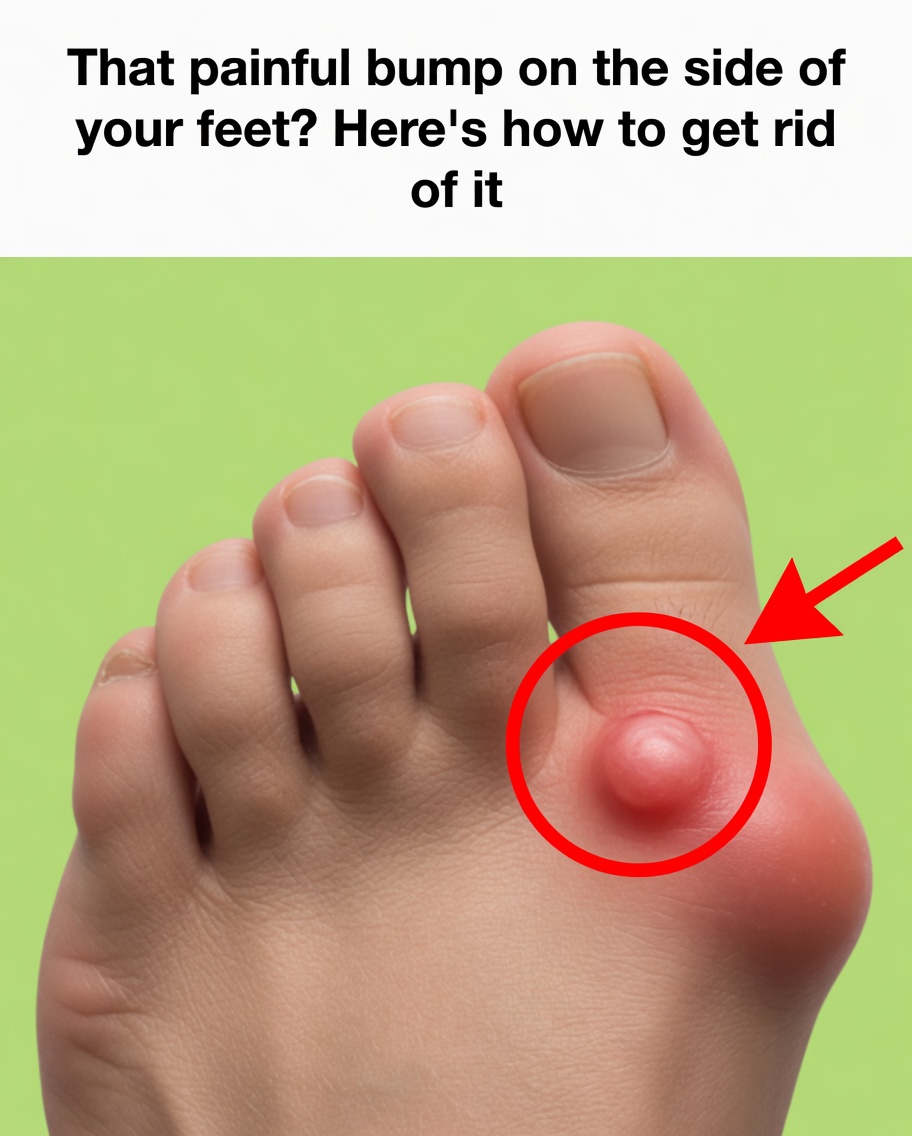
The most noticeable symptom is a visible bump on the side of the foot near the big toe joint. Bunions may also cause:
- Ongoing pain or tenderness around the joint
- Redness, swelling, or inflammation
- Reduced range of motion in the big toe, making walking or bending uncomfortable
- Corns or calluses from toes rubbing together due to misalignment
- Thickened skin under or around the big toe area
What Causes Bunions to Develop?
Bunions form when pressure is distributed unevenly across the foot—often due to foot mechanics, joint instability, or constricting footwear. Common risk factors include:
- Genetics: A family history of bunions increases your risk, especially if you inherit a foot shape prone to misalignment.
- Poor-fitting shoes: Narrow shoes and high heels can push the big toe inward and strain the joint over time.
- Arthritis: Conditions like rheumatoid arthritis may increase bunion risk by weakening and inflaming joints.
- Foot injuries: Trauma to the foot can contribute to joint changes that lead to bunion formation.
- Flat feet or abnormal gait: Poor foot alignment can create extra pressure on the big toe joint, encouraging bunion growth.
How to Manage Bunions (and When Removal Is Needed)
A bunion cannot be permanently corrected without surgery, but many treatments can reduce pain, slow progression, and improve daily comfort.
1. Choose Supportive, Wide-Toe Shoes
Footwear is often the first and most important change. Shoes that squeeze the toes can worsen symptoms, while supportive options may help reduce irritation and limit progression. Look for:
- A wide toe box so toes can spread naturally
- Low heels (or no heels) to reduce pressure on the front of the foot
- Cushioned insoles for shock absorption and comfort
2. Try Bunion Pads, Toe Spacers, or Orthotics
Over-the-counter tools can relieve pressure and friction:
- Bunion pads cushion the bump and reduce rubbing against shoes.
- Toe spacers help separate toes and reduce overlap.
For more persistent pain or walking difficulty, a podiatrist may recommend custom orthotics to improve foot alignment, support the arches, and decrease stress on the big toe joint.
3. Reduce Pain and Swelling
For mild to moderate symptoms, common approaches include:
- Over-the-counter pain relief (such as ibuprofen or acetaminophen) to ease discomfort and inflammation
- Ice packs applied for 10–15 minutes to reduce swelling and numb pain
- Topical anti-inflammatory gels or creams for targeted relief during flare-ups
4. Do Toe and Foot Exercises
Gentle exercises can support flexibility and strengthen the muscles around the joint, which may help slow worsening:
- Big toe stretch: Gently guide the big toe toward a straighter position and hold for about 10 seconds; repeat several times daily.
- Towel scrunches: Use your toes to pull a towel toward you to strengthen foot muscles.
- Toe circles: Rotate the big toe in slow circles to reduce stiffness and improve mobility.
5. Use a Bunion Splint (Especially at Night)
A bunion splint is typically worn during sleep to keep the big toe in a straighter position. It won’t eliminate the bunion, but it may reduce discomfort and help slow progression for some people.
6. Corticosteroid Injections (For Severe Inflammation)
If pain becomes intense and doesn’t respond to other treatments, a clinician may recommend a corticosteroid injection to reduce inflammation and provide temporary relief. This option is generally used when conservative care is not enough.
7. Bunion Surgery (Bunion Removal)
When bunions become severely painful, limit daily activities, or fail to improve with non-surgical care, bunion surgery may be the best solution. The goal is to realign the bones and soft tissues and reduce the bump.
Common surgical options include:
- Osteotomy: The surgeon cuts and repositions the bone to correct toe alignment.
- Exostectomy: The bony bump is removed (often combined with osteotomy rather than used alone).
- Arthrodesis: The joint is fused to reduce pain in advanced cases, especially when arthritis is severe.
Recovery can take weeks to several months, depending on the procedure. It often involves a special shoe or cast, gradual return to activity, and sometimes physical therapy. While surgery can be highly effective, it’s usually considered after conservative treatments because of recovery time and potential risks.
How to Help Prevent Bunions
Bunions aren’t always avoidable—especially with a strong genetic component—but you can reduce your risk and slow progression by:
- Wearing shoes with a roomy toe box and limiting high heels
- Using orthotics if you have flat feet or known alignment issues
- Taking regular breaks if you stand for long periods, reducing pressure on the toe joints
- Maintaining a healthy body weight to decrease stress on the feet
Conclusion
Bunions are a common foot condition that can affect comfort, mobility, and quality of life. In many cases, proper footwear, protective pads, and toe-strengthening exercises can ease symptoms and help prevent worsening. For advanced or persistent pain, bunion surgery may be necessary. Addressing bunions early and staying consistent with foot care can help you stay active and protect long-term foot health.