Muscle Loss After 50: Why It Happens and 9 Strength Exercises to Help
As the years go by, the body changes in many ways. One of the most common shifts is a gradual loss of muscle mass. This age-related process is called sarcopenia, and it often starts in your 40s and 50s before continuing later in life.
Losing muscle can make everyday movement harder over time. Simple tasks like standing up, sitting down, and staying steady during daily activities may become more challenging if strength declines.
Why Muscle Loss Happens With Age
Sarcopenia is a natural part of aging, but that does not mean you are powerless against it. Muscle loss tends to develop as we get older, and without regular strength-focused movement, the effects can build over time.
The good news is that exercise can help limit these effects, especially resistance training. In some cases, it may even help you regain muscle and improve strength during your 50s and beyond.
The Solution: Strength Training After 50
If your goal is to stay fit, strong, and independent, adding the right resistance exercises to your routine can make a big difference. The following movements target major muscle groups and support strength for everyday life.
Do these exercises regularly to build and maintain your strength in your 50s and beyond.
1. Squats
Squats work many of the muscles in the lower body. They are also highly practical, since we use this movement pattern when we stand up, sit down, and do many everyday tasks.
How to perform:
- Stand with your feet about hip-width apart.
- Bend your knees and lower your buttocks toward the floor.
- When you reach the bottom of your range, stand back up.
- Complete 10–12 reps per set for 3 sets.
2. Bridges
The glutes are one of the body’s most important muscle groups. These muscles help keep us upright and allow us to create force when needed. Bridges focus on the glutes and help keep them strong at any age.
How to perform:
- Lie on your back with your knees bent and feet flat on the floor.
- Press your feet into the floor and lift your buttocks off the ground.
- Hold the contraction for 3 seconds.
- Slowly lower back down.
- Perform 10–15 reps per set for 3 sets.
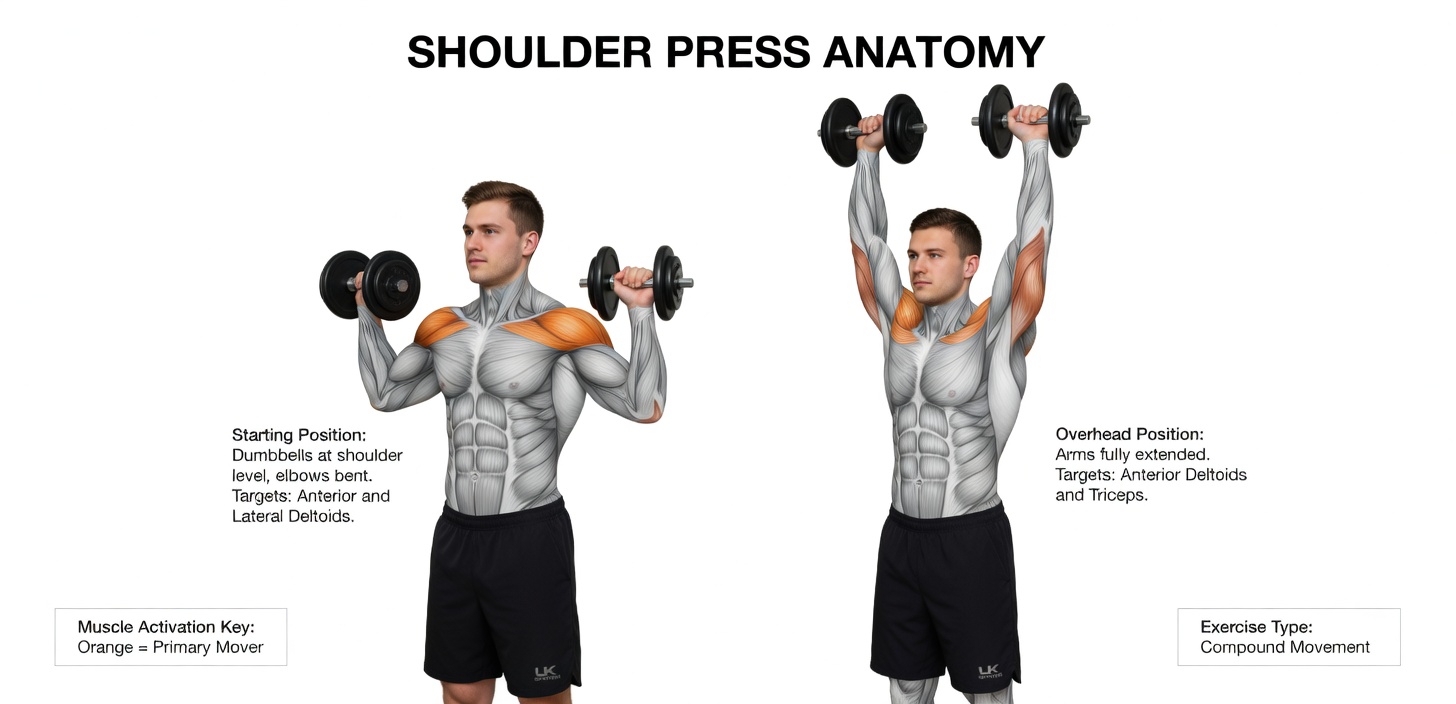
3. Standing Shoulder Press
This overhead pressing movement helps build strength and stability in the shoulders. It mainly targets the deltoids, triceps, and other important upper-body muscles.
How to perform:
- Stand with one dumbbell in each hand.
- Hold the dumbbells at shoulder level with palms facing forward, or facing each other if preferred.
- Press the weights upward toward the ceiling.
- Lower them back to the starting position.
- Perform 10–12 reps per set for 3 sets.
4. Bodyweight Rows
Bodyweight training can be especially useful for maintaining independence later in life. If a fall happens, the ability to pull or push yourself back up is important. This exercise works the biceps, lats, and several back and shoulder muscles.
How to perform:
- Hold onto a doorway, bar, or suspension strap with both hands.
- Walk your feet forward until your body is parallel to the ground.
- Pull your chest toward the bar while keeping your back straight.
- Slowly lower yourself back down.
- Repeat for 10–15 reps per set for 3 sets.
5. Planks
Planks are an isometric exercise that helps strengthen the core. They can also be adjusted to make them easier or harder based on your current fitness level.
How to perform:
- Place your forearms on the ground with elbows directly under your shoulders.
- Keep your toes on the ground and your feet close together.
- Maintain a flat spine while tightening your abdominal muscles.
- Hold for 30 seconds.
- Repeat 4 times per session.
6. Press-Ups
Press-ups, also called push-ups, have been a go-to exercise for generations. They train the chest, triceps, and several shoulder muscles. This is another functional movement used often in daily life.
How to perform:
- Place your hands on the ground, or on an elevated surface to make the movement easier.
- Keep your toes on the ground with legs extended and feet about hip-width apart.
- Lower your chest slowly toward the ground.
- Push back up to the starting position.
- Perform 10–12 reps per set for 3 sets.
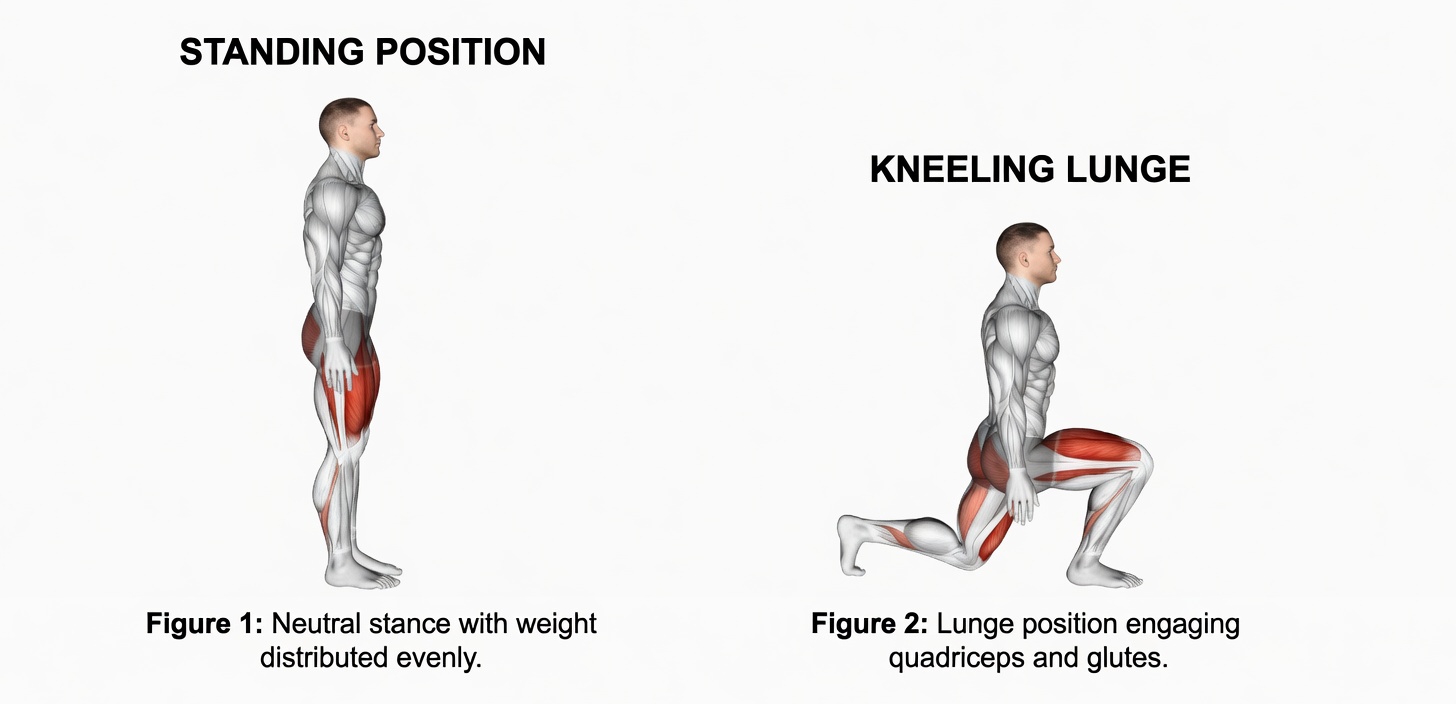
7. Lunges
Like squats, lunges are excellent for developing lower-body strength. They also add a balance challenge and train one leg at a time.
How to perform:
- Stand with your right leg forward and your left leg a few feet behind you.
- Bend your right leg and lower your left knee slowly toward the ground.
- Stand back up when you reach the bottom of your range.
- Perform 10–12 reps per set for 3 sets.
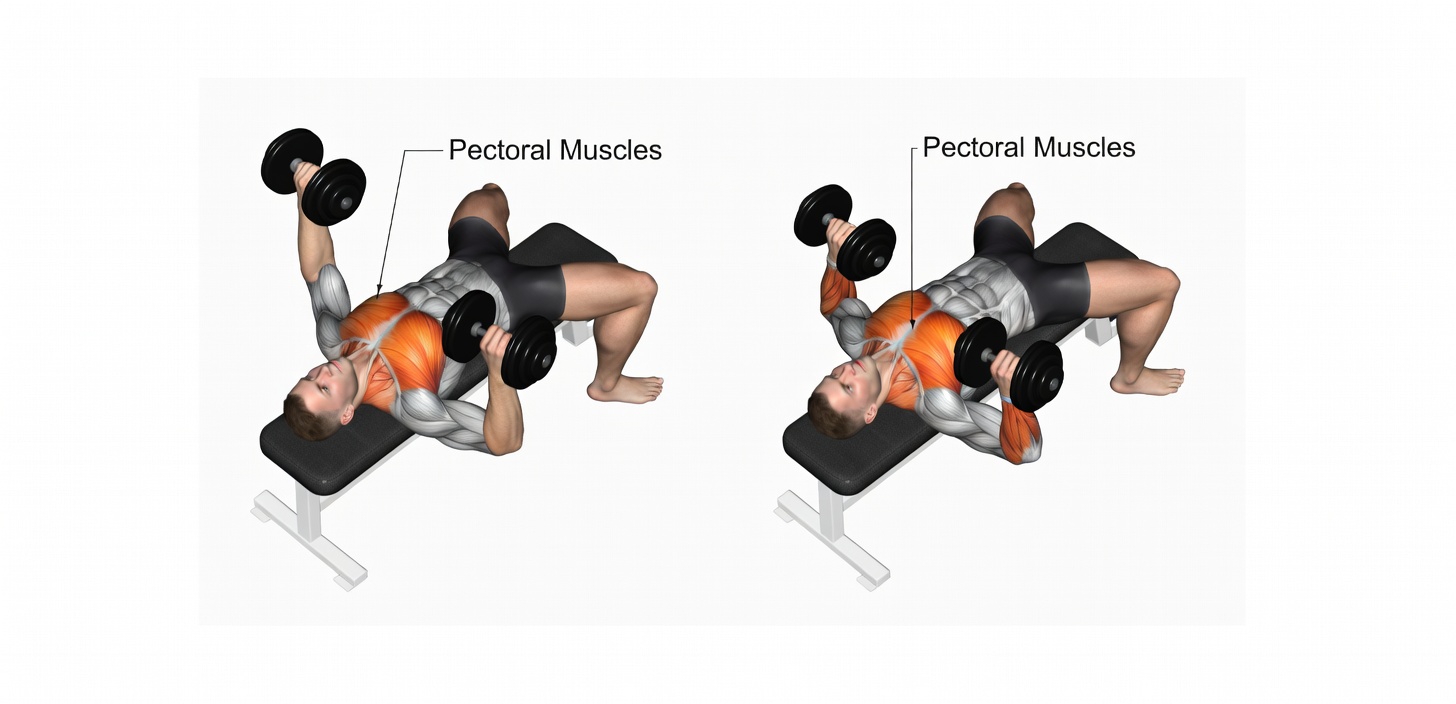
8. Bench Press
The bench press trains many of the same muscles as the push-up, but in an open-chain way. Because the hands are free to move, this can increase stabilizer muscle involvement and make the exercise more challenging and effective.
How to perform:
- Lie flat on a bench with one dumbbell in each hand.
- Press the weights up toward the ceiling.
- Slowly lower them back to your chest.
- Perform 10–12 reps per set for 3 sets.
9. Band Anti-Rotations
Band anti-rotations are a helpful way to improve core stability. This move works the obliques and shoulders, which can support better function in day-to-day life.
How to perform:
- Stand holding the band with both hands, facing perpendicular to the band.
- Make sure the band has tension.
- Press outward and resist being pulled into rotation.
- Perform 10–12 reps per set, per side, for 3 sets.
Build Strength and Stay Active After 50
Putting these exercises together into one workout can help you increase strength while pushing back against the effects of aging. Try to do this routine 2–3 times per week for the greatest benefit.
The key is to start now. Resistance training can help you stay strong, capable, and active in your 50s and beyond.
Consult a healthcare professional before making changes.