A Closer Look at McDonald’s McCafe Drinks
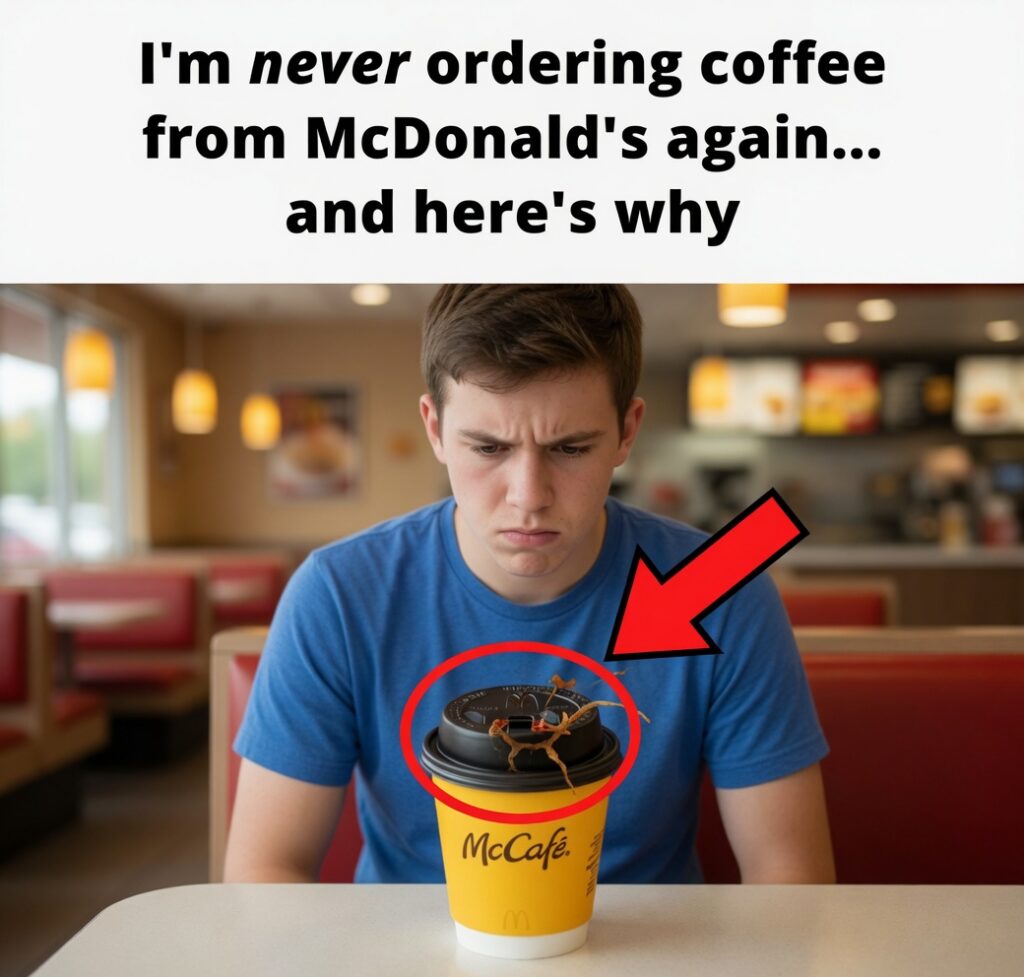
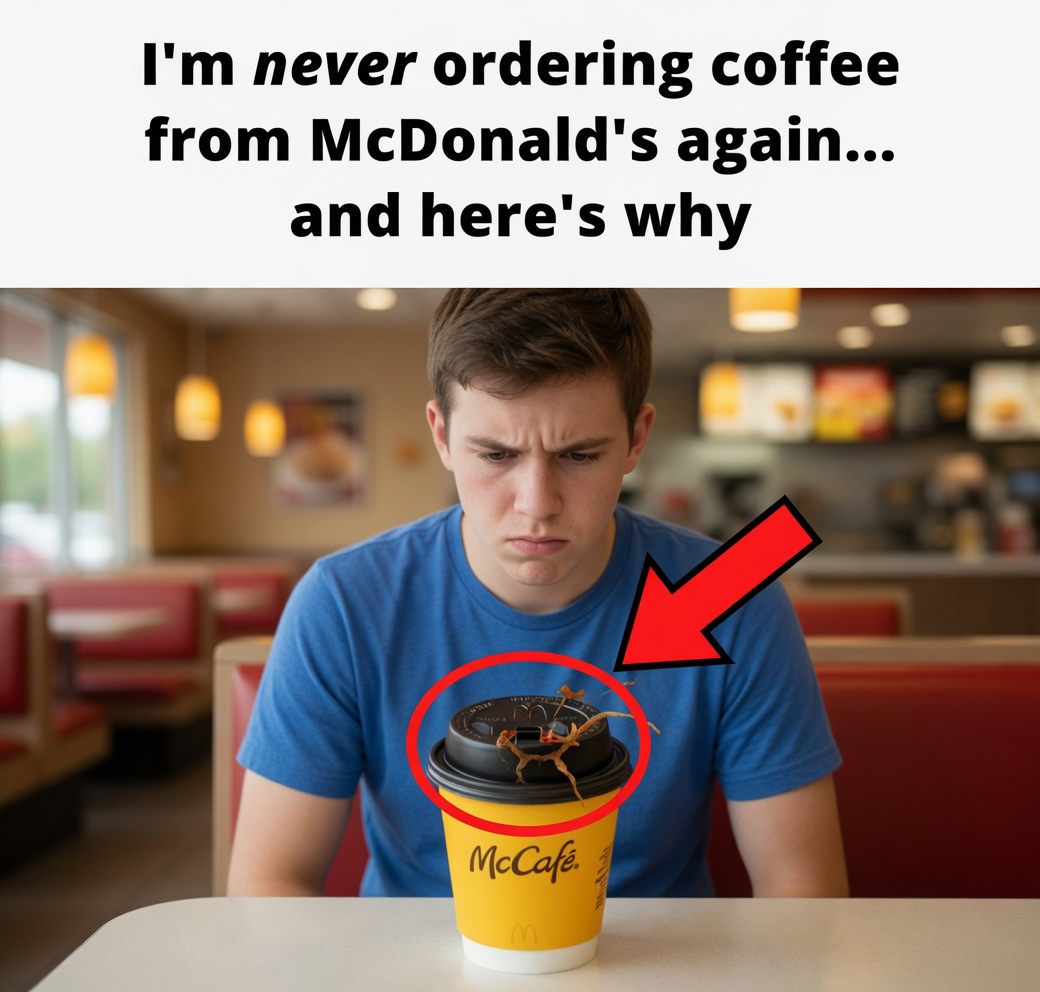
For many people, McDonald’s is the go-to choice for fast, familiar food and drinks. But before you pick up your next McCafe coffee, it may be worth considering reports that raise serious questions about McCafe machine cleanliness and the potential impact on customer safety.
Employee Reports Raise Hygiene Concerns
According to anonymous accounts shared by McDonald’s employees, some McCafe machines are allegedly left without proper cleaning for long periods. These reports describe equipment containing heavy buildup inside—one claim even mentions “5+ inches” of uncleaned liquid collecting in internal components. Employees say that even when concerns are brought to management, action is not always taken quickly or consistently.
If these allegations are accurate, customers may be drinking beverages made with equipment that hasn’t been sanitized to an acceptable standard—creating avoidable health risks.
Why Maintenance Can Fall Apart in Busy Locations
A key issue highlighted in these reports is the lack of consistent training and clear maintenance routines. Cleaning McCafe machines is not always simple: it may require specific tools, step-by-step procedures, and staff who know how to disassemble and sanitize parts correctly. When teams are rushed, understaffed, or not trained thoroughly, machine maintenance can easily become inconsistent.
This puts frontline employees in a difficult position and makes it harder to guarantee that every drink is prepared under hygienic conditions.
Cleanliness Varies Across Restaurants
Not every McDonald’s location is the same. Some restaurants reportedly follow strict cleaning schedules and treat McCafe equipment maintenance as a priority. However, the larger concern is inconsistency across the chain. When sanitation standards differ widely from one restaurant to another, customers cannot easily know whether the machine behind the counter is well-maintained.
To protect consumers and reduce risk, standardized cleaning protocols and stronger oversight are essential.
Explore Alternative Coffee Options
McDonald’s has recently pushed to strengthen its McCafe brand and compete more directly in the coffee market by offering budget-friendly drinks compared with major coffee chains such as Starbucks. However, concerns about dirty McCafe machines undermine that goal and highlight how crucial hygiene is to any brand aiming to build credibility in the coffee space.
For consumers who want peace of mind, it may be smart to approach McCafe beverages cautiously—especially if you notice signs of poor cleanliness at a specific location. Choosing reputable coffee shops with visible sanitation practices and consistent quality control can be a safer alternative.
What McDonald’s Needs to Do Next
To rebuild confidence and reduce potential health hazards, McDonald’s would need a more proactive, system-wide response, such as:
- Stronger employee training focused on coffee machine sanitation
- Clear, enforceable cleaning schedules for all McCafe equipment
- Routine inspections and documentation to ensure compliance
- Better support from management to address issues promptly
By making hygiene a non-negotiable standard across all locations, McDonald’s can better protect customers and improve the overall McCafe experience.
A Wake-Up Call for the McCafe Brand
As competition in the coffee market grows, customer trust depends on more than price and convenience—it depends on cleanliness, safety, and transparency. The reports about neglected McCafe machines serve as a warning that brand reputation can be damaged when sanitation is treated as optional.
McDonald’s now has a choice: ignore these concerns and risk further backlash, or take decisive action and become known for safe, reliable coffee service. Consumers, meanwhile, should prioritize quality and hygiene and avoid compromising health for convenience.