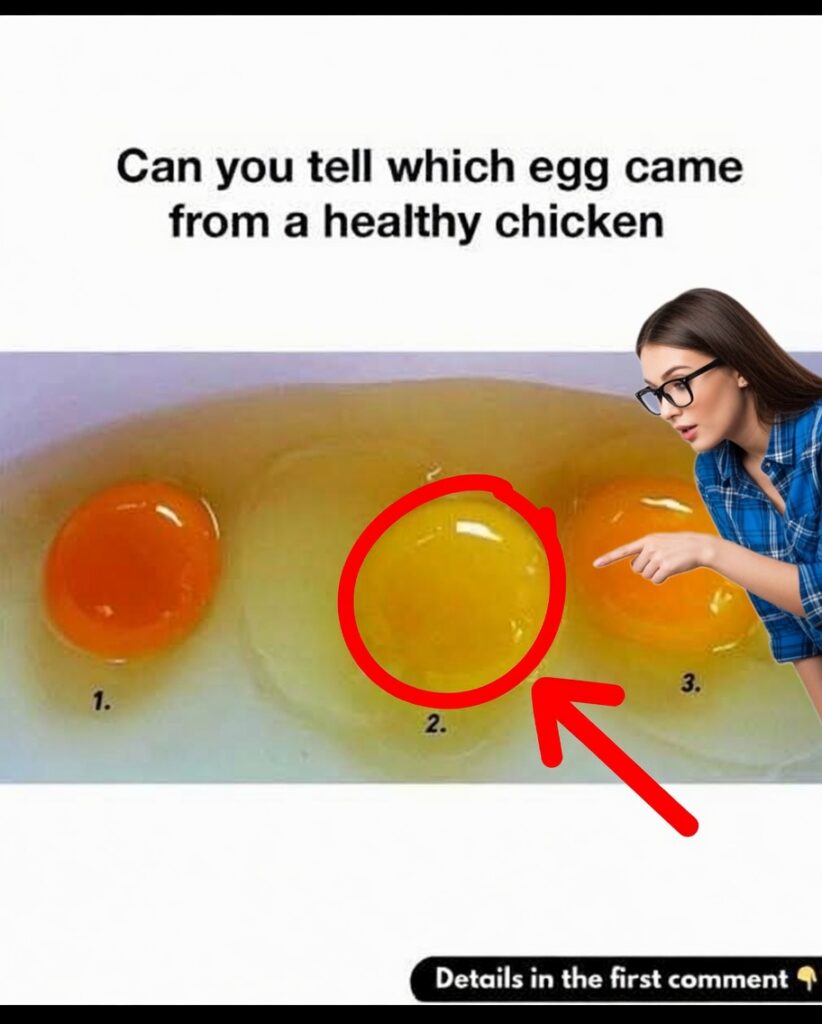
Can You Tell Which Egg Came from a Healthy Chicken? A Guide to Identifying Quality Eggs
Eggs show up in kitchens worldwide because they’re affordable, flexible, and naturally nutrient-rich. Still, egg quality can vary widely, and a big part of that comes down to the hen’s health, diet, and living environment. If you want to choose better eggs, here are the most reliable signs to look for once you get them home (and a few helpful buying tips, too).
1. Yolk Color: What It Can (and Can’t) Tell You
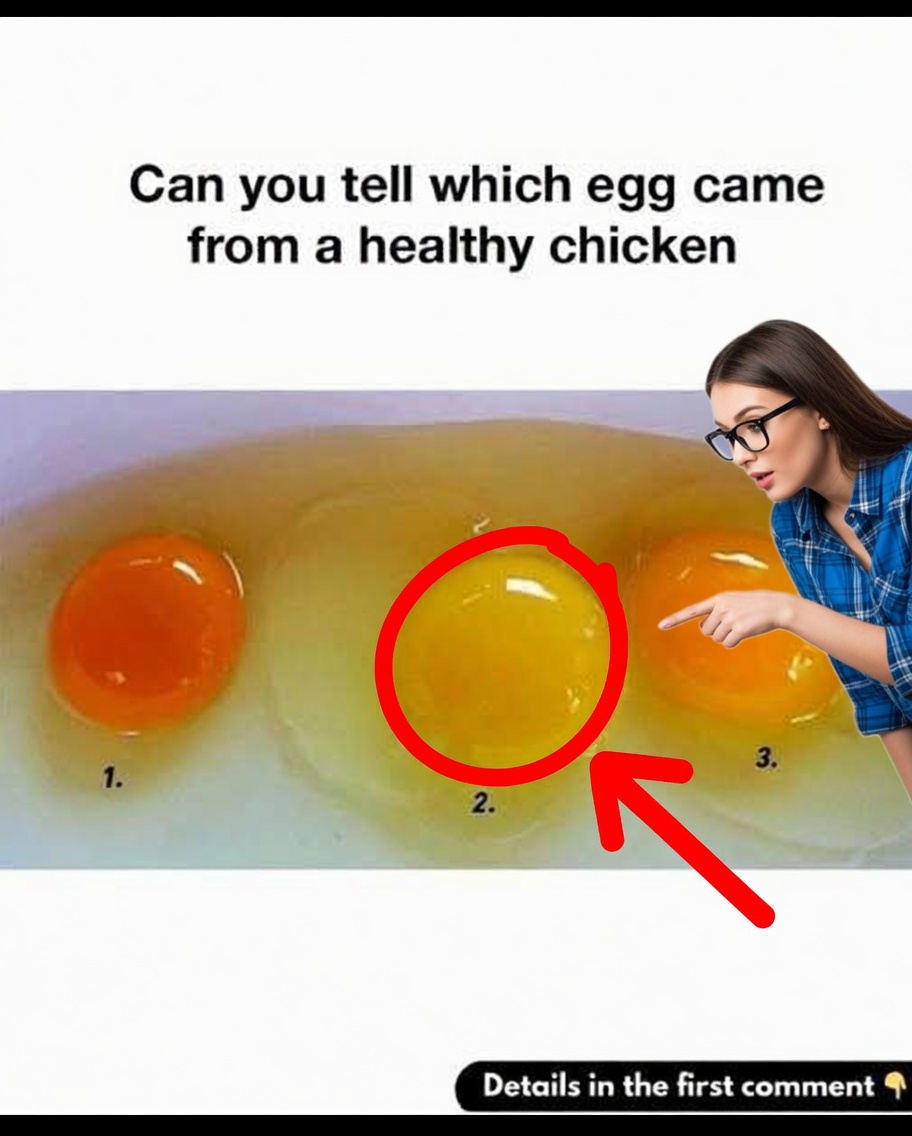
One of the first things people notice after cracking an egg is the yolk color. Eggs from healthy, pasture-raised hens often have yolks that look deep golden or orange. That color usually comes from a more natural diet—greens, seeds, and insects—containing plant pigments like carotenoids.
By comparison, eggs from hens raised on a mostly grain-based feed may produce paler yellow yolks.
Quick takeaway: A darker yolk often suggests a more varied, nutrient-dense diet and can be linked with higher levels of fat-soluble vitamins like A, D, and E, plus beneficial fats such as omega-3s (depending on feed).
2. Eggshell Strength: A Clue to Nutrition and Stress
A strong shell is more than convenience—it can indicate good hen nutrition. Eggs from well-cared-for chickens commonly have thicker, sturdier shells, which may reflect adequate calcium and mineral intake.
Thin, fragile, or easily cracked shells can point to:
- Mineral deficiencies (especially calcium)
- High stress or poor housing conditions
- Health issues affecting shell formation
Simple test: Tap two eggs together gently. A solid shell tends to sound sharper and more “crisp,” while a weaker shell often gives a duller sound.
3. Egg White Thickness: A Strong Sign of Freshness and Quality
The egg white (albumen) is one of the best indicators of overall egg quality. When you crack a high-quality, fresh egg onto a flat plate, the white should look thick and cohesive, staying close to the yolk rather than flooding outward.
If the white is thin and watery, it may indicate:
- An older egg (albumen naturally thins over time)
- A stressed or poorly nourished hen
- Lower overall freshness
What to look for: A rounded, elevated yolk surrounded by a firm, gel-like white is typically a great sign.
4. Egg Size and Shape: Consistency Matters
Egg size varies by breed and age, but eggs from healthy hens are often fairly uniform in both size and shape. Eggs that are frequently misshapen, unusually small, or irregular may suggest problems such as stress, illness, or nutritional imbalance.
Buying tip: Choose cartons with eggs that look consistent and evenly formed—it’s often a marker of stable conditions and good flock management.
5. Hen Living Conditions: Labels That Often Signal Better Eggs
The hen’s environment strongly influences egg quality. Chickens with access to space, sunlight, and natural behaviors generally produce eggs that many consumers consider superior in taste and texture.
When shopping, look for labels such as:
- Pasture-raised
- Free-range
- Organic
These terms can indicate improved living standards, though definitions vary by country and certification body.
Practical advice: If possible, buy from a trusted local farm or brand that clearly explains its animal welfare and feeding practices.
6. Smell and Taste: Your Final Quality Check
Fresh eggs from healthy chickens typically have a clean, mild aroma and a richer flavor. A strong sulfur-like odor or unpleasant smell can signal spoilage, while bland flavor may come from lower-quality feed, poor freshness, or storage issues.
Storage tip: Keep eggs refrigerated and aim to use them within 3–4 weeks of purchase for best taste and performance.
Conclusion: How to Choose Better Eggs with Confidence
If you want eggs that are more likely to be nutritious, flavorful, and high quality, pay attention to:
- Yolk color (often tied to diet variety)
- Shell thickness (linked to minerals and stress)
- Firm egg whites (a key freshness marker)
- Consistent size/shape
- Better farming labels and transparency
- Clean smell and rich taste
Choosing eggs from healthy, well-raised hens is a simple upgrade that can improve everything from breakfast to baking.
Bonus Recipe: Perfect Scrambled Eggs Using High-Quality Eggs
Now that you know how to spot better eggs, here’s a simple way to make them shine.
Ingredients
- 2–3 eggs from healthy chickens
- 1 tablespoon butter or olive oil
- Salt and pepper to taste
- Fresh herbs (optional)