How to Make Castor Oil at Home
Homemade castor oil is a practical way to control what goes into your natural skincare and haircare routine. With a few basic tools and some patience, you can extract castor oil from castor seeds and store it for later use.
Ingredients and Tools You’ll Need
Ingredients
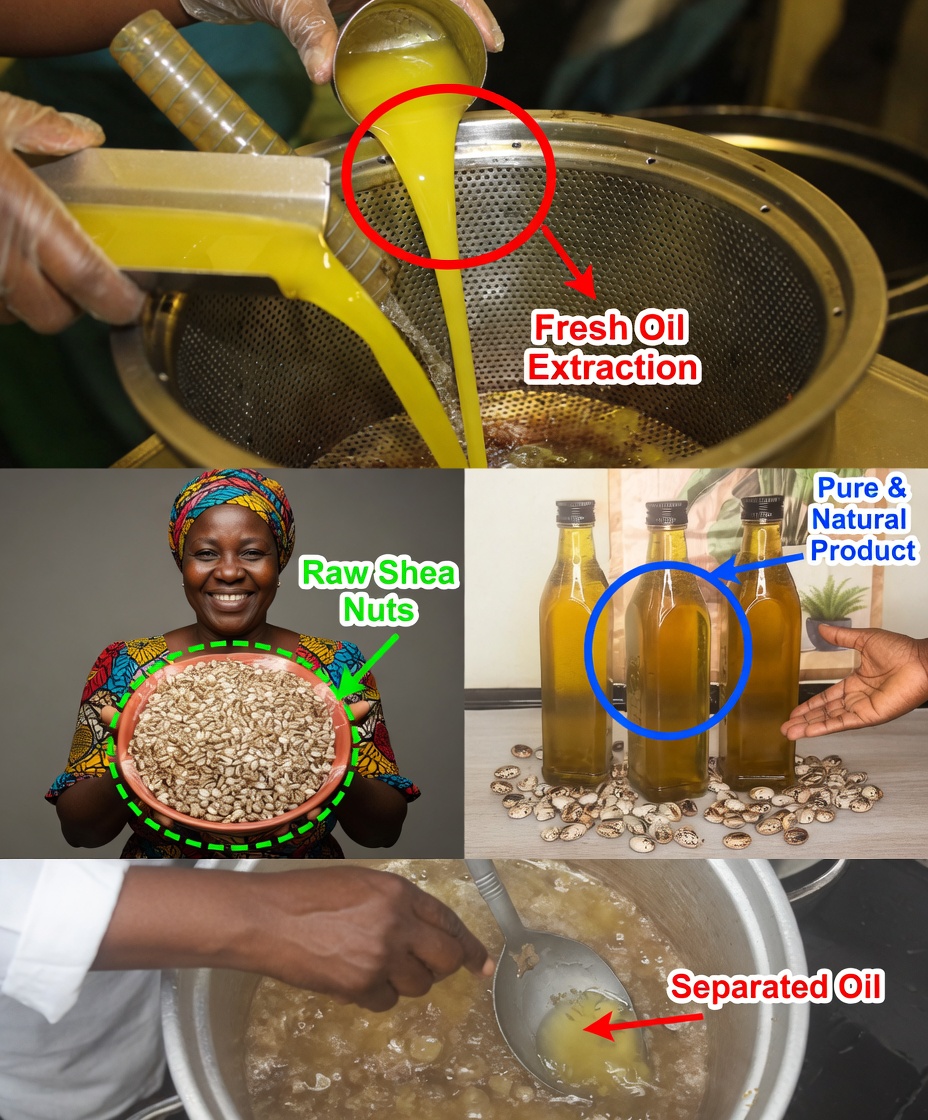
- Castor seeds (around 2 cups)
- Water
Tools
- Mortar and pestle or a grinder
- Saucepan
- Cheesecloth (for straining)
Step-by-Step Instructions
-
Harvest and clean the seeds
Collect fresh castor seeds and remove any dust, dirt, or debris. -
Dry the seeds thoroughly
Spread the seeds in a warm, sunny spot and let them dry for 2–3 days. -
Crush into a rough paste
Use a mortar and pestle or grinder to break the seeds down into a coarse paste. -
Simmer the mixture
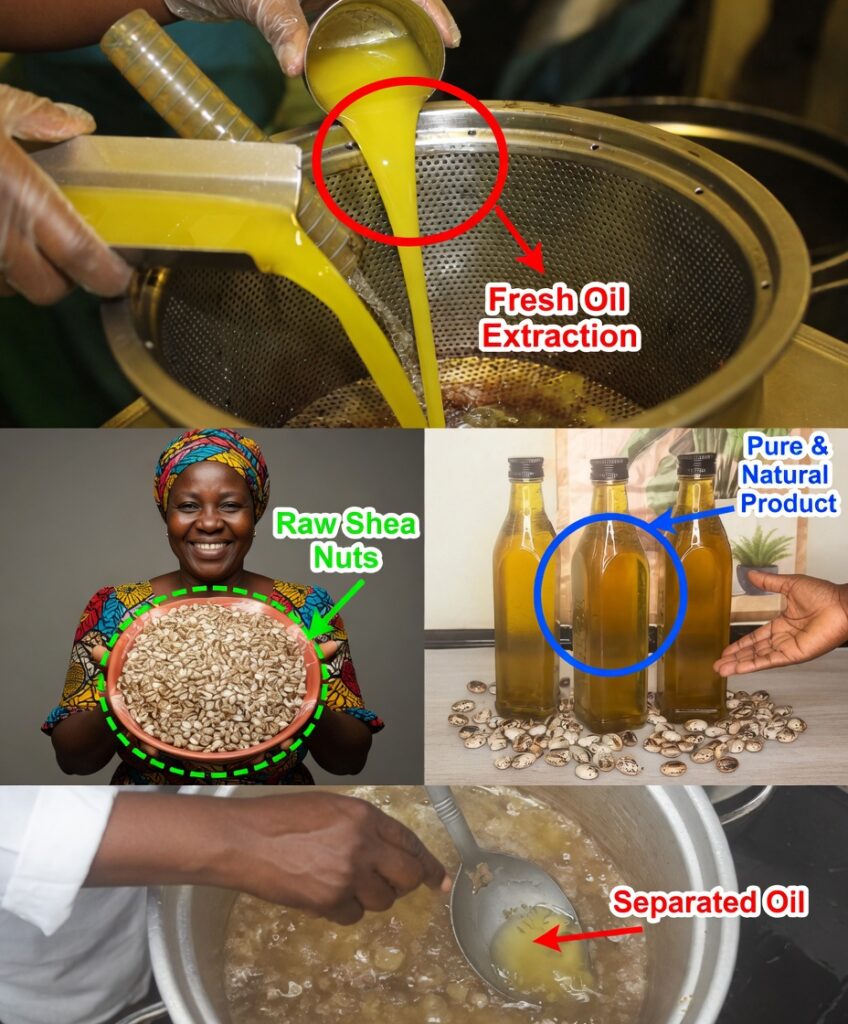
Place the crushed seeds in a saucepan, add enough water to fully cover them, and heat on medium for about 1 hour, stirring from time to time. -
Watch for oil separation
As the mixture cooks, the oil will begin to separate. Keep heating until you can clearly see oil collecting and floating on the surface. -
Strain and collect the oil
Let the mixture cool, then pour it through cheesecloth into a clean glass jar or bottle. -
Store it correctly
Keep your castor oil in a cool, dark place to help maintain freshness and quality.
12 Benefits of Castor Oil
-
Supports hair growth
Castor oil contains ricinoleic acid, which may help stimulate hair follicles for thicker-looking hair. It can also help with dandruff and split ends. -
Moisturizes dry skin
As a deep-conditioning natural oil, it can soften rough areas and improve the feel of dry, cracked skin. -
Conditions eyebrows and eyelashes
Applying a tiny amount can help brows and lashes look fuller and healthier over time. -
Eases joint and muscle discomfort
When massaged into the skin, its anti-inflammatory properties may help reduce soreness and stiffness. -
Helps relieve occasional constipation
Castor oil has a long history of use as a natural laxative for short-term constipation relief. -
May support wound care and reduce the look of scars
Its antimicrobial qualities and moisturizing effect can support healing and help improve the appearance of marks over time. -
May help with acne-prone skin
Castor oil can combat acne-related bacteria while helping prevent the dryness that sometimes comes with harsh skincare. -
Relieves menstrual cramps
Warm castor oil massaged onto the lower abdomen is commonly used to soothe period discomfort. -
Strengthens nails and cuticles
Regular use can help brittle nails feel stronger and keep cuticles nourished. -
Softens and protects lips
It works well as a simple, natural lip conditioner for chapped lips. -
May support immune and lymphatic function (castor oil packs)
Castor oil packs are often used to encourage lymphatic drainage and support overall wellness. -
Helps reduce the appearance of stretch marks
People experiencing pregnancy or weight changes may use castor oil to improve skin softness and minimize visible stretch marks.
Tips for Using Castor Oil Safely
- Do a patch test first: Apply a small amount to a small area of skin and wait to check for irritation.
- Use sparingly: Castor oil is thick and potent—small amounts are usually enough. Avoid overuse, especially if taking it orally.
- Prioritize quality: If you’re buying instead of making it, choose cold-pressed, organic castor oil when possible.
Conclusion
Making castor oil at home can be a satisfying way to ensure you’re using a clean, high-quality natural oil. From hair and skin care to everyday wellness uses, castor oil remains a versatile staple in many natural routines. With proper storage and safe application, you can enjoy its benefits as part of your regular self-care.