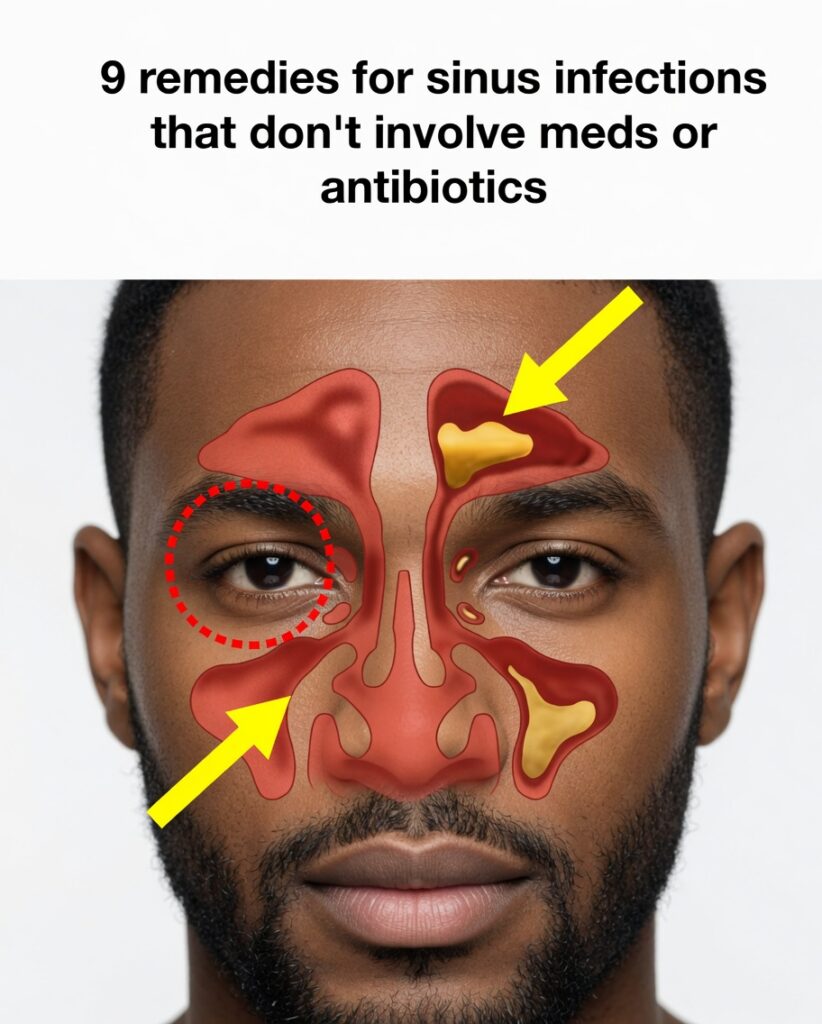
Natural Ways to Relieve a Sinus Infection (Without Medication)
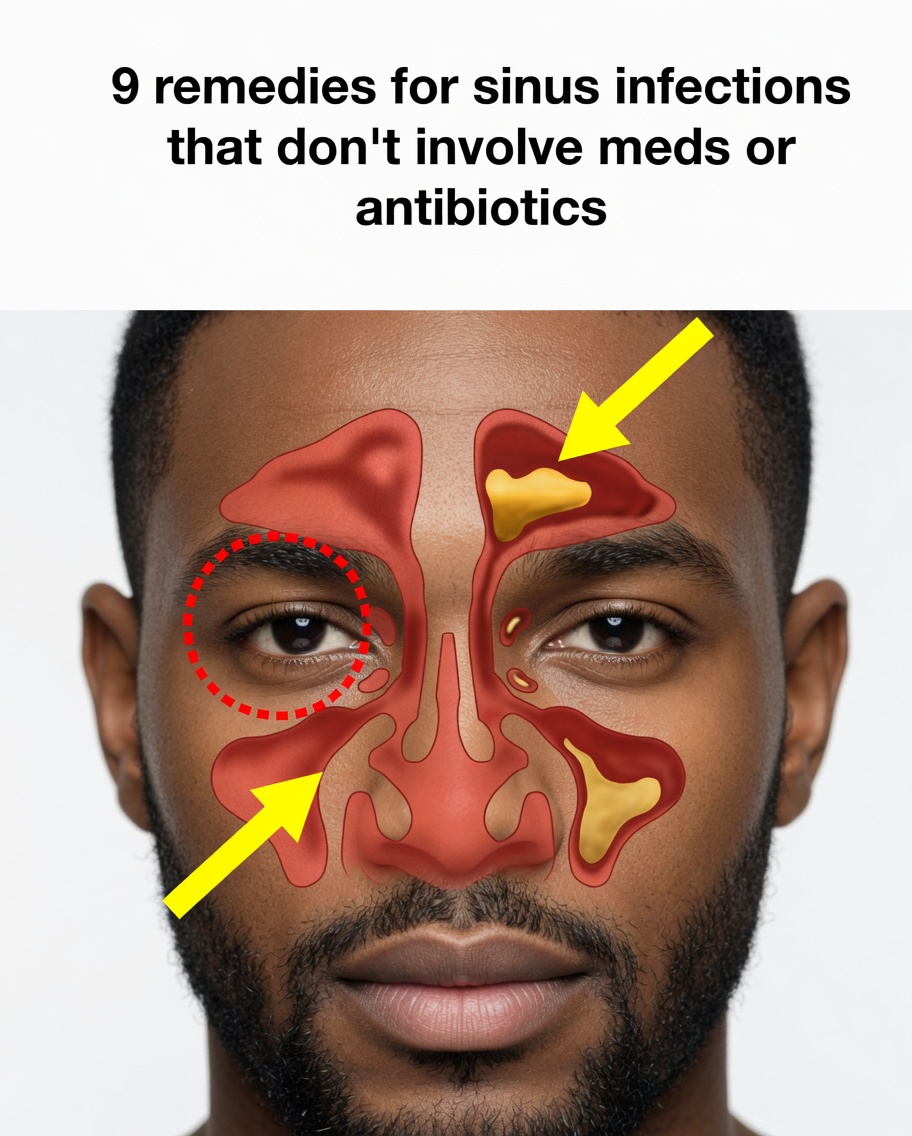
A sinus infection can feel unbearable—blocked nasal passages, facial tenderness, headaches, and that heavy pressure around the eyes. Although antibiotics are commonly prescribed, they aren’t always needed, especially when the infection is caused by a virus rather than bacteria. The good news is that several natural sinus infection remedies can help reduce congestion, ease discomfort, and support recovery—without relying on drugs.
Below are 9 effective, drug-free strategies to help clear your sinuses and feel better faster.
1. Steam Inhalation to Open the Nasal Passages
Steam is one of the simplest ways to loosen thick mucus and reduce sinus pressure. Warm, moist air helps your nasal passages stay hydrated and encourages drainage.
How to do it:
- Bring water to a boil and carefully pour it into a large bowl.
- Place a towel over your head, lean over the bowl, and inhale gently for 10–15 minutes.
- For added support, use a few drops of eucalyptus or peppermint essential oil (optional).
Alternative: A hot shower can offer similar relief when you’re short on time.
2. Saline Nasal Rinse (Neti Pot or Squeeze Bottle)
A saline rinse washes out mucus, allergens, and irritants that can worsen inflammation. Many people find it helps them breathe more freely within minutes.
How to use it:
- Use a pre-made saline solution, or mix your own:
- 1 teaspoon salt
- 1/2 teaspoon baking soda
- 1 cup distilled water
- Tilt your head over the sink and let the solution flow through one nostril and out the other.
Safety note: Only use distilled, sterile, or previously boiled (and cooled) water to reduce infection risk.
3. Warm Compress for Sinus Pressure and Facial Pain
Applying heat to the sinus area can reduce tenderness and improve circulation, which may support drainage and comfort.
How to apply:
- Soak a clean cloth in warm water (not hot), then wring it out.
- Place it across your nose, cheeks, and forehead for 10–15 minutes.
- Repeat several times per day as needed.
Helpful add-on: A gentle facial massage afterward may further encourage sinus drainage.
4. Hydration to Thin Mucus Naturally
Fluids help thin mucus so it drains more easily, which can reduce congestion and pressure. Staying hydrated is one of the most reliable home remedies for sinus discomfort.
Best choices:
- Water
- Warm herbal tea (peppermint or ginger are popular options)
- Clear soups and broths
Try to limit: Alcohol and excess caffeine, which can contribute to dehydration.
5. Use a Humidifier to Prevent Dry, Irritated Sinuses
Dry air can aggravate sinus inflammation and make congestion feel worse. Adding moisture to the air helps keep nasal tissues from drying out, especially overnight.
How to use it well:
- Run a humidifier in your bedroom while sleeping.
- Clean it frequently to prevent mold and bacteria buildup.
Simple alternative: Place a bowl of water near a heat source to gently increase humidity indoors.
6. Eat Foods That Support Sinus Drainage
Certain foods may help with inflammation and congestion, making them useful during a sinus infection.
Sinus-friendly foods include:
- Spicy foods (chili, horseradish, wasabi) to help open nasal passages
- Garlic and onions, known for natural antimicrobial compounds
- Ginger and turmeric, often used to support inflammation control
Easy idea: Try a warm broth with garlic, ginger, and chili for a comforting, sinus-clearing meal.
7. Elevate Your Head While Sleeping
Sleeping flat can cause mucus to collect in the sinuses, increasing pressure and making congestion worse in the morning.
What to do:
- Use an extra pillow or a wedge pillow to keep your head elevated.
- This positioning supports drainage and may reduce nighttime congestion.
8. Essential Oils for Congestion Support
Some essential oils are commonly used to help create a “clearer breathing” sensation and reduce discomfort.
Popular options:
- Eucalyptus
- Peppermint
- Tea tree
Ways to use them:
- Add a few drops to hot water for steam inhalation.
- Use a diffuser to scent the room.
- Dilute with a carrier oil (like coconut oil) and apply to the chest or temples.
Important: Always dilute essential oils and patch test first to avoid skin irritation.
9. Prioritize Rest to Support Recovery
Your immune system needs energy to fight infection. Quality sleep and rest can reduce symptom intensity and help you recover more efficiently.
Tips for better rest:
- Keep your room cool, dark, and quiet.
- Use relaxation techniques like slow breathing or meditation before bed.
When to See a Doctor
Natural remedies can be very helpful, but some symptoms require medical evaluation. Contact a healthcare professional if you notice:
- Symptoms lasting more than 10 days without improvement
- High fever, severe headache, or facial swelling
- Vision changes, confusion, or unusual drowsiness
- Symptoms that worsen after initially improving
These may signal a more serious infection that could require antibiotics or other treatment.
Final Thoughts
Sinus infections can be painful and exhausting, but antibiotics aren’t always the answer. With the right home remedies for sinus congestion, you can reduce pressure, improve drainage, and breathe more comfortably while your body heals.