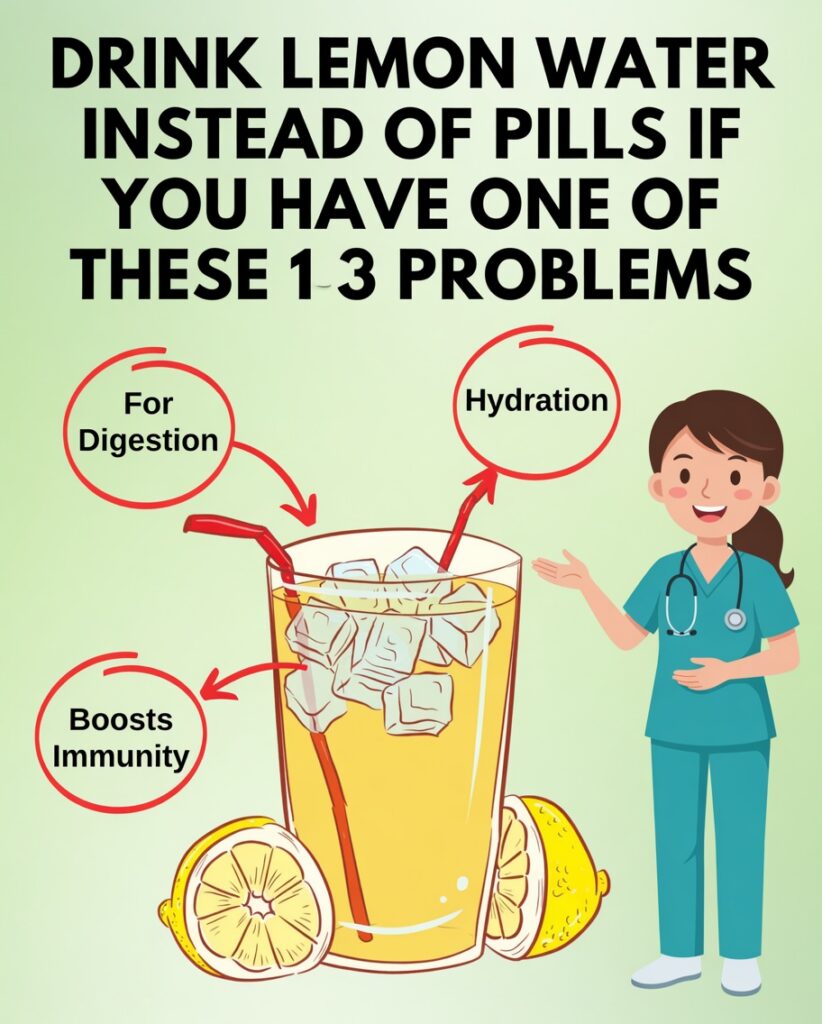
Lemon Water: A Natural Remedy With Real (and Limited) Health Benefits
Lemon water is often promoted as a simple wellness drink—and for good reason. It can support hydration and provide vitamin C and antioxidants. That said, some claimed benefits are well supported by research, while others are more personal, mild, or still uncertain. Below is a clear, evidence-aware look at what lemon water may (and may not) do for your health.
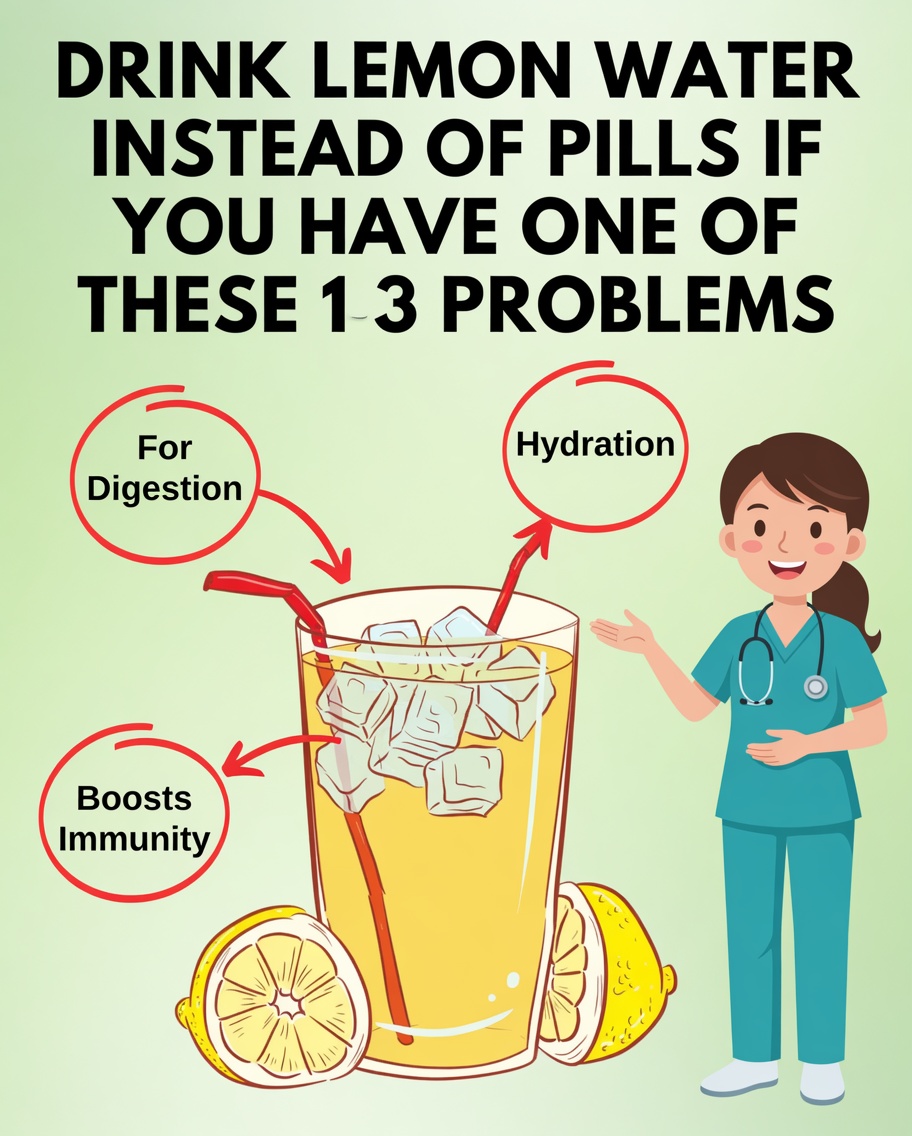
1) May Help Reduce Inflammation
Lemons contain vitamin C and antioxidants, which can help lower oxidative stress, a factor linked to inflammation. However, long-term or chronic inflammation typically improves most with a broader approach—such as a nutrient-rich diet, regular activity, good sleep, and stress management.
2) Can Support Weight Management (Indirectly)
Lemon water doesn’t “melt fat,” but it can contribute to weight control in practical ways:
- Improves hydration, which may reduce false hunger cues
- May support digestion and reduce sugary drink intake
Note: Whole lemons provide fiber (especially pectin), which helps with fullness—lemon juice alone does not offer that same satiety benefit.
3) GERD Relief: Helpful for Some, Worse for Others
If you experience acid reflux (GERD), lemon water can be tricky. Because it’s acidic, it may trigger heartburn in many people. Others report feeling better when lemon is highly diluted, possibly due to individual differences in digestion and sensitivity. Track your symptoms and adjust accordingly.
4) Fibromyalgia Symptoms: Small Support, Not a Treatment
Staying well hydrated can help with fatigue and overall comfort, which matters for people managing fibromyalgia. Lemon water adds antioxidants and vitamin C, which may support the body’s response to oxidative stress—but it is not a cure and shouldn’t replace medical care.
5) Nail Strength: A Helpful Add-On, Not a Complete Fix
Because it supports hydration and collagen production (via vitamin C), lemon water may contribute to healthier nails over time. Still, brittle nails often improve more with adequate:
- Protein
- Biotin
- Iron, zinc, and other micronutrients
6) Sore Muscles and Cramps: Mild Electrolyte Support
Lemon water can provide small amounts of minerals such as potassium, which may help with muscle function. For sore muscles, though, the biggest drivers are typically:
- Proper recovery
- Stretching/mobility
- Balanced nutrition and sufficient fluids
7) Immune Support Through Vitamin C
Vitamin C plays a role in immune function, and lemon water can help you reach your daily intake—especially if it replaces less nutritious beverages. Still, immune health depends on many factors, including overall diet quality, sleep, and stress levels.
8) Joint Pain: Potentially Helpful, but Effects Are Modest
Antioxidants in lemon may offer mild support for inflammation-related discomfort, which could be relevant for some people with arthritis or joint stiffness. However, any impact is usually subtle compared with evidence-based medical and lifestyle treatments.
9) Colds and Flu: Comfort and Hydration, Not a Cure
Warm lemon water can feel soothing for a sore throat, and hydration is essential when you’re sick. Vitamin C may slightly reduce symptom duration for some people, but lemon water does not cure viral infections.
10) Kidney Stone Prevention: One of the Best-Backed Benefits
This is a strong point in lemon water’s favor. Lemons increase urinary citrate, which can help reduce the risk of certain kidney stones (especially calcium oxalate stones). Research supports citrate’s role in stone prevention, making this one of the most evidence-based claims.
11) Acne and Skin Health: Supportive, Not Transformational
Vitamin C and antioxidants help support overall skin health, and hydration matters for skin function. However, lemon water alone is unlikely to dramatically clear acne. For best results, focus on:
- A consistent skincare routine
- Balanced diet (and managing high-sugar triggers, if relevant)
- Adequate sleep and stress control
12) Bladder Discomfort: Can Help Some, Irritate Others
The citric acid in lemon may encourage fluid intake and support urinary flushing, but it can also irritate the bladder for people with interstitial cystitis or sensitive urinary tracts. If you have ongoing bladder pain, frequent burning, or recurrent symptoms, seek medical advice.
13) Food Poisoning Prevention: Not a Substitute for Food Safety
Lemons have some antibacterial properties, but lemon water is not reliable protection against foodborne illness. Proper food handling remains essential:
- Wash hands and surfaces
- Cook foods to safe temperatures
- Store perishables correctly
Conclusion: A Healthy Habit With Sensible Expectations
Lemon water is a simple, low-calorie drink that can support hydration, provide vitamin C, and may offer modest benefits for digestion and immune function. Its most research-supported advantage is helping raise urinary citrate for kidney stone prevention. Still, it works best as part of a balanced lifestyle—not as a replacement for medical treatment or comprehensive nutrition.