
Black Cumin (Nigella sativa): A Traditional Remedy with Modern Interest
Black cumin—often called Nigella sativa—is a small, dark seed native to South and Southwest Asia. It has a long history in traditional healing practices and is widely associated with the well-known saying: “It cures everything but death.” Beyond its role as a flavorful kitchen spice, black cumin is valued for potential wellness benefits and is often discussed in connection with support for many health conditions.
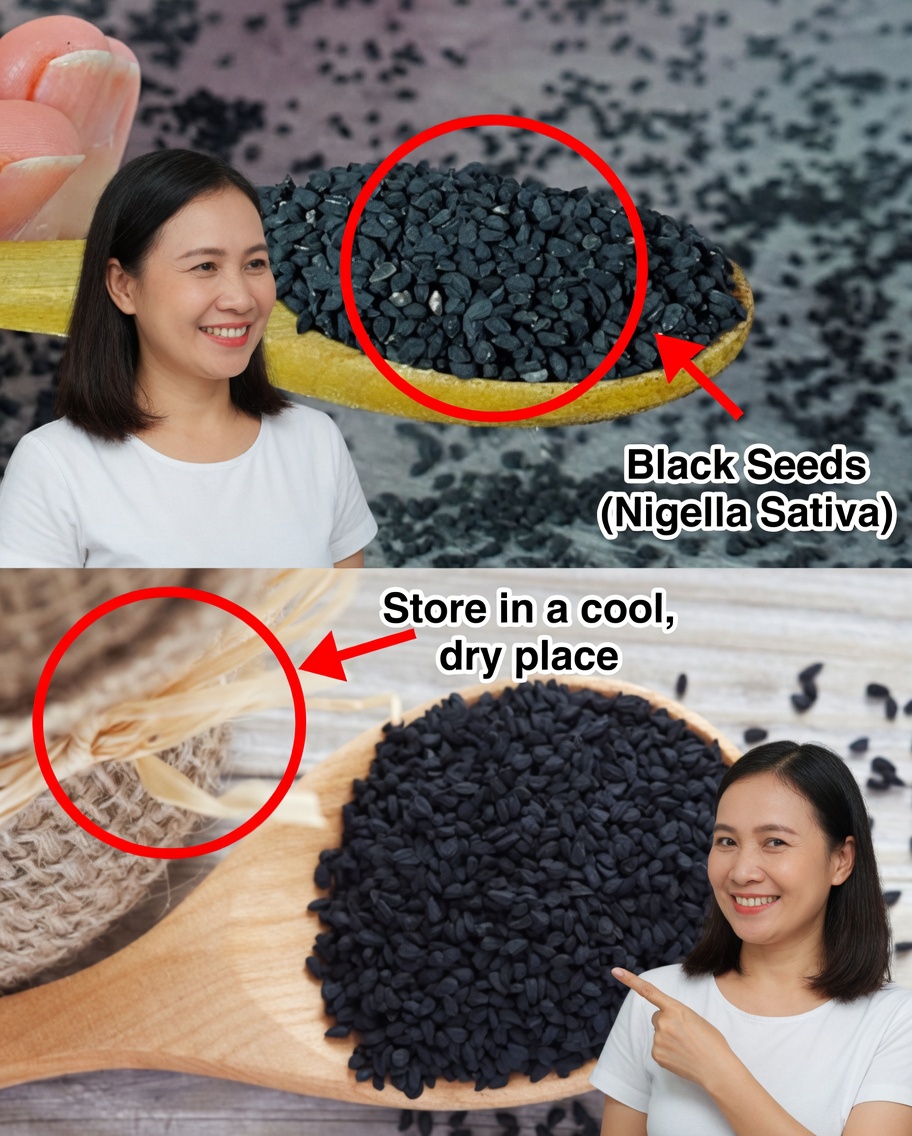
What Makes Black Cumin Unique?
One reason black cumin has attracted so much attention is its key bioactive compound, thymoquinone. Research suggests thymoquinone may provide strong antioxidant and anti-inflammatory effects. By helping the body manage oxidative stress, calm inflammation, and support immune responses, black cumin has been studied for its possible role in a broad range of concerns.
Key Health Benefits of Black Cumin
Black cumin seeds and black seed oil are commonly linked to the following potential benefits:
- Immune system support: Regular use may help strengthen immune defenses, with reported antibacterial, antiviral, and antifungal properties.
- Respiratory relief: Often used for issues such as asthma, bronchitis, and seasonal allergies, thanks to its ability to help reduce airway inflammation and support easier breathing.
- Heart and circulation health: May assist in maintaining healthy blood pressure and cholesterol levels—two important factors for cardiovascular wellness.
- Blood sugar management: Some studies suggest it can help support more balanced glucose levels, making it of interest to people managing diabetes.
- Digestive comfort: Traditionally used to ease bloating, stomach discomfort, and digestive upset, supported by its carminative (gas-reducing) qualities.
- Skin support: Whether applied to the skin or taken internally, black cumin seed oil is commonly used to soothe irritation and support conditions such as eczema and psoriasis.
How to Use Black Cumin
There are several easy ways to add black cumin to your routine:
- In cooking: Sprinkle the seeds into curries, lentils (dal), vegetables, soups, and breads. They contribute a distinctive taste that’s slightly peppery and mildly bitter.
- As a supplement: Many people choose black seed oil capsules, or take about 1 teaspoon of the oil daily (follow product directions).
- Topical use: Apply a small amount of black seed oil directly to the skin to help calm inflammation and support healing of minor irritation.
Precautions and Safety Notes
Black cumin is generally considered safe for many people when used appropriately. However, it’s best to speak with a healthcare professional before starting black seed oil or any new supplement—especially if you are pregnant, have a medical condition, or take prescription medications.
Conclusion
Black cumin is more than a traditional spice—it’s a time-tested botanical that continues to be explored for its wide-ranging wellness benefits. Adding Nigella sativa to meals or using black seed oil thoughtfully may be a simple step toward supporting everyday health.